








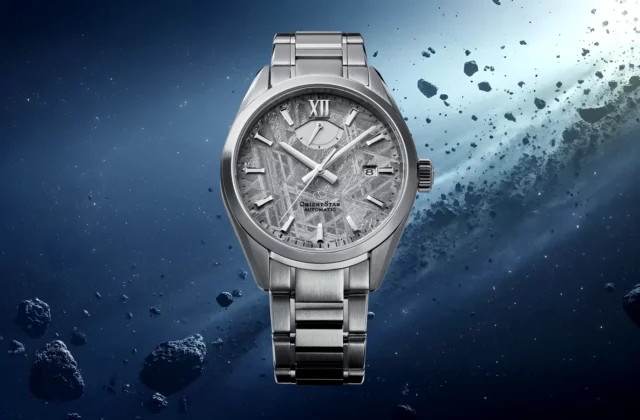
Orient Star M34 F8 Date Meteorite: the 75th Anniversary Limited Edition with Meteorite Dial
A fragment of space on the wrist In watchmaking, certain materials tell a story. Gold speaks of luxury, titanium of performance, ceramic of modernity. And then there is meteorite—a material…
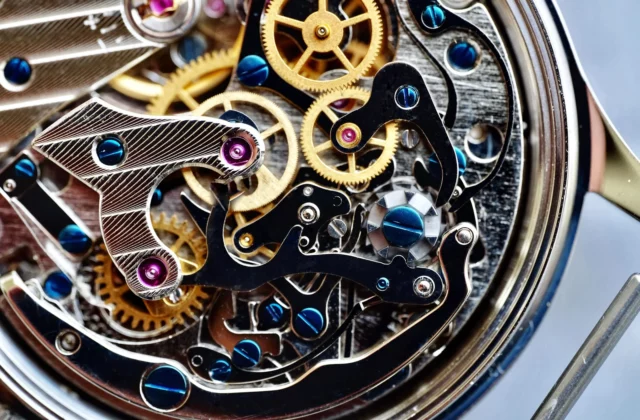
How a Column-Wheel Chronograph Works
There are two schools in watchmaking: those who trigger a chronograph the way you hit “start” at the gym, and those who want to feel, under the fingertip, that crisp…
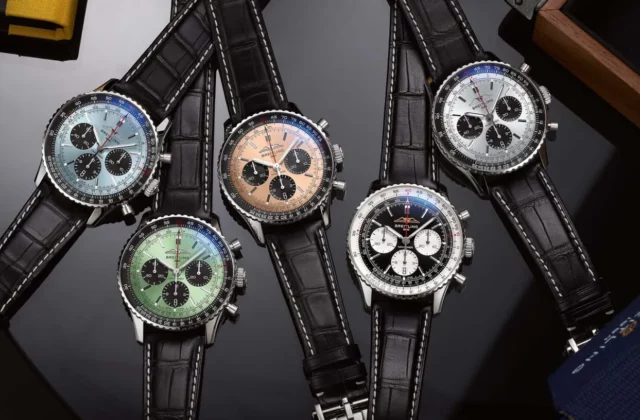
Why the Breitling Navitimer Is the Ultimate Pilot’s Watch
A watch born of a real need: calculating in flight In the early 1950s, civil aviation entered a golden age: transatlantic routes, celebrity pilots, cockpit instruments moving from the…
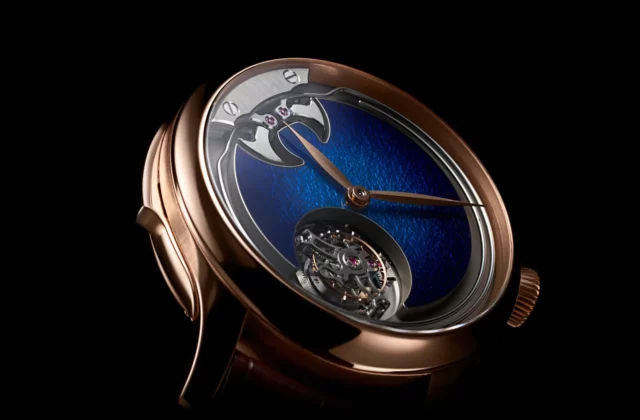
How a Striking Watch (Minute Repeater) Works
The striking watch—and, more specifically, the minute repeater—is one of watchmaking’s most poetic, and most unforgiving, complications. Poetic, because it turns time into music. Unforgiving, because inside the case nothing…
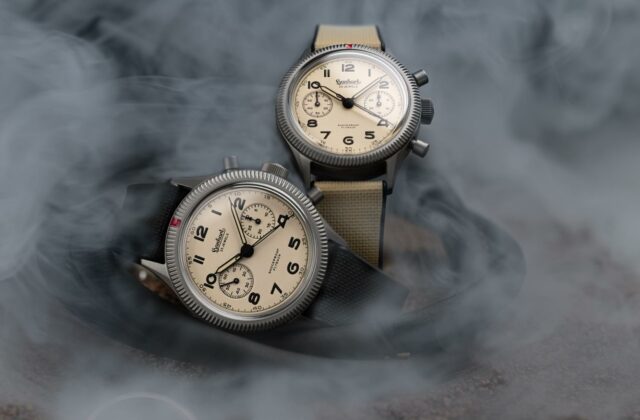
Hanhart 417 TI Desert Pilot: The Pilot’s Chronograph Goes Titanium
In the world of pilot’s chronographs, some watches make it through the decades without ever losing their purpose. The Hanhart 417 is one of those instruments born for function. From…
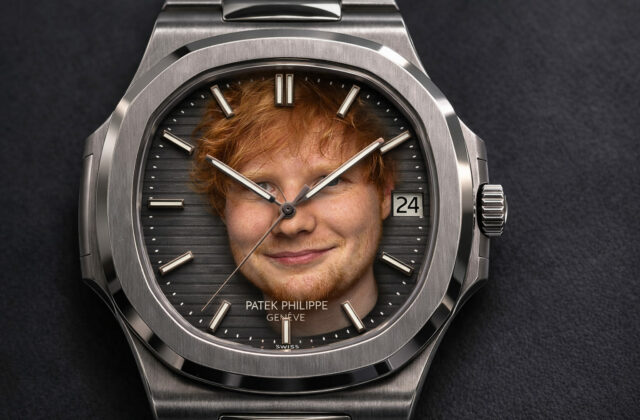
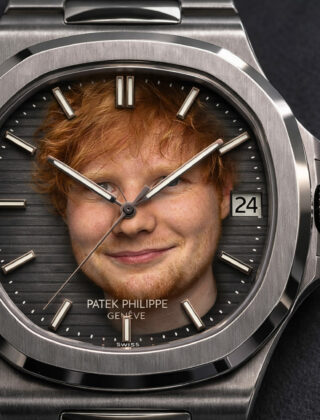
Ed Sheeran’s Watches
He walks on stage in an oversized sweatshirt, beat-up sneakers, a guitar slung over his shoulder. You’d expect to spot an old Casio F-91W on his wrist. And yet, tucked…
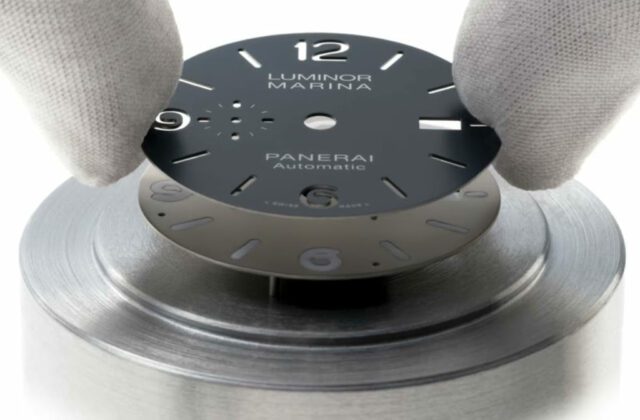
Why Some Watches Have a Sandwich Dial
A dial that plays with depth At first glance, you notice a sense of relief, an almost graphic legibility, as if the numerals and markers had been cut straight…
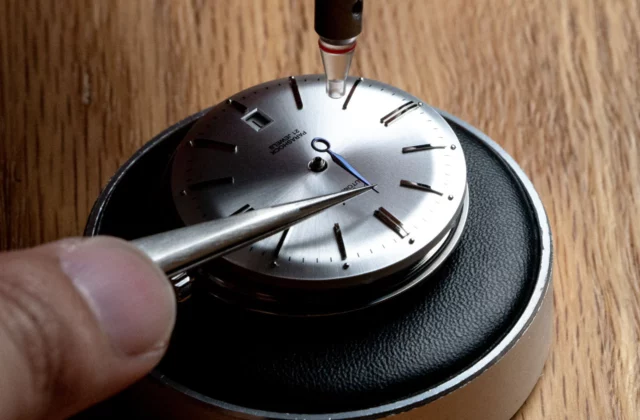
Why Some Watches Have Flame-Blued Hands
You notice them at first glance: that deep blue, sometimes almost electric, that catches the light and shifts in tone depending on the angle. It immediately conjures up a…
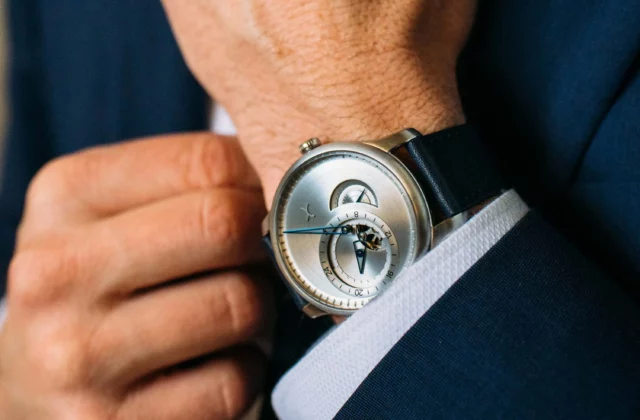
What Is a Regulator Watch?
What exactly is a regulator watch? A regulator watch is a watch whose display separates the indications of time: most often, the minutes take centre stage, while the hours…
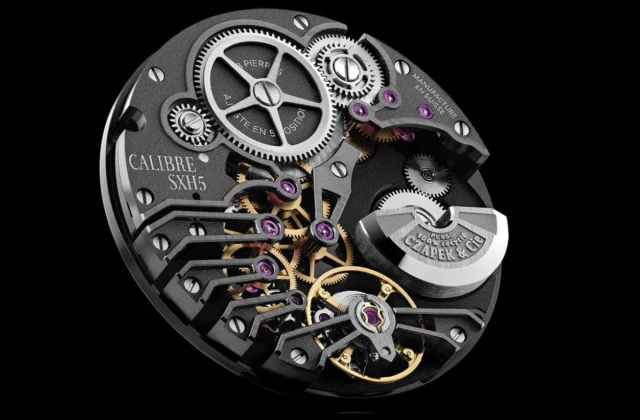
How Does a Micro-Rotor Work in an Automatic Watch?
The micro-rotor: the mechanical elegance of the invisible For many, an automatic watch is that half-disc of metal spinning freely on the back of the movement, capturing the wrist’s…
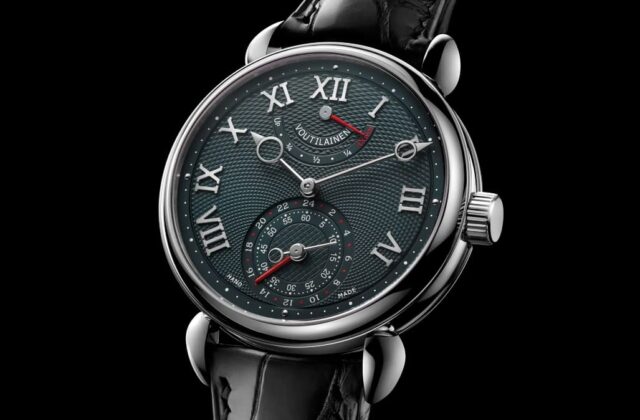
How a Power Reserve Indicator Works
The mechanical watch’s “fuel gauge” On a mechanical watch, the power-reserve indicator has something deliciously human about it: it lets you see the mainspring’s impending fatigue, the end of…
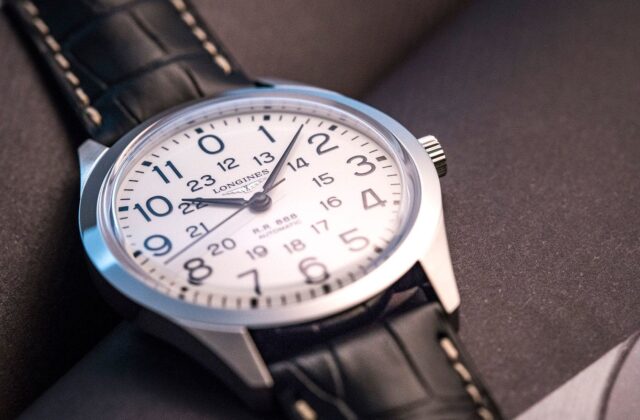
What Is a “Railroad” Watch and What Is This Scale Used For?
A scale born from the need for precision, not an aesthetic whim In watchmaking vocabulary, the term “railroad” (or “chemin de fer” in French) refers to a minute track…

Raphaël Quenard’s Watches
In the Who wears what? section, today we’re looking at the watches worn by Raphaël Quenard. A rising figure in French cinema (with a delivery that’s distinctive, to say the…
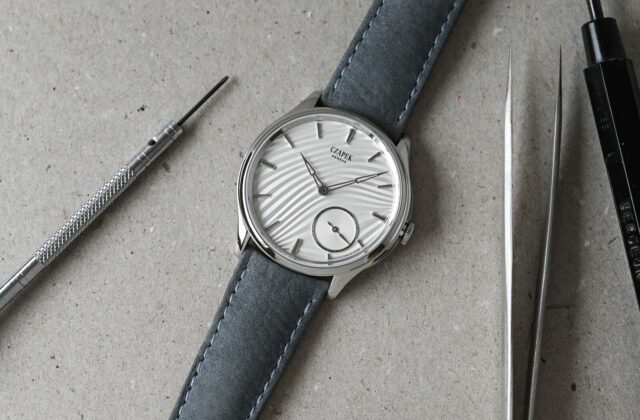
What Is a Small Seconds Watch?
A tiny detail, an outsized signature In the watchmaking world, some complications are very “visible”: multi-register chronographs, perpetual calendars, tourbillons spinning like mechanical jewels. But there are also more…
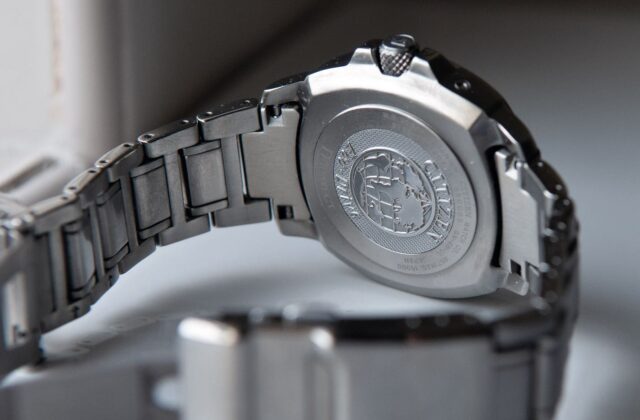
What Is a Watch with a Monobloc Case?
One piece, one idea: sealing time inside In watchmaking, some technical solutions read like manifestos. The one-piece case (or “monocoque”) is one of them. The principle is easy to…
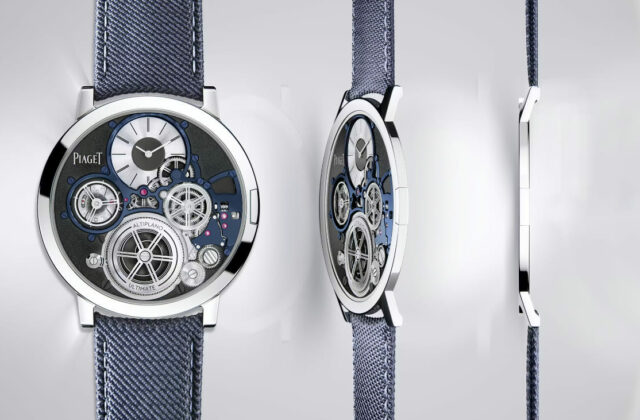
What Is an “Ultra-Thin” Watch?
I remember my first encounter with an “ultra-thin.” I’m talking, of course, about an “ultra-thin watch” (what were you thinking?). Among these marvels of slenderness, a hand-wound watch truly defies…