ETA Watch Movements
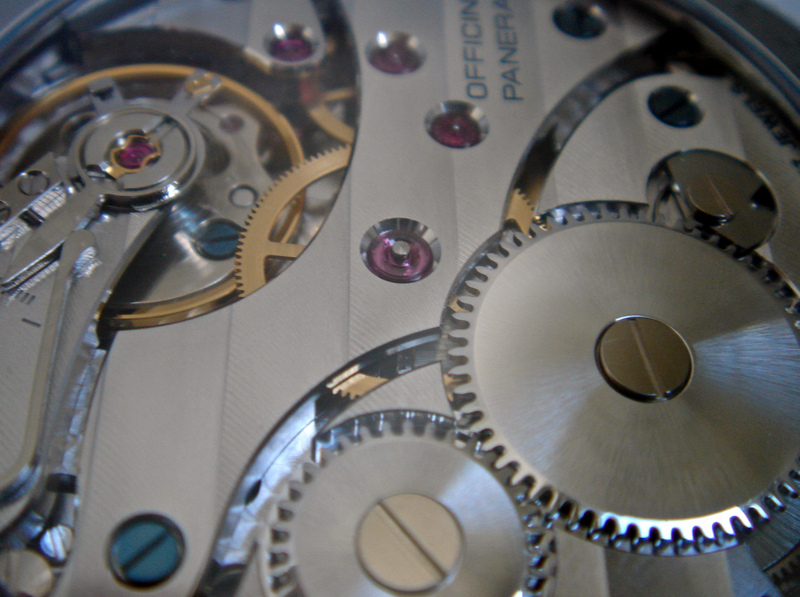
ETA—those three letters crop up time and again whenever watches or watchmaking are discussed. Let’s decode this acronym, which opens the door to one of watchmaking’s essential foundations: the movement.
Who is this company that powers more than half of the watches assembled in Switzerland?
ETA is a Swiss watch movement manufacture founded in 1793, owned by the Swatch Group and based in Grenchen, Switzerland. Renowned for the quality of its products, this indispensable manufacture naturally supplies the Swatch Group’s own watches (see the list of the Swatch Group’s 19 watch brands) but also an impressive number of other watch brands. ETA stands for Elegance, Technology, Accuracy (Élégance, Technologie, Précision).
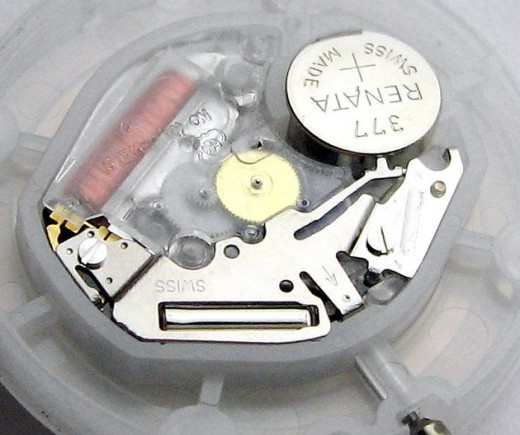
The company designs and produces both mechanical movements and quartz movements.
In 1985, movement blank manufacturers in the Swiss Jura—specialised by category (men’s watches, chronographs, women’s watches, etc.) and grouped under the umbrella of Ébauches SA—were brought together into a single company named ETA.
ETA meets the needs of the Swatch Group as well as those of brands without the industrial capacity to manufacture their own calibres, thanks to around fifteen factories in France, Switzerland, Germany, China, Malaysia and Thailand. The movement producer thus plays an essential role in the life of watchmaking—particularly mechanical watches—because it is the only one to have invested on a massive scale in research and development and in industrial equipment.
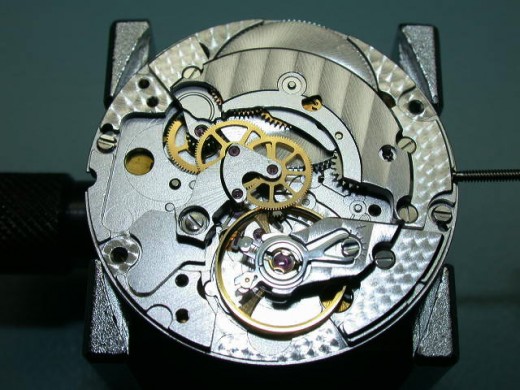
The two best-selling movements are certainly the 2894 chronograph movement and the simple 2892 automatic movement. These movements power nearly half of the watches made in Switzerland.
Paradoxically, the company achieved its greatest success by being derrière la Swatch watch in November 1982.
Today, many high-end watchmaking brands source from ETA, ordering complete movements or customising incomplete movements with the aim of adding their own value and avoiding an admission of weakness.
Yet ETA announced that by the end of 2011, the manufacture would supply only complete movements—customised or not—ready to be fitted into watches.
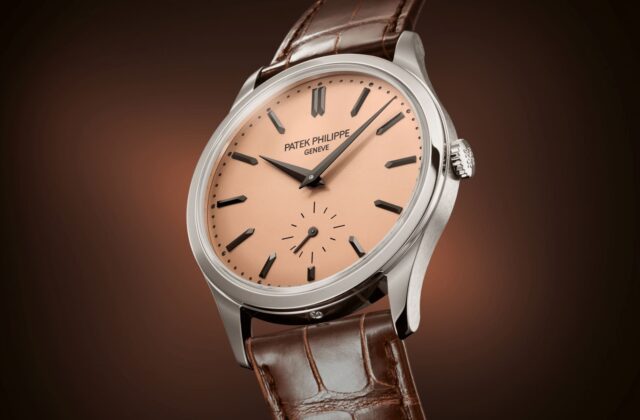
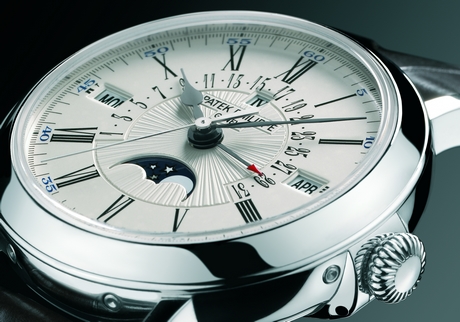
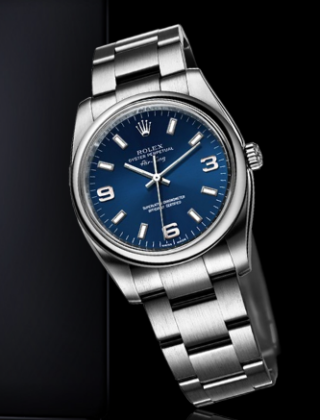
Indeed, ETA’s 300 customers are entirely dependent on their supplier, which would be wrong to deprive itself of that leverage. Only houses such as Patek Philippe, Jaeger Lecoultre or Rolex, among others, manufacture their own movements.
It is also worth noting the presence of strong competitors such as Technotime, which allow brands to be less affected by the quotas imposed by ETA.