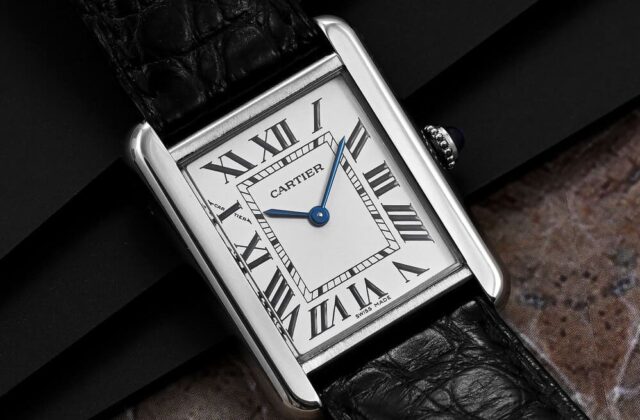
Why the Patek Philippe Calatrava Is a Symbol of Horological Purity
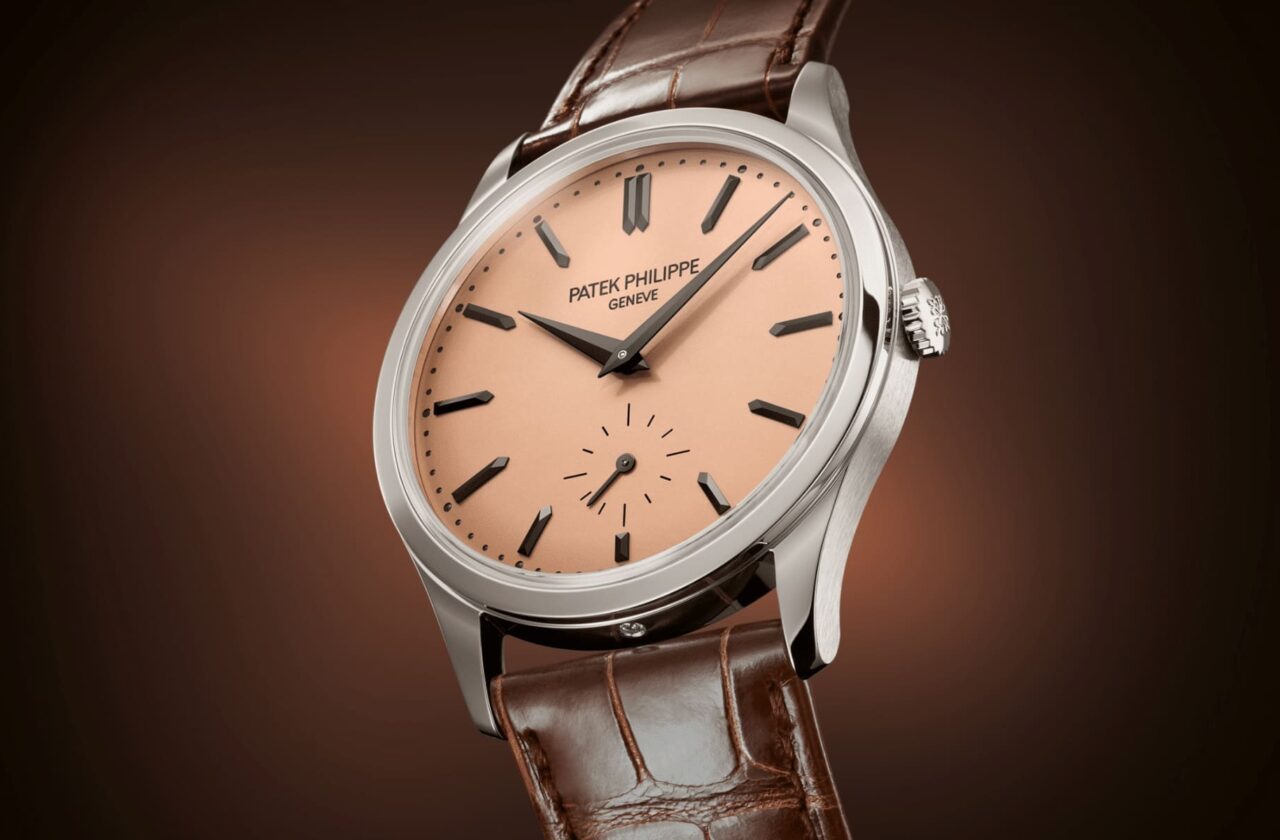
The Calatrava, or the art of saying only what matters
There are watches that assert themselves through complication, technical excess, or the loud prestige of a name. And then there is the Patek Philippe Calatrava, which does the exact opposite: it stands out through restraint. In a world saturated with stimuli, its power lies in a kind of silence. The dial, the diameter, the hands, the markers: everything seems to have been kept only after a ruthless sorting. Nothing is there to impress; everything is there to endure—much like certain hand-wound watches that defy the laws of thinness.
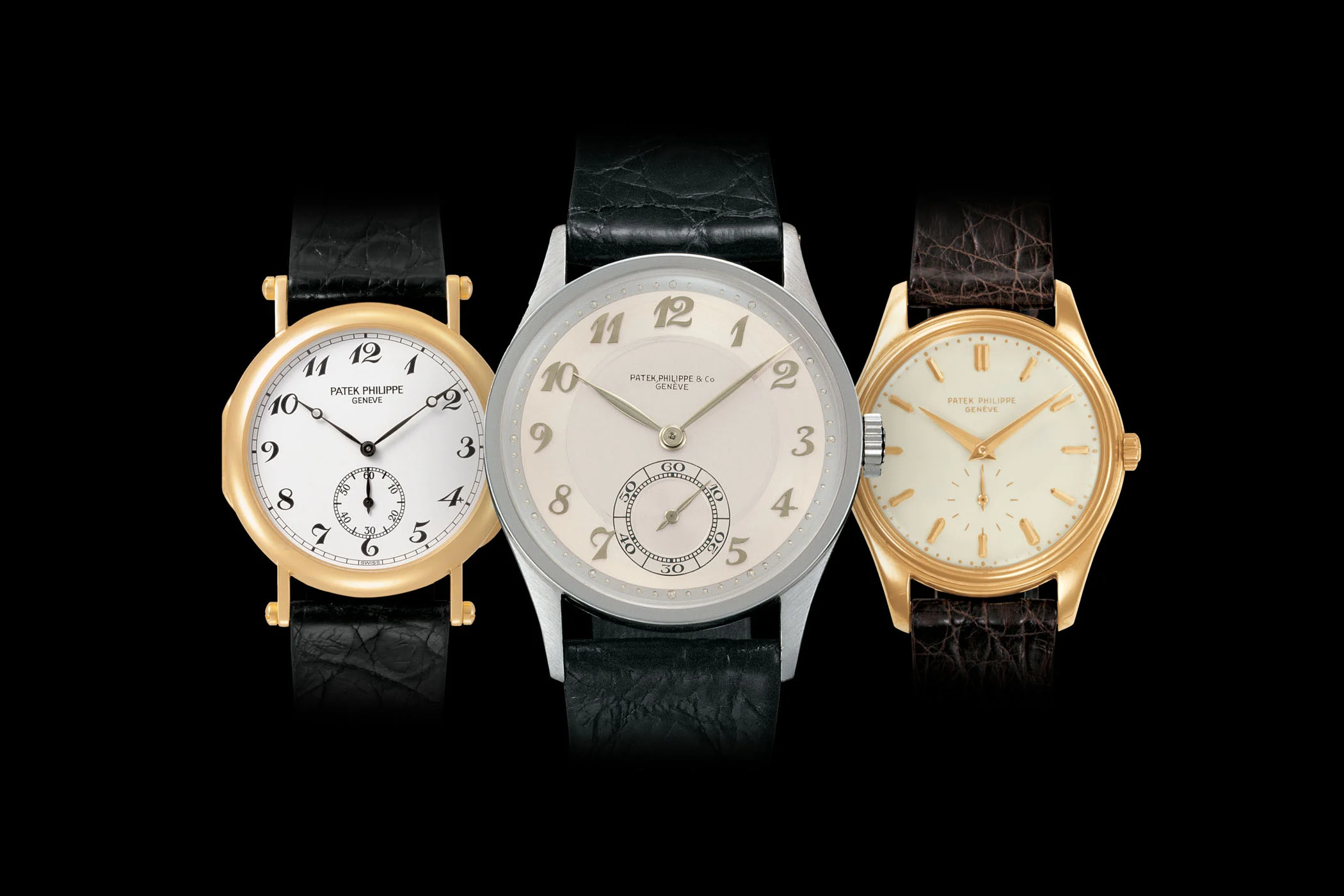
Introduced in the early 1930s, at a time when Europe was absorbing the crisis and modern aesthetics were searching for a new grammar, the Calatrava embodies an idea that feels almost rare today: watchmaking purity as a discipline. A watch that doesn’t shout, but knows. A watch that doesn’t follow fashion, but moves through it—echoing the absence of superfluous text that so appeals to contemporary minimalists.
A birth amid turmoil: 1932, elegance as refuge
The Calatrava legend begins in 1932 with reference 96. Patek Philippe was then at a turning point: the Great Depression had weakened the luxury industry, and the Geneva house was taken over by the Stern brothers. Rather than chasing spectacular innovation, Patek launched a wristwatch of radical clarity. A round, slim, balanced piece, conceived as a modern object in the noblest sense of the word.
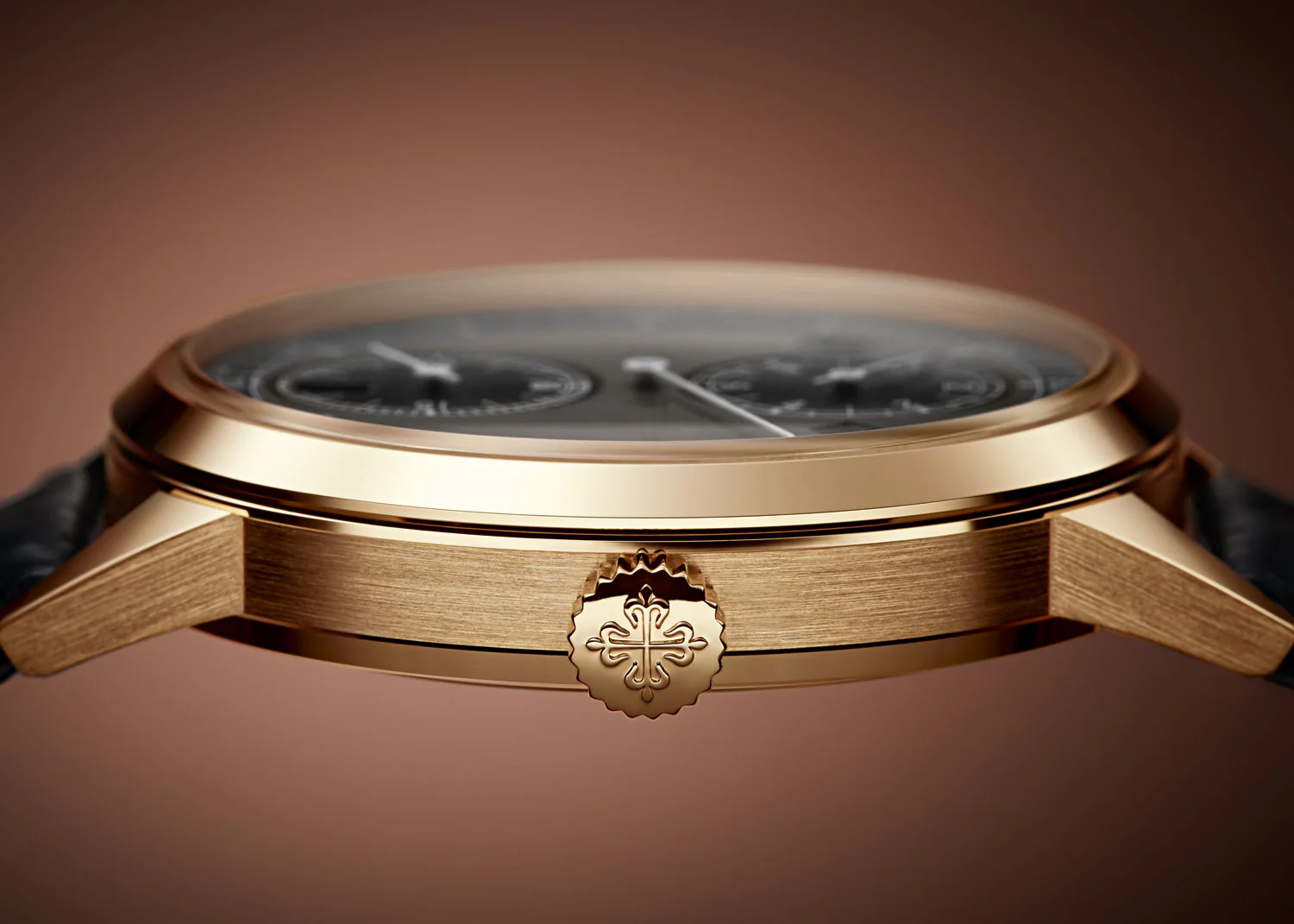
The name “Calatrava” refers to the Calatrava cross, Patek Philippe’s emblem inspired by a Spanish chivalric order. But the watch itself wears no folklore: it belongs to a pared-back modernity. Here the symbol flips: a historic cross used to sign a watch that looks forward.
Design: when Bauhaus meets Geneva
The Calatrava is often linked to the Bauhaus spirit: form follows function, beauty is born of proportion, ornament is suspect. The comparison isn’t a slogan; it’s a relevant reading. Because the Calatrava doesn’t pursue minimalism as an aesthetic pose, but as a method. Every millimetre seems calibrated to serve balance.
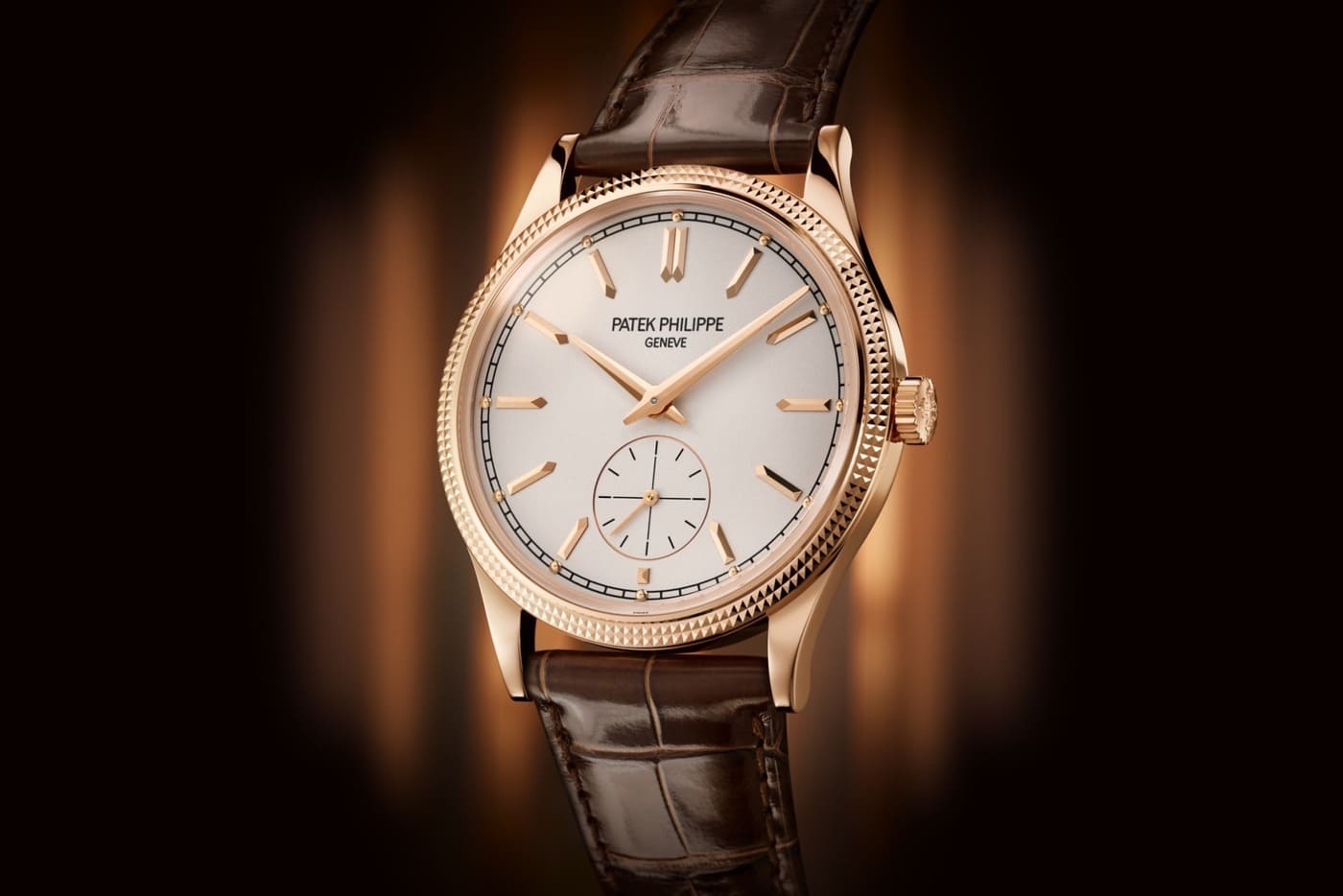
Roundness as the obvious choice
The round case is one of watchmaking’s “simplest” choices… and yet one of the most demanding. On a Calatrava, roundness isn’t an outline; it’s a centre of gravity. The lugs, slim and carefully drawn, extend the line of the case without ever breaking it. The watch settles on the wrist like a polished pebble: it doesn’t impose itself, it harmonises.
A dial that breathes
Watchmaking purity is first read on the dial. On the finest Calatravas, space isn’t “empty”: it’s breathable. The absence of superfluous text, the alignment of the markers, the sobriety of dauphine or baton hands, sometimes a small seconds at 6 o’clock—everything contributes to an effortless legibility. That legibility isn’t merely practical: it gives the eye a rare sense of rest.
An obsession with proportions
What fascinates is how poorly the Calatrava tolerates approximation. Too large, and it loses its grace. Too small, and it risks preciousness. Too much metal on the bezel and it looks heavy. Not enough, and it becomes ordinary. Success lies in fine adjustment, in that invisible tension between presence and discretion. A watch you notice… often only once you’re wearing it.
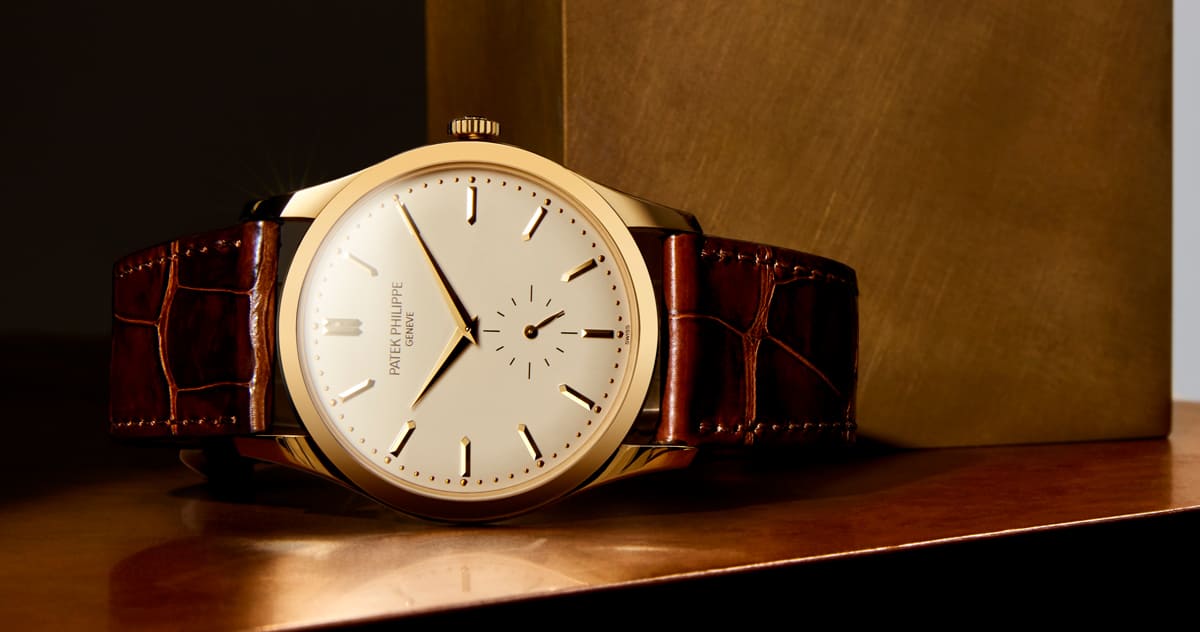
Purity isn’t the absence of technique: it’s mastery of it
Reducing the Calatrava to a “simple three-hander” is a common mistake. Purity at Patek Philippe is never synonymous with ease. On the contrary, it demands absolute control: when you can’t distract the eye with a spectacular complication, every detail becomes a tell.
Calibres designed to last
Over the decades, the Calatrava has housed different movements, always chosen for their thinness, reliability, and finishing. Whether historic manual calibres or modern automatic movements, the logic remains the same: coherent architecture, strict tolerances, and performance regulated for the day-to-day life of a demanding owner.
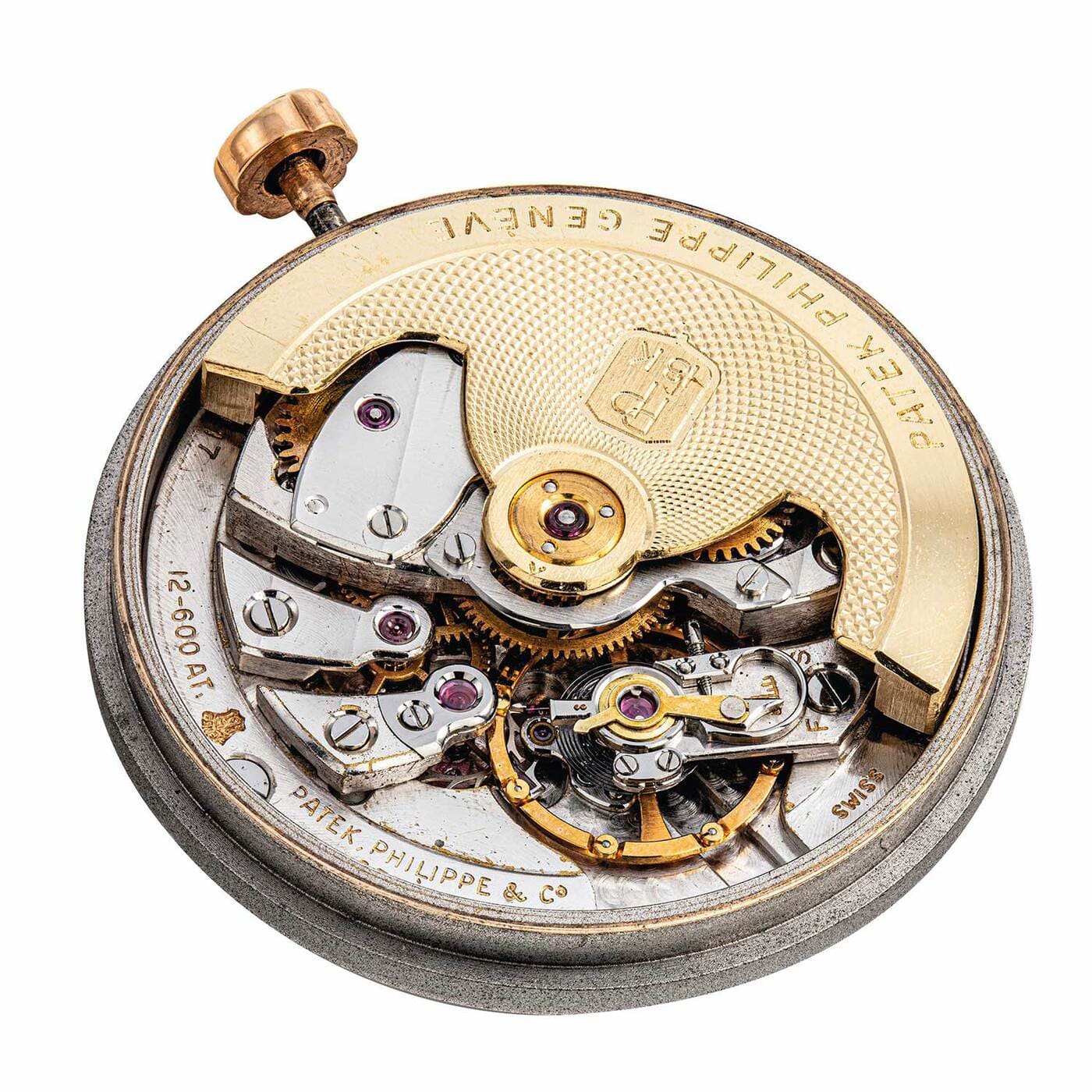
The famous “Patek Philippe Seal” isn’t merely a marketing argument: it attests to a high level of in-house control, notably over accuracy and manufacturing quality. Once again, the Calatrava embodies an idea: discreet luxury is measured by what you don’t immediately see.
Finishing as a secret language
Chamfering, Geneva stripes, perlage, polishing: the decoration of a Patek Philippe movement is a culture in itself, almost a form of calligraphy. In a Calatrava, this finishing takes on a particular dimension. Because the whole is restrained, the slightest tool mark, the slightest approximation, would become audible. Purity demands flawless execution.
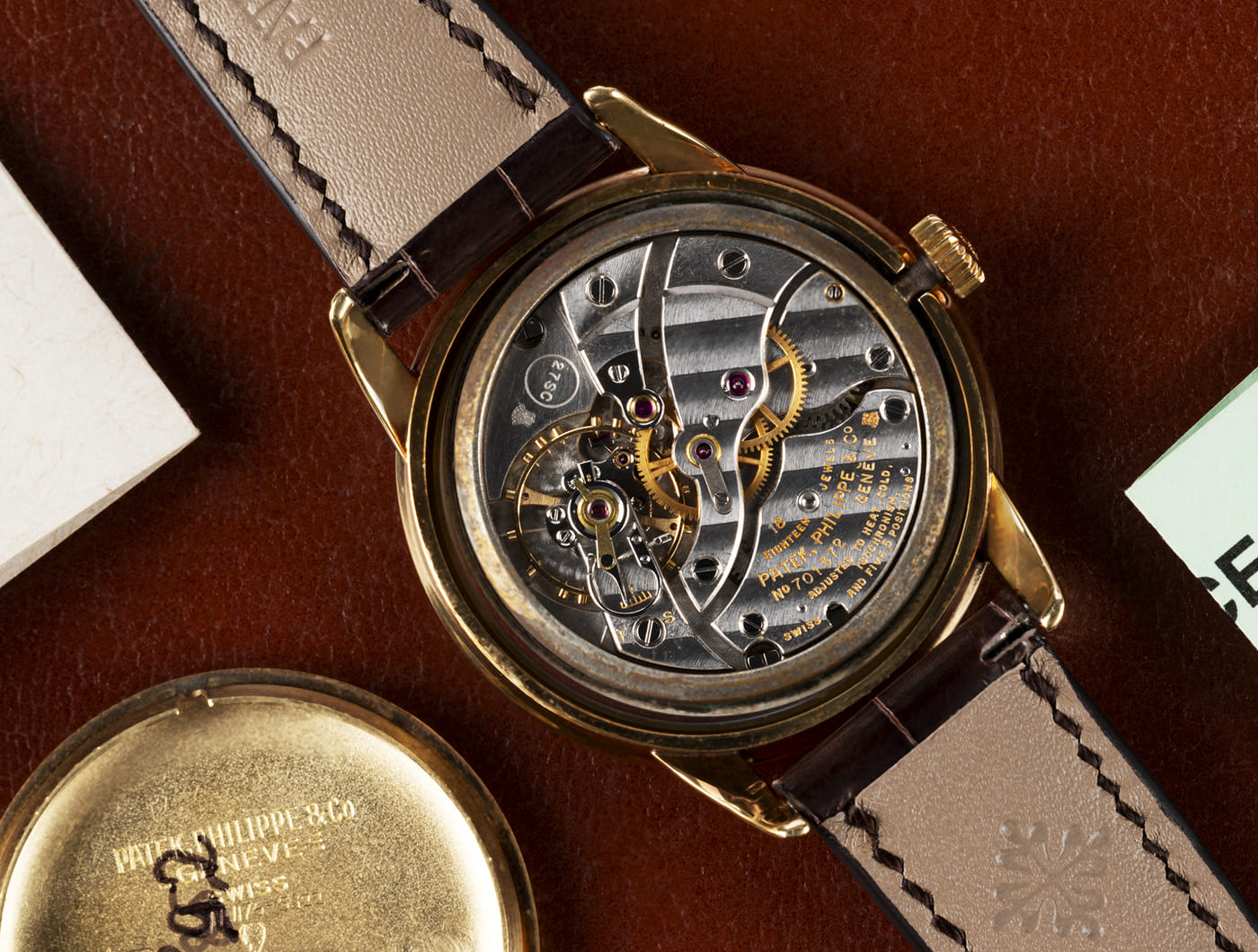
A style icon: the watch that never dates an outfit
The Calatrava is sometimes described as the ultimate “dress watch”. The phrase is accurate, but reductive. Yes, it pairs with a suit with almost insolent ease. But it shines above all in its ability not to lock its wearer into a fixed code.
On the wrist, it works like good leather, a perfectly cut shirt, a well-judged fragrance: it doesn’t steal the scene, it composes it. And in that, it aligns with a very Esquire idea: elegance isn’t about being seen—it’s about being right.
Why it spans the decades
- It avoids fashion effects: no extreme shapes, no dated details.
- It prioritises the fundamentals: a balanced case, a legible dial, comfortable thinness.
- It welcomes patina: a well-worn Calatrava often gains charm rather than “aging”.
The references that forged the myth
To speak of “the” Calatrava would be to forget that the line has grown richer over time with subtle variations: sector dials, applied markers, small seconds, yellow gold, white gold, platinum, different sizes. But certain references have become cardinal points.
Reference 96: the manifesto
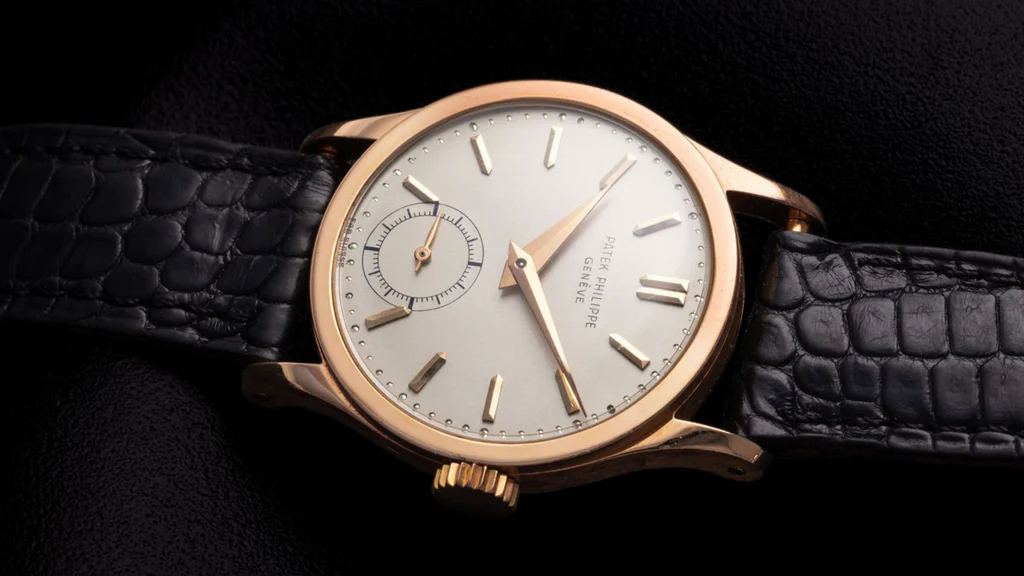
The original 96 remains one of the purest. Compact size, ideal balance, 1930s spirit: it defined a grammar. In its period version, it’s also a lesson in the evolution of taste: what felt modern yesterday becomes timeless today.
Reference 3919: the elegance of the Clous de Paris bezel
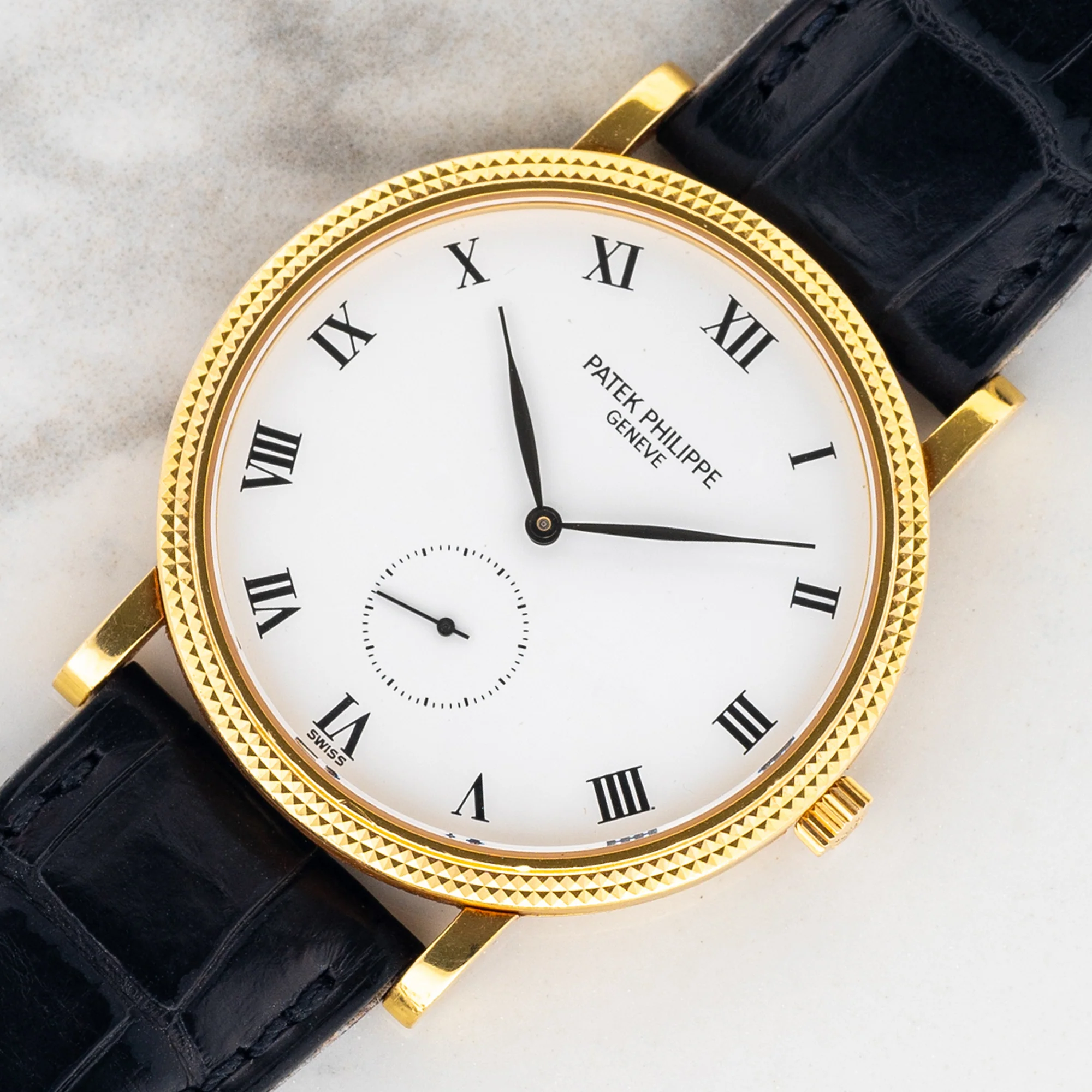
For many collectors, the 3919 is an emotional gateway: a guilloché “hobnail” (Clous de Paris) bezel, Roman numerals, the air of a notary’s watch—in the noblest sense. It shows that the Calatrava can accept a decorative signature without betraying itself.
Reference 5196: the classic revival
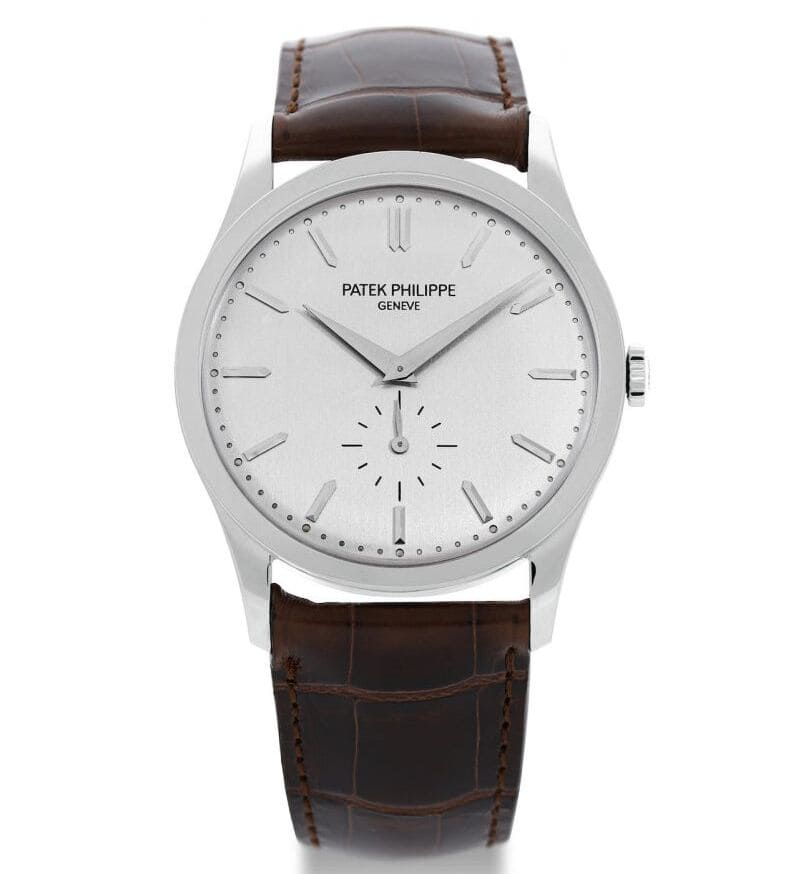
With the 5196, Patek reaffirmed the Calatrava as a connoisseur’s watch: refined proportions, a manual movement, pared-back presence. It’s a watch that speaks to those who like winding their timepiece the way one turns the page of a book: a quiet ritual.
Wearing a Patek Philippe, they say, is “never really owning it”, since the maison insists on passing it on. The line has become a slogan, but it touches a sensitive point: the Calatrava is conceived for the long term. It isn’t an impulse purchase. It resembles those objects that are handed down with a story, not merely with a receipt.
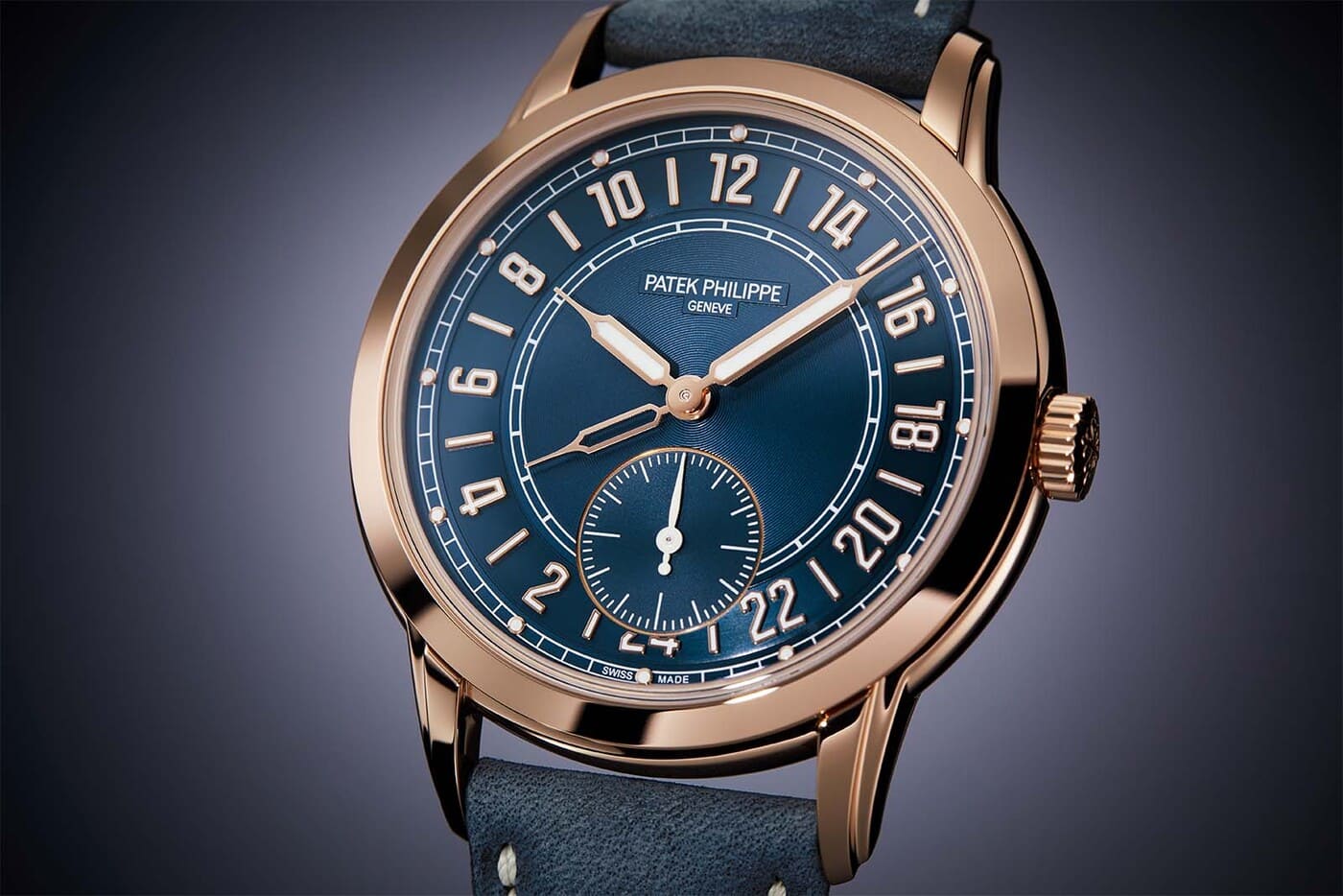
And above all, it escapes a contemporary trap: immediate recognition. Where some watches are designed to be identified from ten metres away, the Calatrava prefers to be understood from thirty centimetres. It’s a conversation watch, not a declaration.
Why the Calatrava embodies watchmaking purity
At heart, the Calatrava is a symbol because it asks a simple question: what is a watch once you’ve removed everything superfluous? At Patek Philippe, the answer isn’t an “empty” design, but a synthesis. A right form, mastered mechanics, demanding finishing, a style that outlives trends.
Watchmaking purity here isn’t an absence. It’s a discreet presence: that of a maison with nothing to prove, and an object that doesn’t need noise to exist. A Calatrava doesn’t give you a role. It underlines yours. What budget for a new Calatrava? Expect €34,000 for the “entry-level” model.