Why Some Watches Increase in Value and Others Don’t

Two watches can come from the same manufacture, share a steel case and offer comparable build quality. One will appreciate over time. The other will be difficult to sell, sometimes at a severe discount. Why do some watches increase in value while others do not? The answer lies neither solely in the beauty of the dial nor in the number of visible jewels beneath the sapphire caseback.
A watch’s value is a less romantic alchemy than it may appear: desirability, rarity, history, condition, availability and trust. The movement matters, of course. But it never works alone.
Rarity: the market’s first law
A watch does not become valuable simply because it was produced in small numbers. Someone must want it, too. A limited edition of 500 pieces of a model with no following will remain a limited edition of 500 pieces of a model with no following. Rarity does not automatically create demand; it strengthens demand when built on a strong identity.
Vintage references from Rolex, Patek Philippe and Audemars Piguet illustrate this mechanism perfectly. Some were produced for only a few years, with distinctive dials, calibres that have since disappeared or very low production numbers. Their market value developed gradually, as collectors identified what made them unique.
Rarity can be structural, when a watch has always been produced in small numbers. It can also become artificial or temporary: the discontinuation of a reference, a movement change, a change in dimensions or the disappearance of a dial colour. A watch recently withdrawn from a catalogue does not necessarily become a collector’s item overnight. The market needs perspective. In watchmaking, patience is often more profitable than excitement.
Desirability matters more than complexity
A complicated movement is expensive to design, assemble and service. That does not automatically mean the watch will resell well. A mechanical perpetual calendar displays the date, day and month, while accounting for leap years. A tourbillon theoretically compensates for the effects of gravity on the regulating organ. A minute repeater sounds the hours, quarters and minutes on demand.
These complications are fascinating. They are not always liquid on the secondary market.
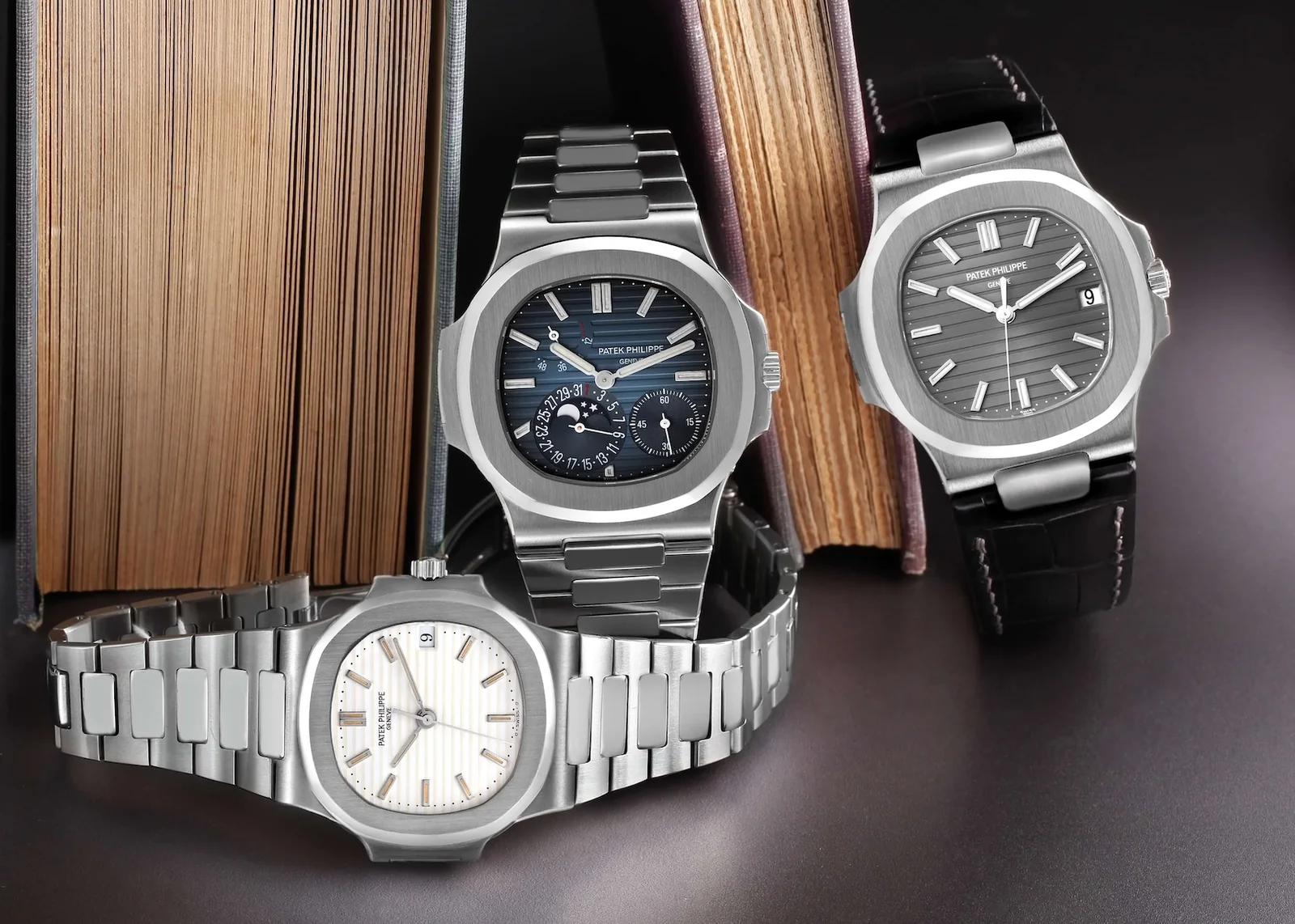
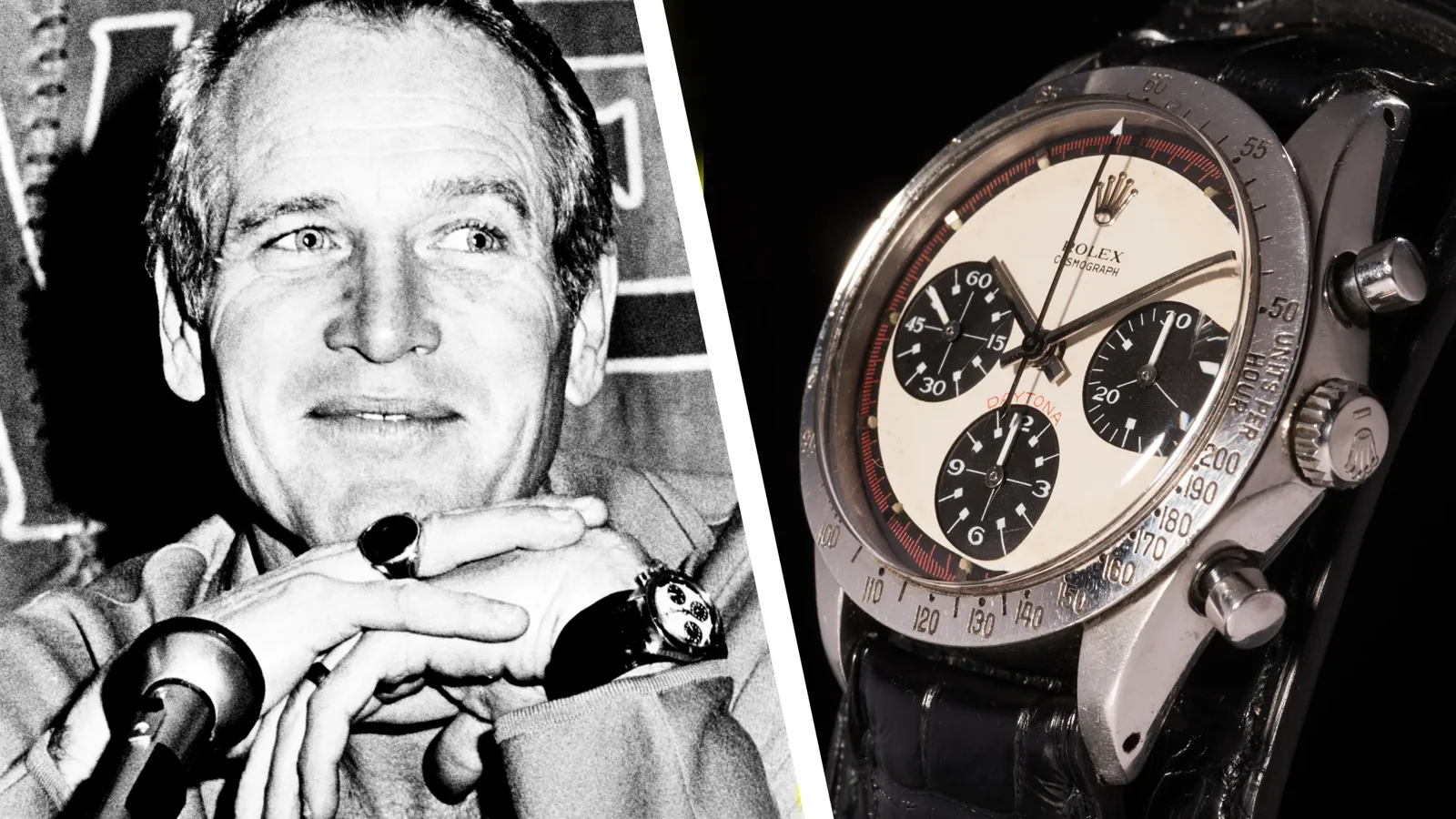
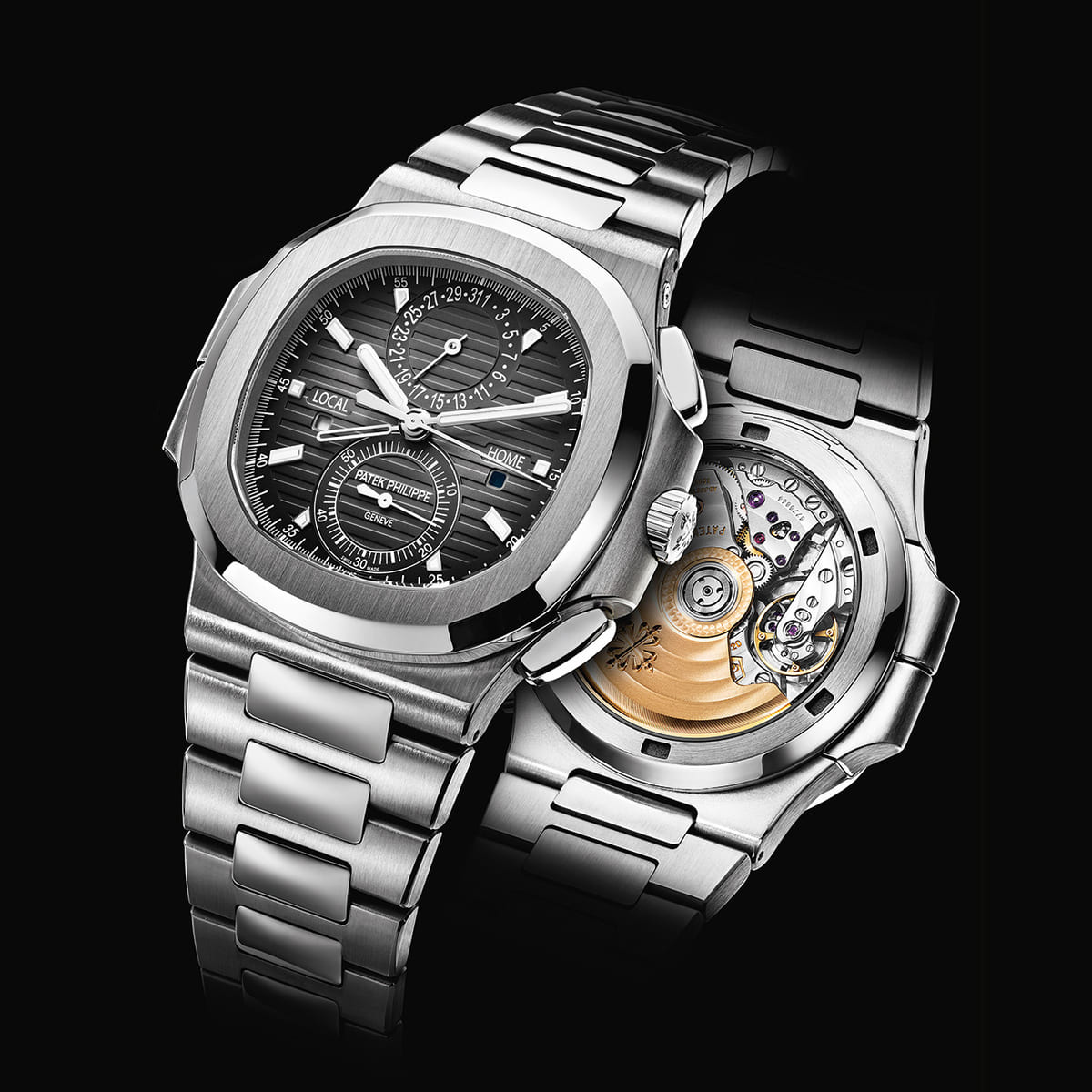
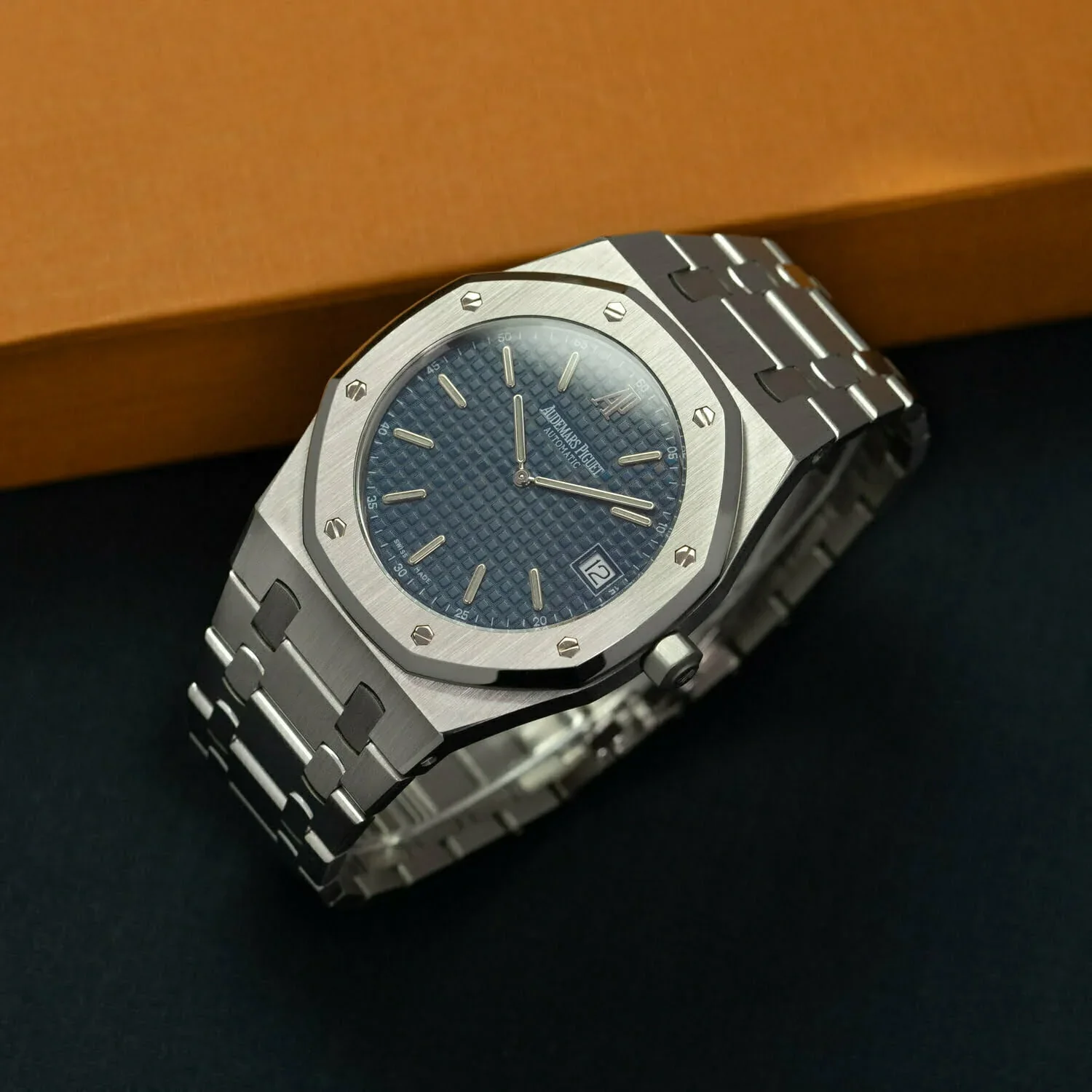
Models that appreciate durably often offer immediate legibility and a recognisable personality. The Rolex Daytona reference 6239, the Patek Philippe Nautilus reference 5711/1A and the Audemars Piguet Royal Oak reference 15202ST all share a strong visual identity. Their value rests not only on their mechanics, but also on the way they have shaped the history of watch design and popular culture.
Paul Newman’s Daytona is an extreme example. The watch worn by the actor sold for $17.75 million at Phillips in 2017. That price reflected more than a Valjoux 72 calibre or an “exotic” dial. It incorporated the provenance, the story, the celebrity and the historical significance of the piece. An ordinary watch can tell the time. A watch with a story can become a document.
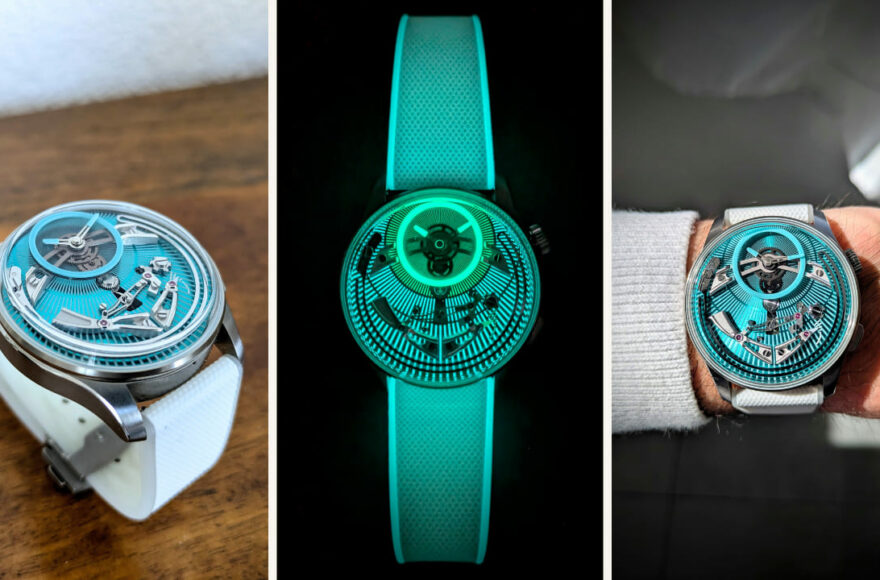
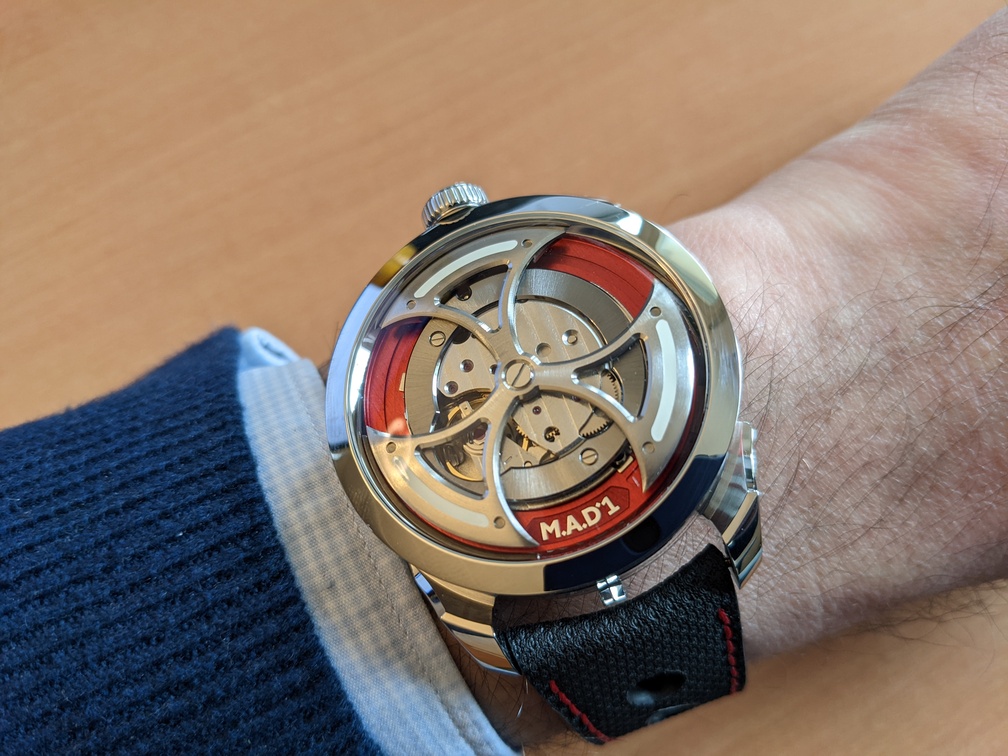
Remember, too, the frenzy surrounding the launch of the M.A.D. 1 RED by MB&F (under the M.A.D. Editions brand). The watch was available only through a draw. It was listed at CHF 16,000 on Chrono24, despite costing CHF 3,000 new.
The decisive role of the brand and reference
In the collector’s market, the name printed on the dial acts as a certificate of trust. It does not guarantee that a watch will appreciate, but it reduces uncertainty. The major houses have archives, service networks and sufficiently well-documented histories to reassure buyers.
The exact reference is just as important. Saying “a vintage Submariner” is not enough. A Rolex Submariner reference 5513 will not have the same value depending on its year, dial, hands, bezel insert, bracelet and condition. A Patek Philippe Nautilus reference 5711/1A is not interchangeable with a rose-gold 5711/1R, nor with an earlier generation.
The difference sometimes comes down to a minute detail: a typeface, a graduation, the presence or absence of an “underline”, the shape of an index or a consistent serial number. To the uninitiated, these nuances may look like fussiness. To the collector, they form the watch’s grammar.
Steel, gold, platinum: the metal does not tell the whole story
The price of the raw material influences value, but it is not the determining factor. A gold watch can lose more value than a steel model if it is less sought after. The phenomenon of steel sports watches demonstrated this spectacularly: their limited availability, versatility and heritage have sometimes created a premium greater than that of yellow-gold or platinum versions.
The steel Patek Philippe Nautilus reference 5711/1A long symbolised this imbalance between list price and market price. Production ended in 2021, fuelling speculation around the final generation. Prices reached on the secondary market were subsequently affected by the broader corrections in the watch market. A useful lesson: a premium is never an acquired right.
Colour also plays a role. Certain blue, salmon, green or “tropical” dials are particularly sought after, but their authenticity must be established. A naturally aged dial is entirely different from one that has been deliberately patinated, repainted or replaced. The line between charm and falsification may be no thicker than a layer of varnish.
Condition, originality and provenance
An old watch does not need to be new to be valuable. It needs to be coherent. A lightly marked case that retains its edges and proportions may be preferable to a piece that has been excessively polished. Polishing removes metal. Overzealous work rounds the lugs, broadens the bevels and erases the geometry intended by the manufacturer.
The presence of original components carries considerable weight: dial, hands, bezel, bracelet, clasp, caseback, box and papers. Accessories do not turn an average watch into a treasure, but a complete set inspires greater confidence and is generally easier to resell.
Provenance is playing an increasingly important role. Invoices, certificates, service history, an archival extract and consistency between the case and movement numbers all help establish the identity of the piece. A collector’s watch without a documented history may still be authentic. It will simply have to do more to convince the buyer.
The movement: important, but not everything
The calibre remains the technical heart of the watch. An in-house movement, a rare architecture, hand finishing or an especially refined construction can support value. Collectors examine bevelled bridges, Geneva striping, perlage, the polishing of the screws, the quality of the regulation and the design of the winding system.
But mechanical nobility is not enough. A reliable, easy-to-service and thoroughly documented calibre may be more sought after than an exceptional movement that is difficult to repair. Servicing costs therefore form part of the equation. A minute repeater or tourbillon requires rare expertise and expensive intervention. A well-designed automatic chronograph will often be easier to live with day to day.
The movement can also influence value when it tells the story of a historical transition. The first automatic chronographs, manufacture calibres from a particular generation or movements used by several houses may appeal to technically minded enthusiasts. Once again, demand has the final say.
The secondary market is not a straight line
The surge in luxury watches between 2020 and 2022 created the impression that certain references could never fall in value. Yet they did correct. The most speculative models were affected by shifts in demand, interest rates, stock available from retailers and the general mood of buyers.
A watch that appreciates over a three-month period is not necessarily a good investment over ten years. Auction-house commissions, intermediaries’ margins, insurance costs, servicing and taxation all reduce the actual return. The price shown in an advertisement is not the price ultimately paid. It is a distinction that enthusiastic screenshots readily overlook.
Liquidity remains an essential criterion. A Rolex Submariner, Cartier Tank or Omega Speedmaster Professional has a deep international market. A more niche piece, however admirable, may wait a long time for its next owner. Theoretical value and ease of resale are not the same thing.
Should you buy a watch in the hope that its value will rise?
The best strategy is to buy a watch you would be happy to keep if its value never changed. That may sound less exciting than a performance chart, but it is more honest. Passion can sometimes protect against market fashions better than speculation can.
Before buying, examine the precise reference, production numbers, condition, originality of the components, service history, actual market price and the seller’s reputation. Brand archives, public auction results and professional transactions make it possible to cross-check the information. No model is immune to a decline, not even the one everyone currently calls “essential”.
A watch appreciates when it brings together several rare qualities: an identifiable history, enduring aesthetics, measured production, relevant mechanics, well-preserved condition and a community ready to seek it out. Everything else is often just background noise.
In watchmaking, value is therefore not found on a label alone. It is concealed in a reference number, a patina, a calibre, an old invoice or a well-documented story. And sometimes in a watch’s strange ability to become more interesting after it has ceased to be made.