Why Do Polished-Steel Watches Scratch More Easily Than Brushed Models?
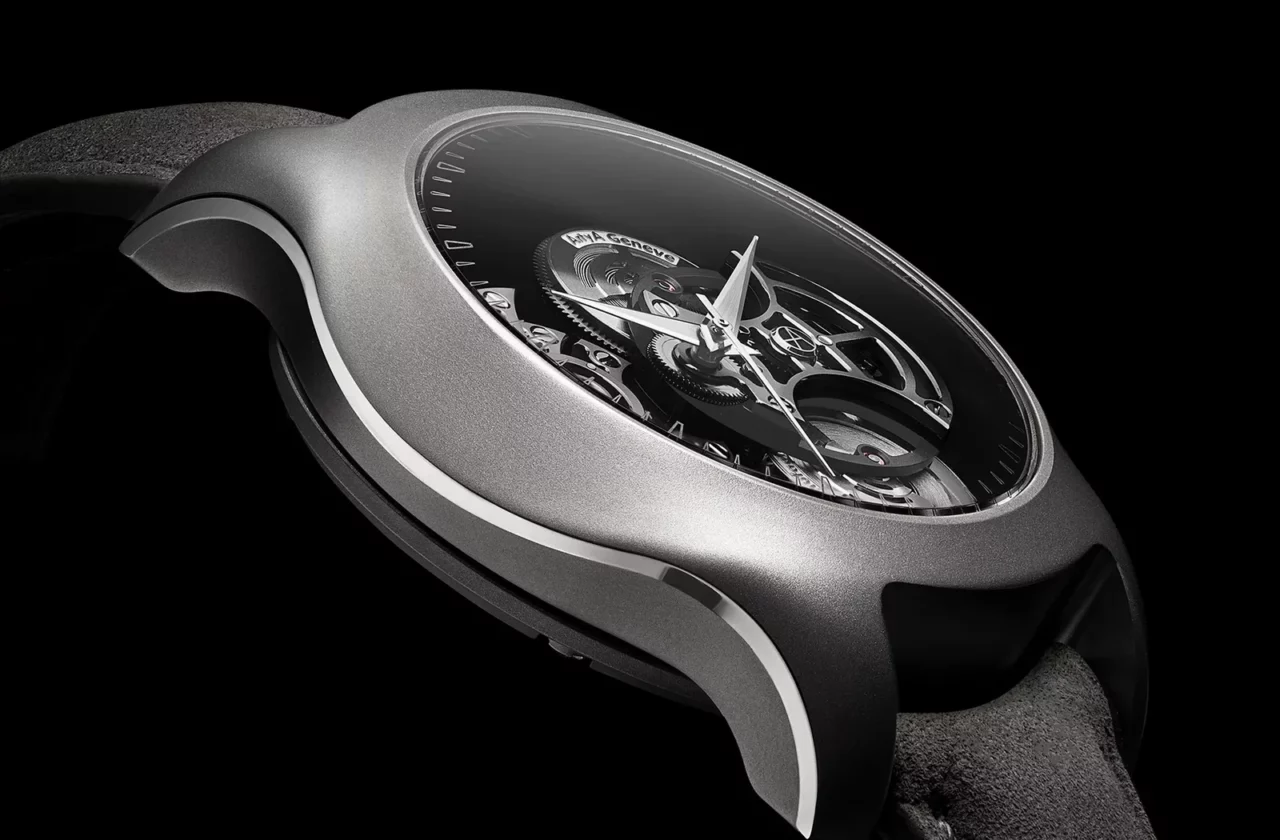

A polished steel watch does not necessarily scratch more easily than a brushed one. It simply gives you much more to see. With the same material, the difference lies first and foremost in the surface finish, in the way light reveals marks and in the difficulty of removing them cleanly. Behind this seemingly aesthetic distinction lies a small lesson in metallurgy, case geometry and collector psychology.
Polished or brushed steel: a question of finish before one of resistance
In watchmaking, “polished steel” and “brushed steel” do not refer to two different metals. They are two surface finishes applied to the same case, usually made of 316L stainless steel, sometimes 904L steel or proprietary alloys.
Polishing aims to make the surface as smooth and reflective as possible. Microscopic irregularities are reduced through the successive use of abrasives until the characteristic mirror effect appears on the case sides, bezels or chamfers. Brushing, by contrast, deliberately creates a regular texture made up of fine parallel lines. The surface is not necessarily finished to a lower standard. It is simply finished differently.
Scratch resistance depends primarily on the hardness of the material that comes into contact with the watch. A key, a bag buckle, a metal clasp, the edge of a desk or mineral particles can mark steel. Dust itself is not always harmless: it may contain quartz or other elements harder than steel.
A mirror finish therefore does not automatically make steel softer. It makes marks far more visible.
Why scratches stand out more on a polished surface
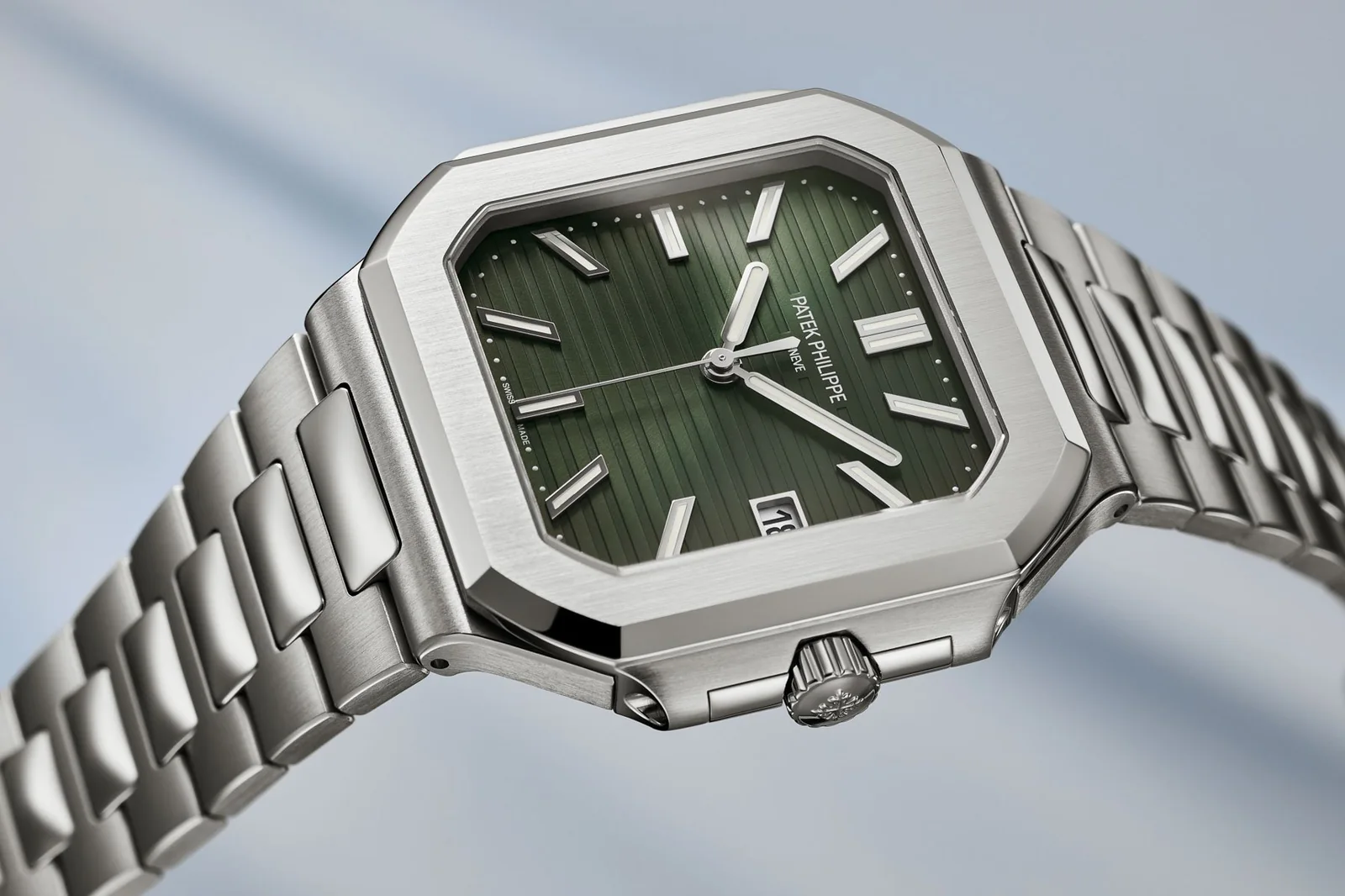
Light is the true public prosecutor of polished cases. A mirror surface reflects light in a relatively orderly fashion. As soon as a scratch crosses it, even a superficial one, it scatters that light. The mark then appears as a bright, dark or whitish line, depending on the viewing angle.
On a brushed surface, the existing lines already create a visual direction. A micro-scratch running parallel to the brushing can almost blend into the background. It has not disappeared, but it is concealed within the overall pattern. A perpendicular, deep or irregular scratch, however, will be highly visible—sometimes more so than on a polished area.
This is why a fully brushed watch often retains a calmer appearance after several months of wear. The marks merge into the texture. A watch with broad polished surfaces, particularly on its case sides and links, quickly acquires the owner’s patina—something some collectors appreciate and others contemplate with the solemnity of a museum curator.
Steel hardness is not the whole story
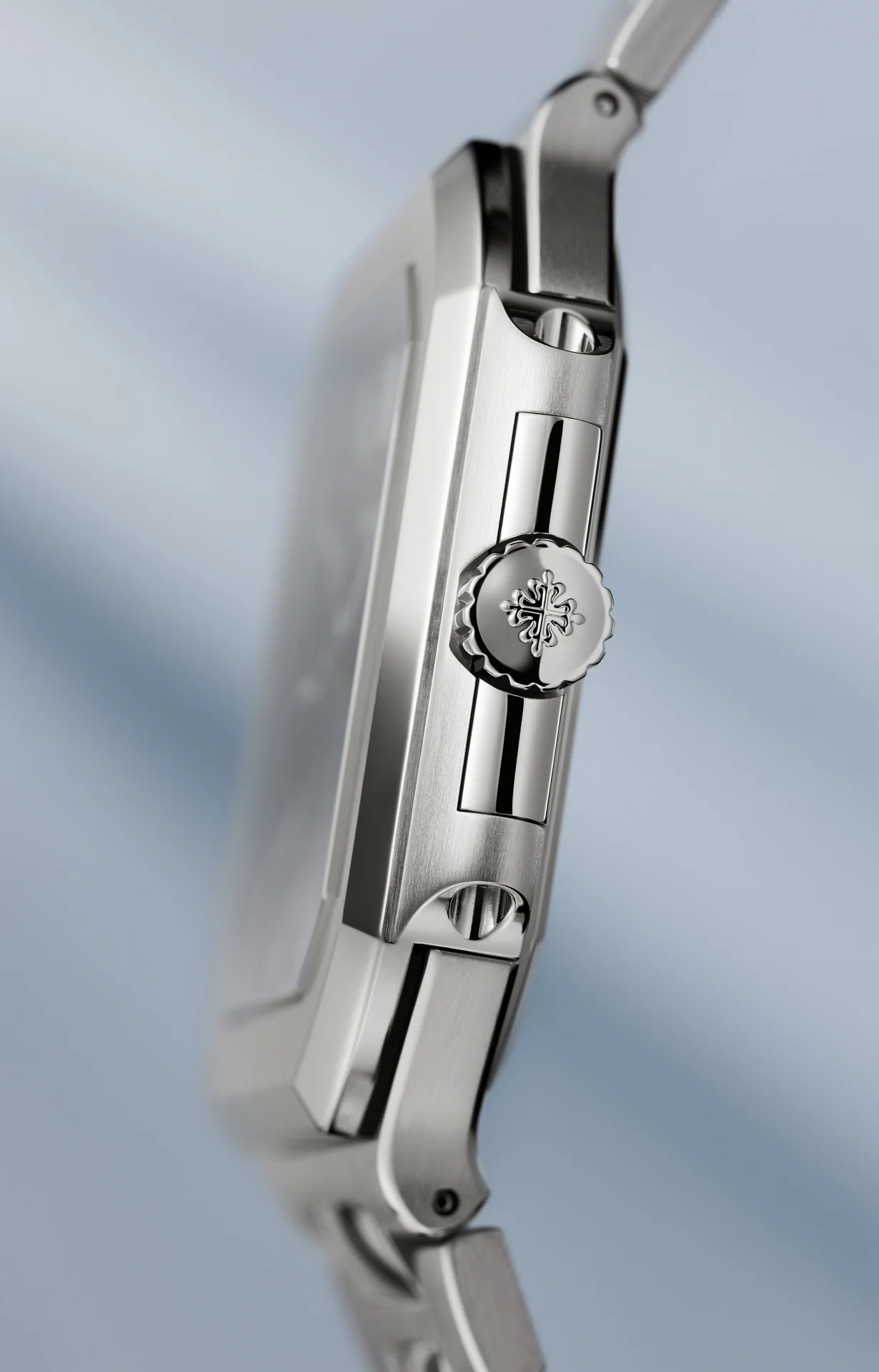
Watch cases are generally made of 316L stainless steel. This alloy offers good corrosion resistance, excellent machinability and the robustness required for everyday use. 904L steel, used by Rolex under the Oystersteel name, among others, performs better in certain corrosive environments, but it should not be mistaken for a steel that is miraculously immune to scratches.
Hardness and corrosion resistance are two different properties. A material may easily withstand humidity, perspiration and salt water while still being marked by contact with a harder object. The alloy’s composition, heat treatments, work hardening and any coatings all play a role, but the surface finish remains decisive in how ageing is perceived.
It is also important to distinguish a scratch from deformation. A scratch is damage to the surface, caused by a harder material or sufficient pressure. A dent, a flat spot or a piece of displaced material is more likely to result from an impact. Polishing can lessen certain scratches, but it cannot put displaced metal back into place.
Brushing conceals marks; it does not prevent them
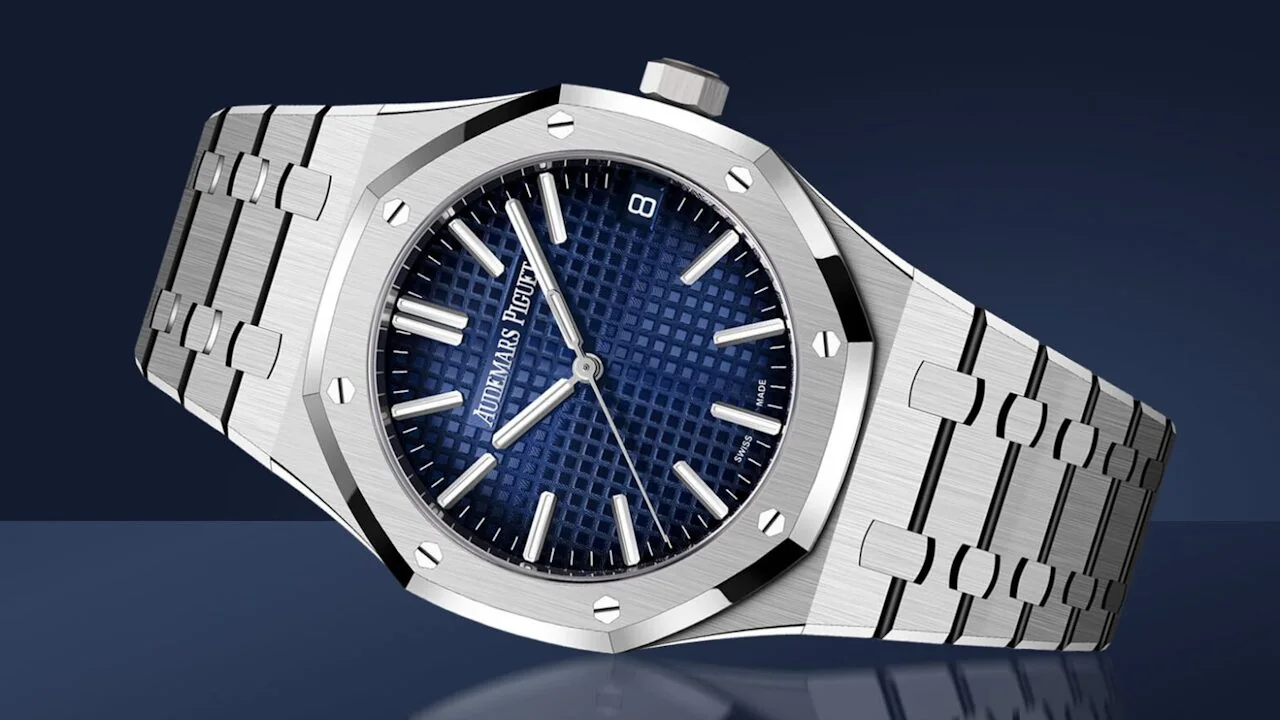
Brushing is often presented as the more practical finish. Visually, that is true—but only up to a point. Its regular lines absorb longitudinal micro-scratches and give the case a more uniform appearance. A diagonal mark, however, a chip on an edge or a deep scratch immediately disrupts the rhythm of the surface.
A brushed bracelet illustrates the phenomenon perfectly. Small daily contacts with a desk or table leave marks that blend into the direction of the satin finish. Contact with a sharp edge, however, can create a clean cut. The contrast between the brushed background and the exposed metal then draws the eye.
Brushing can also wear away. Areas that rub against clothing, shirt cuffs or neighbouring links gradually become smoother. The watch then loses some of its original texture, especially along the edges and on surfaces that are frequently in contact with other objects.
Why polished surfaces are more difficult to restore
A micro-scratch on a polished area can often be removed with a light refinishing. The process involves removing a very small amount of metal around the mark in order to recreate a flat, reflective surface. The problem arises when the scratch is deep or when there are many of them.
Every polishing operation removes material. On a quality watch, the case is not simply a block with approximate contours. Its proportions have been calculated to within a tenth of a millimetre: lug width, case profile, sharpness of the chamfers, bezel thickness and the transition between polished and brushed surfaces. Overly aggressive polishing can round an edge, widen a surface, soften an engraving or alter the overall geometry.
Cases alternating between polished and brushed finishes are particularly demanding. The boundary between the two must remain precise. On a watch with polished chamfers, such as certain high-watchmaking creations or Grand Seiko models, the quality of the restoration depends as much on preserving the angles as it does on removing the scratch.
A simple pass on a polishing wheel is therefore no universal solution. The work should be entrusted to a workshop capable of reproducing the original satin finish, its direction and the exact width of each area. A watch may emerge looking shiny, but incorrect. It is a form of cosmetic surgery for watches, with sometimes fewer visible scars but consequences that are just as lasting.
Can coatings make a watch more resistant?
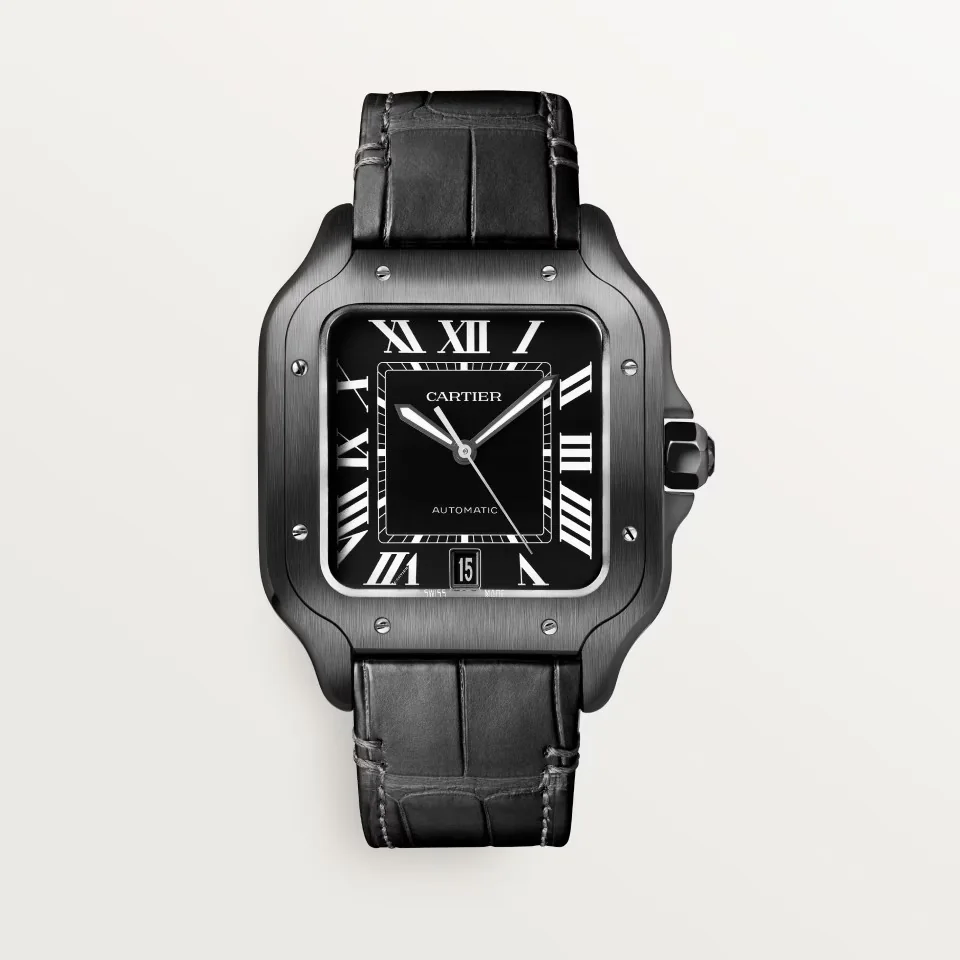
Some cases receive a surface treatment, such as DLC, PVD or specific hardening treatments. DLC, or “Diamond-Like Carbon”, forms an extremely hard carbon-based layer. It can improve scratch resistance, but its effectiveness depends on the coating’s thickness, its adhesion and the nature of the impact.
A black coating may withstand minor aggressions remarkably well—until a deep impact reaches the underlying steel. The mark then reveals a particularly visible bright contrast. In addition, a treated surface cannot be restored in the same way as conventional polished steel. It may be necessary to remove the coating entirely and apply a new treatment, a more complex and expensive operation.
Titanium, often appreciated for its lightness, illustrates another limitation: it can be more susceptible to superficial marks than steel, despite its mechanical qualities. Once again, weight, hardness, corrosion resistance and ease of finishing are not the same thing.
How to limit scratches in everyday wear
- Avoid wearing the watch during activities in which it may come into contact with abrasive surfaces or metal tools.
- Do not place the case directly on a stone table, worktop or dusty surface.
- Rinse the watch with fresh water after exposure to salt water, provided its water-resistance rating and screw-down crown allow it.
- Clean it with a clean microfibre cloth, without rubbing a dusty surface while it is dry.
- Do not attempt to recreate a brushed finish with an abrasive sponge or sandpaper. The result will almost always be uneven.
- Ask the workshop to preserve the edges and the transitions between finishes during any cosmetic refinishing.
A folding clasp deserves particular attention. It rubs against the desk, absorbs the knocks of daily life and can mark the underside of the wrist before its owner even notices. On a watch with an integrated bracelet, contact between the links and the case also creates natural areas of friction.
Should you choose a brushed watch over a polished one?
Not necessarily. The choice depends on how you want your watch to age. A brushed finish is more forgiving of micro-scratches and retains a uniform appearance for longer. A polished finish immediately reveals contact marks, but it can also give the case a depth and presence that satin finishing cannot match.
In many cases, the best solution lies in combining the two. Brushing structures the main surfaces, while polishing highlights an edge, bezel or chamfer. When the proportions are right, light flows across the case and the marks of time become almost part of the design.
The real conclusion is less spectacular, but more accurate: a polished watch does not necessarily scratch more easily than a brushed one. Its scratches are simply more visible, more difficult to conceal and sometimes more delicate to correct without altering the geometry of the case. A brushed watch does not resist every form of damage better. It simply tells the story more discreetly.
In both cases, the best form of care remains a degree of restraint. A watch is a precision instrument, but it is also an object made to be worn. Trying to keep it forever in its out-of-the-box condition means denying part of what makes it interesting: the measured traces of time, provided they were not inflicted by an orbital sander.