What Is a Grand Feu Enamel Dial?
Grand Feu enamel dials: the unforgiving art of fire
What is a Grand Feu enamel dial? Put simply, it is a dial coated with powdered glass, fired at very high temperature, then vitrified in successive layers until it achieves that deep, almost liquid surface that neither time nor light seems truly able to touch. Put less simply, it is one of the most thankless and magnificent exercises in traditional watchmaking.
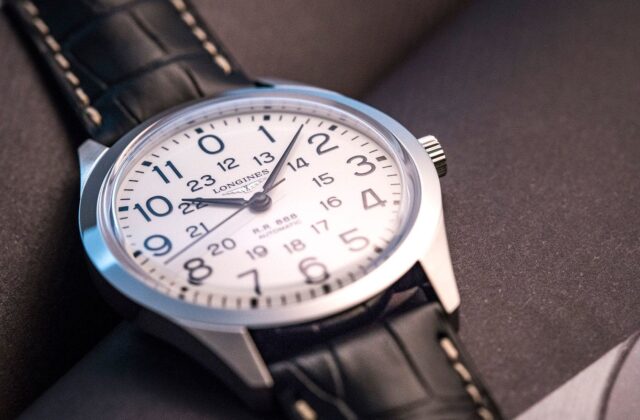
A Grand Feu enamel dial does not try to shine like lacquer, nor to seduce like a well-executed sunburst finish. It asserts something else. A presence. A luminous coolness. An optical density you understand better with the watch in hand than in a photograph, as is often the case with truly beautiful things, which is rather inconvenient for algorithms and people in a hurry.
What does “Grand Feu” mean in watchmaking?
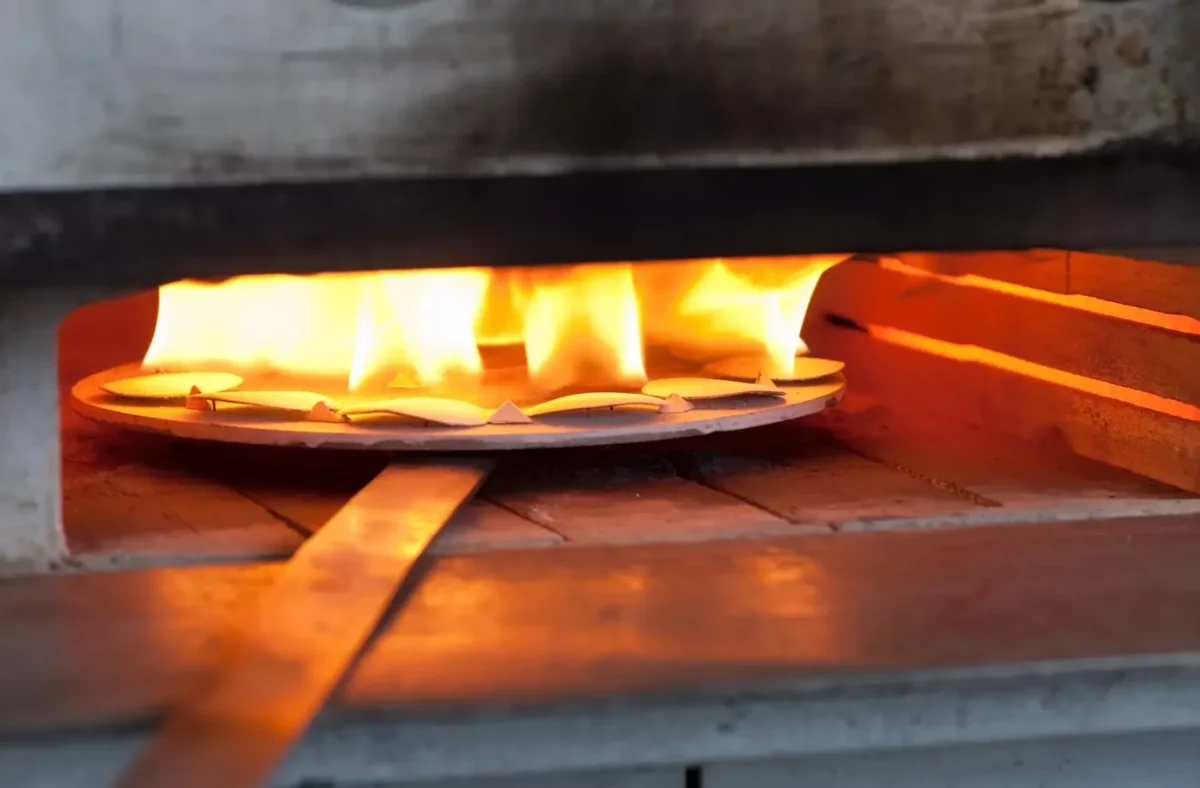
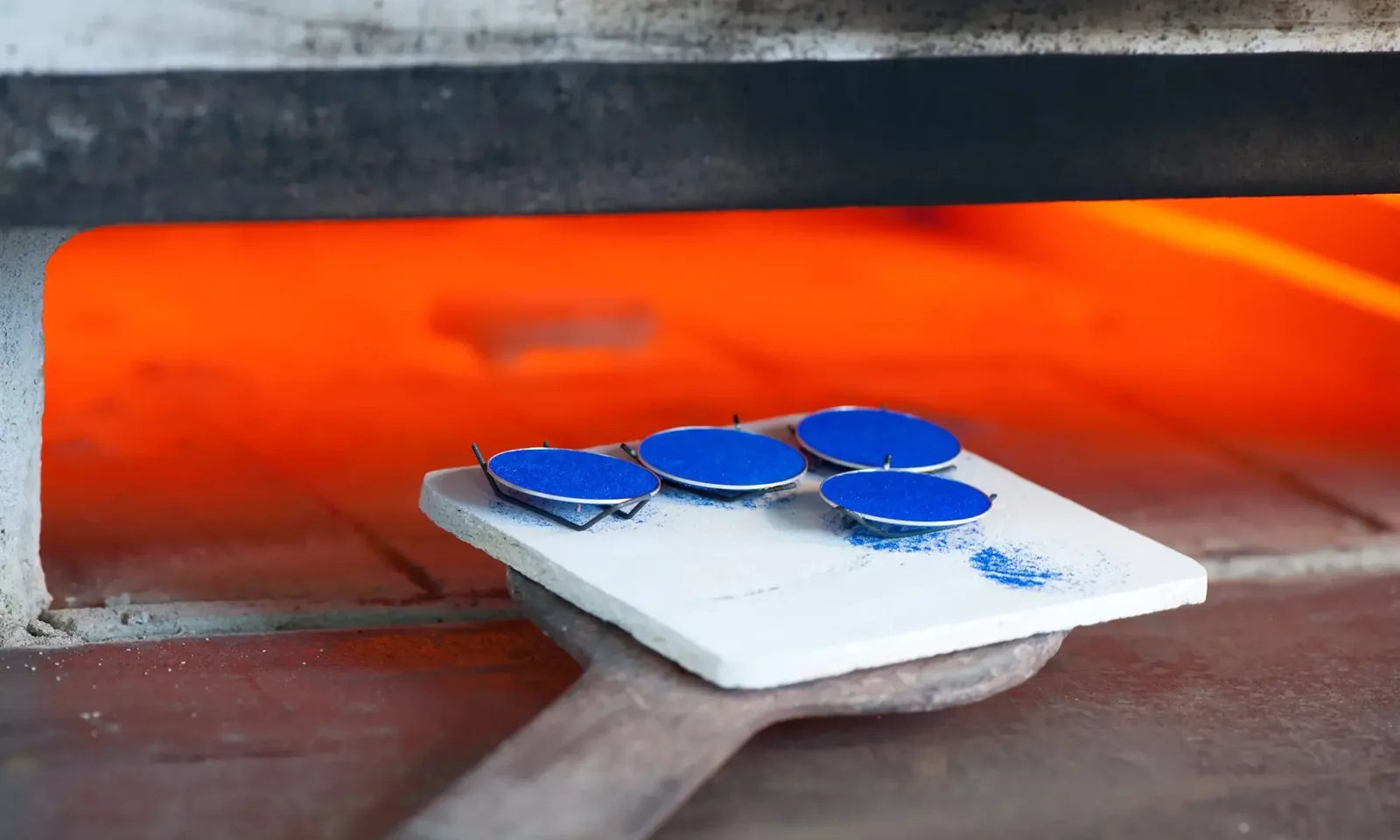
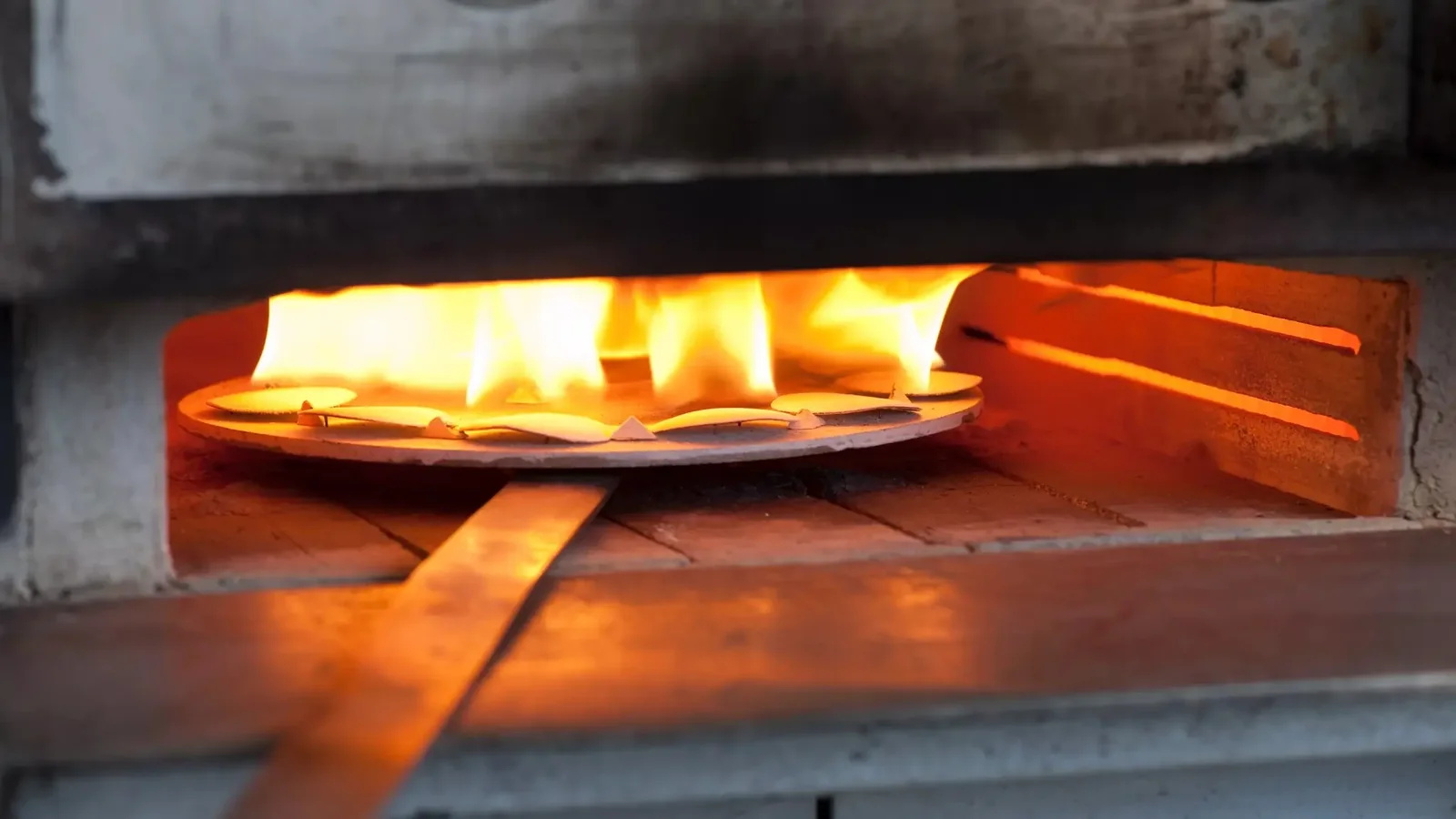
The term “Grand Feu” refers to a high-temperature vitrified enamelling technique, generally between 750 and 900°C depending on the compositions, colours and workshops. Enamel is a mixture of silica and metal oxides, ground into a very fine powder, then applied to a metal base. In the case of a dial, that base may be copper, silver, or sometimes gold. It is then fired in a kiln. The powder melts, vitrifies, stretches, then sets.
That is the elegant version. In real life, the dial may warp, crack, blister, change colour, become covered in micro-bubbles or emerge from the kiln looking like a high-school chemistry experiment. Grand Feu enamel is beautiful because it is difficult. Not because it is practical.
Each firing is a gamble. The artisan applies a layer, fires it, lets it cool, inspects it, sometimes grinds it, then starts again. Three, five, eight firings, sometimes more. A successful dial depends on a succession of tiny decisions: powder thickness, humidity, temperature, firing time, cooling speed. The slightest excess is paid for immediately.
How is a Grand Feu enamel dial made?
The process varies from one manufacture to another, but the major stages remain fairly consistent. And they explain why an enamel dial is never quite a dial like any other.
Preparing the plate
It all begins with a thin metal plate. It must be perfectly prepared, because enamel does not forgive internal stresses. On traditional dials, counter-enamel is often applied to the back of the plate to balance the tensions created by vitrification. Without it, the plate can arch like an old frying pan left on the stove.
Applying the enamel
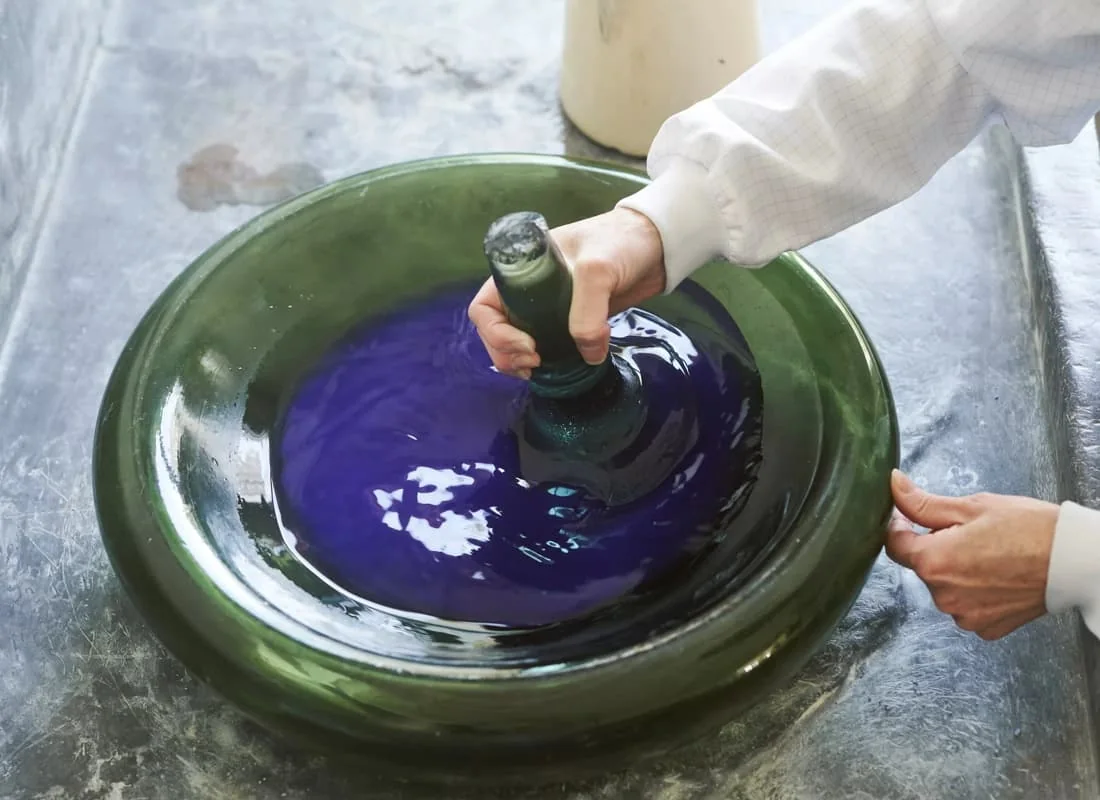
The enamel, ground into powder, is washed, sifted, then laid down in even layers. It may be applied wet or dry depending on the technique. Artisans speak of a living material, and for once the phrase is not a press-release affectation. Powder that is too coarse, a layer that is too thick, a surface unevenly distributed, and the final result loses its purity.
Firing in the kiln
Then comes the moment of Grand Feu. The dial enters the kiln, the powder becomes glass, the colours reveal themselves — or betray themselves. Certain shades are notoriously temperamental. Grand Feu white, for instance, is formidable because it shows everything: the slightest impurity, the smallest surface flaw. Blue demands fine control of the oxides. Black, meanwhile, can become superb or desperately flat.
Polishing and finishing
After several firings, the dial is sometimes polished with stone or diamond to obtain a perfectly flat surface. The inscriptions may then be printed, and sometimes fired in turn depending on the method. The indices may be painted, applied, or integrated differently according to the style of the watch. In every case, the challenge is the same: not to ruin, in a few finishing gestures, hours of work spent on the edge of disaster.
Why is a Grand Feu enamel dial so sought after?
Because it ages better than almost anything else. A lacquered dial can scratch, dull, or show marks. A galvanic dial can evolve, sometimes beautifully, sometimes much less so. A Grand Feu enamel dial, by contrast, retains remarkable stability. It does not yellow like certain old paints, does not fade easily, and does not fear light in the same way. It is glass. Fragile to impact, yes. But chemically very stable.
This permanence explains the aura surrounding vintage watches fitted with enamel dials. Think of certain historic Patek Philippe Calatrava models, notably the reference 2526, often cited among the most beautiful post-war enamel dials. When the dial has survived without a crack, it sometimes seems younger than the case around it. It is rather unsettling. The watch ages; the dial resists.
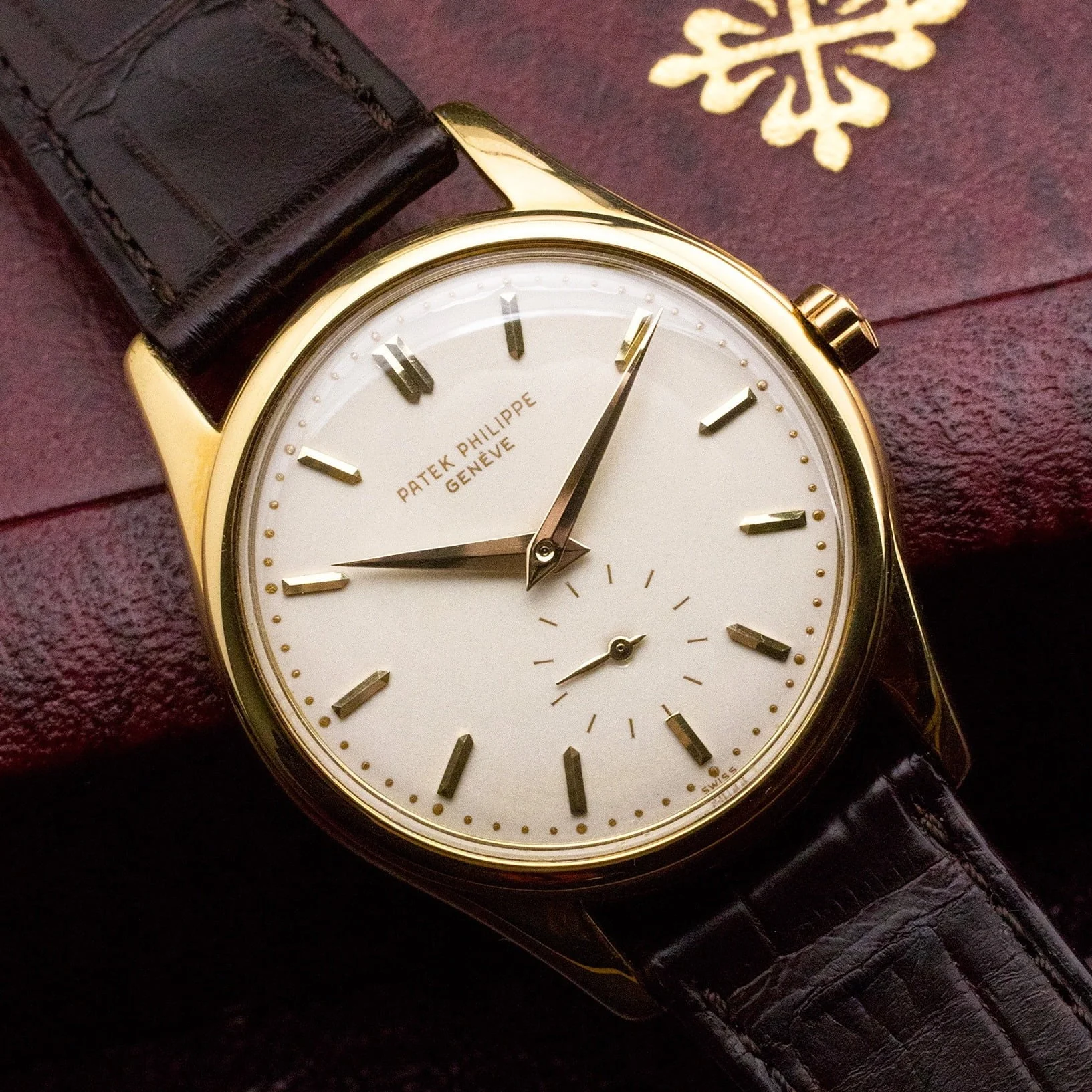
There is also a more intimate reason: enamel possesses a depth that industrial processes imitate poorly. Light does not simply bounce off the surface; it seems to enter the material before returning. On a beautiful Grand Feu white dial, black numerals appear to float above a mineral milk. On a blue dial, the colour can take on an almost nocturnal density.
Grand Feu, lacquer, ceramic: what are the differences?
The confusion is common, and sometimes encouraged with an enthusiasm that could do with a little lexical restraint. No, not every glossy dial is an enamel dial. No, a pretty black lacquer does not become “Grand Feu” because it happened to encounter a kiln in a presentation sentence.
- Lacquer is an organic or synthetic finish applied in layers, often polished with great care. It can be splendid, but it does not vitrify like enamel.
- Ceramic is a hard technical material, often used for cases, bezels or occasionally dial elements. Its industrial and physical logic differs from that of traditional enamel.
- Grand Feu enamel is glass fused onto metal. Its beauty comes from fusion, risk, and the controlled transparency or opacity of the vitrified material.
This is not about drawing a crude hierarchy. Urushi lacquer can be deeply moving. A ceramic dial can be technically fascinating. But Grand Feu enamel belongs to another family: that of watchmaking métiers d’art, where one accepts losing a great deal in order to achieve very little.
The main families of enamel dials
Grand Feu is not a single aesthetic. It is a technique that opens several paths, some restrained, others frankly virtuosic.
Plain enamel
This is the purest, and often the most unforgiving. A white, black, ivory or blue dial, with no unnecessary decoration. At Breguet, for example, certain Classique models with Grand Feu enamel dials, such as the reference 5177, exploit this tension between an immaculate surface, Breguet numerals and a chemin de fer minute track. Nothing is hidden. Everything is visible.
Champlevé enamel
The metal is hollowed out to receive enamel in recessed areas. After firing and polishing, the enamelled zones sit flush with the surface. An ancient technique, widely used for decorative motifs, maps, scenes or dials with a strong graphic presence.
Cloisonné enamel
Fine metal wires trace outlines that form compartments, which are then filled with enamel. This is the technique of world maps, animals and miniature landscapes. Ulysse Nardin, Patek Philippe, Vacheron Constantin and Jaeger-LeCoultre have often used it in their métiers d’art pieces.
Flinqué enamel
Here, a guilloché pattern is carved into the metal, then covered with translucent enamel. The decoration remains visible beneath the vitrified layer. It is one of the most beautiful encounters between guillochage and enamelling, provided the dial is not turned into a doily under glass.
Paillonné enamel and grisaille
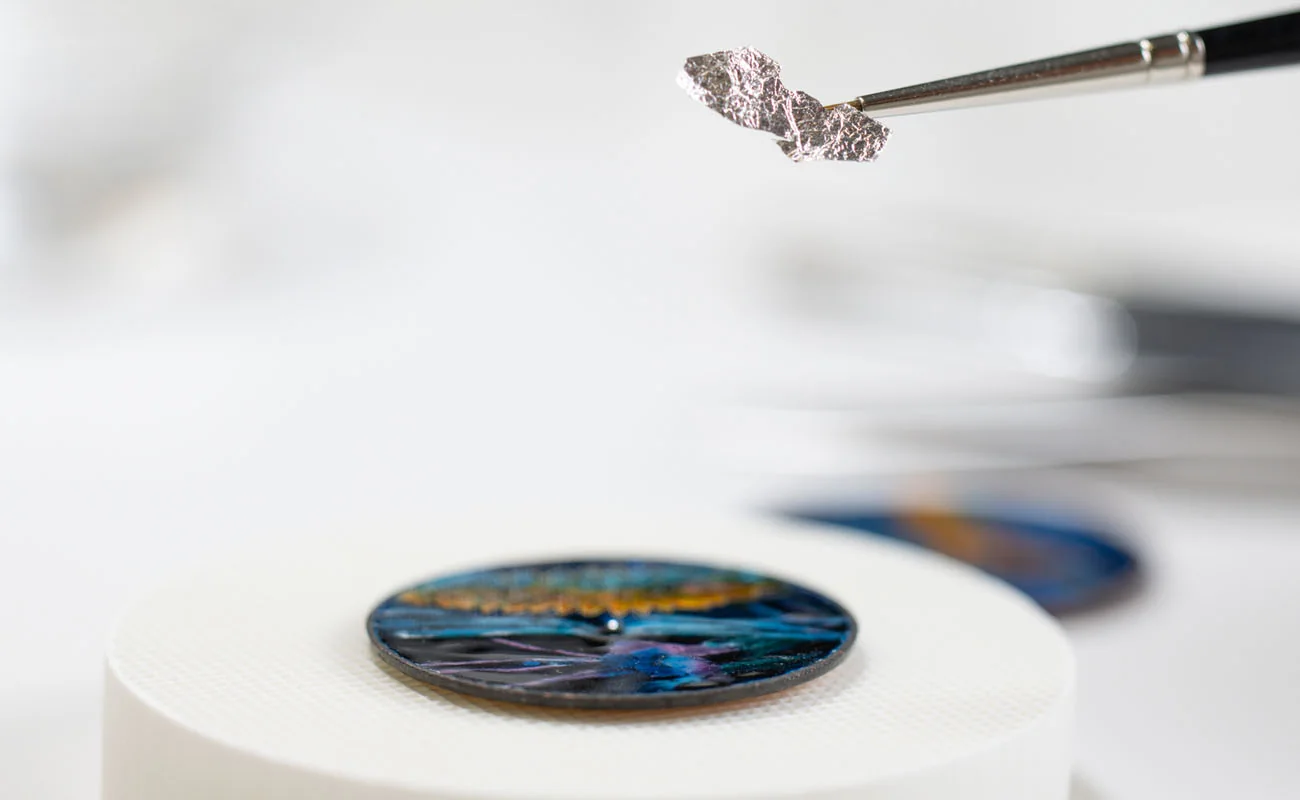
Paillonné incorporates tiny gold or silver spangles into the enamel. Grisaille, often executed on a black ground, plays with layers of white enamel to create volume and shadow. In both cases, we leave the functional dial behind and enter the realm of miniature art.
Why are these dials expensive?
The price of a Grand Feu enamel dial is not only due to the nobility of the gesture. It is above all due to the rejection rate. A manufacture may lose several dials before obtaining a perfect one. And “perfect”, in enamelling, does not mean sterile. It means free of troublesome flaws, without cracks, without dust trapped in the material, without visible stress, without unacceptable variation.
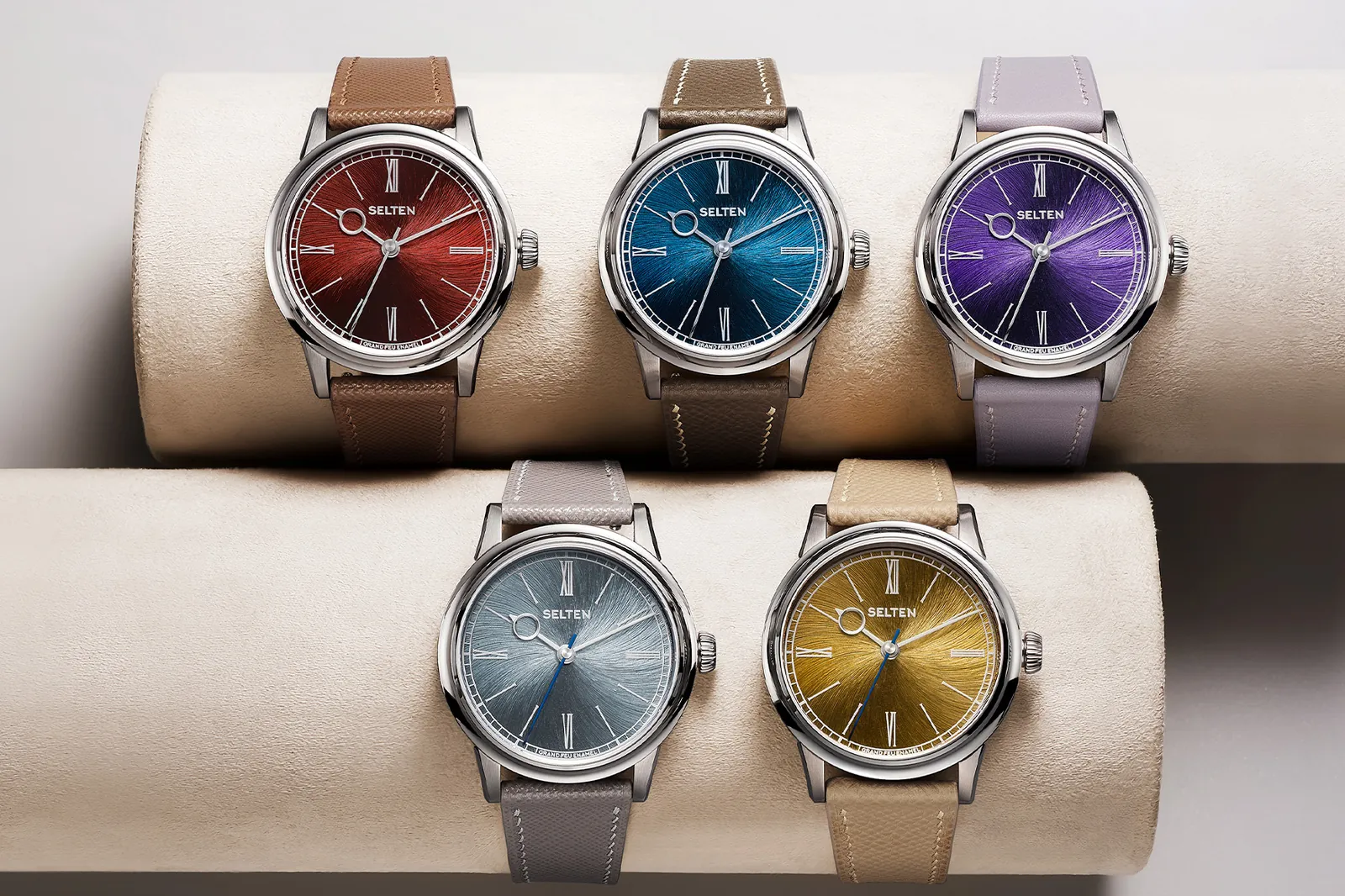
This difficulty explains why watches with Grand Feu dials often appear in higher segments. A Breguet Classique 5177 in gold with a Grand Feu enamel dial usually sits in a price range of several tens of thousands of euros, depending on the metal, the exact reference and the market. At Patek Philippe, Vacheron Constantin or Jaeger-LeCoultre, enamelled métiers d’art pieces are frequently offered in limited series, sometimes with price on request. Unofficial translation: if you have to ask twice, your banker has already hung up.
At the other end of the spectrum, independent houses such as anOrdain have helped bring vitrified enamel back into a more accessible conversation, with watches produced in small quantities and handmade dials. It is not the same watchmaking as a grand complication from Geneva, but that is precisely what makes the subject interesting: Grand Feu is not confined to a single aesthetic vocabulary.
How can you recognise a genuine Grand Feu enamel dial?
The first rule is simple: read the exact words. “Émail Grand Feu”, “vitreous enamel” or “fired enamel” generally refer to the authentic technique. Terms such as “enamel-like”, “lacquered enamel effect” or “enamel finish” should raise an eyebrow. Not necessarily make you run away. Just raise an eyebrow.
Visually, a Grand Feu dial often has a particular depth, an extremely smooth surface, and sometimes very slight irregularities visible under strong magnification. The edges of apertures, around a date window for example, can reveal the nature of the material. On vintage dials, fine hairline cracks also betray enamel, though that is obviously not a box one hopes to tick on a new watch.
One should also be wary of photographs. Enamel is difficult to capture. A white Grand Feu dial may look flat in an image and extraordinary on the wrist. Conversely, a very well photographed lacquer dial may be more seductive on a screen. Watchmaking remains a matter of real light, volume and distance. That is inconvenient when buying from the sofa, but excellent for justifying a visit to a retailer.
Is a Grand Feu enamel dial fragile?
Yes and no. I hate that answer, but it makes sense here. Chemically, it is remarkably stable. Mechanically, it remains glass on metal. A violent impact can crack it. Poor handling during servicing can damage it. Uneven pressure, a hand removed carelessly, and the masterpiece becomes an expensive lesson.
In normal use, however, it does not require absurd precautions. Above all, the watch should be entrusted to competent watchmakers, amateur tinkering should be avoided, and one should remember that an enamel dial cannot be “redone” like a painted dial. Restoring it is complex. Replacing it is sometimes impossible. Preserving it, on the other hand, is one of the great pleasures of collecting.
Why Grand Feu enamel still moves us
In an era saturated with textured, smoked, gradient, meteorite, forged-carbon, skeletonised dials and other more or less necessary demonstrations, the Grand Feu enamel dial retains a strange power. It does not need to gesticulate. It does not express performance through brutality, but through mastery of risk.
A beautiful Grand Feu enamel dial is silence worked in the kiln. A simple surface, but not a simplistic one. An ancient material, but not a nostalgic one. It reminds us that haute horlogerie is not only a matter of tourbillons, perpetual calendars or interminable power reserves. Sometimes, all the poetry of a watch resides in that fragile disc: white like impossible porcelain, black like a polished night, blue like a flame that has cooled.