What Is a Bridge in Watchmaking and What Is It Used For?
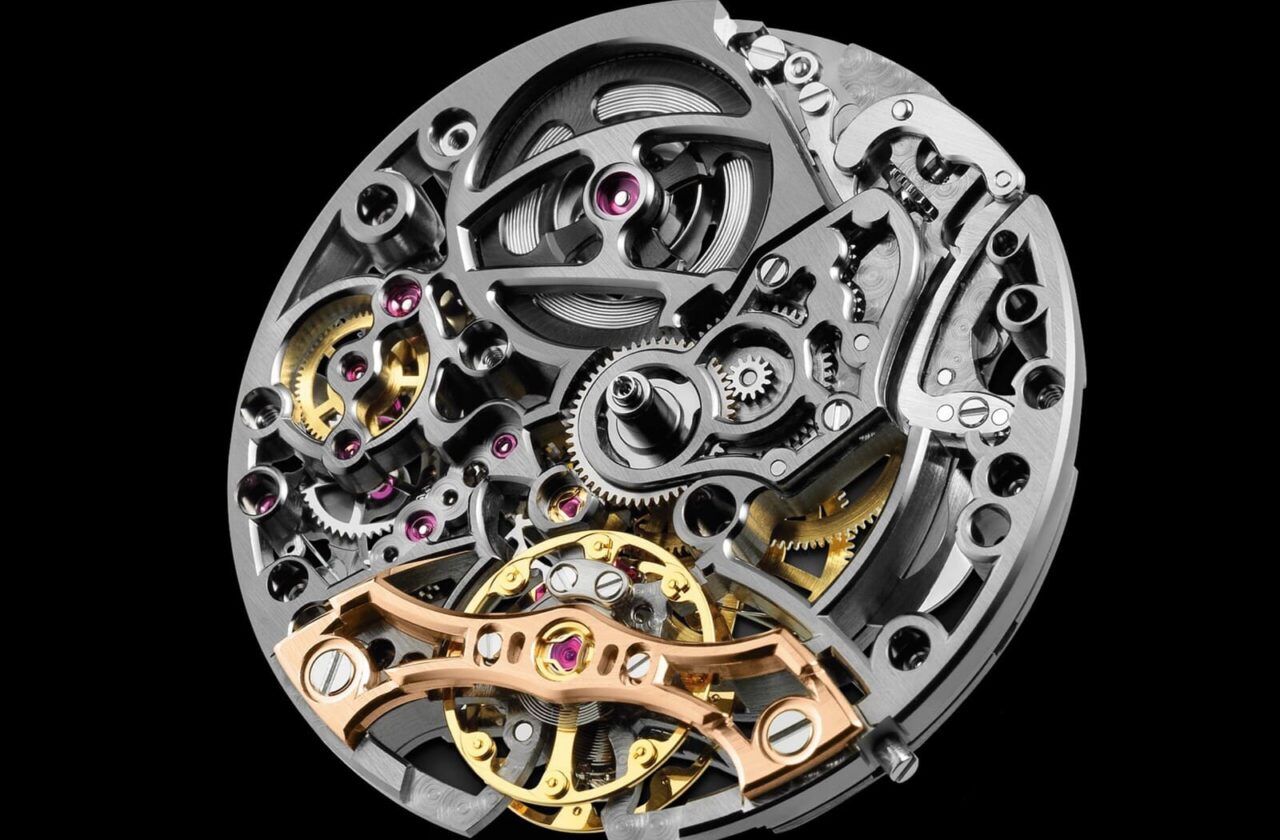

The bridge: an invisible yet essential architecture
Deep within a mechanical movement, the watch bridge plays a role that is almost never noticed—unless you take the time to turn the watch over… or take it apart. And yet, without it, nothing holds together. Literally.
In watchmaking, a bridge is a structural component of the movement. It secures the various gears, pivots, and mechanical parts in place by fixing them to the mainplate, which forms the base of the calibre. It can be compared to a beam in a framework—except here, precision is measured in microns, and the slightest deviation can compromise the entire operation.
A bridge is therefore not just a decorative metal part, even if high-end watchmaking has turned it into a canvas for aesthetic expression. It is a component of constraint, precision, and stability.
Bridge vs mainplate: understanding the structure of a movement
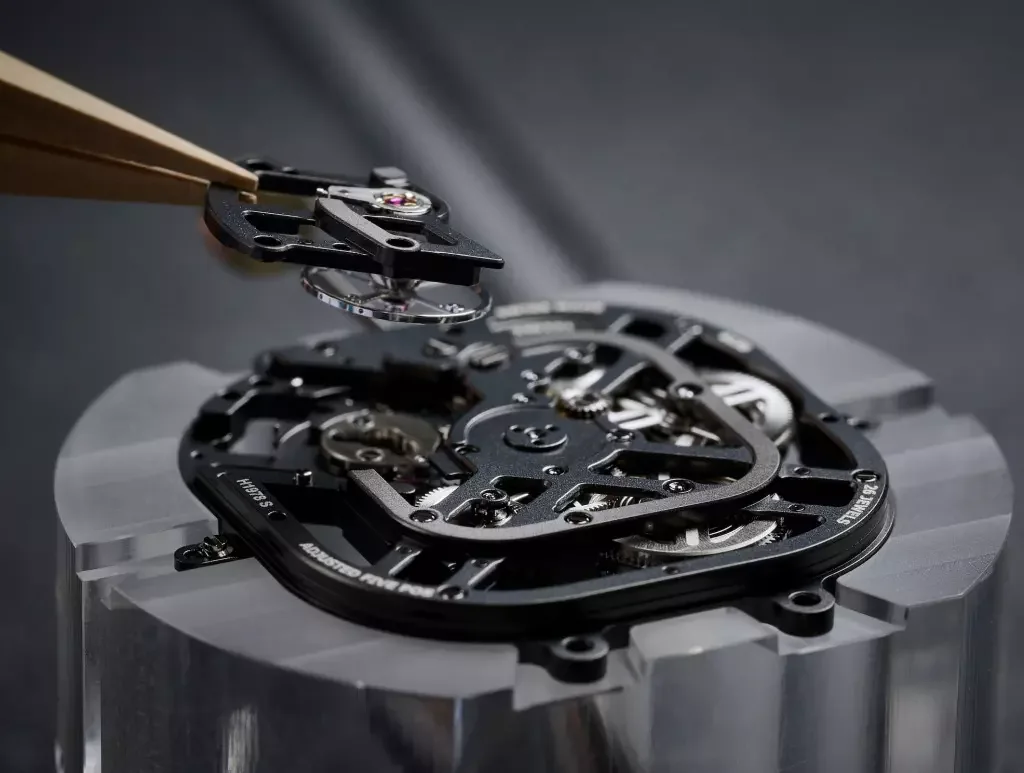
To fully grasp the role of a bridge, we need to go back to the fundamental architecture of a calibre. It relies on two main elements:
- the mainplate, the base plate on which everything is installed
- the bridges, fixed above to hold the components in place
Between the two, the wheels, arbors, and moving parts are effectively sandwiched. The pivots of the wheels rotate in jewels, which are themselves set either in the mainplate or in the bridges. The result is a perfectly aligned, stable, and durable system.
Without bridges, each wheel could shift, vibrate, or even come off its axis. With bridges, everything is constrained with surgical precision.
A simple image: imagine a gear train placed on a table. Without a structure above to hold it in place, it wouldn’t function. The bridges are that structure.
A critical mechanical role: rigidity and precision
The watch bridge does more than simply hold parts in place. It ensures their perfect alignment over time.
A mechanical movement is subject to constant constraints: changes in position, shocks, thermal expansion. The bridge acts as a stabilizer. It prevents deformation, limits play, and directly contributes to the watch’s precision.
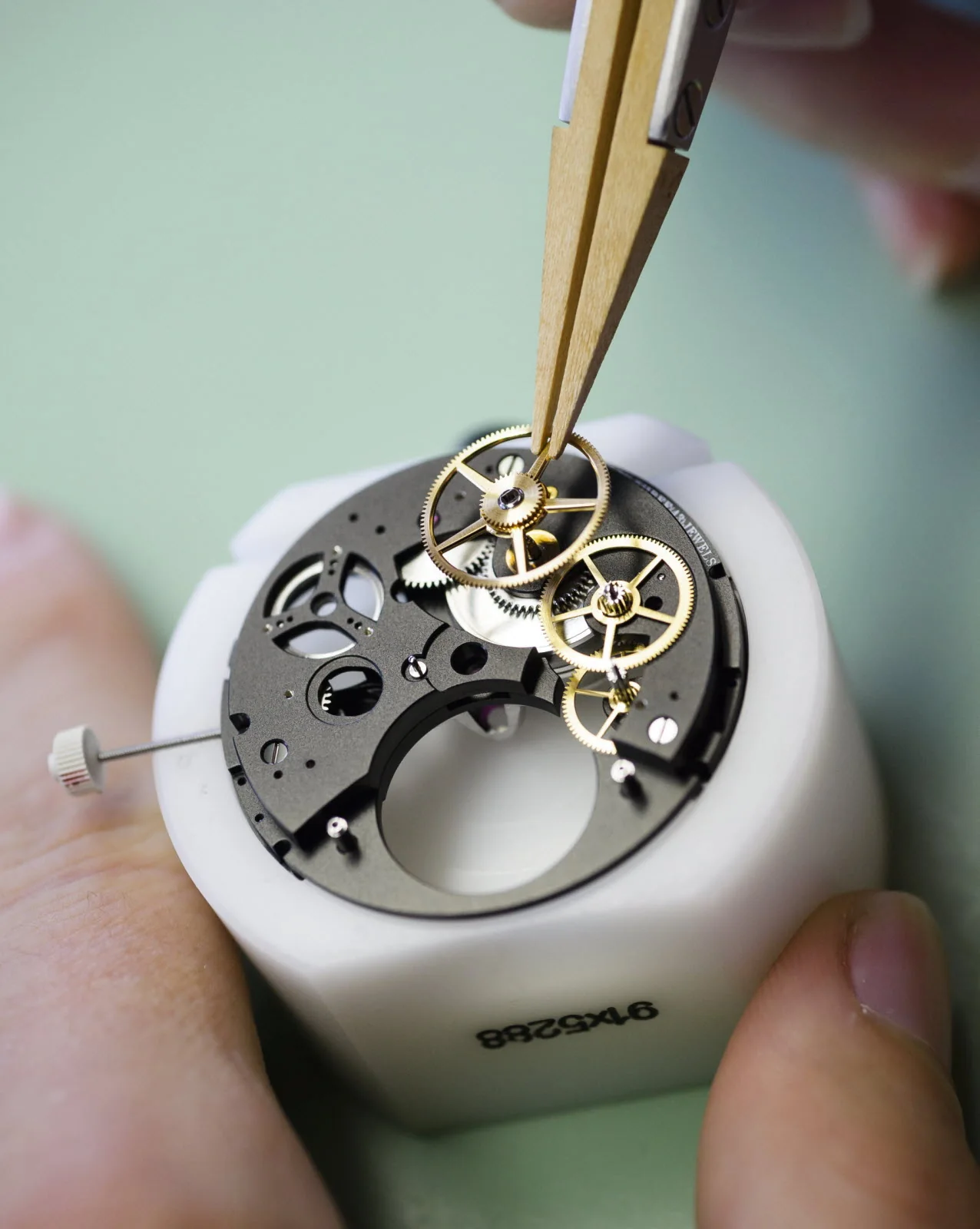
A poorly adjusted, overly flexible, or badly machined bridge can disrupt the entire running of the movement. This is one of the reasons manufactures invest so heavily in machining tolerances and material quality.
In some cases, a single bridge holds several wheels. In others, each component has its own bridge. This choice reflects both tradition and a brand’s technical philosophy.
Single bridge or separate bridges: a matter of style and history
Not all watches are constructed in the same way—and the bridge quickly becomes a visual signature.
German three-quarter plates
At A. Lange & Söhne or Glashütte Original, the famous three-quarter plate is favored: a large piece covering most of the movement, inspired by 19th-century Saxon pocket watches.
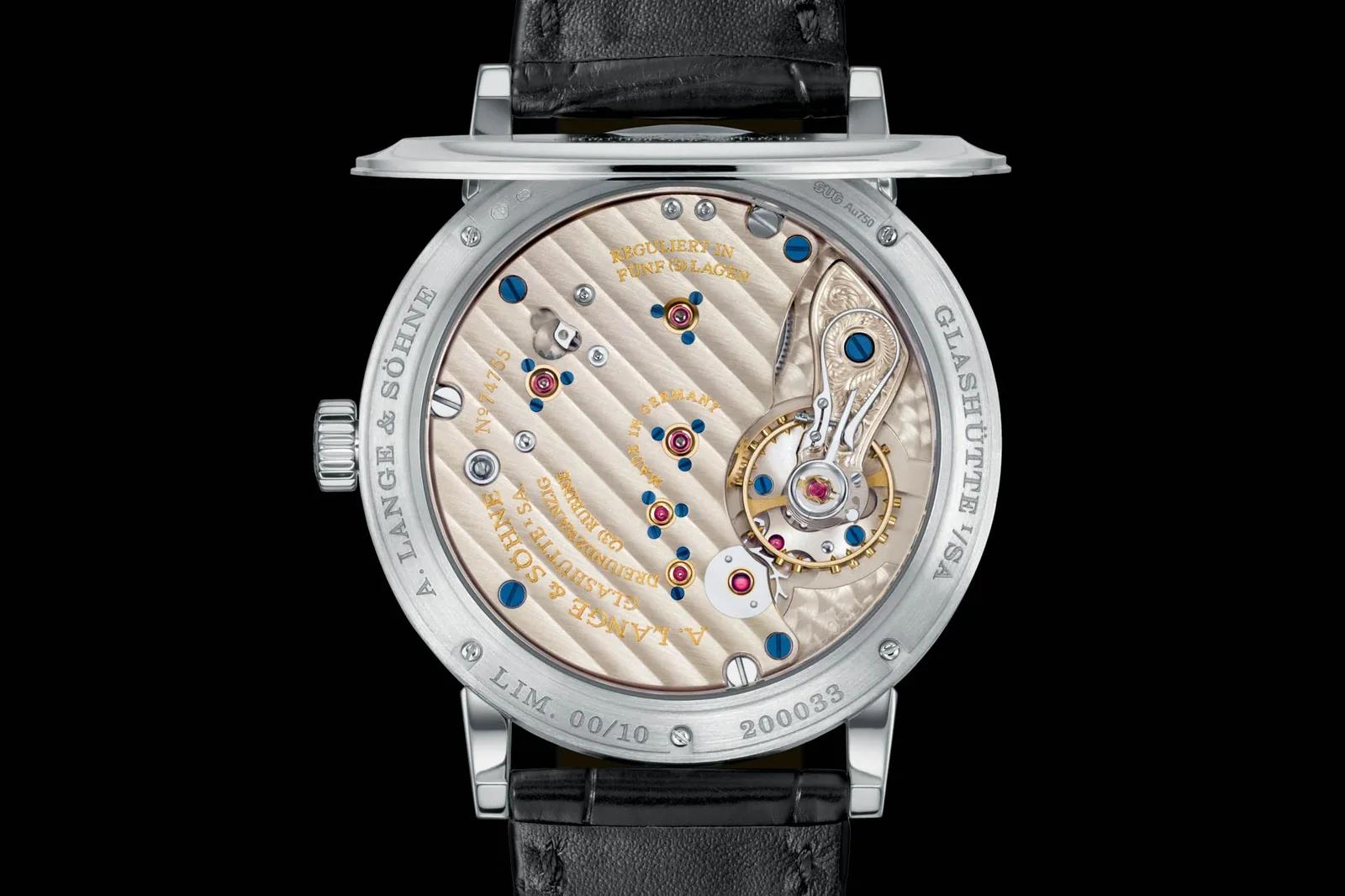
Advantages: exceptional rigidity and increased stability. The drawback is that access is more complex for the watchmaker during disassembly.
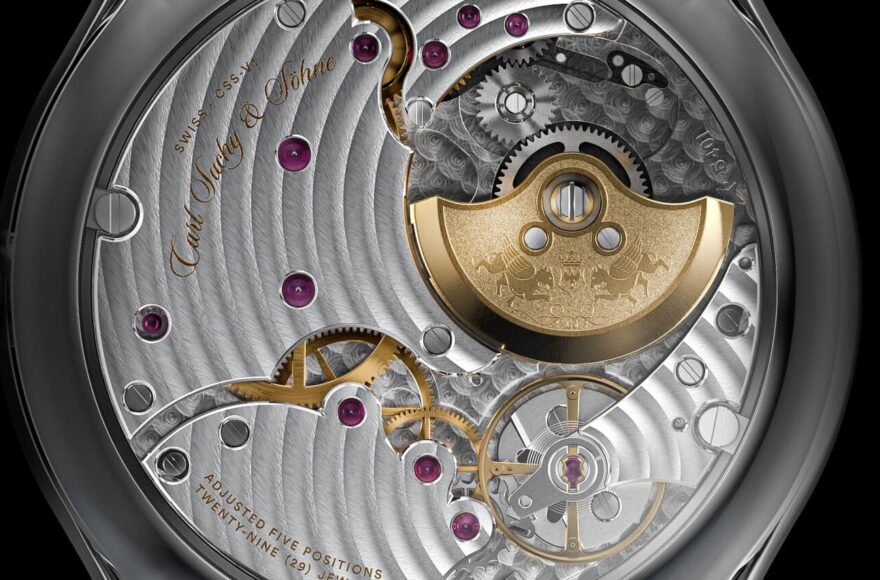
But this type of bridge has undeniable charm. It offers a perfect surface for decoration, notably Glashütte ribbing.
Swiss-style separate bridges
Swiss tradition favors separate bridges for each component: center wheel, third wheel, barrel, and so on.
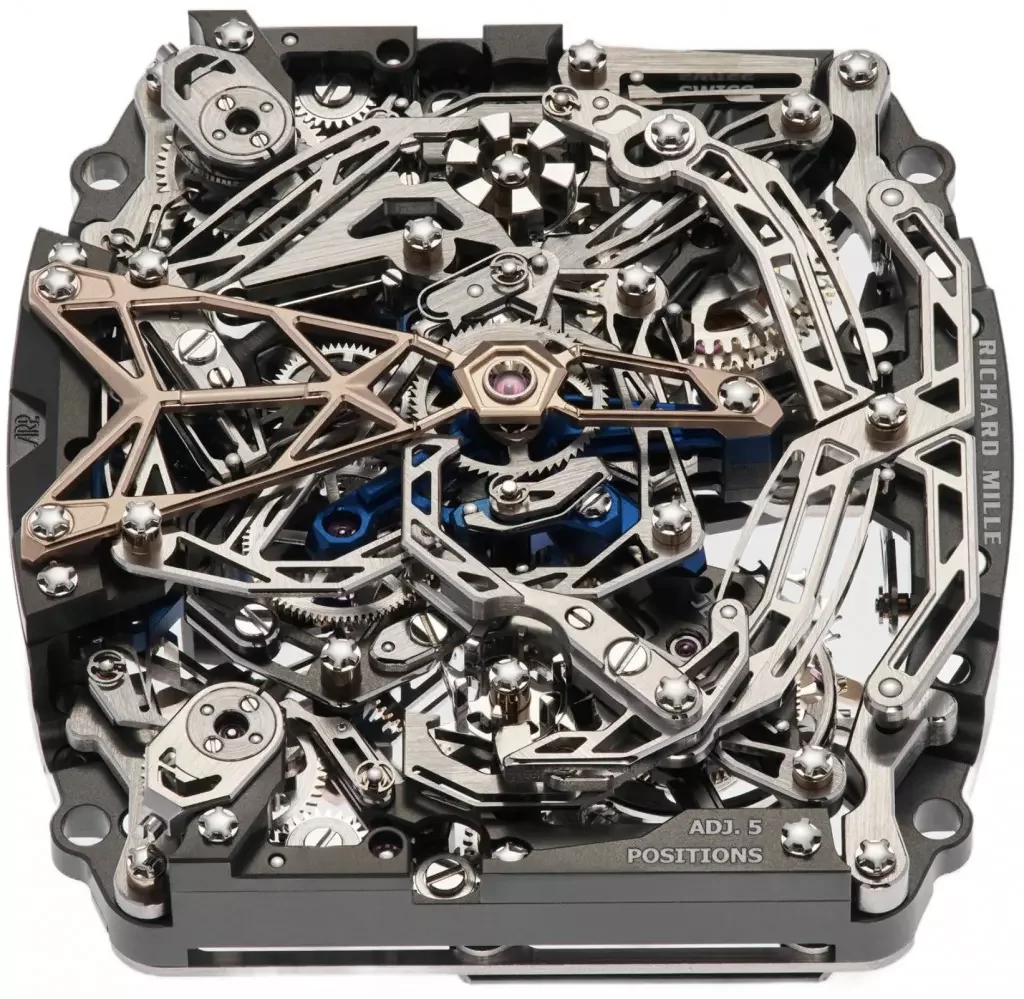
This makes assembly and maintenance easier. Each element can be adjusted independently. It is also more legible for the watchmaker.
Visually, it creates a more fragmented, sometimes more dynamic mechanical landscape.
The balance bridge: the heart under supervision
If there is only one bridge to remember, it is the balance bridge.
The balance bridge holds the regulating organ—the balance wheel and hairspring assembly. This is the most critical part of the movement. The slightest instability here, and precision collapses.
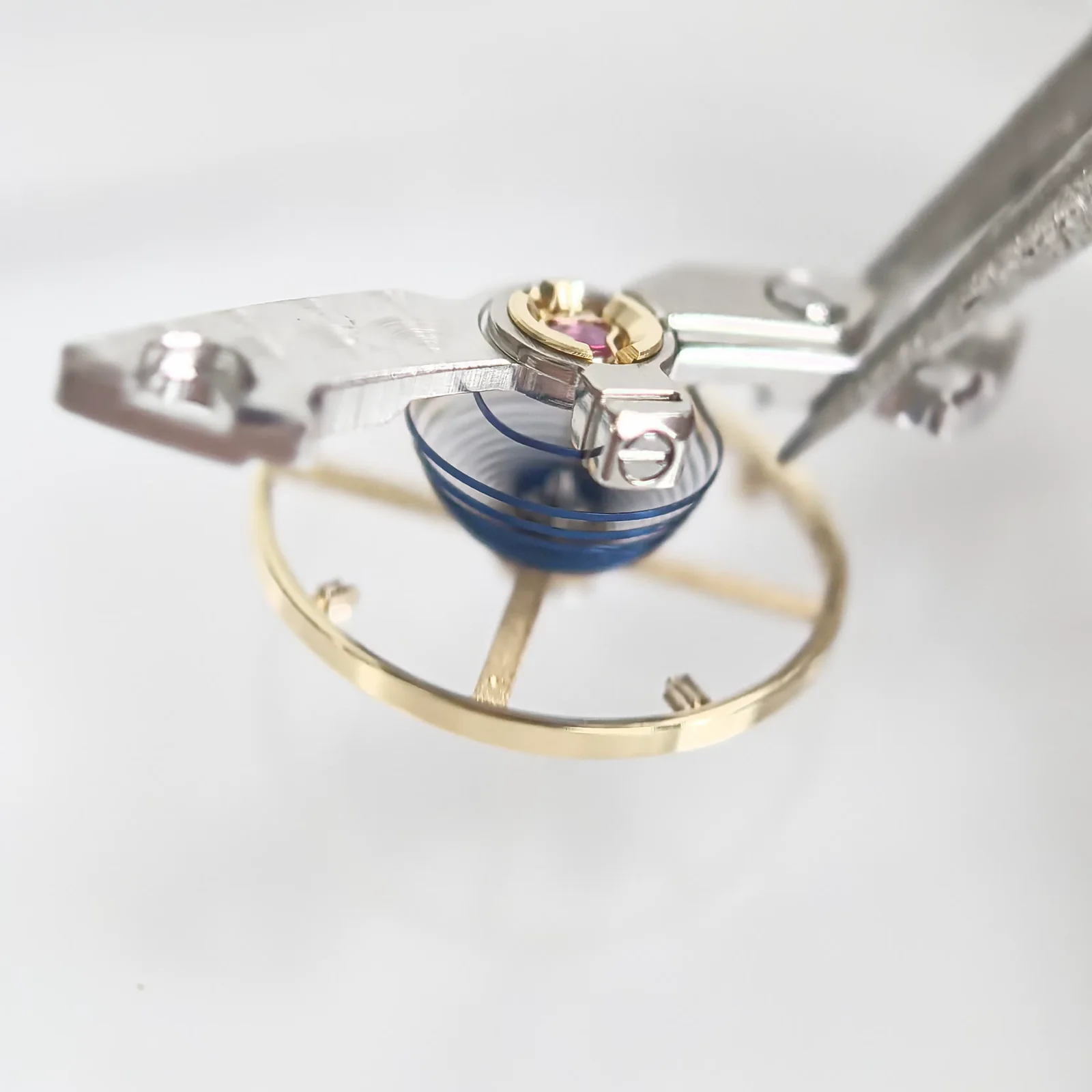
Two main configurations exist:
- the classic balance bridge, fixed on both sides
- the balance cock, fixed on one side only
The cock, smaller and often richly engraved, is deeply rooted in traditional and Saxon watchmaking. The full bridge, by contrast, offers greater robustness, particularly in sports watches.
In other words, it is a trade-off between aesthetics and stability—and sometimes between poetry and pragmatism.
When the bridge becomes a work of art
In haute horlogerie, the bridge goes far beyond its technical function. It becomes a canvas.
Mirror-polished bevels, Geneva stripes, perlage, hand engravings… Bridges are often the most visible surfaces through a sapphire caseback. They embody a watch’s level of finishing.
At Philippe Dufour, bridges are masterclasses in anglage. At Greubel Forsey, they become architectural, three-dimensional, sometimes spectacular. At Vacheron Constantin, they tell centuries of tradition.
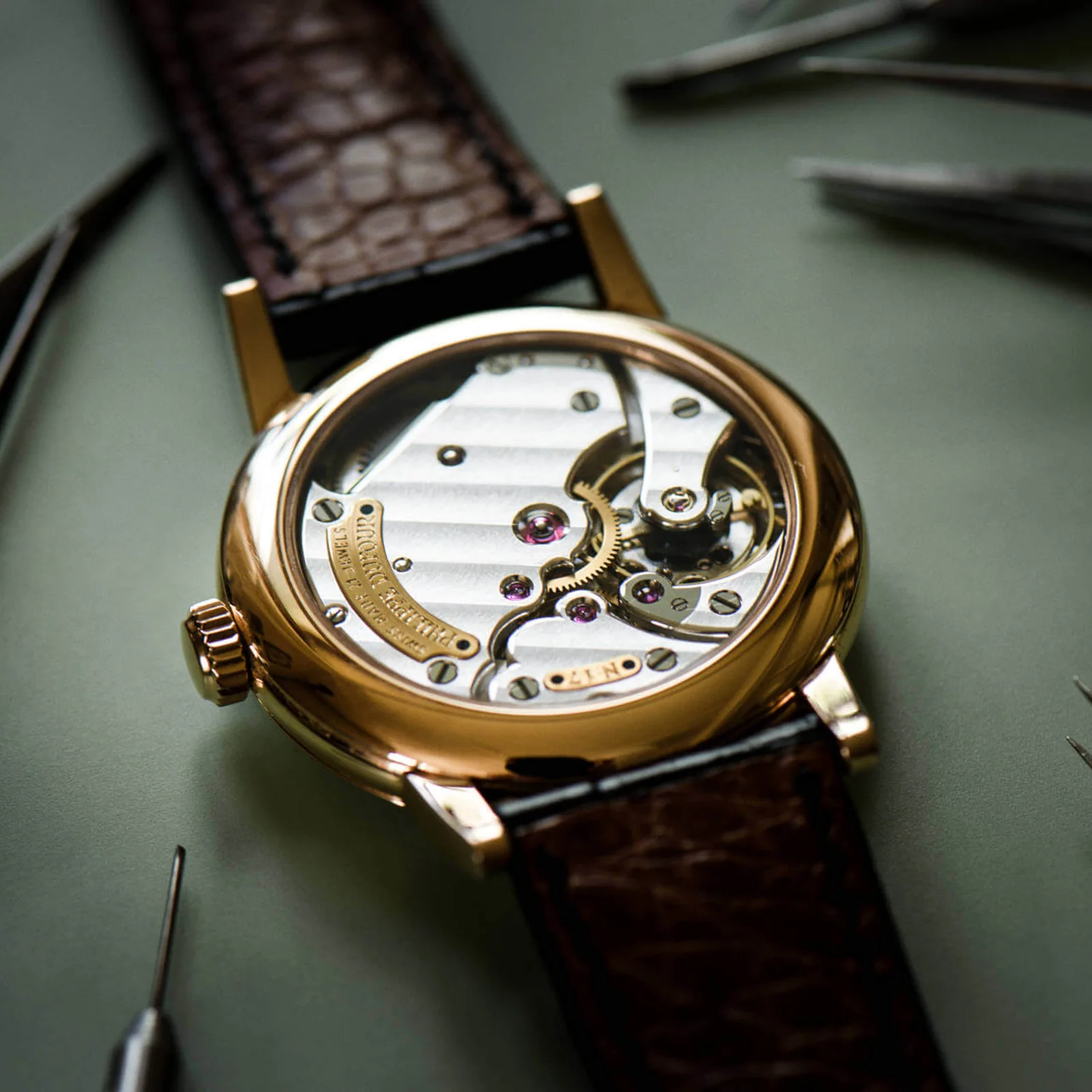
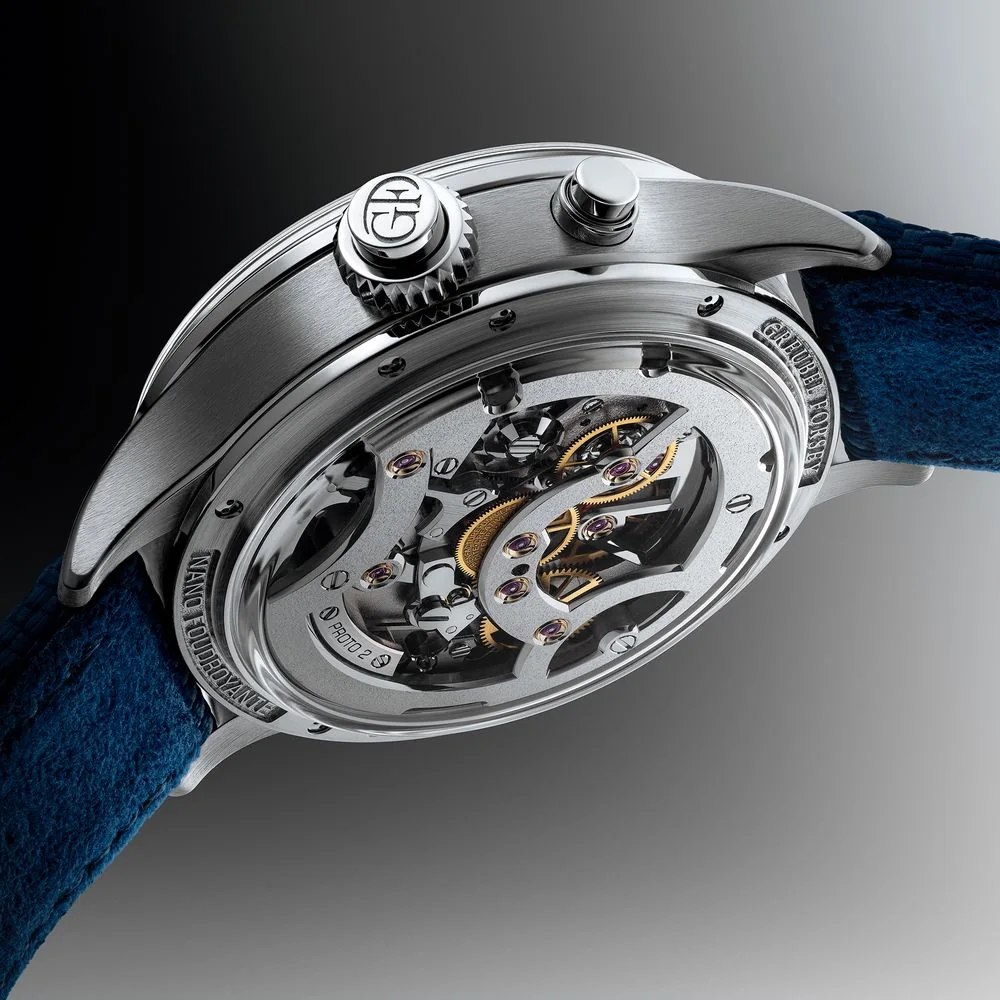
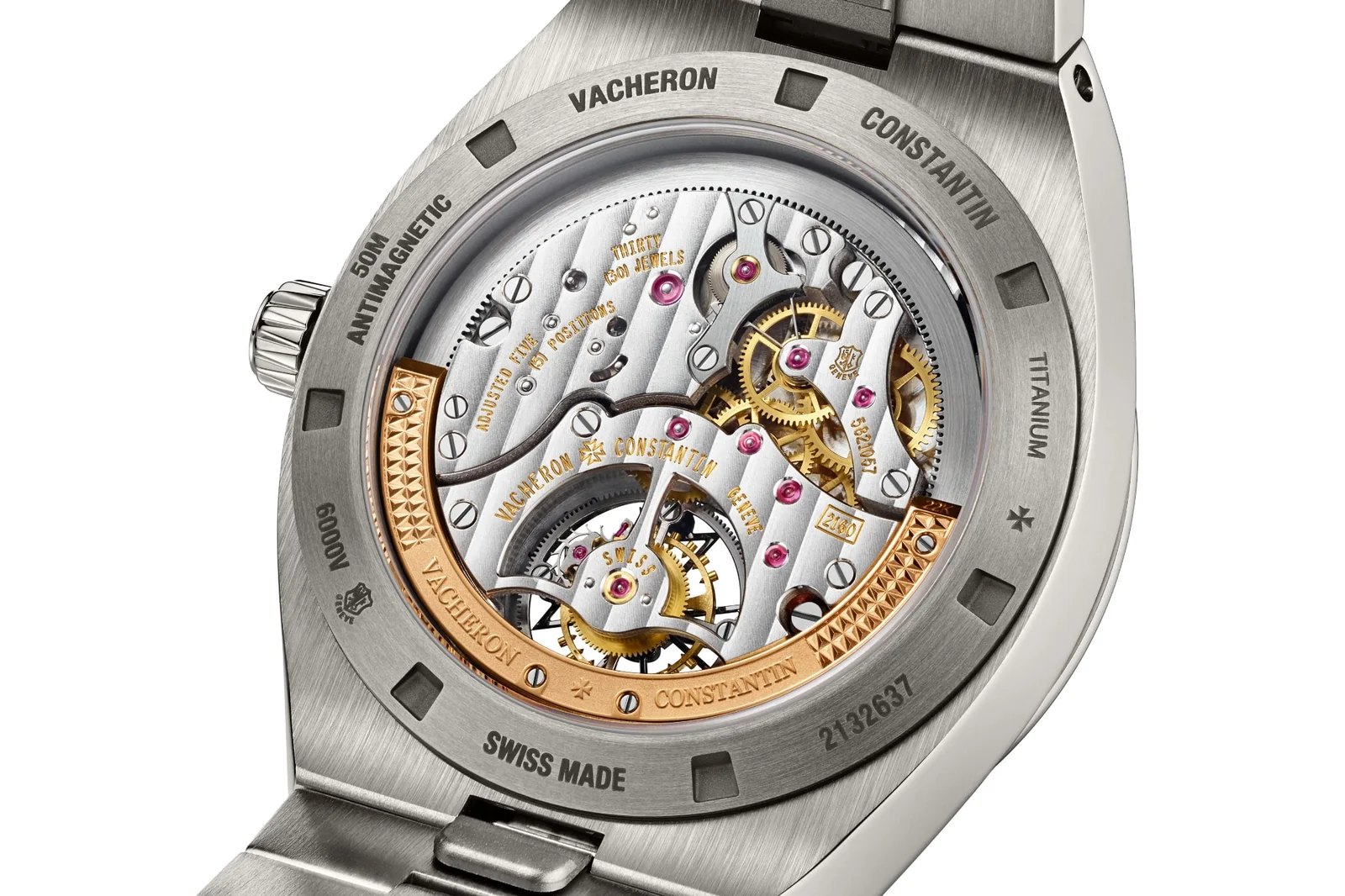
Then there are modern bridges—skeletonised, openworked, sometimes reduced to their simplest expression to create the illusion that the movement is floating in mid-air. A carefully mastered illusion.
Visible… or invisible bridges
Not all watches expose their bridges. On a closed dial, they remain hidden—unseen, yet always indispensable.
Conversely, watches with transparent casebacks, or fully skeletonised pieces, stage these architectures. You are no longer just reading the time—you are contemplating a living mechanism.
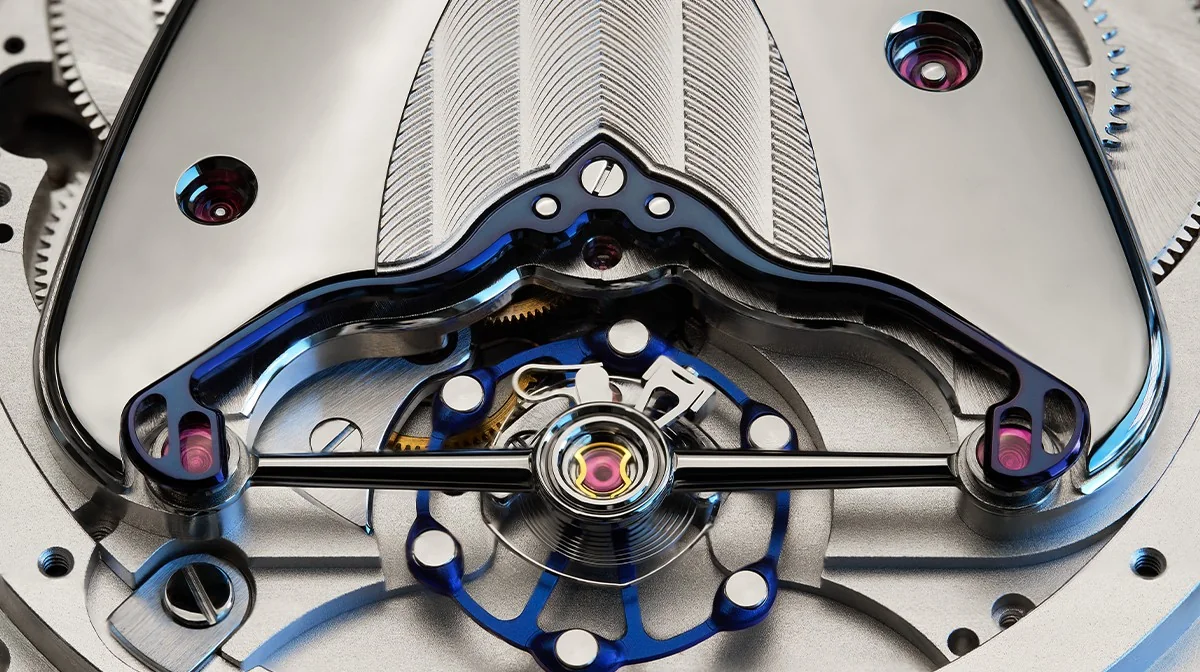
Some designers even go so far as to invert the movement to place the bridges on the dial side—a way of reminding us that watchmaking is not just about function, but also about perspective.
The watch bridge: a detail that is not one
A bridge in watchmaking is the kind of component you don’t notice… until the day you understand what it does. And from that point on, it becomes hard to look at a movement in the same way.
It structures, it stabilises, and it also defines identity. Through its shape, finishing, and layout, it reveals a watch’s origins, its level of execution, and sometimes even the ambition of its maker.
In a world where attention often goes to spectacular complications, the bridge reminds us of a quieter truth: precision begins with architecture. And within that architecture, nothing is left to chance… not even the parts you almost never see.