Which watches does Thomas Magnum wear in Magnum P.I.?
If you watched Magnum as a kid, sprawled on the carpet in front of a cathode-ray TV, I have some bittersweet news: you’re probably old enough to have already owned…
If you watched Magnum as a kid, sprawled on the carpet in front of a cathode-ray TV, I have some bittersweet news: you’re probably old enough to have already owned…
A bracelet born of necessity: reliability, movement, real life In watchmaking, some innovations impose themselves because they answer a simple question: how do you wear a watch without thinking…
The day precision became a weapon Some revolutions arrive with trumpets blaring; others settle in as if self-evident, quietly, until the moment they flip the table. At the end…
From Constraint to Style: When Tools Set the Standard In the history of watchmaking, few arenas have shaped design as profoundly as the battlefield. Military watches were never meant to…
The gestures that sculpt light Even before you read the time, the eye likes to wander. On a perlage-covered mainplate, light clings as if to fine sand. On a…
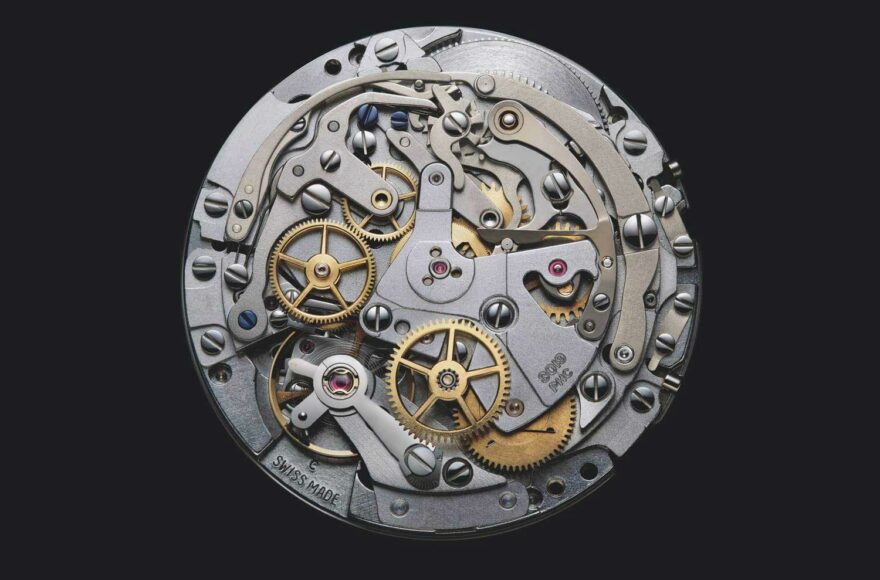
The myth of “all in-house” Two words are enough to electrify a conversation among enthusiasts: “in-house” (or “manufacture”). A technical and symbolic password that has become a blunt instrument…
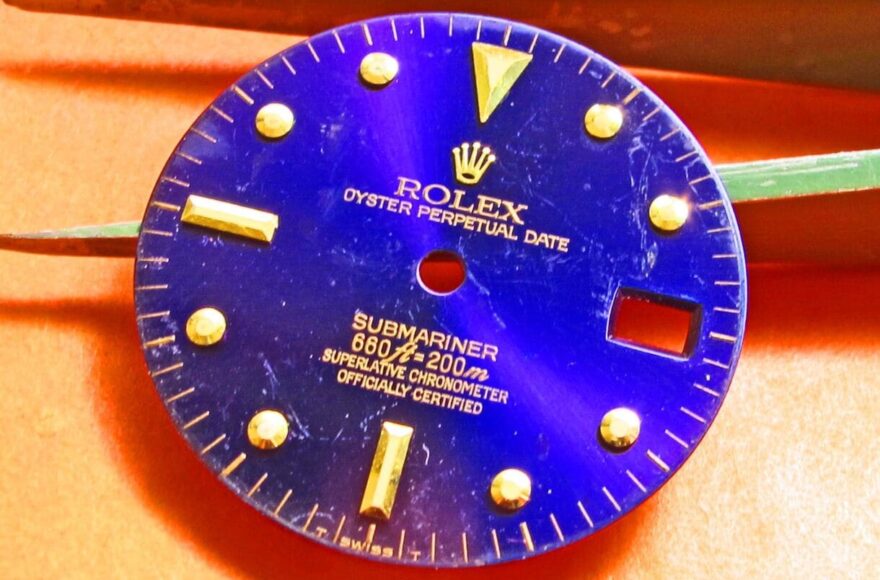
The word “chronometer” isn’t just a veneer Two lines on a dial are enough to make an enthusiast’s heart race: “Chronometer Officially Certified”. Behind that phrase lies more than a…
On a dial, the moon is not merely a romantic motif. It is slow mechanics, a millimetre-perfect ballet between steel and sky. The moonphase complication tells the story of the…
Why the GMT bezel still fascinates The GMT bezel is the elegance of a 1950s transatlantic flight translated onto a wrist. Born from Pan Am pilots’ needs and immortalised by…
A simple idea, a stroke of genius In the history of dive watches, the term “super compressor” is no marketing affectation. It refers to a patent developed by Ervin…
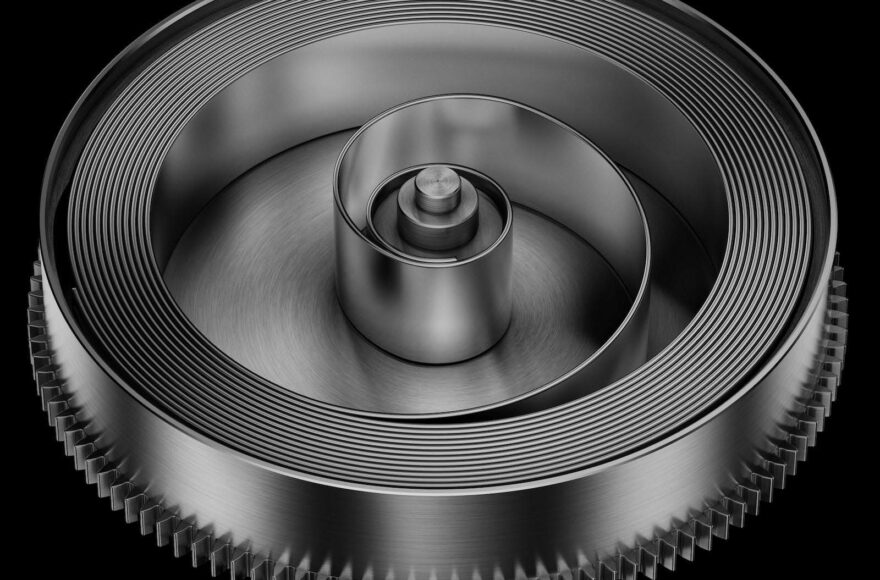
A Coiled Heart: Understanding the Mainspring In a mechanical watch, the mainspring is more than just a component. It’s the invisible muscle, curled inside a slim steel drum—the barrel—that releases…
Definition: what do we mean by a “high-frequency” movement? In watchmaking terms, frequency expresses the number of oscillations of the balance per second (measured in Hertz, Hz). The contemporary…
When time colours time One morning, you wind your old dive watch. The light catches the domed crystal and—surprise: the deep black of its dial has taken on a chocolate…
The Myth of Permanent Water Resistance A watch is never “waterproof forever”. It is—until proven otherwise. And that proof, unfortunately, often arrives at the worst possible moment: by the pool,…
Why does a mechanical watch—sometimes adjusted with the exacting standards of a master watchmaker—lose or gain a few seconds each day? Because behind its flawless dial, a delicate score is…
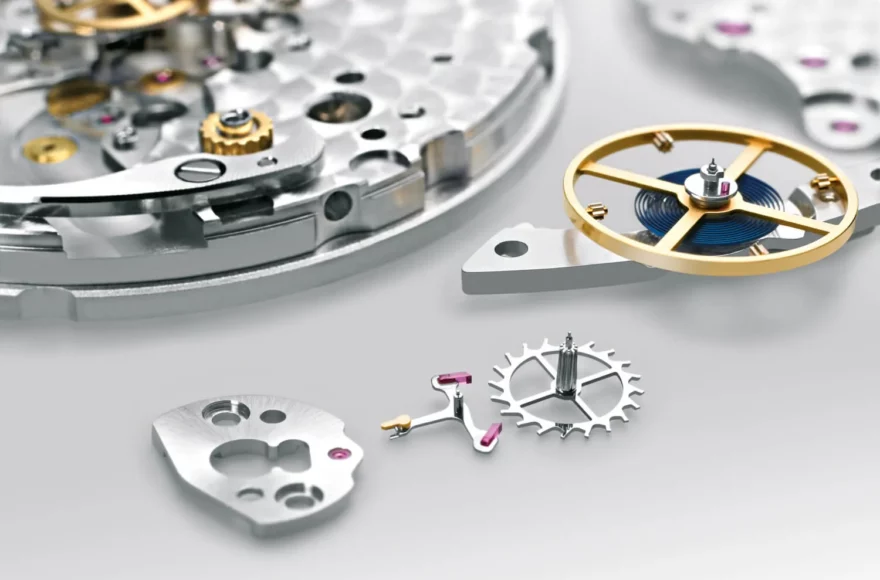
Why the escapement is time’s beating heart In a mechanical watch, everything begins with a mainspring housed in the barrel. It unwinds, powers a gear train… and would, unchecked, run…