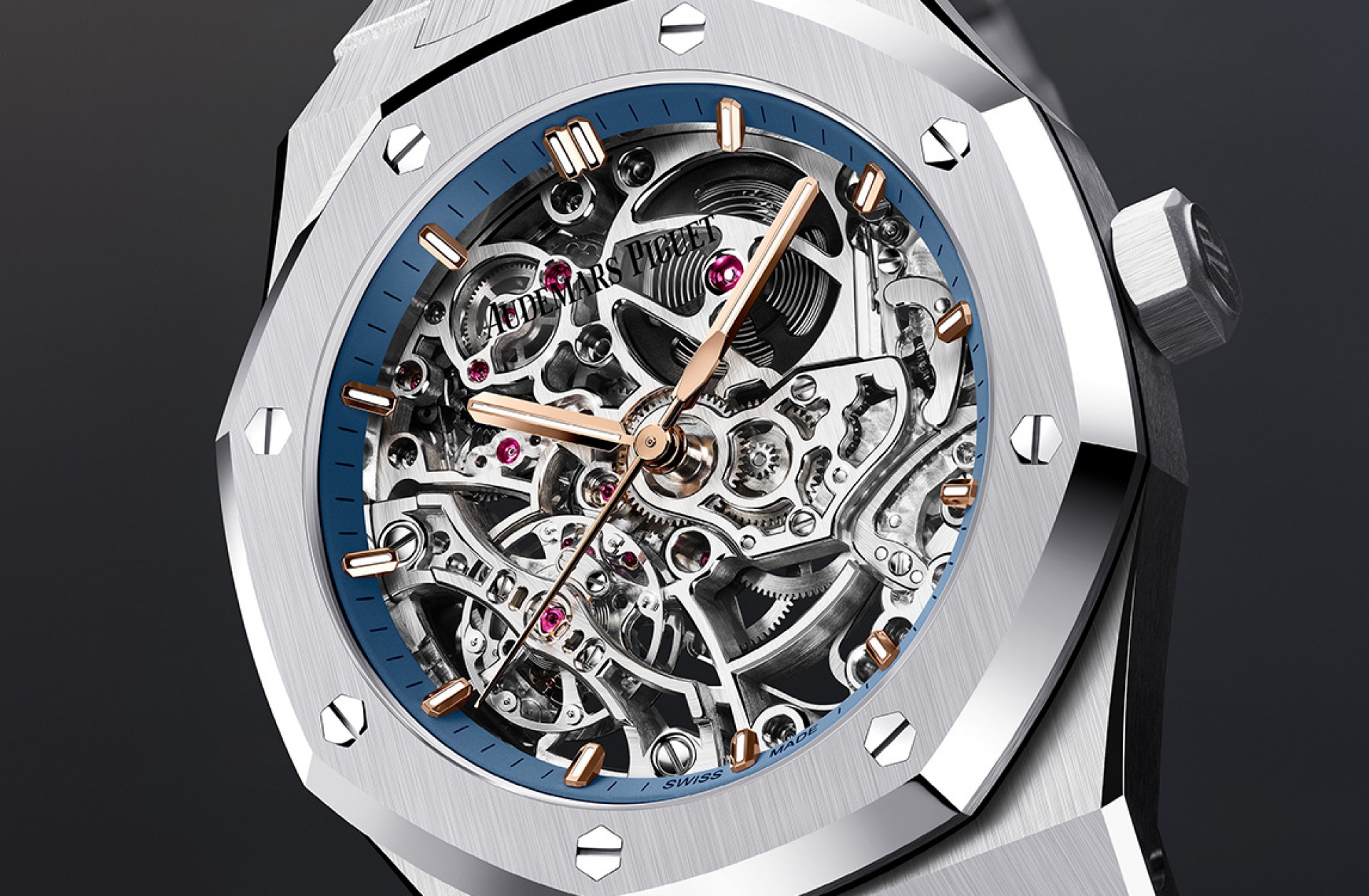
5 Iconic Watches Designed by Gérald Genta
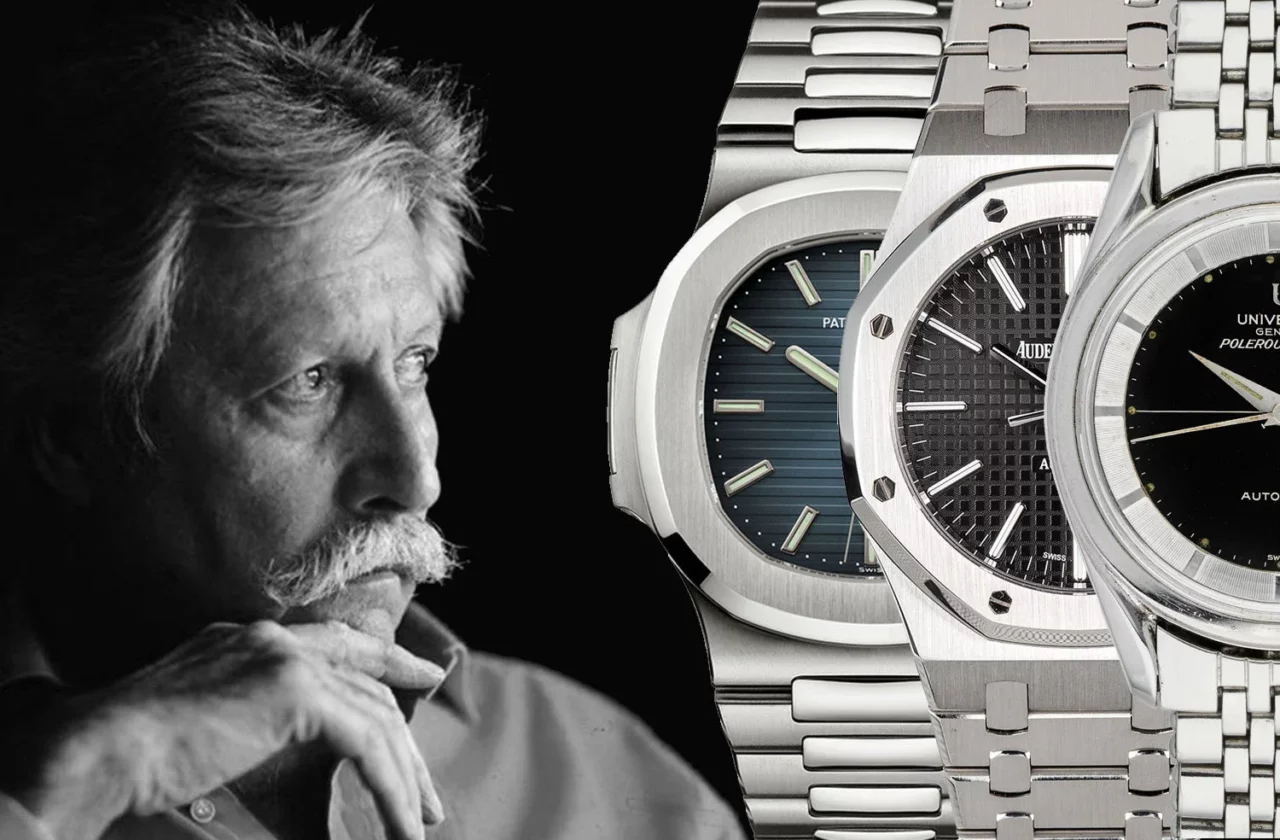
Gérald Genta, the architect of horological desire
There are designers who decorate time, and others who architect it. Gérald Genta unquestionably belonged to the latter camp. A tireless autodidact, he tipped high watchmaking from its precious, jewel-box constraints into a steel-clad modernity. The stubborn legend: the Royal Oak sketched in haste, the night before a trade show, on the corner of a table. The reality is richer still: a vision that fuses ergonomics, geometry and culture — from a marine porthole to ancient coinage — to draw icons. Five watches are enough to grasp his language and the lasting influence he exerts today on Patek Philippe, Universal Genève and so many others, not to mention the hidden detail of the Royal Oak that continues to fascinate collectors.
Audemars Piguet Royal Oak (1972): the chic industrial revolution
The break
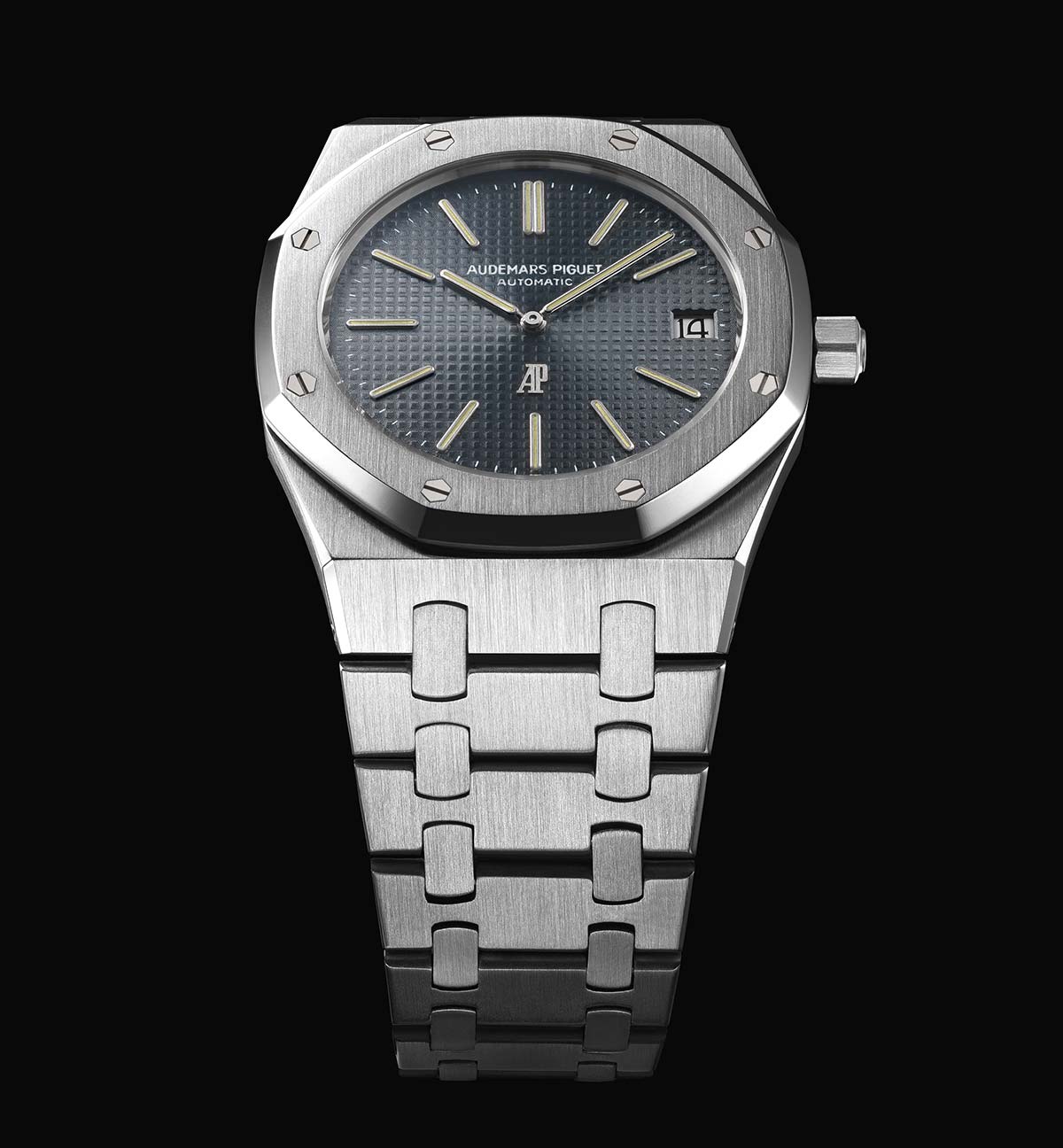
When the Royal Oak arrives, “sport” high watchmaking is an oxymoron. Genta imposes steel, the octagon, an integrated bracelet as supple as a gold chain, and an aesthetic that is visibly screwed together. Here is a luxury that owns its mechanics — a taut, uncompromising design whose famous “Tapisserie” dial concentrates the poetry.
Details to watch for
- Octagonal case with exposed screws, brushed bezel and polished bevels.
- Integrated, tapering bracelet; an almost textile fluidity on the wrist.
- “Petite/Moyenne Tapisserie” dial, a cue of depth and texture.
- Original “Jumbo” proportions: delicacy in the service of width.
The Royal Oak is the Genta manifesto: it elevates the tool into jewellery and establishes the idea of “sport-chic” as a new watchmaking nobility.
Patek Philippe Nautilus (1976): a legendary porthole
Utility elegance
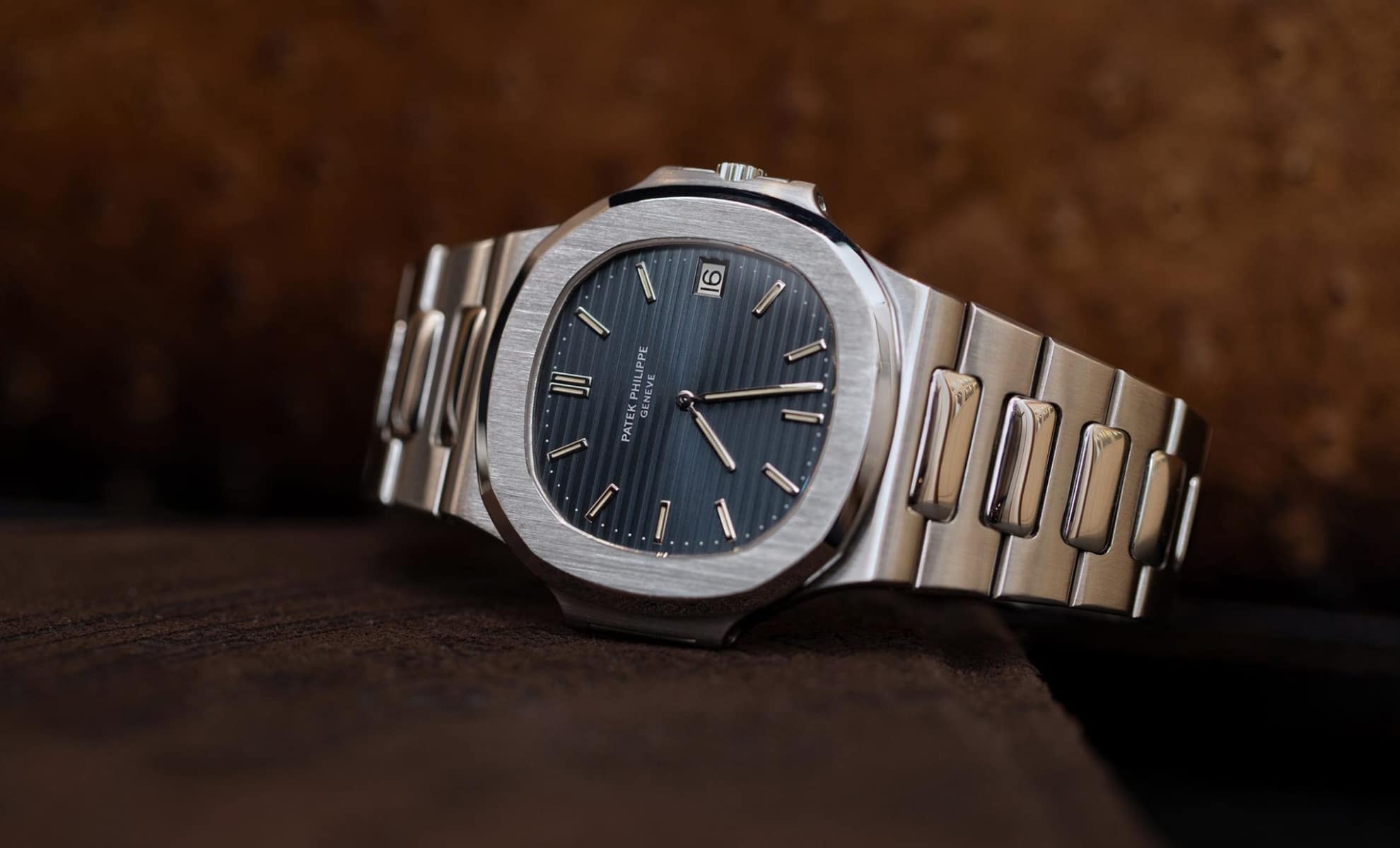
After the Royal Oak, Genta transposes his alphabet to Patek Philippe. The Nautilus takes its cue from a porthole: lateral “ears”, a “monobloc”-type case, a dial with horizontal grooves. The result? A cosmopolitan traveller’s watch — robust enough for the ocean, dressed enough for dinner.
Details to watch for
- Lateral “ears”, echoing porthole hinges — a signature you can read at a glance.
- Blue-grey dial with horizontal ribs, a subtle play of light.
- More tapered integrated bracelet, alternating polished and brushed surfaces with watchmaking precision.
- Thin profile and flat wear: sophistication without fuss.
At Patek Philippe, Genta refines sport-chic by stripping it of spectacle. The Nautilus remains the most serene embodiment of that attitude.
IWC Ingenieur SL (1976): magnetic modernism
Function as style
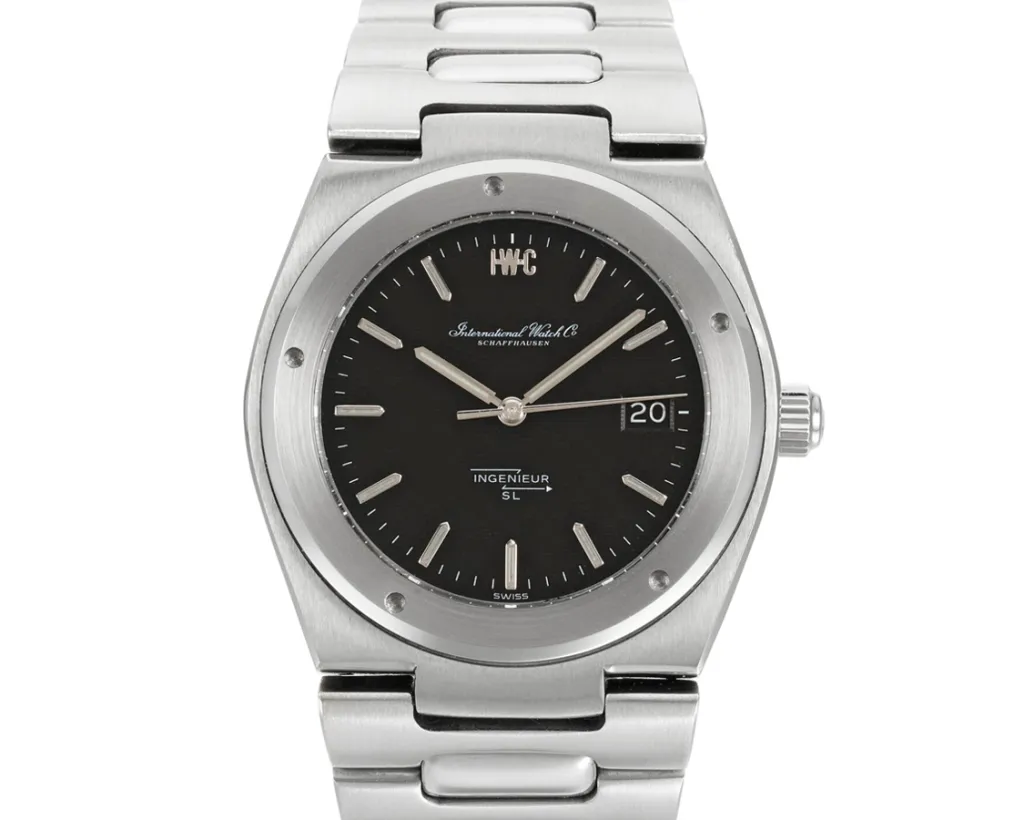
The Ingenieur had existed at IWC since the 1950s; Genta reinvents it. The SL (“luxury steel”) adopts a round case with a bezel pierced by five recesses, an integrated bracelet and a taut mid-case. Everything serves a technical vocation: resistance to everyday disturbances, in the spirit of a professional instrument turned style object.
Details to watch for
- Round case; five bezel recesses as graphic punctuation.
- Integrated bracelet with geometric links, Genta-style ergonomics.
- Clean dial, restrained indices, instant legibility.
- The Ingenieur line’s anti-magnetic heritage — invisible, but decisive.
More technical than demonstrative, the Ingenieur SL reminds us that Genta design is born from a constraint he elevates into character.
Bulgari Bulgari (1977): Roman purity
Culture on the wrist
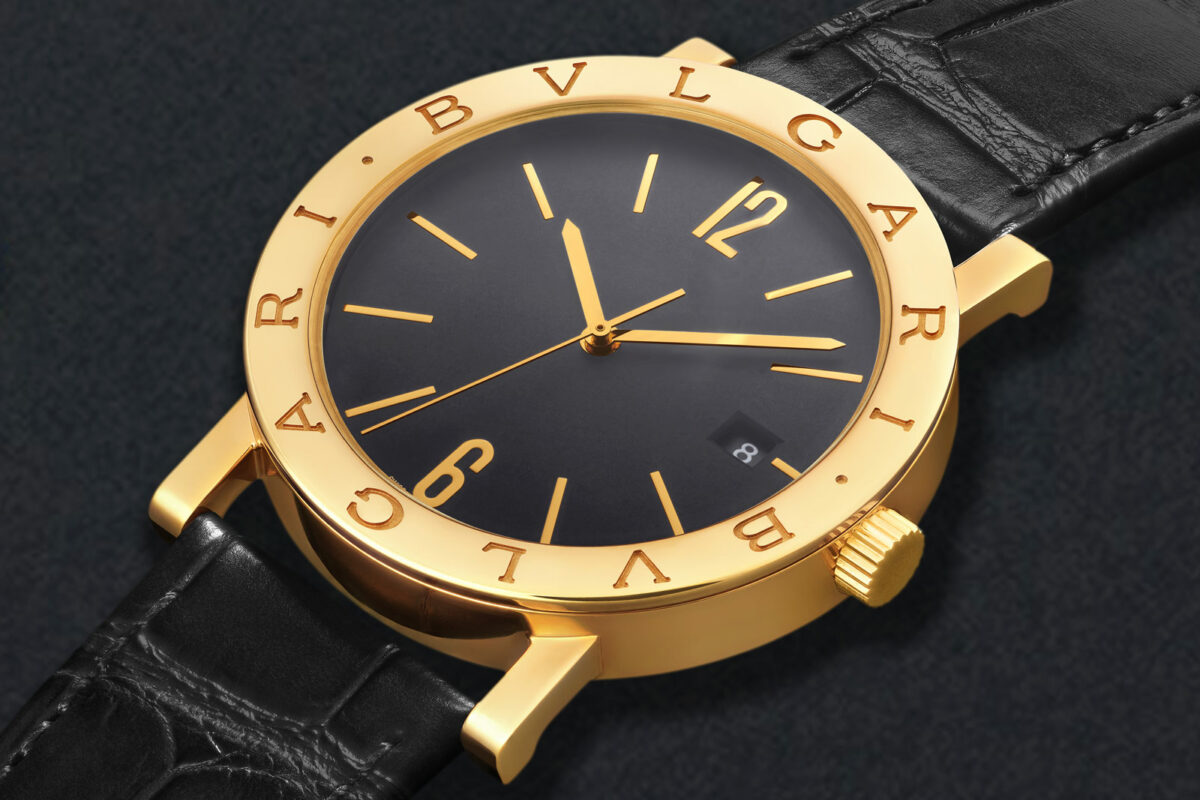
Born from the Bulgari Roma of 1975, the Bulgari Bulgari turns the bezel into a manifesto: a double logo engraved like an imperial inscription, a cylindrical case without protrusions, purity of line. Genta invokes ancient coinage and Italian architecture to sign a conceptual jewellery-watch — unisex before the term existed.
Details to watch for
- Bezel engraved “BVLGARI BVLGARI”, the spirit of a modern sestertius.
- Cylindrical case, crisp volumes, sensual minimalism.
- Highly controlled polished/brushed transitions, the feel of a sculpted block.
- Compatibility with leather, metal or tubogas bracelets depending on the era.
The watch proves that Genta could speak the language of jewellery houses without betraying his own grammar: exact proportions, strong symbolism, timelessness.
Universal Genève Polerouter (1954): the prodigy takes flight
The first chapter
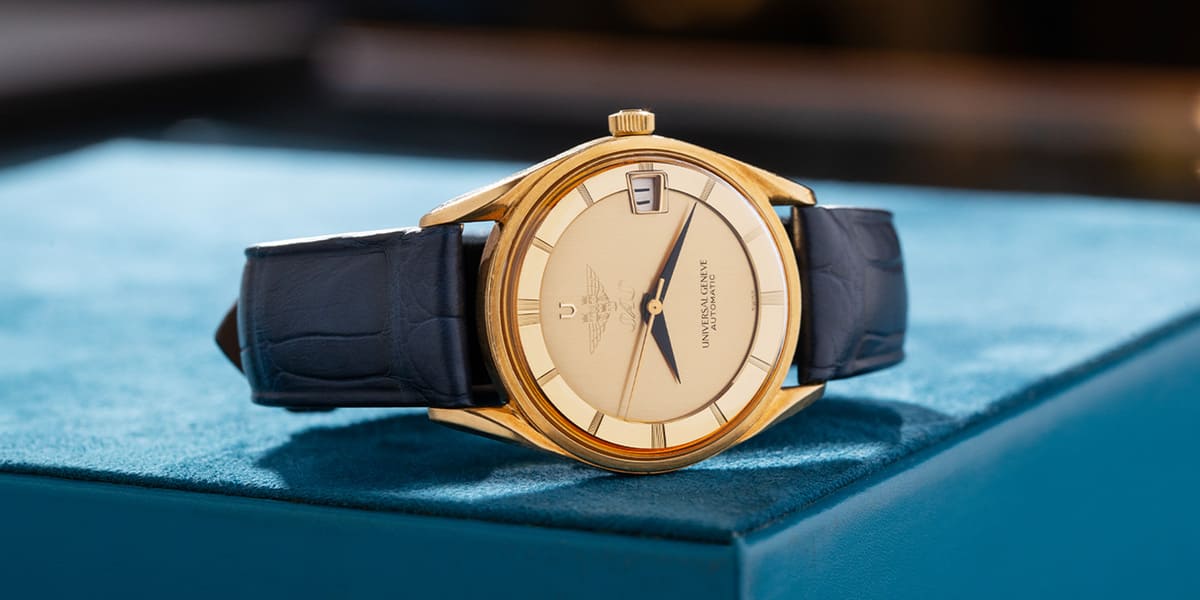
At 23, Genta designs the Polerouter for Universal Genève, created for SAS’s polar routes. A slender case, twisted lugs, a dial often featuring a stylised Maltese-cross motif: mid-century charm with a utilitarian purpose. The model would become a laboratory of technical finesse, notably with the adoption of the micro-rotor that would mark the brand’s history.
Details to watch for
- Signature twisted lugs, an instantly recognisable silhouette.
- Dials with subtle sectoring, sometimes with a central crosshair.
- Movement evolutions, including Universal Genève’s legendary micro-rotor.
- A travel watch, conceived for reliability and precision in real-world conditions.
The Polerouter already reveals Genta’s obsession with balance: elegant curves, unapologetic functionality, a clear identity. It is the genesis of a style.
What these five watches teach us about the Genta style
One signature, several dialects
From the Royal Oak to the Polerouter, Genta works along three axes: geometry (octagon, cylinder, circle), integration (case and bracelet fused, continuous volumes), and function (water resistance, slimness, robustness, legibility). His genius lies in the obvious: highly designed objects that seem as though they have always existed. Patek Philippe finds in it a new sporting civility, Universal Genève an accessible modernity, Bulgari a cultural manifesto, IWC an instrumental rigour, Audemars Piguet an industrial myth.
Whether discovered as vintage pieces or in re-editions, these watches remain disarmingly contemporary. Their secret? A form in the service of use, proportions that flatter the hand as much as the eye, and that rare ability to tell the story of an era while transcending it. Genta didn’t design watches; he designed attitudes. That is why his creations, beyond fashion, continue to tell the time with style.