Beyond Convention: Laurent Picciotto, High Watchmaking’s Free Spirit
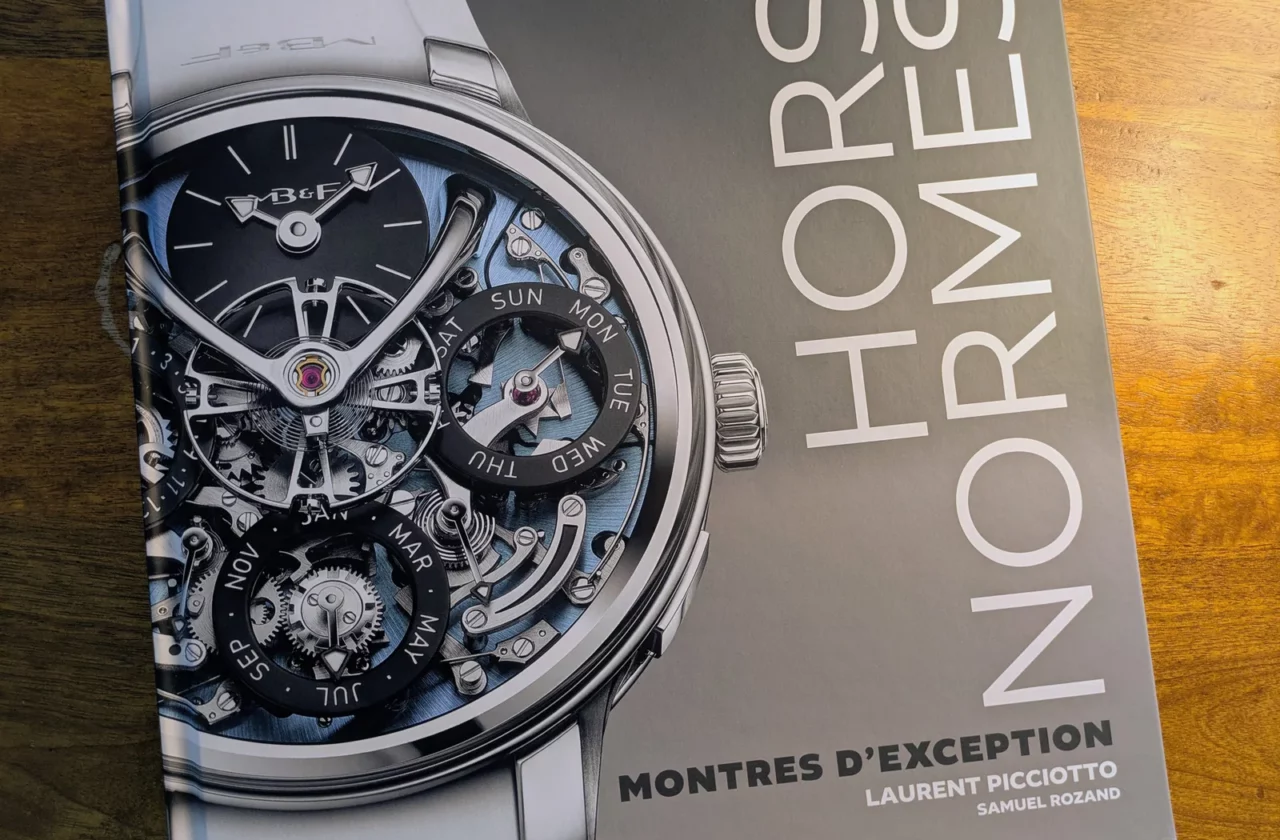

With Out of the Ordinary: Exceptional Watches, published by Éditions Ouest-France, Laurent Picciotto and Samuel Rozand invite us to discover 40 of the boldest creations in contemporary high watchmaking. A magnificent book devoted to watches unlike any others. Much like, ultimately, the man who selected them.
Laurent Picciotto, a singular figure in the world of watchmaking
There are certain personalities who are instantly recognisable in the small world of high watchmaking. Laurent Picciotto has a style, a personality and, above all, convictions that have never really accommodated themselves to the conventions of the industry.
You may encounter him impeccably dressed in his Paris boutique on Rue Saint-Honoré, with that particular elegance of men who take care over their appearance without seeking to blend into the background. You may also find him with an electric guitar in his hands, playing rock or blues with a passion that rivals the one he devotes to watches. On Instagram, it is not unusual to see him in his garage, Stratocaster in hand, delivering hefty riffs and running through some thoroughly respectable pentatonic scales.
Picciotto is a talented guitarist, an instrument collector, a lover of rock and of anything with an extra measure of soul. He projects an impression of absolute freedom. One cannot imagine a communications agency behind him, charged with approving every post, controlling his image or ensuring that everything remains perfectly aligned with the codes of luxury. Picciotto plays guitar because he loves it. He shares his passions, displays his tastes and stands by his choices. He is an all-or-nothing kind of character. Take it or leave it.
There are also motorcycles, another long-standing passion. Like guitars and watches, they belong to that world of beautiful mechanics that delivers sensations difficult to convey on a technical data sheet.
This authenticity is immensely valuable in a world where marketing messages can sometimes end up sounding indistinguishable from one another. What is the point of serving yet another polished, predictable speech to collectors who already have the means to acquire virtually anything they desire? What they are also looking for is a personality, a point of view, a conviction. Someone who is not trying to sell them what everyone else already owns.
Laurent Picciotto seems to have understood this for a long time. He takes risks, champions the creators in whom he believes, cultivates his passions and clearly takes pleasure in living as he chooses.
His success probably owes as much to this freedom of character as it does to his unquestionable knowledge of watchmaking.
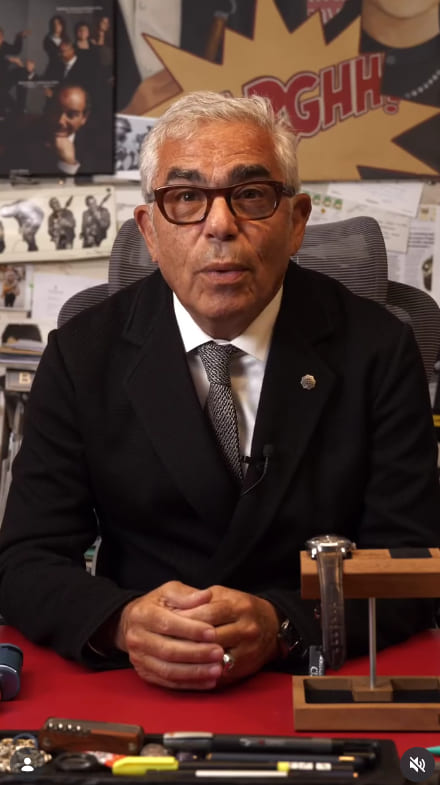

Long before influencers, there was Laurent Picciotto
Describing Laurent Picciotto as an influencer in high watchmaking would be entirely justified, provided the word is restored to its original meaning.
Long before influence was measured in followers, views or sponsored posts, Picciotto exercised his by taking risks, investing money and placing his trust in watchmakers whose creations sometimes seemed to have come from another planet. Besides, wearing his other hat as a digital consultant, let us remember that influence only counts when it generates action—and by action, we do not mean likes or a comment, but a relationship and sales! End of aside.
When he founded Chronopassion in 1988, he envisioned a boutique that would not be quite like the others. The watch itself was to take precedence over the prestige of the brand. A philosophy that seems obvious today, but was hardly so in an industry where the historic names occupied most of the available ground.
The story of MB&F is an excellent illustration. When Maximilian Büsser embarked on the venture in 2005, Laurent Picciotto was one of the project’s first five financial backers. Two years later, Chronopassion sold the very first MB&F in the world: an Horological Machine No. 1.
The anecdote takes on another dimension when one considers MB&F’s position today in the independent watchmaking landscape. At the time, however, it took considerable conviction to bet on mechanical machines so far removed from traditional codes.
The Urwerk adventure tells a comparable story. From 2002 onwards, Picciotto took an interest in the projects of Felix Baumgartner and Martin Frei, when some of the watches were still no more than drawings. The subscription model made it possible to support their production even before the first pieces were delivered.


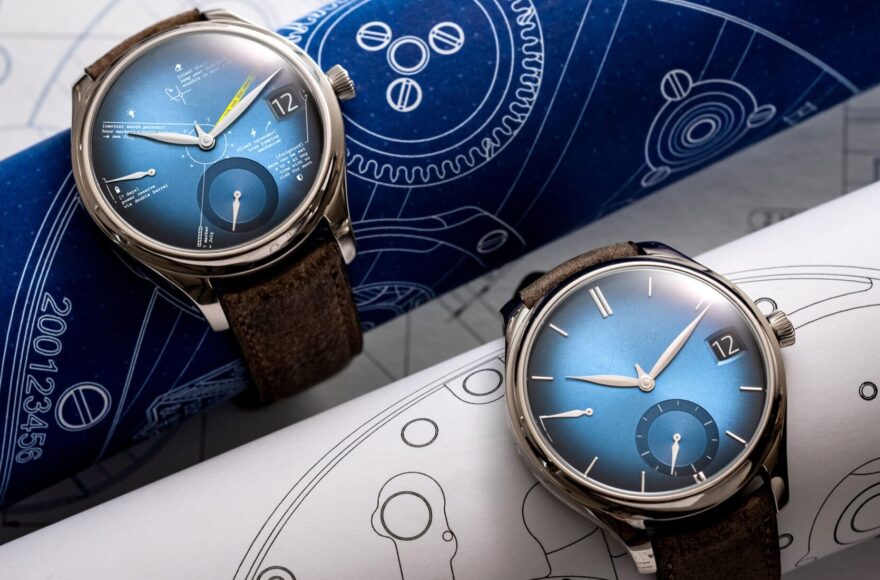
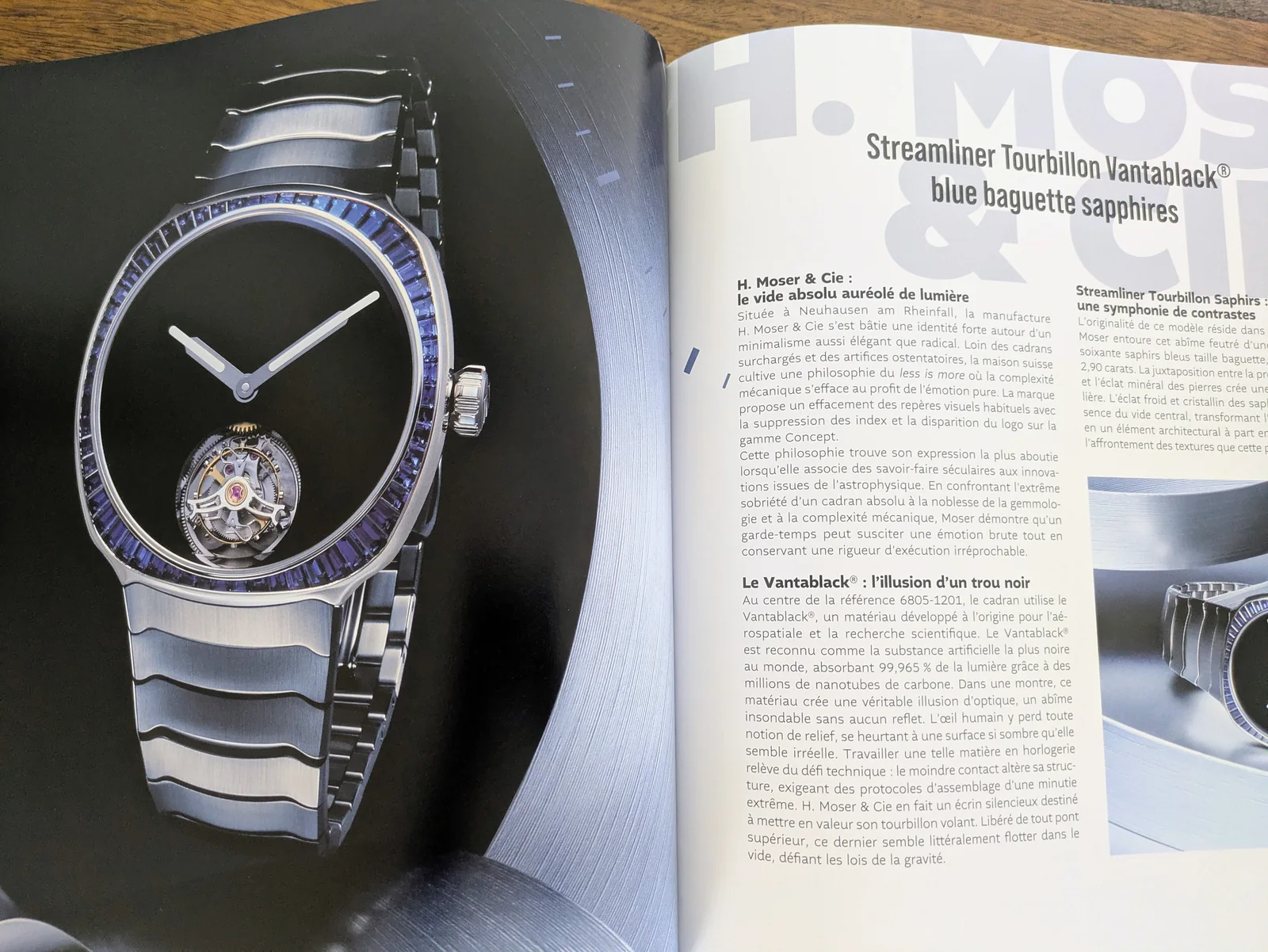
H. Moser & Cie, another maison whose creations he has championed, shares this desire to shake up established habits in its own way, with a humour and irreverence rarely encountered in traditional watchmaking.
Picciotto’s role therefore extended far beyond displaying beautiful watches in showcases. He helped bring new signatures to the fore, supported creators and opened the doors to a clientele that was not necessarily ready to understand them.
He did not invent independent watchmaking, but he is one of those who enabled it to find its place.
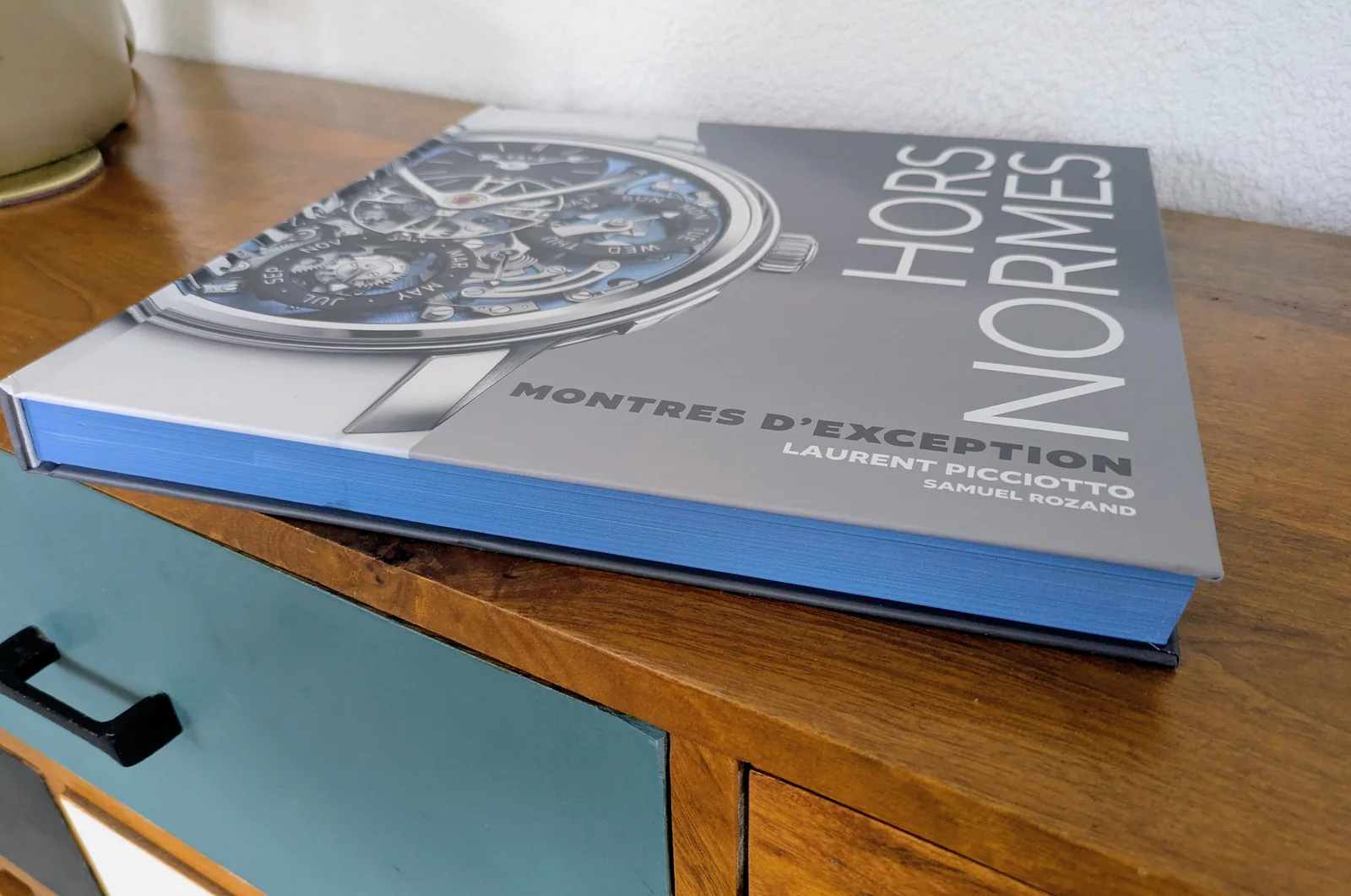
Out of the Ordinary: 40 watches that refuse to be ordinary
It is with this history in mind that we discover Out of the Ordinary: Exceptional Watches, the lavish book Laurent Picciotto has written with Samuel Rozand for Éditions Ouest-France.
The book brings together 40 contemporary watches chosen for their creativity, rarity, technical ingenuity or aesthetic daring. Some were produced in runs of just a handful of examples.
The selection naturally reflects Laurent Picciotto’s affinities. It includes Amida, Angelus, Armin Strom, Arnold & Son, Dominique Renaud, MB&F, Urwerk and H. Moser & Cie.
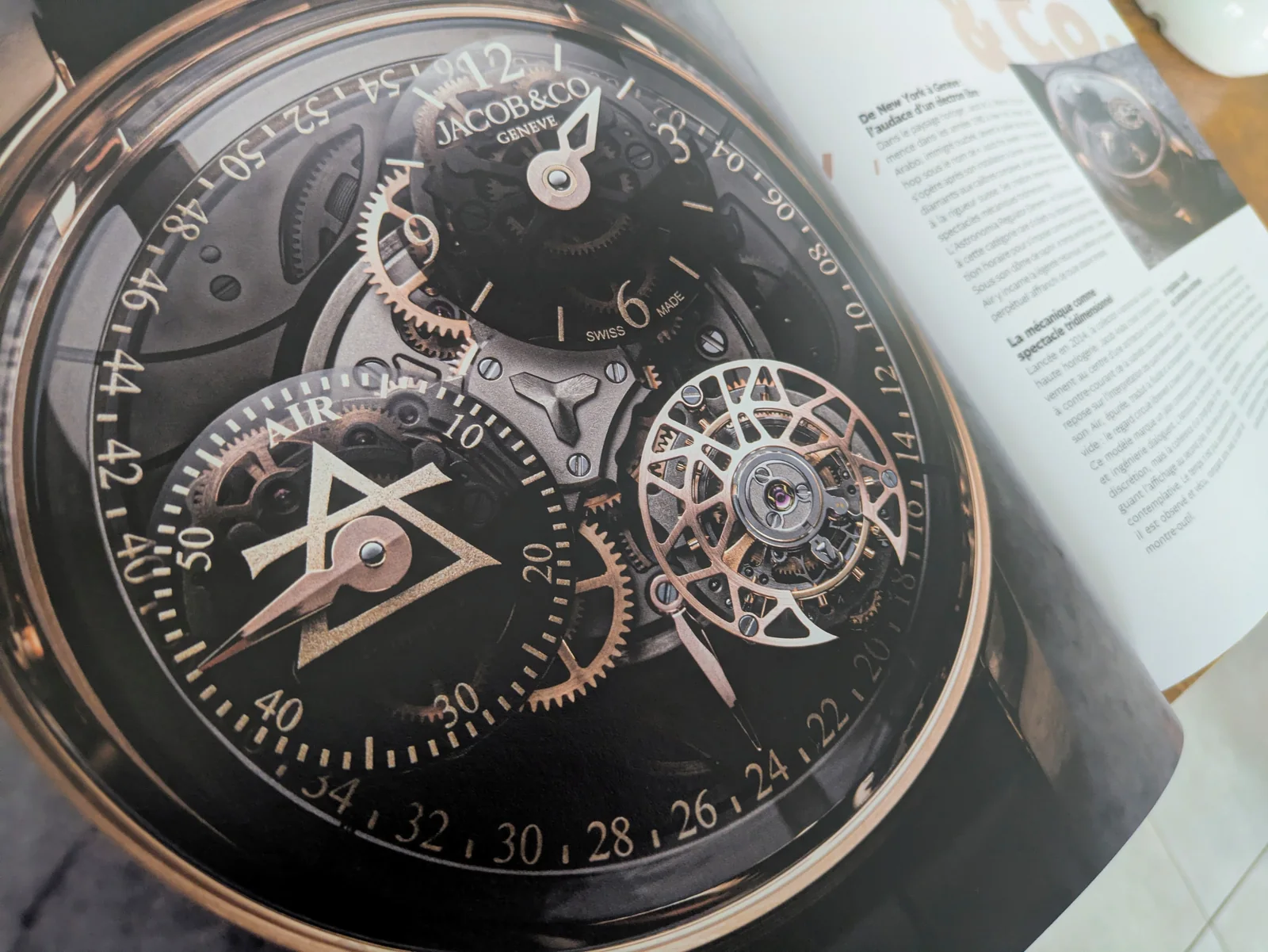
Other creations illustrate different approaches to horological exceptionalism, such as the Bulgari Octo Finissimo Tattoo, Daniel Roth’s Tourbillon Platinum and the spectacular pieces from Jacob & Co. Ressence is also among the maisons given pride of place.
This is not simply a matter of bringing together extravagant complications or watches with dizzying price tags. The interest lies in the diversity of the propositions.
Some push back the boundaries of miniaturisation and mechanical architecture. Others experiment with new materials, dismantle aesthetic conventions or simply reinvent the way time is read.
Samuel Rozand brings a complementary perspective to the collection. A passionate advocate of independent watchmaking, he makes the technical particularities of the watches presented accessible, even when their mechanisms become especially complex.
This explanatory work is essential. A watch may immediately appeal through its appearance, but understanding its creator’s approach and the technical challenges that had to be overcome to bring it to life allows us to appreciate it in a different way. Watchmaking can sometimes be akin to a form of conceptual art. Behind these creations, however, there is genuine craftsmanship, and a reality that goes far beyond the purely conceptual bullshit of certain works we have all encountered.
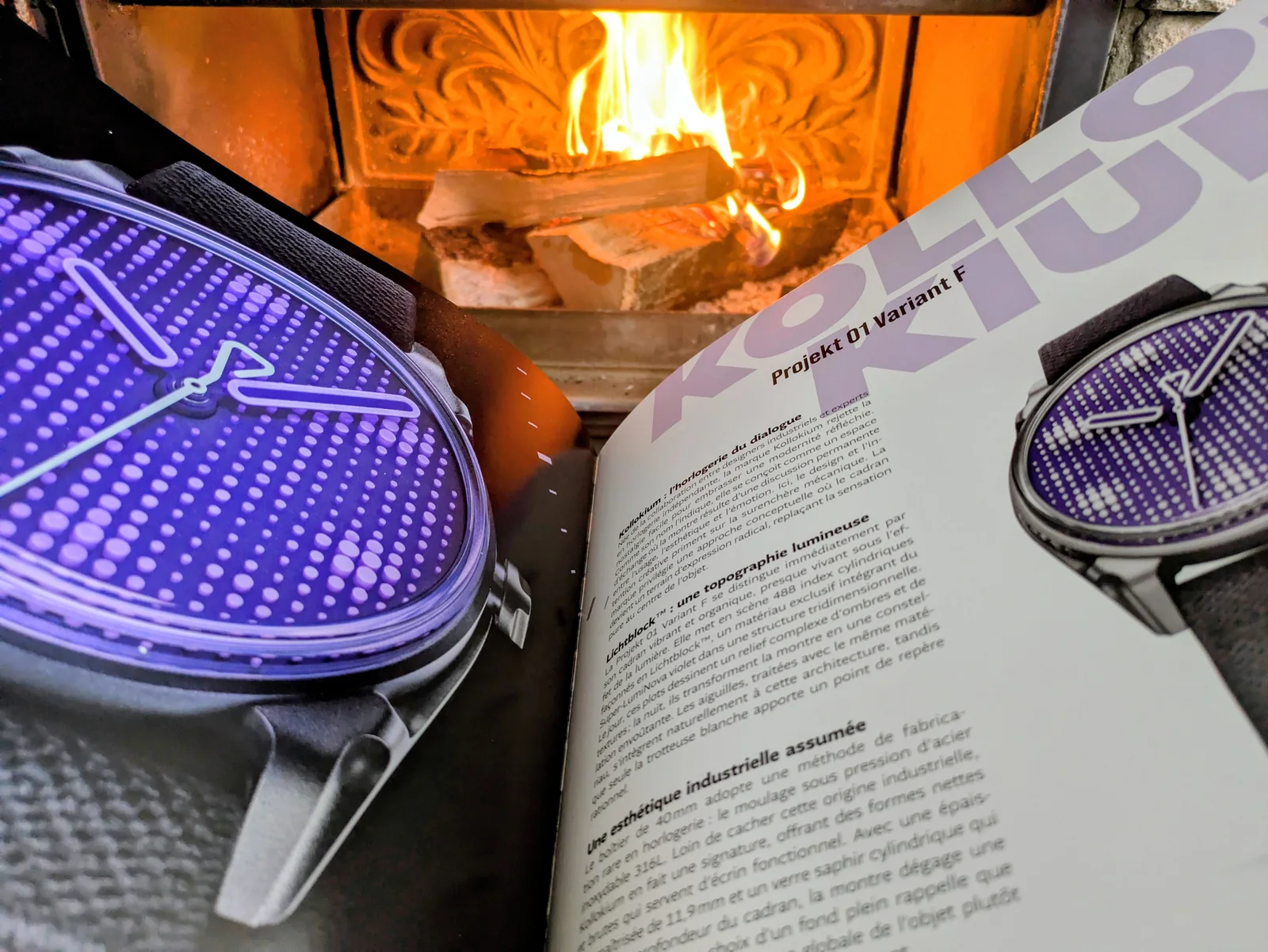
A lavish book that gives photography centre stage
“Beautifully made” was my first impression.
With its large square format of 29.5 × 29.5 cm, 224 pages and hard binding, the book fully belongs to the category of lavish illustrated volumes that one enjoys leafing through, then keeping close at hand to return to later.
Photography occupies a central place. It highlights the architecture of the movements, the finishes, the materials and those small details that can make all the difference between a technically impressive watch and a true horological creation.
This is also one of the pleasures of this kind of publication: taking the time to study pieces that some enthusiasts will probably never be able to access, yet which can nonetheless be admired for their ingenuity or beauty.
At a time when watchmaking novelties stream across our screens every day, a beautifully printed book offers a different experience. You can linger over a photograph, return to a mechanism and discover a creation without immediately being assailed by the next one. The book reminds us that paper is not dead.
The selection includes a few frankly extravagant pieces, as well as others that are more discreet, but all bear witness to the remarkable creative vitality of contemporary watchmaking.
A selection that closely resembles Chronopassion
It is difficult, however, not to notice that many of the brands showcased in the book are also represented at Chronopassion.
It would be naïve to regard the book as entirely detached from Laurent Picciotto’s commercial activities. In a sense, it is also a formidable showcase for the world he has built over the years.
Yet there is nothing incoherent about the approach. For nearly 40 years, Picciotto has selected precisely the watches that correspond to his vision of high watchmaking. It is difficult to see why he would devote a book today to creations that left him indifferent.
That is probably where part of his success lies: his personal tastes, convictions and professional activities appear to form a remarkably coherent whole.
Picciotto did not wait for certain independent manufactures to become indispensable before championing them. He sometimes placed his trust in them when they had neither international recognition nor an established clientele.
This approach explains why Chronopassion has such a distinctive identity.
High-watchmaking enthusiasts can, of course, visit a retailer to buy a prestigious watch. They may also be looking for something else: a point of view, a selection, a personality capable of introducing them to a creation they would never have considered.
This dimension becomes particularly interesting at a time when part of the watch industry is tending to multiply interchangeable messages and highly codified products.
The wealthiest collectors do not necessarily need someone to roll out the red carpet while reciting a marketing pitch carefully approved by several communications departments. They have often already seen everything, heard everything and sometimes owned everything. What can still surprise them is a truly singular watch, presented by someone who speaks about it with conviction.
A brand’s identity, the story of its founders and the personality of its creations can sometimes matter more than a famous logo.
That identity can also be expected of the retailer. In this respect, Laurent Picciotto undoubtedly has a head start.
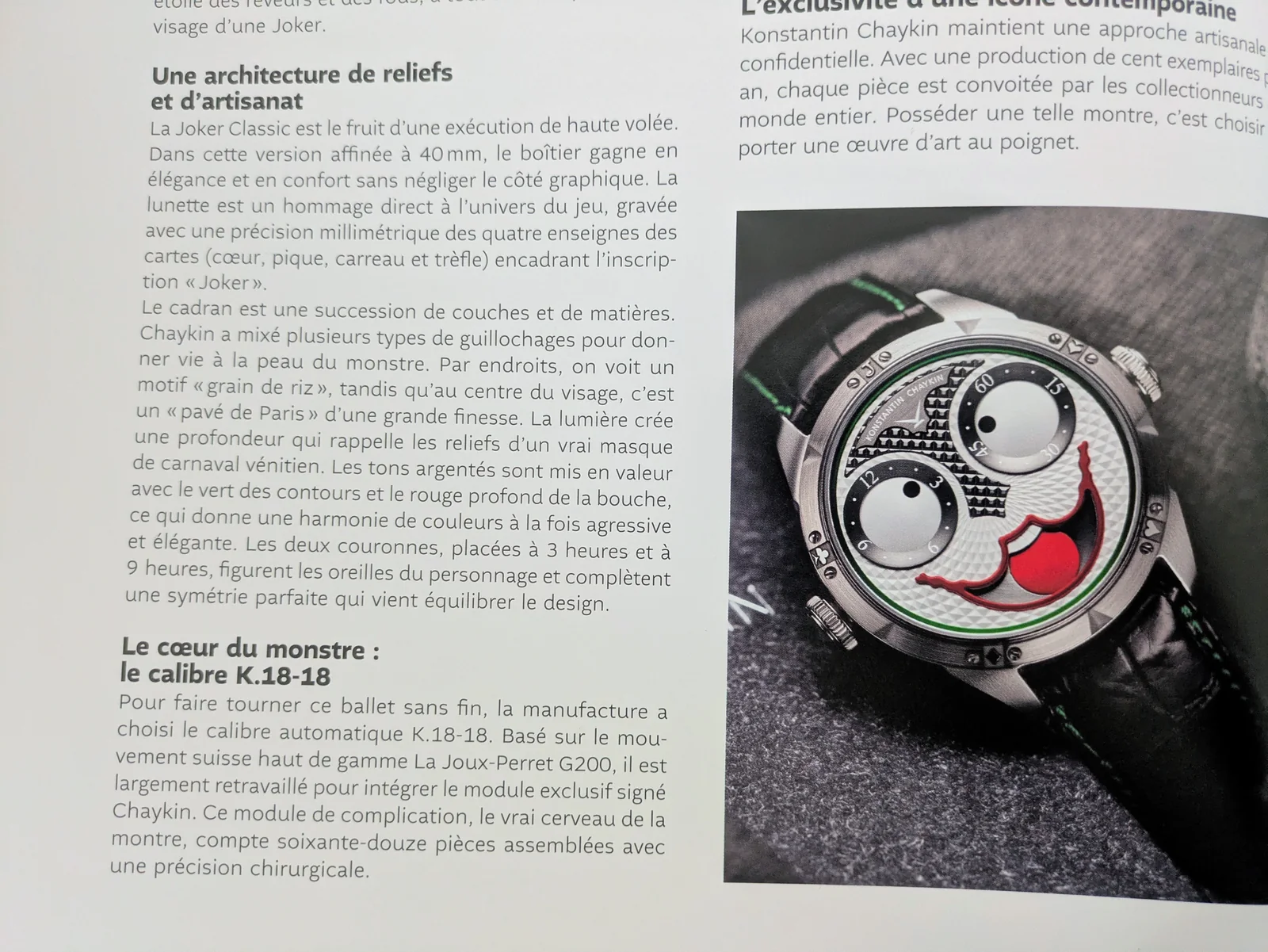
Beyond the 40 watches presented, Out of the Ordinary indirectly tells part of the story of contemporary high watchmaking: the story of creators who refused to leave the monopoly on excellence, innovation and legitimacy solely in the hands of the historic manufactures.
Laurent Picciotto was one of the figures behind this transformation.
His career reminds us that an exceptional watch is not reducible to a complication, an accumulation of expertise or a prestigious signature. It has an identity, a history and sometimes that small dose of insolence that makes all the difference.
It probably takes a certain independence of mind to bet on watches that no one yet understands, before seeing them become coveted references among collectors.
Picciotto has clearly cultivated this independence both in his professional life and in his personal passions. Music, motorcycles and watches all express the same fondness for objects with character and personalities that dare to follow their own path.
There is ultimately an obvious parallel between this man and the manufactures he helped bring to wider attention. MB&F has never sought to make watches for everyone. Neither has Urwerk. Their singularity has become their signature, even if it displeases those who prefer more conventional watchmaking.
Take it or leave it, in other words.
That philosophy could just as easily sum up Laurent Picciotto’s career.
So yes, Out of the Ordinary is a magnificent book devoted to exceptional watches. A volume that enthusiasts of independent watchmaking will enjoy discovering and keeping on their bookshelves.
In its own way, it is also an indirect portrait of a man who never really sought to fall into line.
High watchmaking would undoubtedly have been a little less interesting without a few personalities like his.
Out of the Ordinary: Exceptional Watches — Book details
- Authors: Laurent Picciotto and Samuel Rozand
- Publisher: Éditions Ouest-France
- Collection: Lavishly Illustrated Books
- Publication date: 30 October 2026
- Format: 29.5 × 29.5 cm, hardbound
- Length: 224 pages
- RRP: €49
- ISBN: 9782737392764
Interested in this watch?
Price, availability, contact: we can activate our watch-industry network to help you.