Is a More Expensive Watch Movement Really Better?
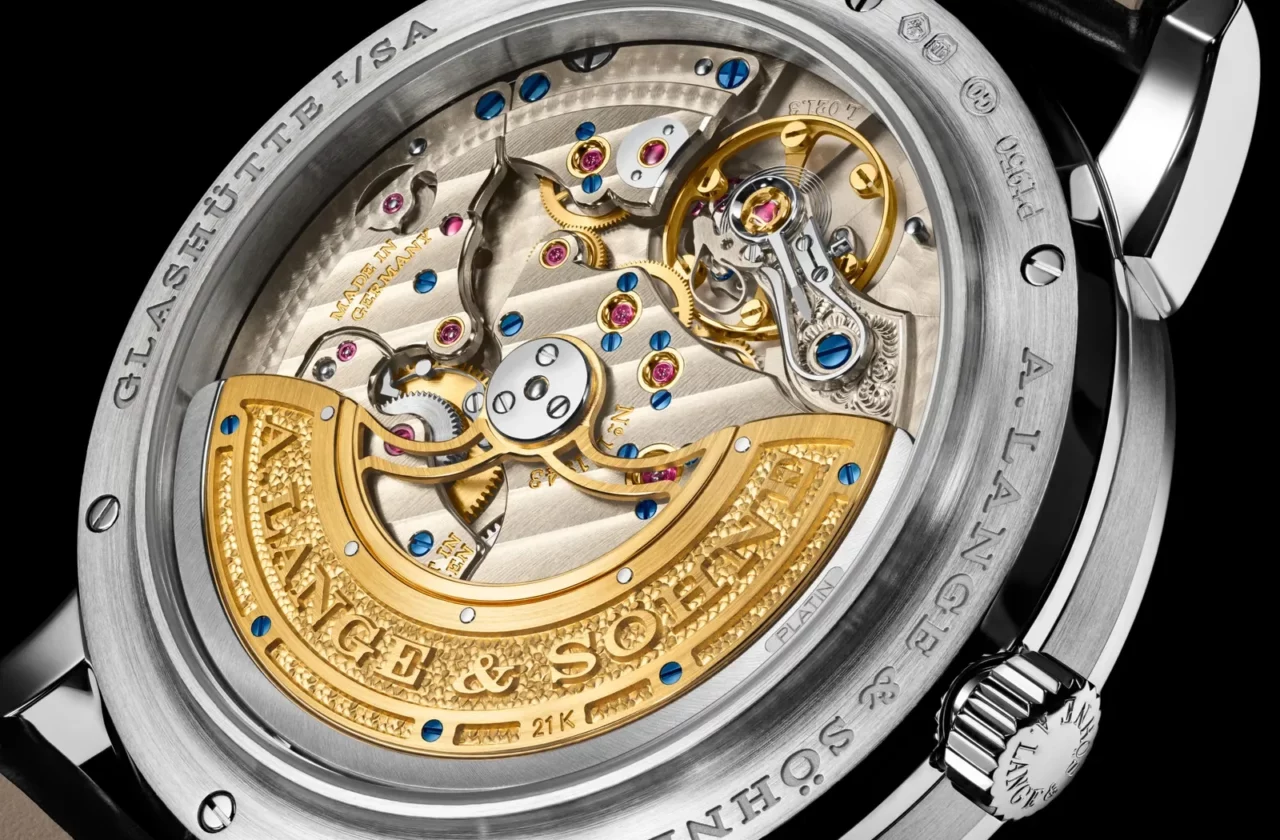

It is a question that many enthusiasts eventually ask themselves: what do you actually gain by paying considerably more for a movement? Greater accuracy? Better reliability? A watch that will last longer? A movement that is easier to repair? Or simply something more prestigious?
The answer is not particularly comfortable for the watch industry: a much more expensive movement is not necessarily much more reliable, much more accurate or much more durable.
That does not mean the price difference is unjustified. It simply means that you are not always paying for what you think you are paying for.
An expensive movement will not necessarily last longer
We should first put aside the idea that a movement costing three or five times as much will logically last three or five times longer.
A simple, well-designed mechanical movement that is properly maintained can run for several decades. There are thousands of examples from ETA, Sellita, Seiko and Miyota, not to mention Swiss calibres from the 1950s to the 1970s that are still running today.
Miyota is actually a fairly good example of what I would happily call a “tractor”. It is not always the sexiest thing to display through a transparent case back, but some of their calibres are robust, proven and able to absorb the passing years without making much fuss.
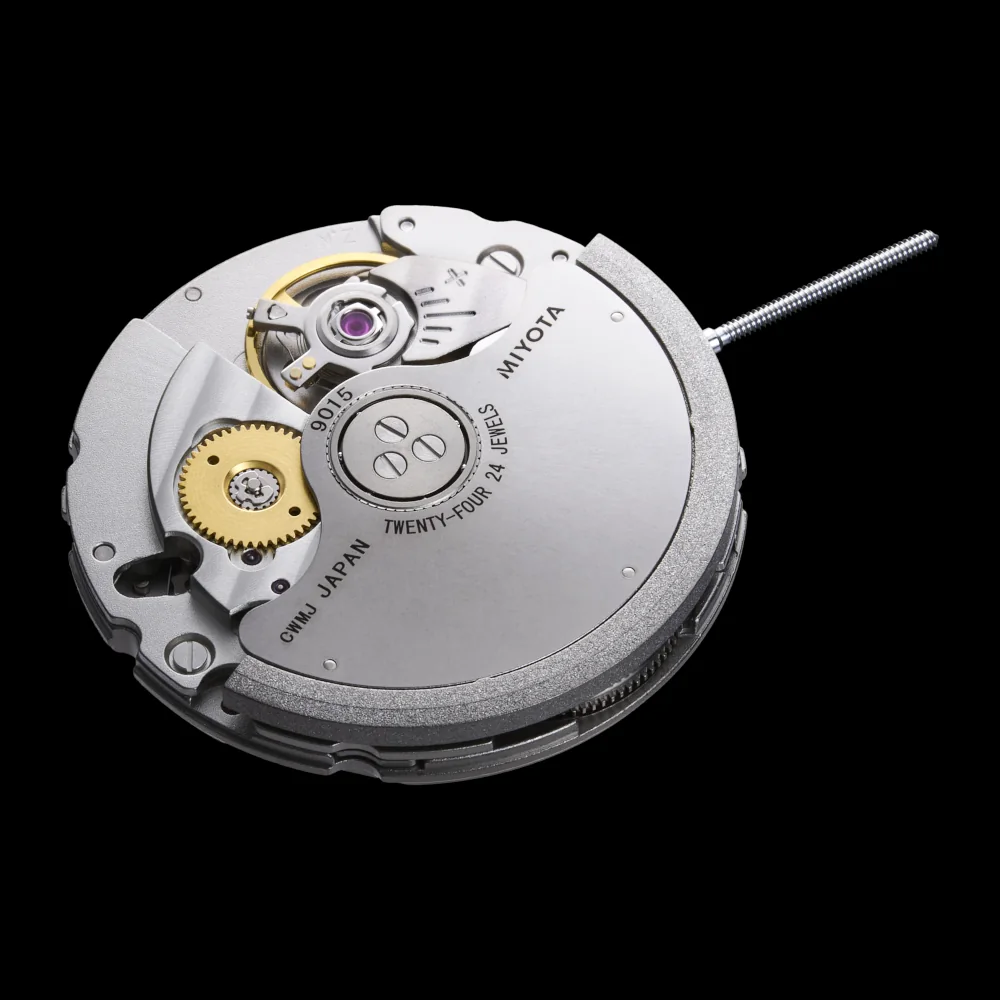
The Miyota 9015, for example, operates at 28,800 vibrations per hour, offers around 42 hours of power reserve and is just 3.9 mm thick. On paper, there is nothing extravagant about it. In reality, it is a modern, compact and reliable movement that can be regulated very accurately.
“Simple is beautiful“
The more complications you add, the more parts, adjustments and friction you introduce—and therefore the more potential causes of failure or loss of regulation.
A perpetual calendar is a mechanical marvel. But if my sole criterion is to determine which watch is most likely to run quietly for years with the minimum of trouble, I would not necessarily bet on the perpetual calendar over a good three-hander.
A complication demonstrates expertise. It does not automatically improve reliability. Very often, the opposite is true.
Accuracy does not explain the price either
A more expensive movement may be better regulated, better controlled and more stable. But here again, there is no direct proportionality.
The Miyota 9015 is officially rated at between -10 and +30 seconds per day, but a properly regulated example can obviously perform much better. The same applies to certain ETA and Sellita movements.
And if you want more serious chronometric guarantees, you can turn to COSC-certified movements, tested in different positions and at different temperatures, with an average daily rate between -4 and +6 seconds for the mechanical movements concerned. Objectively speaking, these are better controlled.
But we should still keep things in perspective: a €100 quartz watch can be more accurate than a €15,000 mechanical watch. So if haute horlogerie were purely a race for accuracy, the debate would have been settled long ago. Clearly, that is not the case.
“Tractor” movements also have a huge advantage: after-sales service
This is an aspect we do not always consider when buying a watch. Take a widely used ETA or Sellita movement. Vast numbers of watches are equipped with them. Watchmakers know these movements. The methods for dismantling and regulating them are well established. Parts are widely available. There are also plenty of donor movements. That is reassuring. When the watch needs attention, you are not necessarily entirely dependent on the manufacturer.
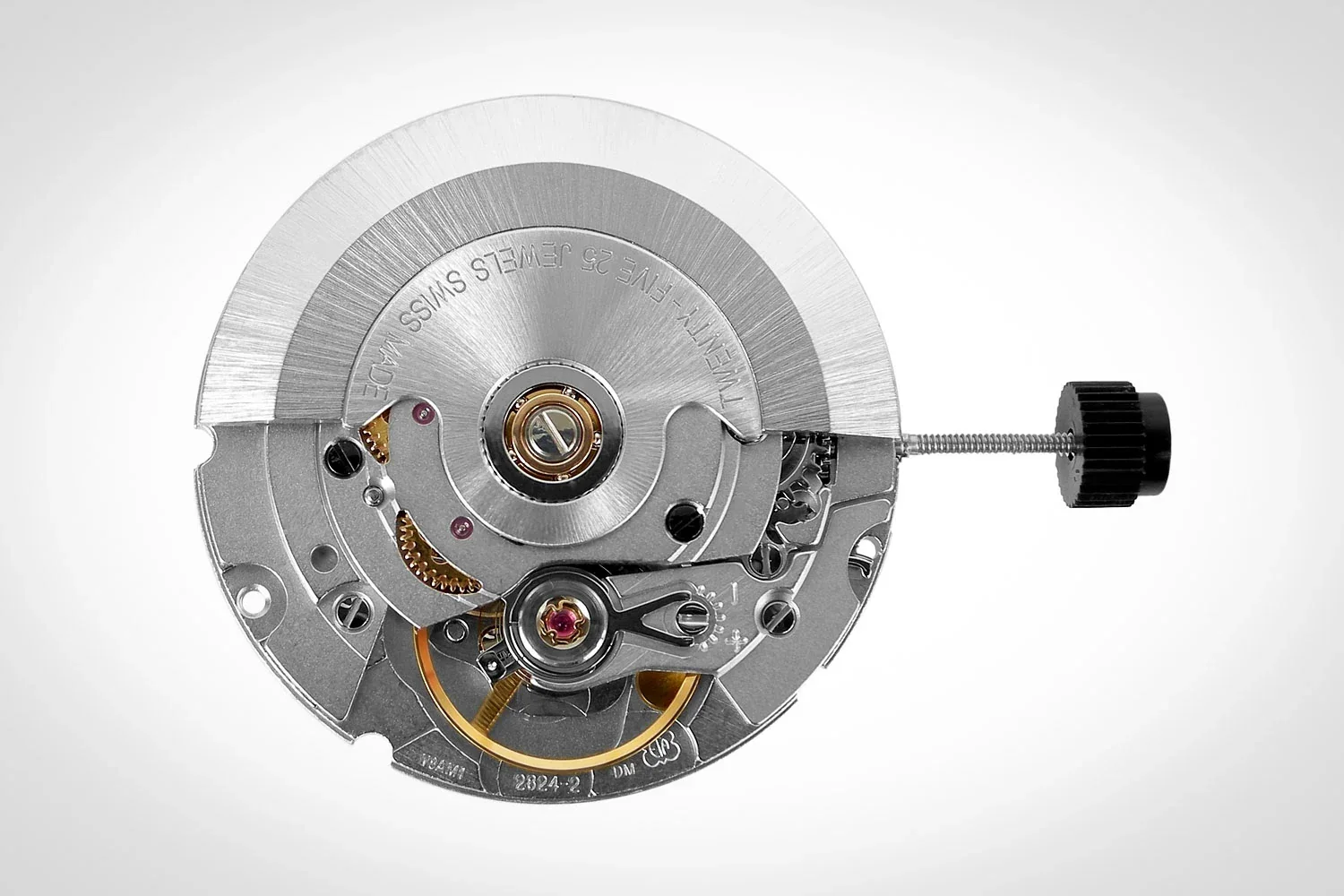
A highly sophisticated manufacture movement may be far more interesting from a technical standpoint, but it can also tie you to the brand’s after-sales network. And with certain manufactures, a proprietary movement sometimes also means proprietary servicing, proprietary parts and a proprietary bill.
This is not a criticism of manufacture movements. They are often what makes a watch interesting, but you need to understand what you are buying.
For someone primarily looking for a reliable everyday watch that is easy to maintain, the good old generic movement still has some very strong arguments in its favour.
And yet, a beautiful movement can justify many things
There is, however, one situation in which I completely understand spending considerably more: when the movement is part of the spectacle.
On a watch with a solid case back, let’s be frank, some of the calibre’s finishing becomes almost theoretical for its owner. Knowing that the bridges have been beautifully bevelled or that an invisible component has been hand-polished is intellectually interesting, but once the watch is on the wrist, you see none of it.
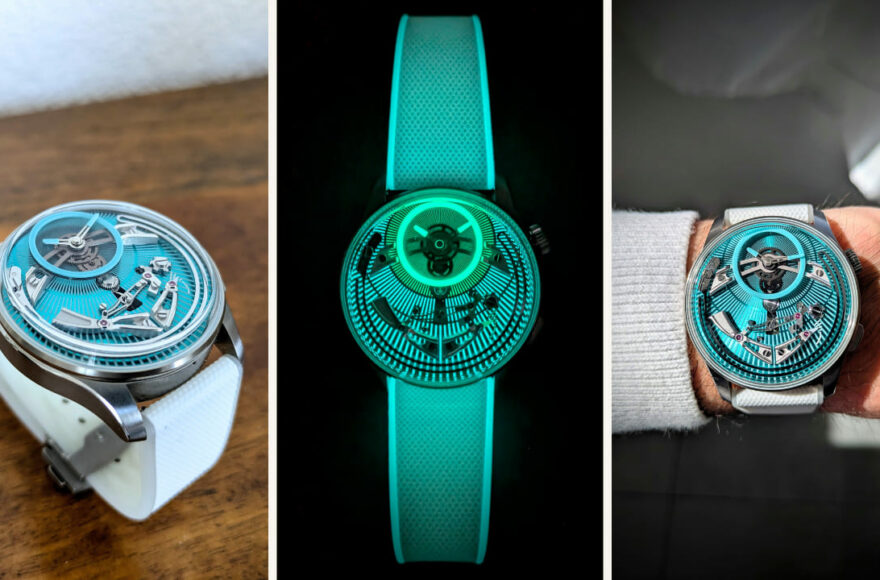
With a sapphire case back, however, it is a different story—and even more so with a skeleton watch. There, a beautiful movement can genuinely become an essential part of the watch. Beautifully designed bridges, crisp bevels, polished screws, Geneva stripes, perlage, finely finished wheels, an appealing architecture, a well-integrated oscillating weight … it can be superb. It is not necessarily rational, but a mechanical watch itself has not really been rational for a long time.
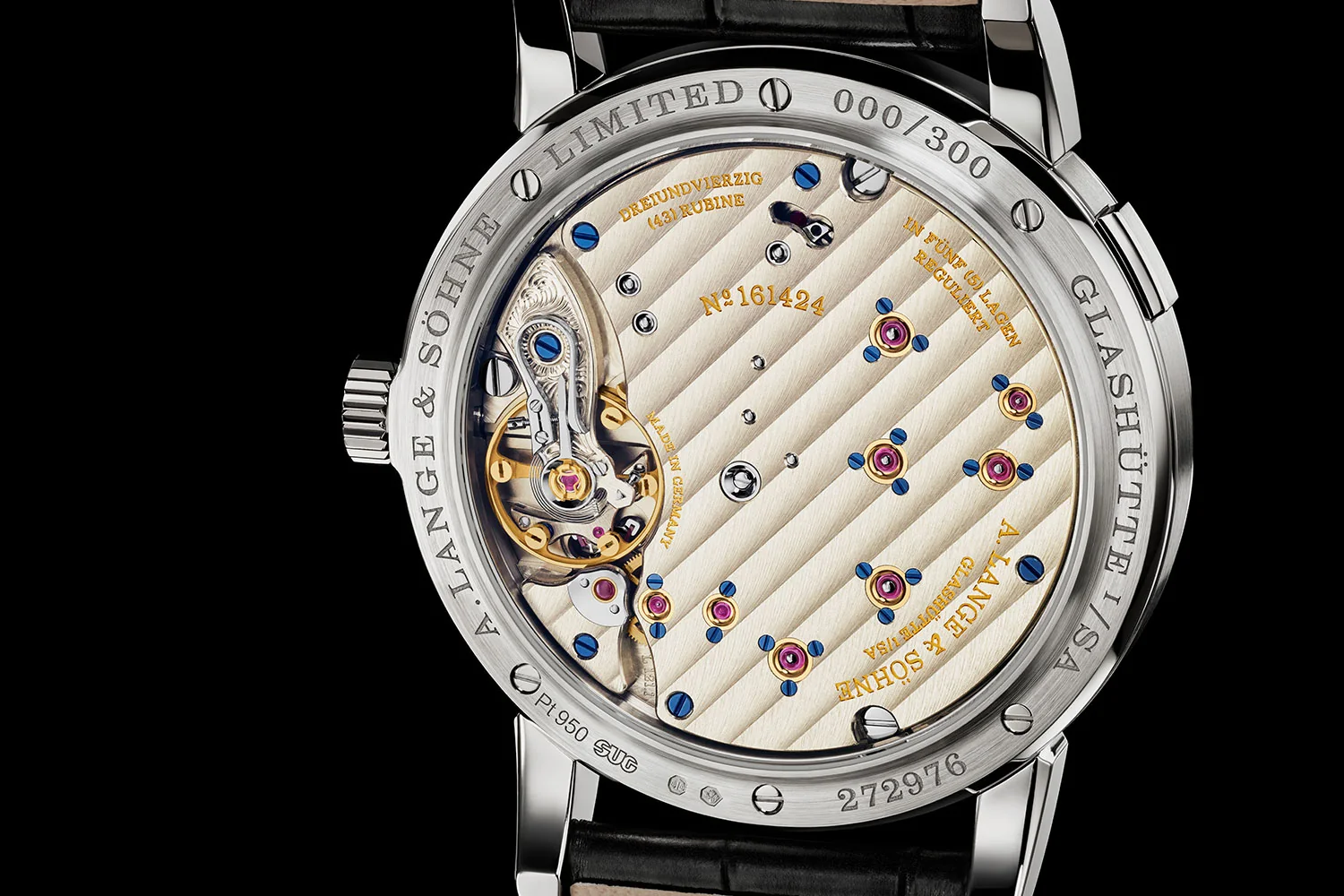
When the movement is visible, I therefore find it perfectly logical to attach importance to its beauty. That is not the same thing as reliability or accuracy. It is simply another criterion. Depending on the watch you are buying, it can become extremely important.
Thinness is also something you pay for
There are also technical differences that are not necessarily immediately apparent. Making a movement function correctly is already no simple task, but making the same kind of mechanism work in less space is considerably more complicated.
You have to fit the mainspring barrel, gear train, automatic winding system, escapement and sometimes complications into a thinner movement.
A relatively affordable movement can already be very well designed: the Miyota 9015 is just 3.9 mm thick.
But when you want to combine thinness, a long power reserve, complications, resistance, accuracy and beautiful finishing, the difficulty rises very quickly.
The price of certain watches is therefore directly correlated with this feat of engineering, which makes it possible to combine complications without ending up with a brick on your wrist that will not fit under a shirt cuff.
High-frequency movements
A traditional mechanical movement does not actually make the seconds hand advance continuously. At 4 Hz, as with a great many modern movements, the hand makes eight small jumps per second. With a Hi-Beat movement running at 36,000 vibrations per hour, or 5 Hz, it makes ten, resulting in a smoother sweep.
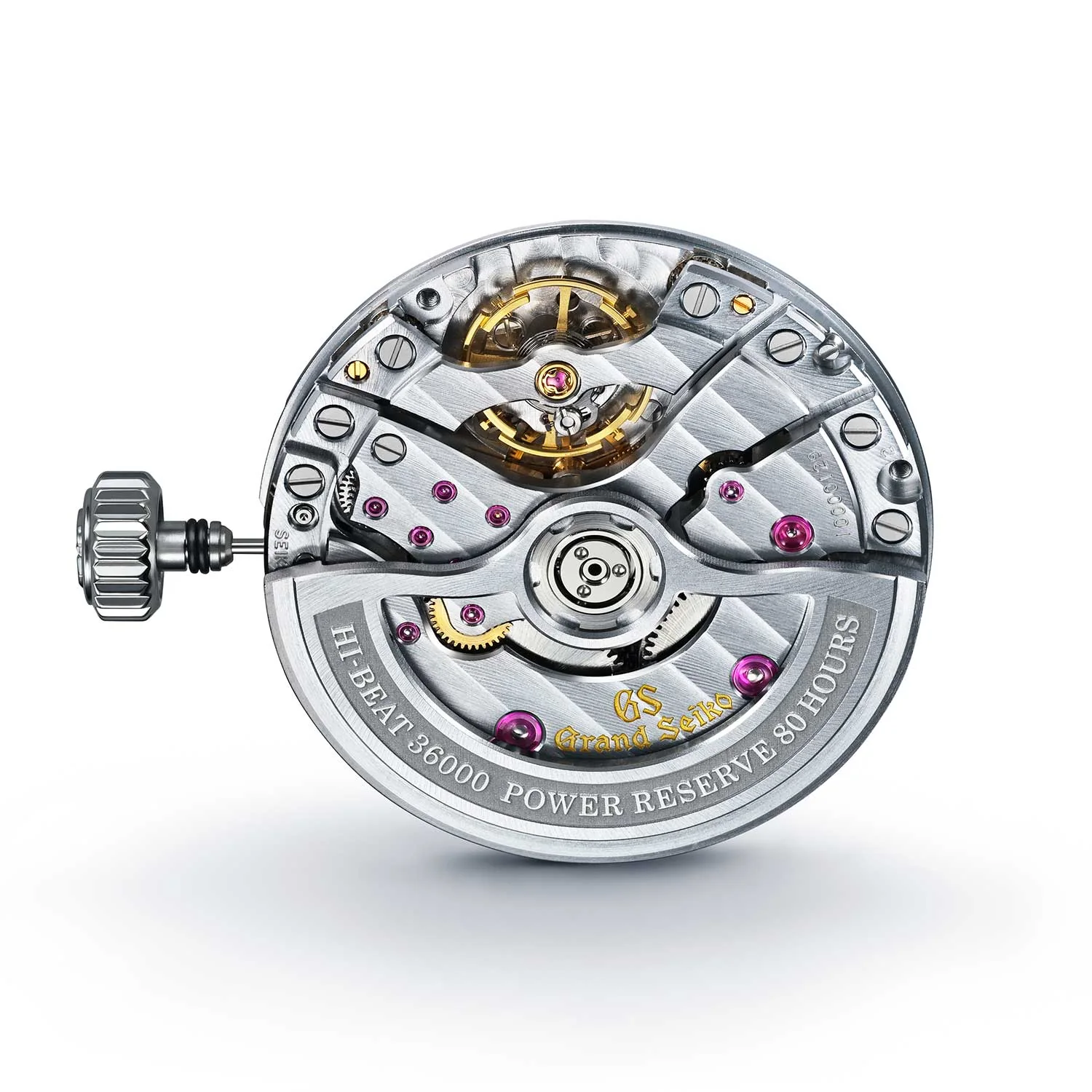
This can also offer a chronometric advantage, but operating a movement at high frequency imposes additional demands: energy consumption, wear, lubrication, materials … The rest of the calibre therefore has to be engineered accordingly in order to maintain good performance and a respectable power reserve. Engineering is also what appears on the bill.
But once again, this does not mean the movement will be more robust than a good, much simpler calibre.
Vintage watches show just how much simplicity can deliver
Vintage watches provide a particularly telling example. Take a Zenith Surf fitted with a calibre from the 25xx family, or a Certina DS from the 1960s or 1970s: even today, you can still find examples running very well after several decades.
At the time, manufacturers often relied on relatively simple and robust movements that watchmakers could maintain and repair without turning every intervention into a puzzle.
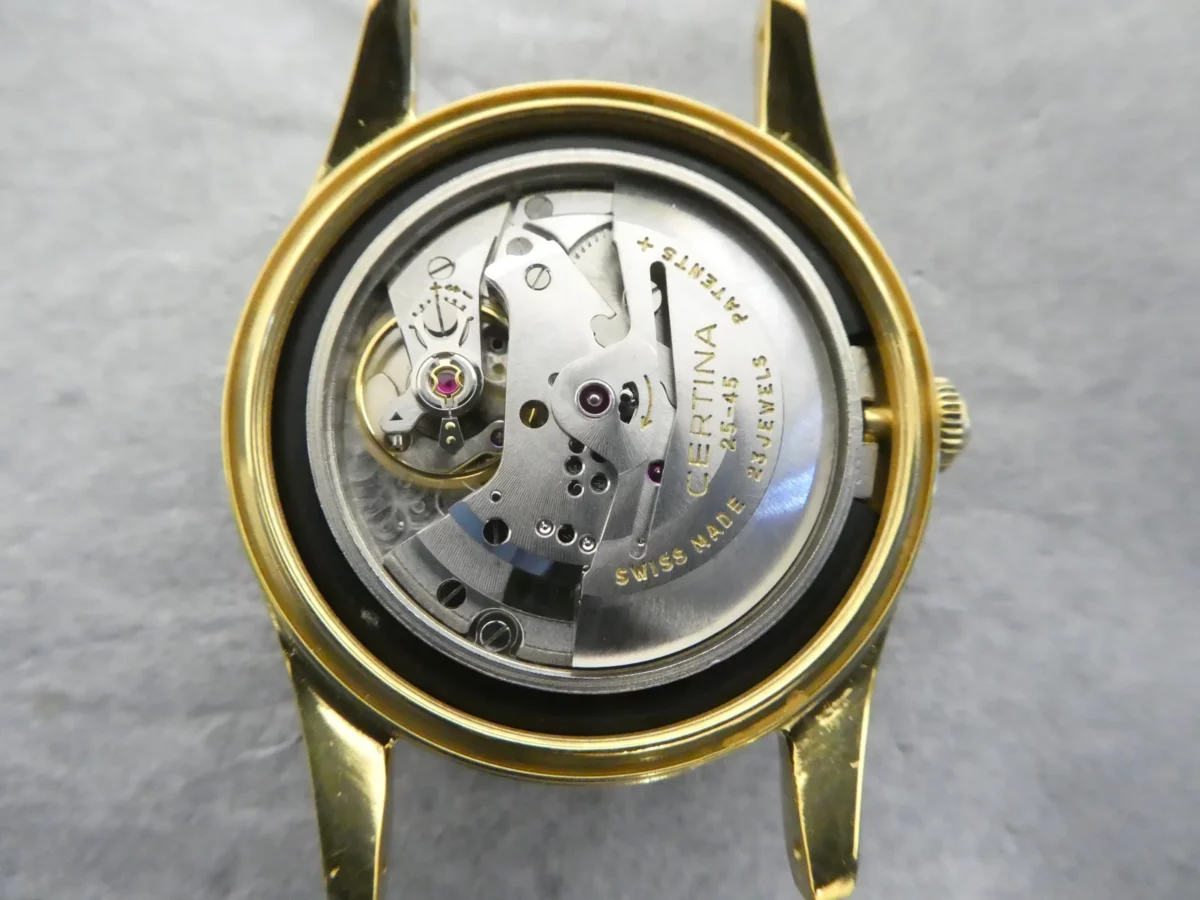
When you come across a good example with a movement whose parts remain available, the value for money can be impressive, although that does not mean vintage watches should be idealised.
A fifty-year-old watch may have been poorly serviced, tinkered with, worn out or contain parts that have become impossible to find. What matters then is not just the model, but its condition.
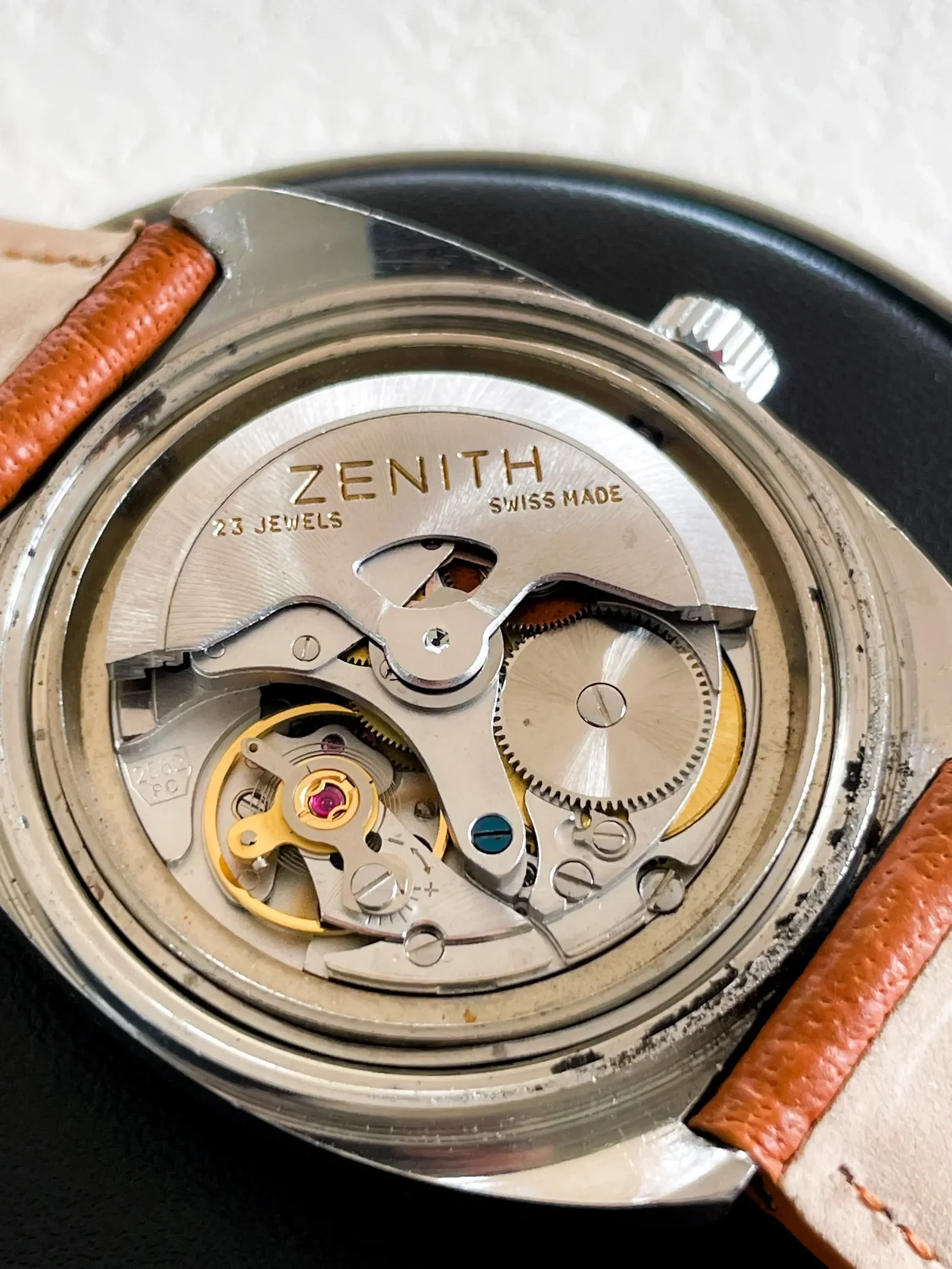
A well-maintained old tractor can still plough for a long time. An old tractor abused by ten successive owners remains an abused old tractor.
So where does the money really go?
This is ultimately where the answer becomes interesting. Between a truly low-end movement and a good modern mechanical movement, you can gain a great deal: better design, greater manufacturing precision, better regulation, improved resistance, more suitable materials, and a thinner or more efficient movement.
As you move upmarket, an increasing portion of the price goes towards something else: finishing, complexity, an original architecture, more limited production, handcraft, complications, thinness, exclusivity … and, obviously, sometimes a great deal of branding. It would be naïve to claim otherwise.
That does not make the watch a bad one. It simply means that beyond a certain level, you are no longer buying just a machine designed to tell the time.
Ultimately, the best movement depends above all on what you want to use it for
If I am looking for a watch to wear every day, one that I can have serviced without turning every overhaul into an expedition to the manufacture, a good Miyota, ETA or Sellita may be exactly what I need. I would probably feel much more at ease with one of those than with certain far more sophisticated calibres.
If, on the other hand, I want a watch whose case back I will regularly turn over to watch the movement at work, my expectations will be different. In that case, I will want beautiful bridges, an attractive movement, clean finishing and an interesting architecture.
And if I buy a skeleton watch, then the mechanics become part of the dial itself. In that case, spending money on the beauty of the movement makes perfect sense.
The most expensive movement is not necessarily the best movement.
A simple, proven movement can be more reliable, easier to repair and more than accurate enough for everyday use. A high-end movement may be more beautiful, more sophisticated, thinner, more complex and technically far more interesting. They simply offer different qualities.
Personally, I have a great deal of respect for watchmaking “tractors”. There is something deeply reassuring about a simple, well-designed, properly regulated movement that any good watchmaker will still be able to service twenty years from now.
Nevertheless, I understand the pleasure of turning over a watch and spending a few seconds looking at a beautiful calibre through the sapphire case back. You know the moment: the one when you are no longer checking the time, but contemplating the watch.