What Is a Grand Feu Enamel Dial?
Grand Feu Enamel Dials—The Art of Fire That Forgives Nothing
What is a Grand Feu enamel dial? Put simply, it is a dial made by melting crushed glass at high temperature and firing and vitrifying it in layer after layer, creating a deep, almost liquid-like surface that time and light cannot easily penetrate. More precisely, it is one of the least forgiving—and at the same time, one of the most beautiful—crafts in traditional watchmaking.
A Grand Feu enamel dial is not trying to shine like lacquer or captivate like a magnificent sunburst finish. It is something else entirely. Presence. A coolness imbued with light. An optical density that is easier to appreciate when holding the watch in your hand than when looking at a photograph. As is often the case with genuinely beautiful things, it is not particularly accommodating to algorithms or impatient people.
What Does “Grand Feu” Mean in Watchmaking?
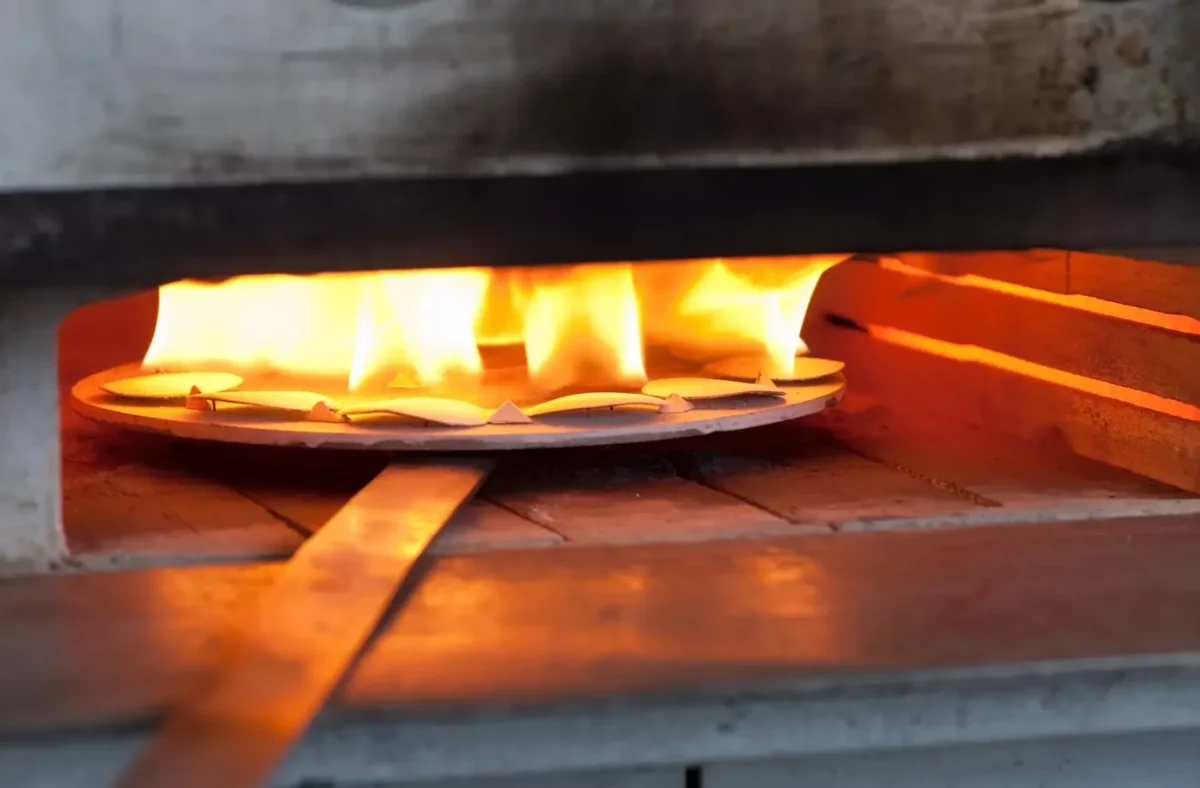
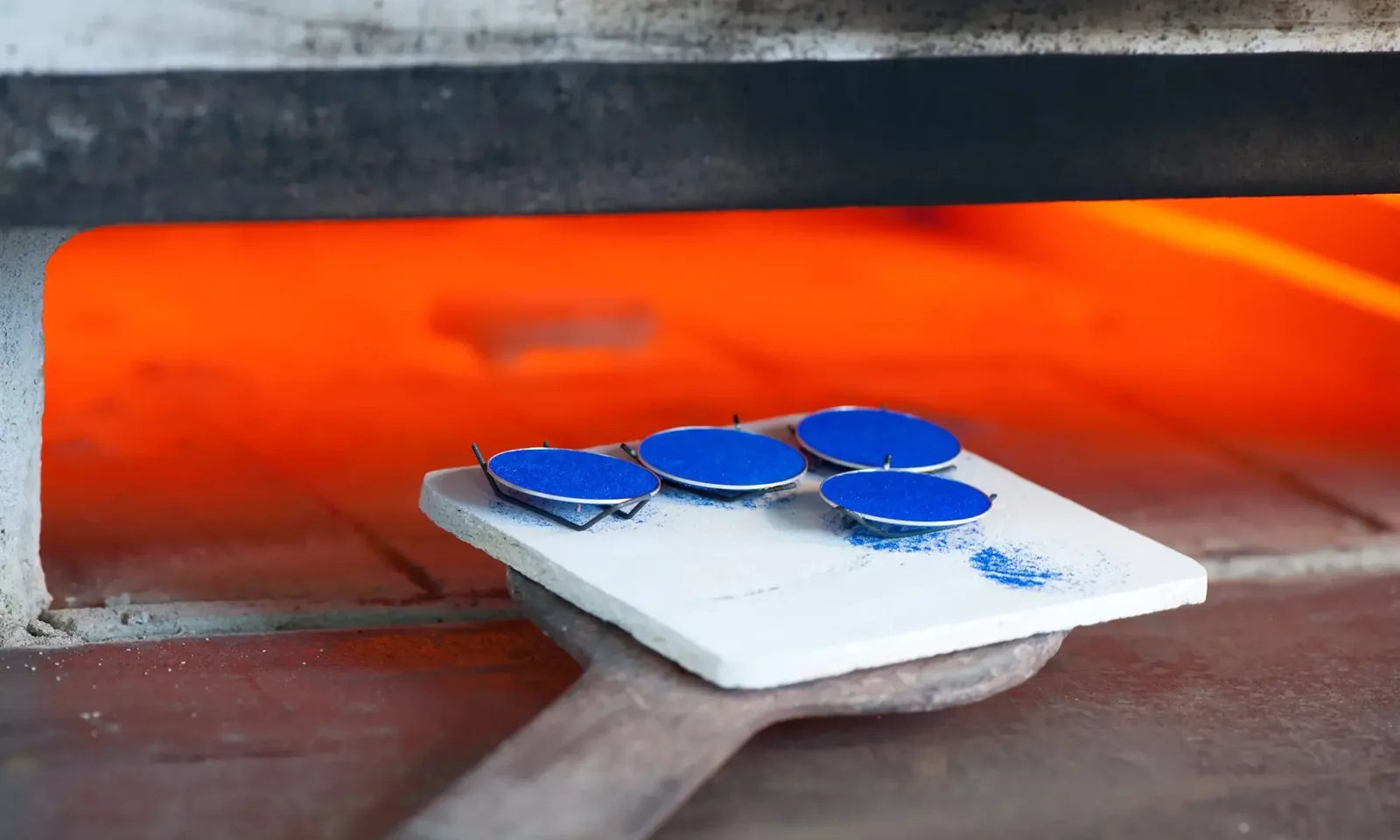
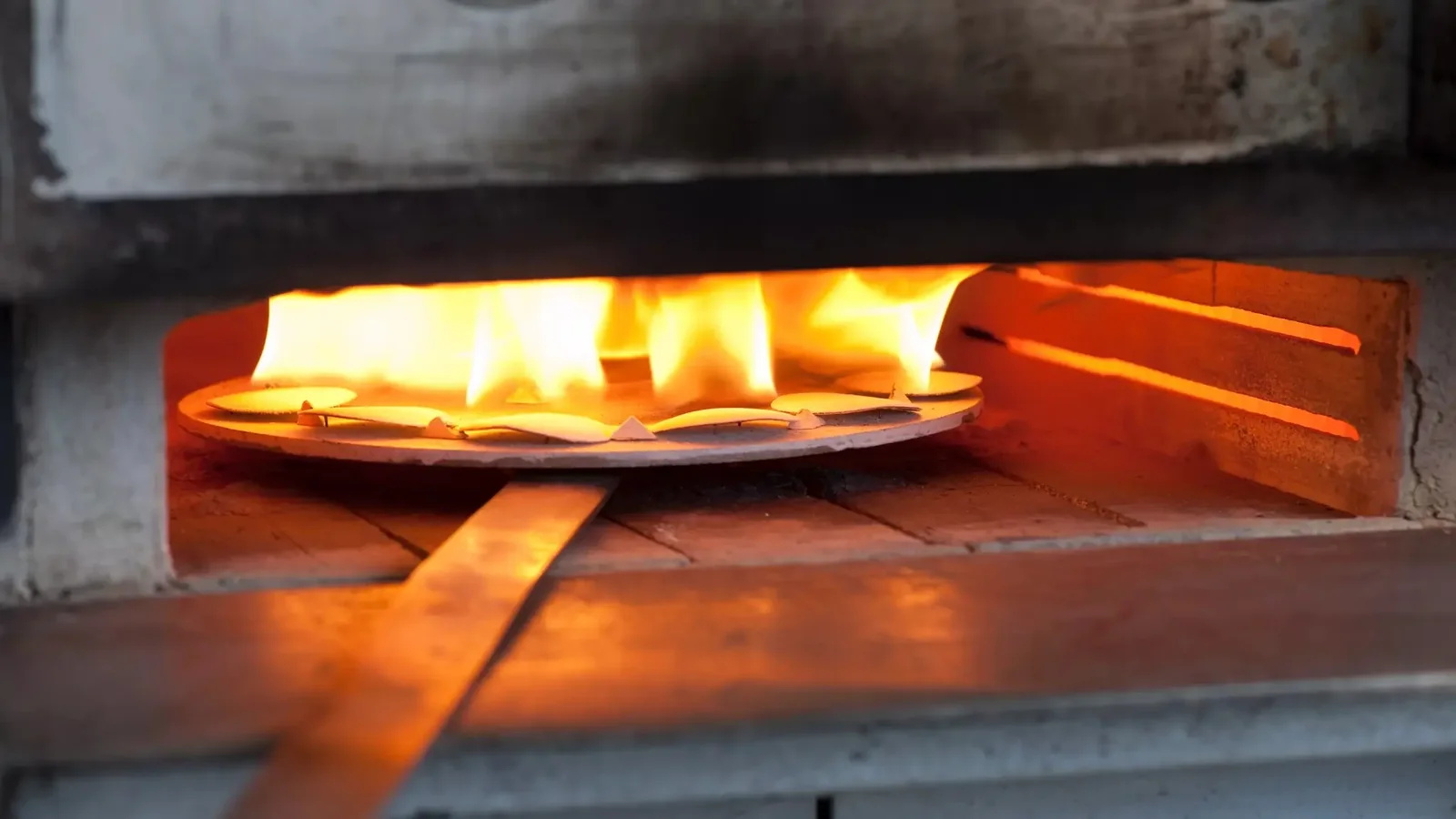
“Grand Feu” generally refers to an enamelling technique in which glass is vitrified at high temperatures—typically between 750 and 900°C, depending on the formulation, colour and workshop. Enamel is a mixture of silica and metal oxides ground into an extremely fine powder, which is applied to a metal base. For dials, that base is usually copper, silver and, occasionally, gold. It is then placed in a kiln. The powder melts, vitrifies, spreads and finally solidifies.
That is the elegant explanation. In reality, the dial may come out of the kiln warped, cracked, blistered, discoloured or covered in tiny bubbles, looking rather like the result of a high-school chemistry experiment. Grand Feu enamel is beautiful because it is difficult. Not because it is practical.
Every trip into the kiln is a gamble. The artisan applies one layer, fires it, lets it cool, inspects it and sometimes polishes it before repeating the process. There may be three firings, five, eight or, in some cases, even more. The finished dial is determined by countless small decisions involving the thickness of the powder, humidity, temperature, firing time and cooling rate. The slightest excess is swiftly punished.
How Is a Grand Feu Enamel Dial Made?
The process varies from one manufacture to another, but the broad sequence is remarkably consistent. And that is precisely what explains why enamel dials are never quite identical to one another.
Preparing the Plate
It all begins with a thin metal plate. Because enamel tolerates no internal stress, the plate must be prepared perfectly. On traditional dials, counter-enamel is often applied to the reverse side to balance the stresses created by vitrification. Without it, the plate can warp like an old frying pan forgotten over a flame.
Applying the Enamel
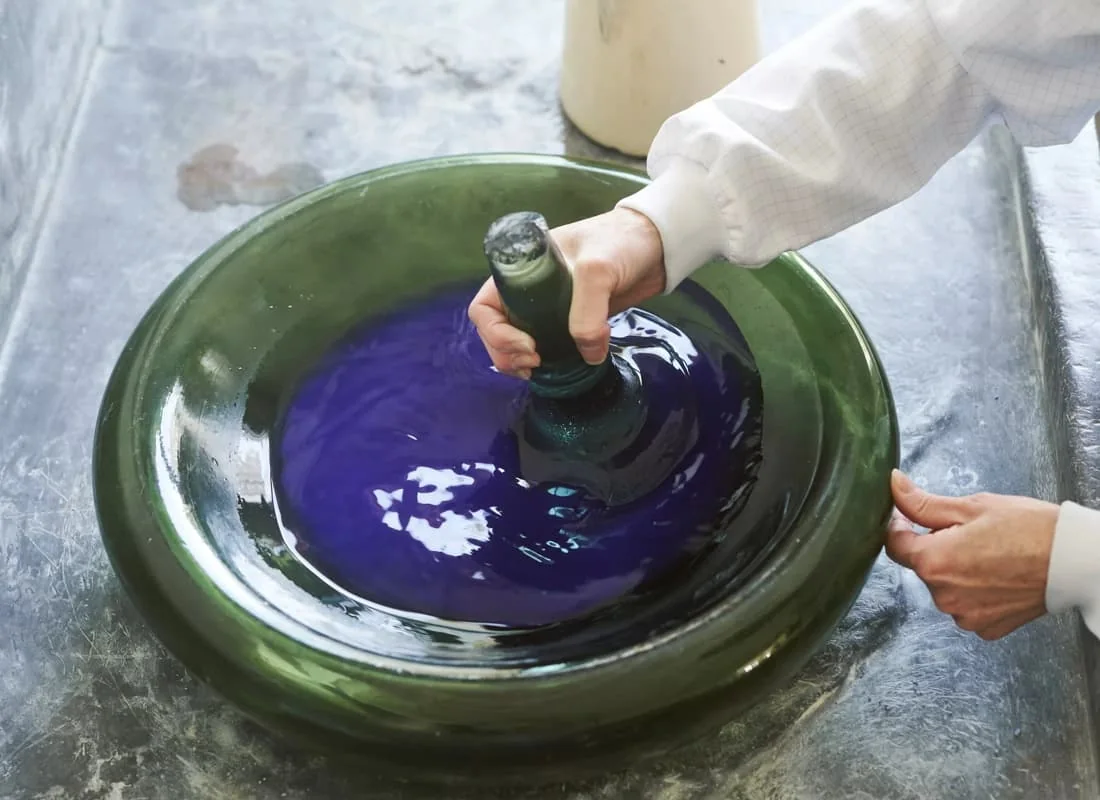
The enamel, crushed into powder, is cleaned, sifted and laid down in uniform layers. Depending on the technique, it is applied wet or dry. Artisans call it a “living material”, and this time the phrase is not the kind of pretentious language found in a press release. Powder that is too coarse, a layer that is too thick or an uneven distribution across the surface can all compromise the purity of the final result.
Firing in the Kiln
Then comes the Grand Feu moment. The dial enters the kiln, the powder turns to glass and the colour reveals itself—or exposes its true nature. Some colours are particularly temperamental. Grand Feu white, for example, is unforgiving because it reveals every impurity and even the smallest imperfection on the surface. Blue requires precise control of the oxides. Black may develop magnificent depth or become hopelessly flat.
Polishing and Finishing
After several firings, the dial may be polished with a grinding wheel or diamond to achieve a perfectly flat surface. The inscriptions are printed afterwards and, depending on the method, may be fired once again. The indexes may be painted, applied or integrated by another method, according to the style of the watch. In every case, the challenge is the same: not to ruin, in a few finishing operations, work that has been built up over hours on the brink of failure.
Why Are Grand Feu Enamel Dials So Coveted?
Because they age more beautifully than almost anything else. Lacquer dials can scratch, dull or develop marks. Galvanic dials may change over time, which can be beautiful—or not. A Grand Feu enamel dial, by contrast, retains remarkable stability. It does not yellow like old paint, does not fade easily and is not affected by light in quite the same way. It is glass. Vulnerable to impact, yes, but chemically extremely stable.
This permanence explains the aura surrounding vintage watches with enamel dials. Think, for example, of certain historic Patek Philippe Calatravas, particularly the Ref. 2526, often cited as one of the finest post-war enamel-dial watches. When the dial survives without cracking, it can even appear younger than the case around it. It is a rather strange sight. The watch grows old; the dial endures.
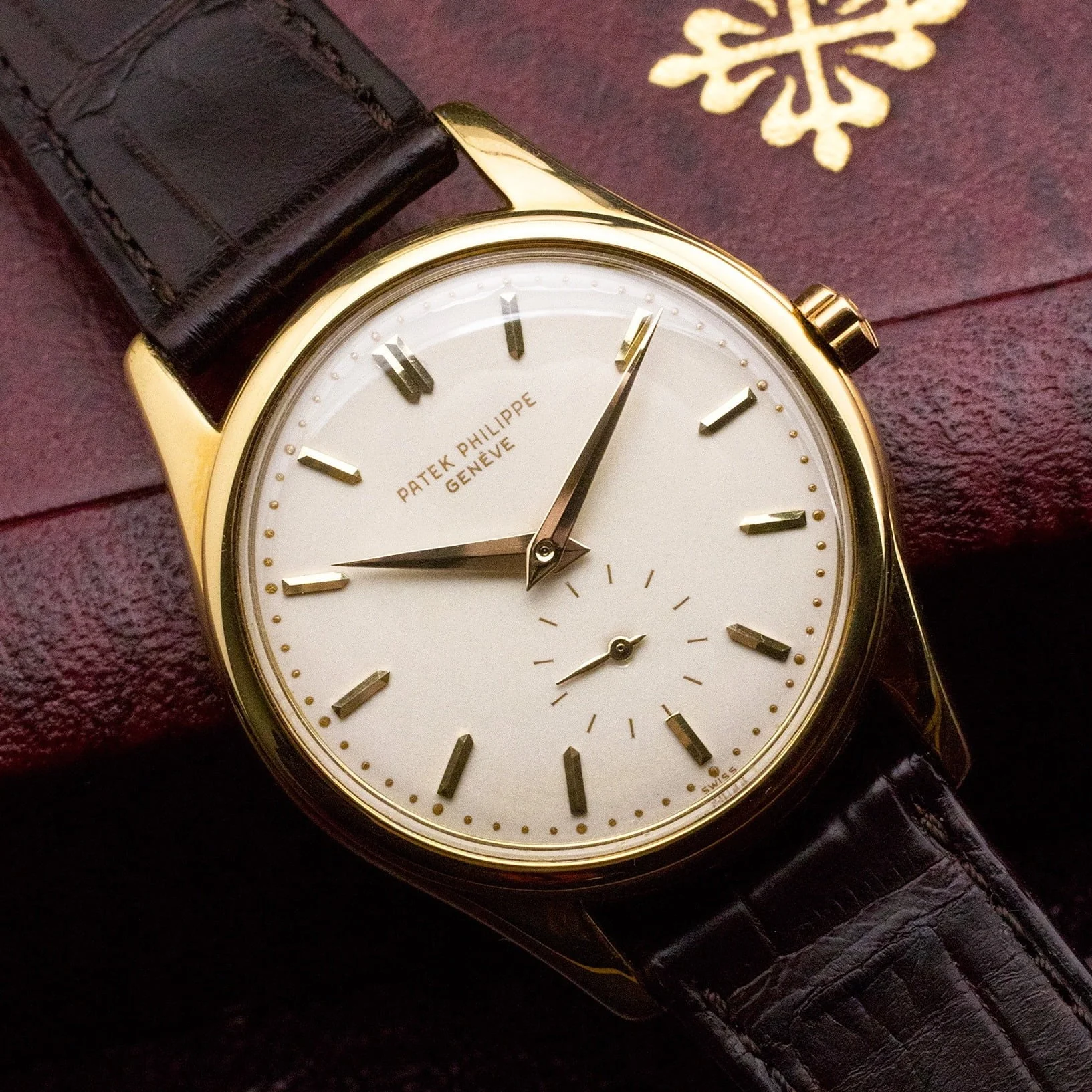
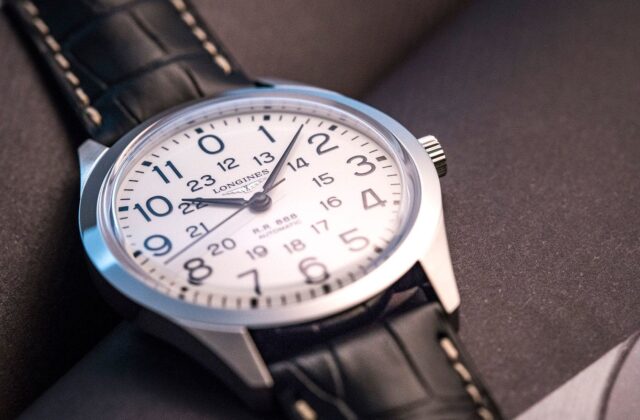
There is also a more personal reason. Enamel possesses a depth that is difficult to reproduce industrially. Light does not simply bounce off the surface; it seems to enter the material and return from within it. On a beautiful Grand Feu white dial, black numerals appear to float above mineral milk. In blue, the colour can take on an almost nocturnal density.
Grand Feu, Lacquer and Ceramic—What Is the Difference?
They are often confused, and sometimes the confusion is encouraged with an enthusiasm that might benefit from slightly more careful use of language. Not every glossy dial is an enamel dial. Nor does a beautiful black lacquer become “Grand Feu” simply because it encountered a kiln somewhere in its description.
- Lacquer is an organic or synthetic finish applied in multiple layers and often polished with great care. It can produce a superb result, but it does not vitrify like enamel.
- Ceramic is a hard, technical material used for cases, bezels and, occasionally, components of dials. Its industrial and physical nature differs from that of traditional enamel.
- Grand Feu enamel is glass melted onto metal. Its beauty comes from fusion and risk, and from controlling the transparency or opacity of the vitrified material.
This is not simply a matter of ranking one above the others. Urushi lacquer can be profoundly beautiful. Ceramic dials are technically fascinating. But Grand Feu enamel belongs to another realm: the world of horological craftsmanship in which one accepts losing much in order to achieve a little success.
The Main Types of Enamel Dials
Grand Feu is not limited to a single aesthetic. It is a technique that opens the door to several directions, some understated and others, frankly, highly elaborate.
Champlevé Enamel
This is the purest and often the most unforgiving finish. White, black, ivory or blue dials with no unnecessary decoration. Certain Breguet Classique models, such as the Ref. 5177 with its Grand Feu enamel dial, rely on the immaculate surface, Breguet numerals and the tautness of the railway minute track. There is nowhere to hide. Everything is visible.
Champlevé Enamel
The metal is engraved to create recessed areas, which are then filled with enamel. Once fired and polished, the enamel sits flush with the metal surface. It is an ancient technique, widely used for decorative motifs, maps, scenes and strongly graphic dials.
Cloisonné Enamel
Fine metal wires are used to outline cells, which are then filled with enamel. The technique is used for world maps, animals and miniature scenes. Ulysse Nardin, Patek Philippe, Vacheron Constantin and Jaeger-LeCoultre have all used it repeatedly in their métiers d’art creations.
Flinqué Enamel
A guilloché pattern is engraved into the metal and then covered with translucent enamel. The decoration remains visible beneath the vitrified layer. It is one of the most beautiful combinations of guilloché and enamel—provided the dial does not end up looking like a table centrepiece under glass.
Paillonné Enamel and Grisaille
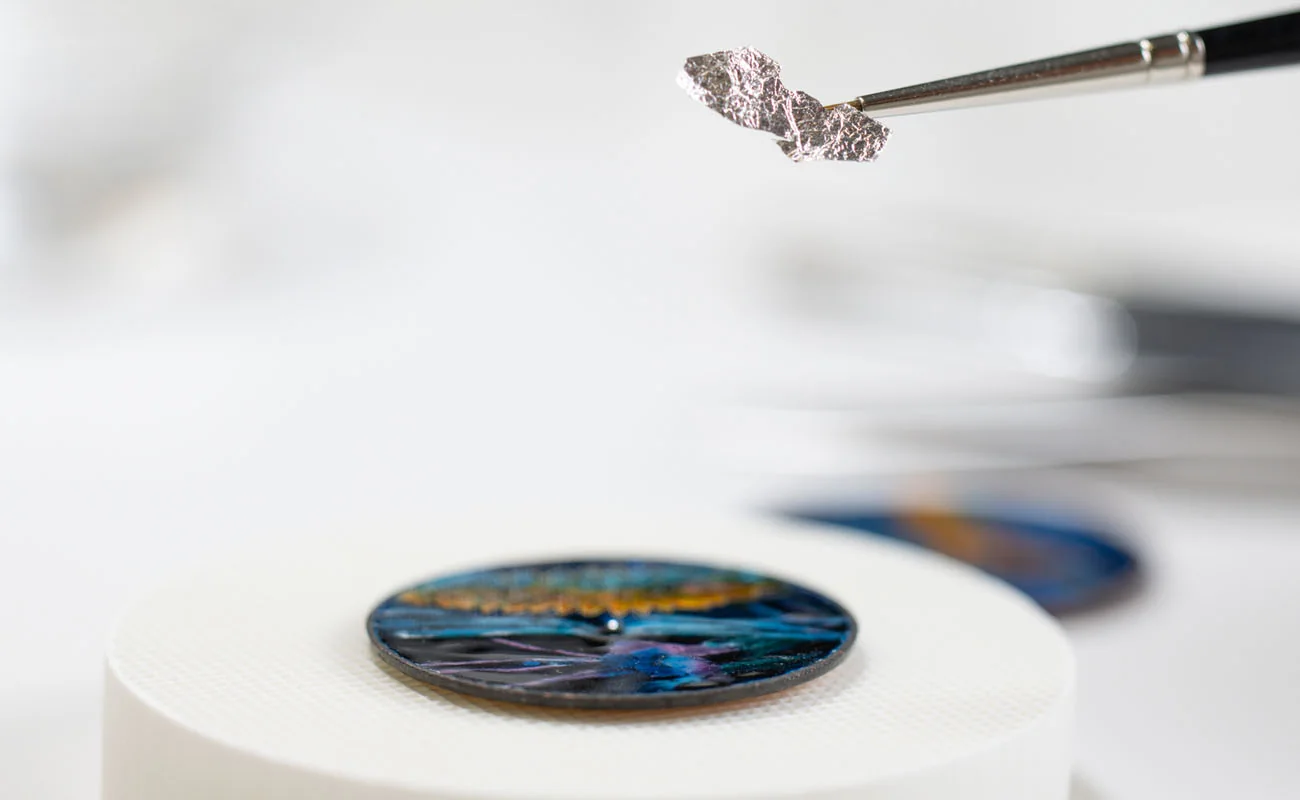
With paillonné enamel, tiny gold or silver paillons are enclosed within the enamel. Grisaille, often applied over a black ground, builds relief and shading through layers of white enamel. Both techniques move beyond the functional dial and into the world of artistic miniature painting.
Why Are These Dials So Expensive?
The price of a Grand Feu enamel dial is not determined solely by noble craftsmanship. The greatest factor is yield. A manufacture may lose several dials before producing one perfect example. And in enamel, “perfect” does not mean sterile. It means free of distracting flaws, cracks, dust trapped within the material, visible stress or unacceptable variations in tone.
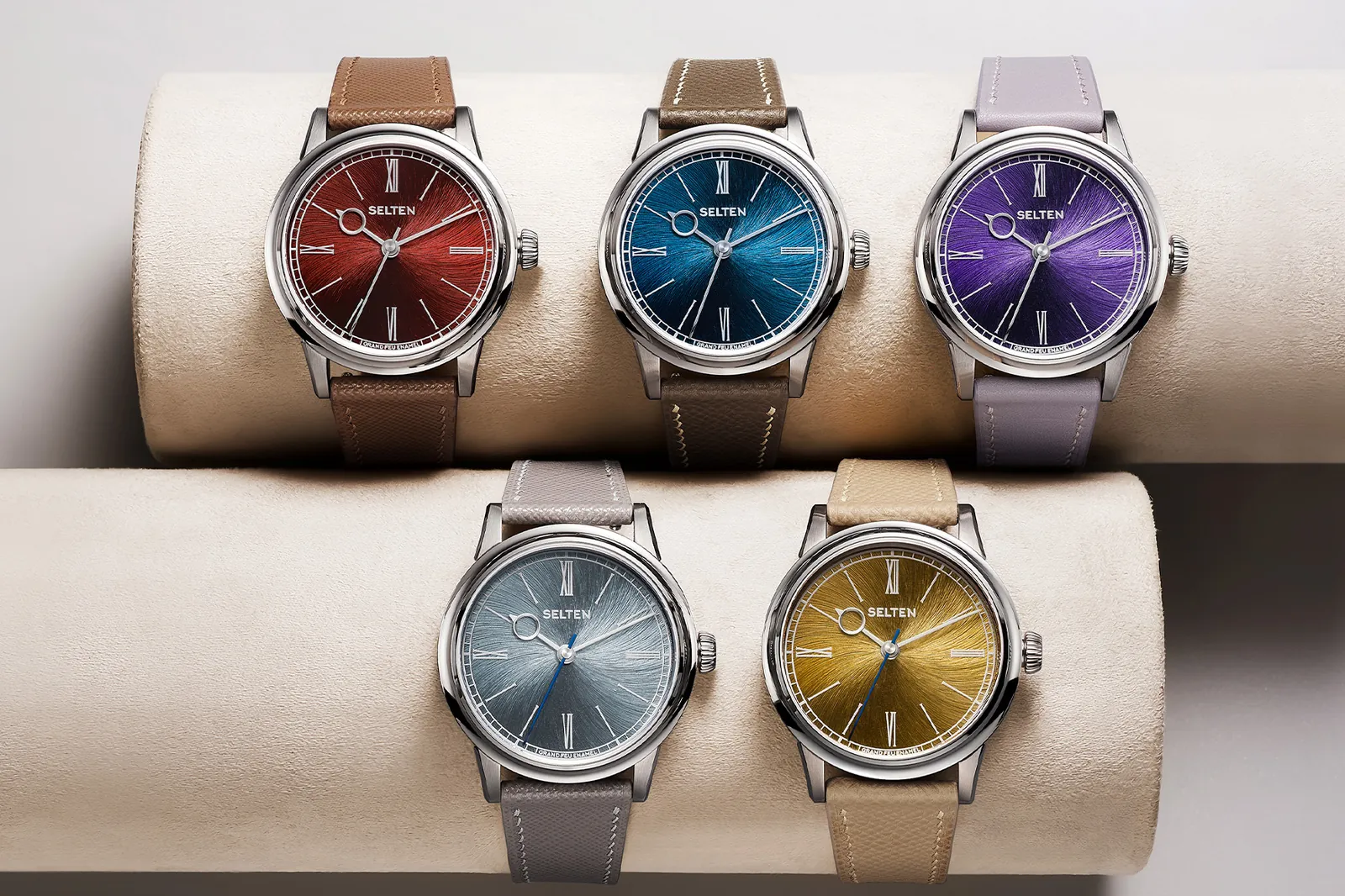
This difficulty is why watches with Grand Feu enamel dials so often appear at the higher end of the market. The Breguet Classique 5177, pairing a Grand Feu enamel dial with a gold case, generally sits in the region of several tens of thousands of euros, depending on the materials, the exact reference and the market. At Patek Philippe, Vacheron Constantin and Jaeger-LeCoultre, enamel métiers d’art creations are often offered in limited series, with prices sometimes available only on request. To translate that unofficially: if you have to ask twice, your banker has already hung up.
At the other end of the spectrum, independent maisons such as anOrdain have helped bring vitreous enamel back into more accessible territory through small-production watches and hand-finished dials. It is not the same watchmaking as a Geneva grand complication. That is precisely what makes it interesting. Grand Feu is not confined to a single aesthetic vocabulary.
How Can You Identify a Genuine Grand Feu Enamel Dial?
The first rule is simple: read the precise wording. Expressions such as “Grand Feu enamel”, “vitreous enamel” and “fired enamel” usually refer to the genuine technique. By contrast, terms such as “enamel-like”, “lacquered enamel effect” or “enamel finish” should make you raise an eyebrow. You do not necessarily need to walk away. Just raise an eyebrow. That is all.
Visually, Grand Feu enamel dials often display a distinctive depth and an exceptionally smooth surface, while close magnification may reveal the slightest irregularities. The edges of openings, around a date display for example, can sometimes expose the nature of the material. On older dials, fine cracks known as “hairlines” may also attest to the presence of enamel—although, naturally, that is not something you want to be checking on a new watch.
Photographs also require caution. Enamel is difficult to photograph. A white Grand Feu enamel dial may look flat in an image yet prove remarkably alluring on the wrist. Conversely, a very well-photographed lacquer may appear more attractive on screen. Watches remain a matter of real light, three-dimensionality and distance. It is inconvenient if you prefer to buy from the sofa, but it is an excellent reason to visit a retailer.
Are Grand Feu Enamel Dials Fragile?
Yes, and no. It is not an answer anyone enjoys, but here it makes sense. Chemically, enamel is remarkably stable. Mechanically, however, it is glass laid over metal. A heavy impact can crack it. It can also be damaged by careless work during servicing. Uneven pressure or an overly forceful attempt to remove the hands can turn a masterpiece into an expensive lesson.
That said, normal use does not require completely unreasonable caution. The most important things are to entrust the watch to a competent watchmaker, avoid amateur repairs and remember that an enamel dial cannot simply be “redone” like a painted dial. Restoration is complex. Replacement may be impossible. Protecting it, meanwhile, is one of the great pleasures of collecting.
Why Grand Feu Enamel Still Moves Us
In an era saturated with textures, fumé dials, gradients, meteorite, forged carbon, skeletonisation and other elaborate treatments of varying degrees of necessity, Grand Feu enamel dials retain a peculiar strength. They do not need to show off. They do not speak of performance through rawness, but through the mastery of controlled risk.
A beautiful Grand Feu enamel dial is stillness refined inside a kiln. A surface that is simple, but never simplistic. An old material that is not nostalgic. It reminds us that fine watchmaking is not only about tourbillons, perpetual calendars or ever-longer power reserves. Sometimes, all the poetry of a watch resides in that fragile disc: impossibly white like porcelain, black like a polished night, or blue like a cooled flame.