Why Are Mechanical Movements So Susceptible to the Effects of Gravity?

There is something deeply impertinent about mechanical watches. A few grams of brass, steel, synthetic ruby and hairspring attempt to measure time with regularity while constantly subjected to the Earth’s gravitational pull. This gravity—the force we forget until we drop a glass, our knees buckle, or we have to get out of bed the morning after a night of excessive drinking—is one of the great adversaries concealed within a mechanical movement.
Gravity does not break a watch. Nor does it visibly slow it down in the way a violent shock or magnetic field might. Gravity works more subtly, like an aesthete with a fondness for disorder. It alters friction, disturbs the balance’s oscillations, affects the position of the hairspring and creates rate variations depending on whether the watch is resting dial-up, crown-down, on its side or on the wrist. In other words, it reminds the watchmaker of one simple truth: in mechanical watchmaking, precision is never granted. It must be earned.
Gravity, the Quiet Enemy of Watch Precision
A mechanical movement operates through an almost absurdly elegant chain of energy. The mainspring in the barrel unwinds, transmitting its energy to the gear train, which drives the escapement. At the end of that chain, the balance fitted with its hairspring oscillates. This is the heart of the regulating organ. The balance is what sets the rhythm.
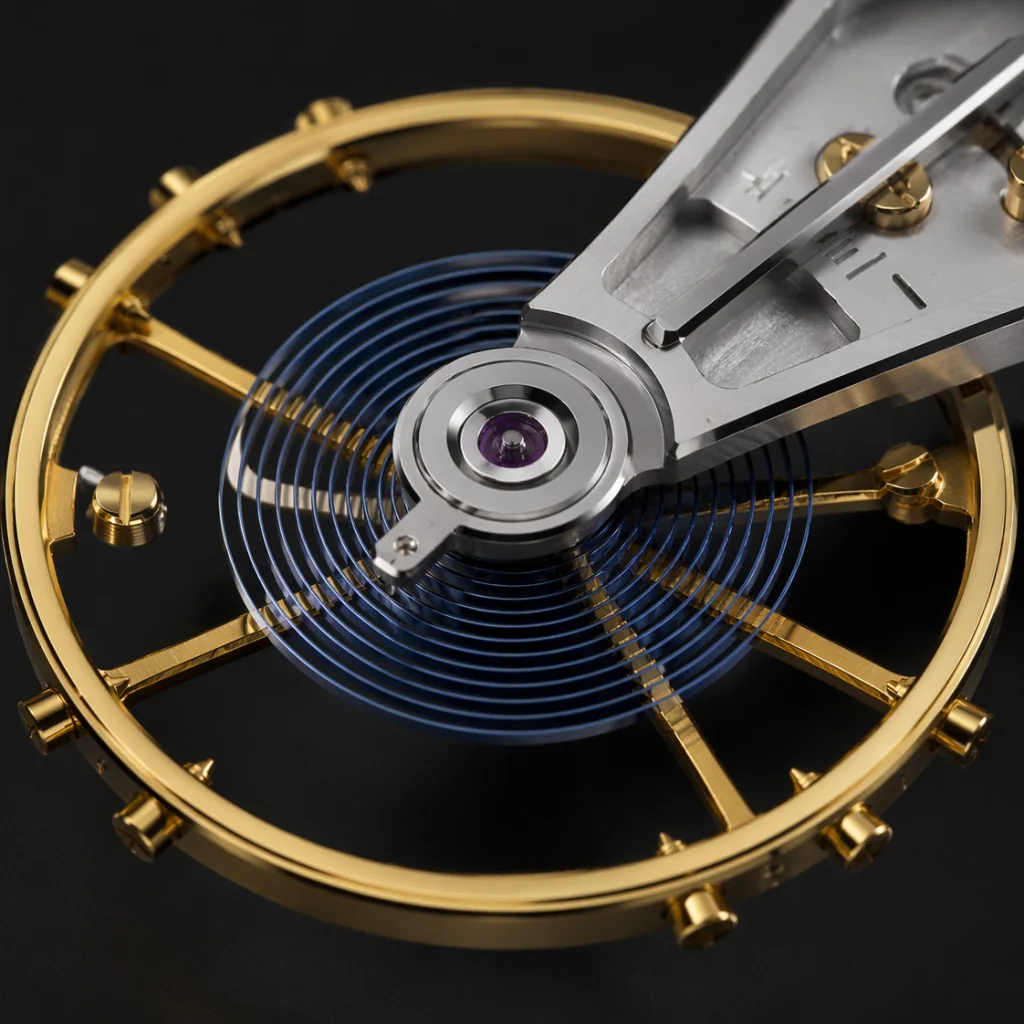
In mathematical theory, the balance should oscillate perfectly in every position, maintaining the same amplitude, with friction remaining constant, no additional loads, unchanged lubrication and no components imperfect even at the microscopic level. In the real world—the world of watchmaking—none of that exists.
Gravity acts primarily on the movement’s most delicate components: the balance, the hairspring, the bearings and the escapement. Its effect varies with the watch’s position. A watch resting dial-up does not experience the same loads as one resting crown-down. And the human wrist has the troublesome habit of moving in every direction, utterly indifferent to chronometer standards. Things quickly become complicated.
Position as a Small Theatre in Which a Watch Reveals Its Personality
When a watchmaker regulates a watch, they do not simply turn it on a table and nod with satisfaction. The rate is measured in several positions: dial-up, dial-down, crown-up, crown-down, crown-left and crown-right. These correspond to the positions a watch typically occupies in daily life, particularly when it is not being worn.
Why is position so important? Because the friction at the pivots changes. In horizontal positions such as dial-up and dial-down, the balance pivots meet the jewels differently than they do in vertical positions. In vertical positions, the effect of the balance’s own weight becomes more significant. Even the slightest imbalance can cause the oscillations to speed up or slow down.
This explains why a watch can gain two seconds a day on the wrist, lose six seconds on the bedside table and return to an admirably respectable rate in another position. It is not capricious. It is mechanical.
Amplitude, Beat and Friction
Amplitude refers to the angle through which the balance travels during each oscillation. A properly regulated watch will generally display a high, stable amplitude, although the precise figure depends on the calibre, the state of lubrication and the architecture of the movement. When gravity changes friction, amplitude changes as well. And when amplitude changes, the rate may change too.
The balance is not the only factor. The pivots—the tiny extremities at either end of an arbor—operate inside ruby jewels. If the oil deteriorates, migrates or distributes itself differently according to position, gravity magnifies the discrepancy. At this scale, a drop of lubricant becomes a landscape. Dust becomes a boulder. Watchmaking is geography for insects.
The Metal Hair Whipped by Gravity: The Hairspring
The hairspring is among the most captivating components in a mechanical watch. An exceptionally fine part made from a metallic alloy or silicon, depending on the calibre, it contracts and expands with every beat of the balance. Its task is to return the balance to its neutral position while maintaining the highest possible degree of regularity.
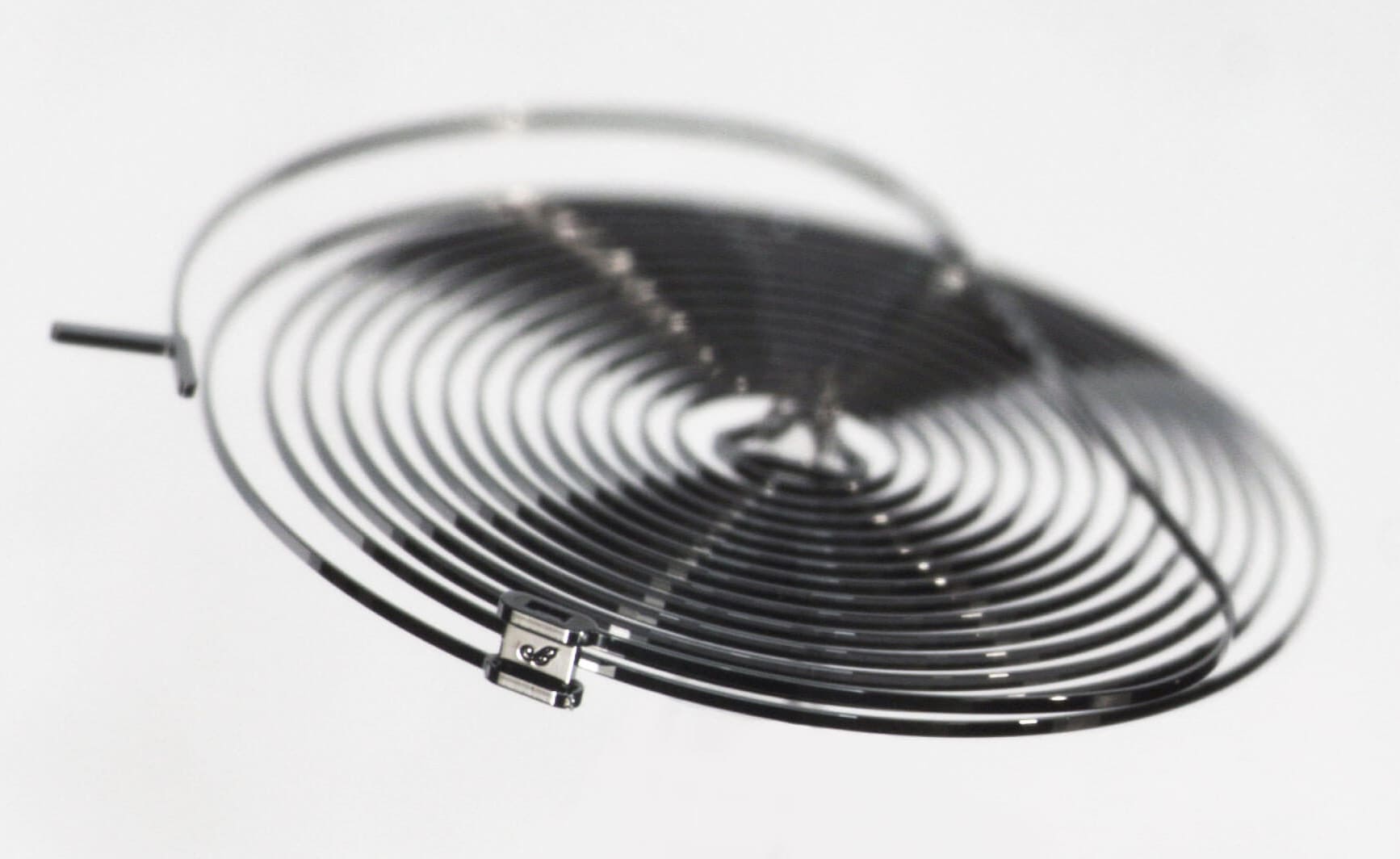
The problem is that the hairspring is also a physical object. It has mass, shape and mounting points. It may breathe with a slightly eccentric motion. In a vertical position, its own weight can marginally compromise its concentricity. For centuries, watchmakers have sought to improve this breathing motion through terminal curves. The most famous remains the Breguet overcoil. By raising the outer coil of the hairspring, Abraham-Louis Breguet achieved a more nearly concentric expansion and contraction, thereby enabling greater stability.
We sometimes forget that such refinements are not intellectual decoration intended to fill a catalogue. They are answers to highly concrete problems. Gravity pulls, metal resists and the watchmaker finds a compromise.
A Brilliant Answer to a Very Old Problem: The Tourbillon
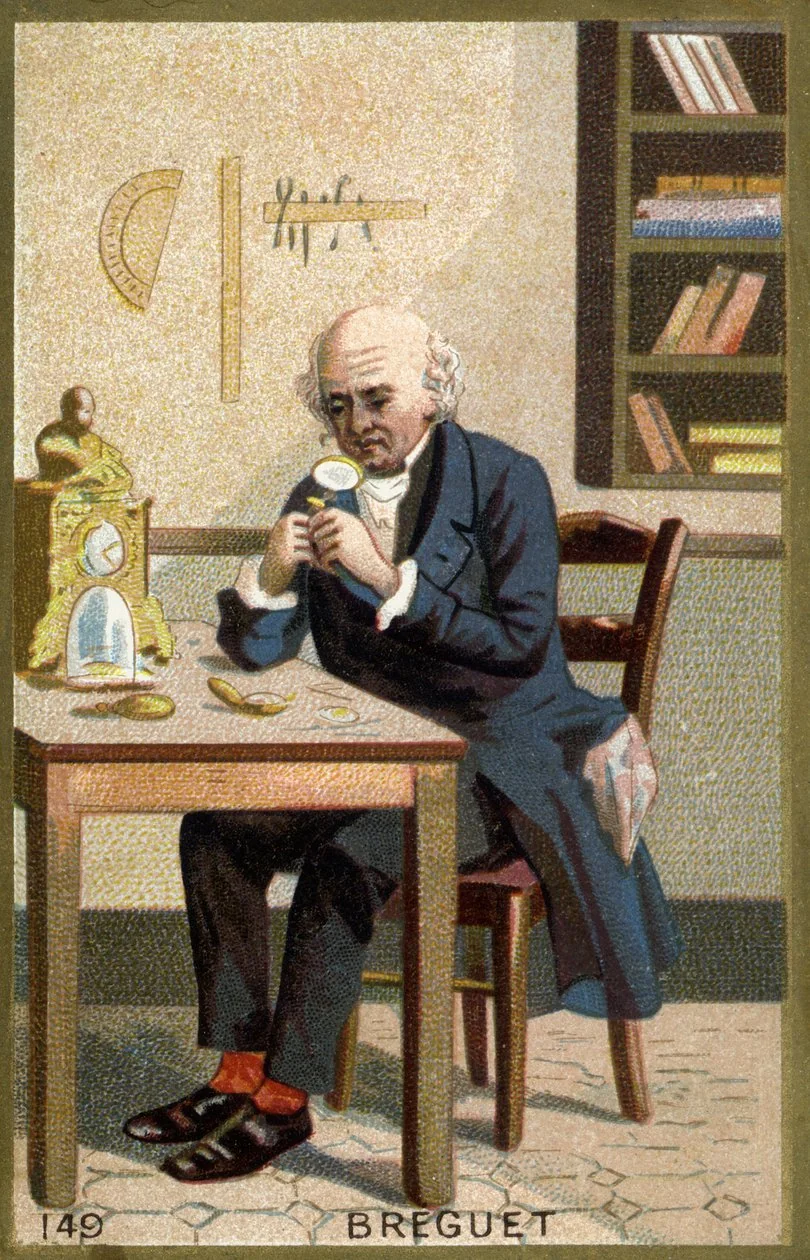
If gravity is under discussion, the tourbillon cannot be ignored. Patented by Abraham-Louis Breguet in 1801, the mechanism was devised for pocket watches. In those days, pocket watches spent most of their lives vertically positioned inside a waistcoat pocket. This fixed position amplified gravity-induced errors in the regulating organ.
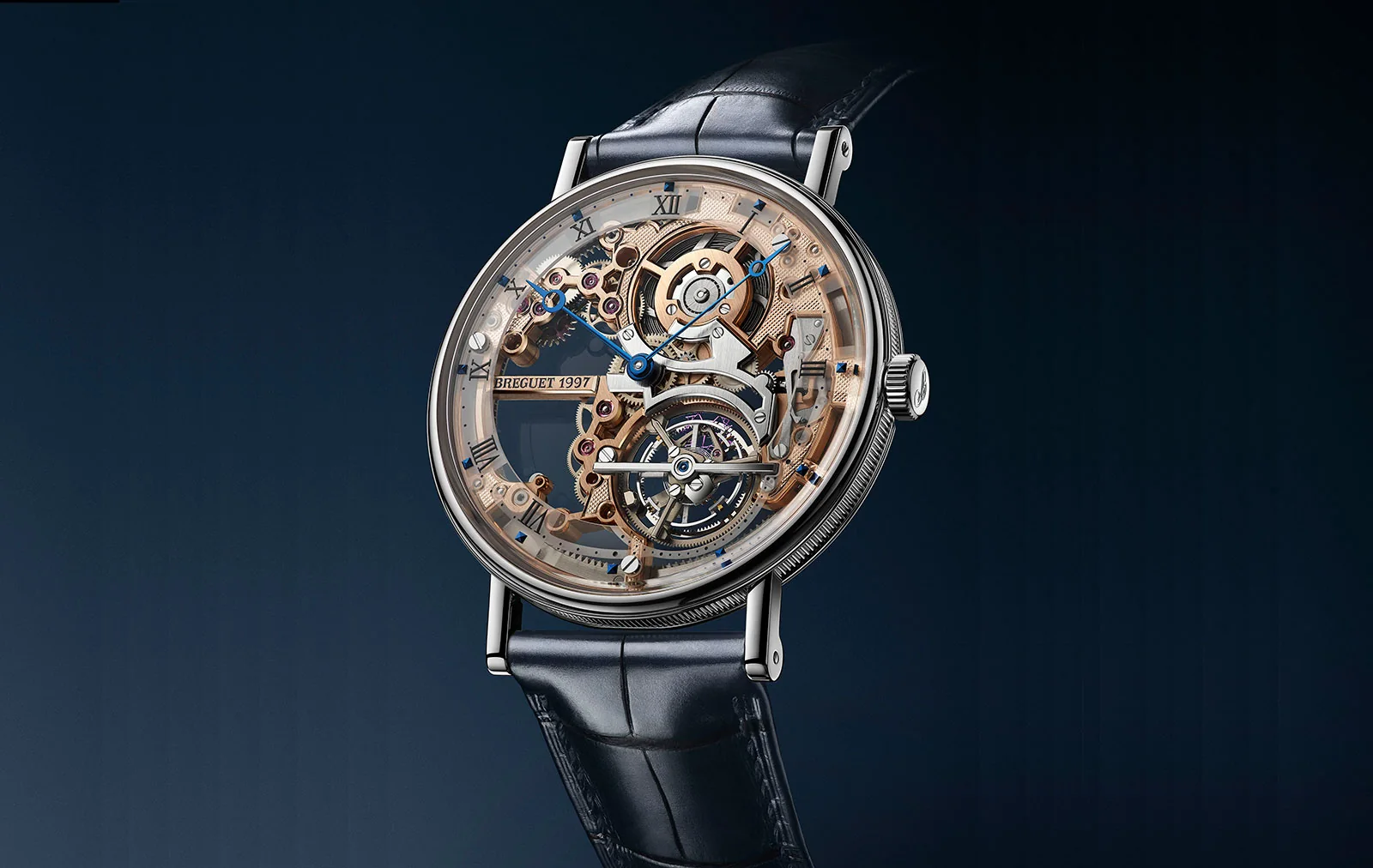
The idea behind the tourbillon is easy to explain but difficult to execute. The balance, hairspring and escapement are housed in a rotating cage, which usually completes one revolution per minute. Rather than exposing the regulating organ to gravity in the same orientation at all times, the cage successively presents it to every vertical position. The result is a tendency for errors to cancel one another out.
For pocket watches, this made considerable sense. With modern wristwatches strapped to a constantly moving wrist, the discussion becomes more nuanced. The tourbillon remains a remarkable feat of watchmaking, but its practical chronometric benefits depend on the calibre, regulation, quality of finishing and conditions of use. In other words, a tourbillon watch is not automatically more accurate than a well-certified three-hand chronometer. My apologies to anyone who has brought up this subject at a dinner party.
Some Impressive Tourbillons
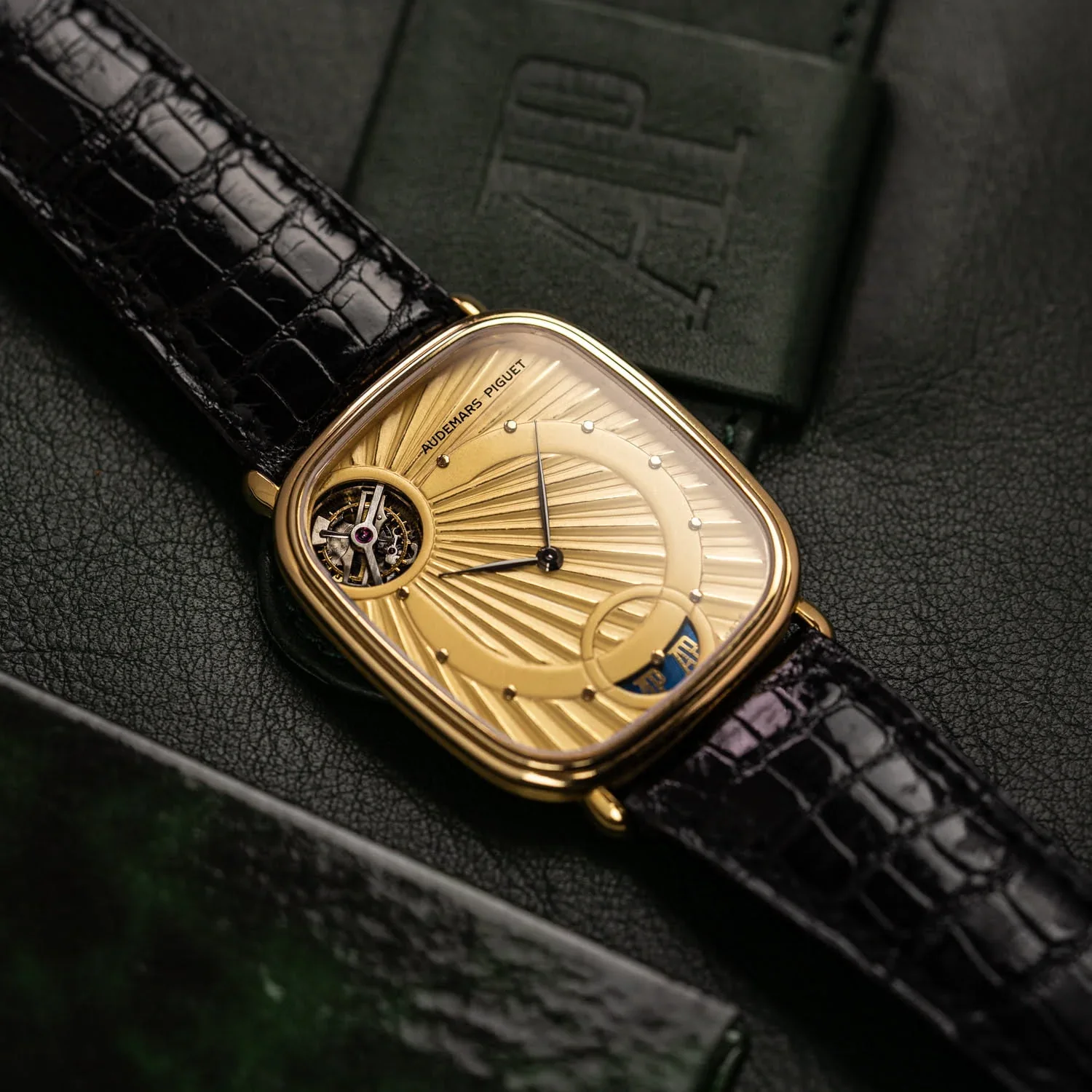
That said, certain tourbillons have left a profound mark on the history of the modern wristwatch. Introduced in 1986, the Audemars Piguet Référence 25643 is often cited as the world’s first serially produced automatic tourbillon wristwatch. Slim, bold and technically outstanding, it raised a question that watchmaking has returned to repeatedly ever since: do complications exist to solve a problem, or to demonstrate that it can be solved in an extravagant manner?
At Breguet, tradition naturally remains central. Each model in the Classique Tourbillon collection pays tribute to the original invention while incorporating contemporary materials, finishing and architecture, depending on the reference and specification. Prices vary considerably according to configuration, but models in precious metal with extensive complications can easily exceed €100,000 on the new market.
The Carrousel: Less Famous, but Just as Serious
The carrousel is often described as the tourbillon’s cousin. Invented by the Danish watchmaker Bahne Bonniksen at the end of the 19th century, it pursues a similar goal: correcting positional errors caused by gravity. Its construction, however, is different. Whereas a tourbillon generally uses the same power source for the rotation of the cage and the escapement, the carrousel employs a more complex, independent drive system.
Long regarded as a more robust solution, and in some circumstances an easier mechanism to regulate, it is far rarer in contemporary production. Blancpain brought renewed attention to the system by incorporating it into spectacular watches, particularly in the Le Brassus collection, sometimes combining it with a tourbillon. Clearly, one anti-gravity device was not enough to soothe the human ego.
Modern Solutions: Silicon, High Frequencies and Precision Regulation
The struggle against gravity is not limited to rotating cages. The most decisive advances are often concealed in less theatrical components.
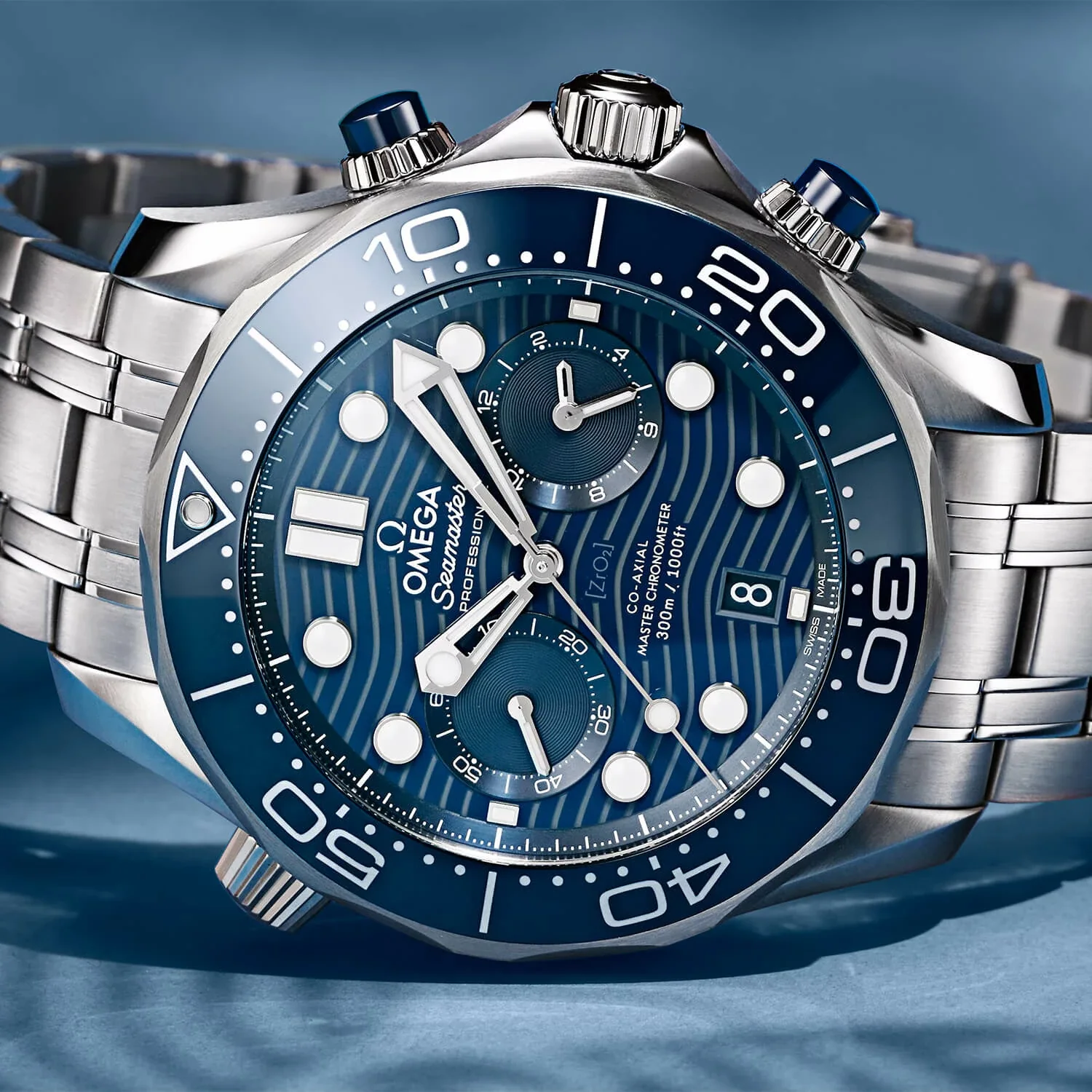
Silicon, for example, has transformed the manufacture of regulating components and parts of the escapement. Lightweight, highly resistant to magnetism and exceptionally precise geometrically, it allows hairsprings to be produced with extremely controlled shapes. Several maisons, including Breguet, Omega, Patek Philippe and Ulysse Nardin, have explored this path according to their own philosophies. Patek Philippe’s Spiromax hairspring and the silicon hairsprings used by Omega in its Co-Axial Master Chronometer calibres form part of a broader pursuit of stability.
High frequency offers another answer. Movements operating at 36,000 vibrations per hour, such as certain Zenith El Primero calibres, divide time into finer increments than movements beating at 28,800 vibrations per hour. This can improve rate stability in response to certain disturbances, but it does not make a watch immune to gravity. Nothing can free a mechanical watch entirely from gravity. Not even price. Sometimes that is the most painful discovery of all.
Finally, there is regulation. Real regulation. The watchmaker adjusts the regulator or the eccentric weights on a free-sprung balance, checks the reference positions, measures positional variation, corrects it and repeats the process. Careful regulation in five or six positions can produce astonishing results. It may be less glamorous than watching a flying tourbillon rotate beneath a sapphire crystal, but in everyday life it is usually more useful.
Why a Watch Gains or Loses Time Overnight
Every enthusiast has noticed it at some point. The position in which a watch is left overnight affects its rate. A watch that gains on the wrist may lose a little when placed crown-up. Another may run best when resting dial-up. There is no universal rule because every movement has its own positional variations.
Gravity can therefore be used as a practical tool based on experience. If your watch consistently gains time, try leaving it in several different positions over a few nights and observe the results. There is no need to turn the bedside table into a COSC testing laboratory. A little method is enough.
Experienced collectors know this small ritual. Placing a watch in a position that slightly offsets its gain or loss is a simple way of entering into dialogue with the movement. We can never entirely possess a mechanical watch. That is something we learn over time.
COSC, METAS and the Reality of Precision Testing
Chronometer certifications exist precisely because precision must be verified under a range of conditions. COSC (the Swiss Official Chronometer Testing Institute) tests movements on their own for 15 days, in several positions and at different temperatures. The generally accepted nominal tolerance for a mechanical movement is −4 to +6 seconds per day.
For the Master Chronometer certification awarded by METAS, Omega tests the completed watch after casing. Among other things, it verifies resistance to magnetic fields and checks the rate in several positions and at different levels of power reserve. Rolex, meanwhile, claims a precision of −2 to +2 seconds per day for its cased Superlative Chronometer models, according to its own internal standards.
These figures do not eliminate the effects of gravity. They show that the watch has been designed, manufactured and regulated to control those effects within a defined range. That is precisely where the difference lies between a magical promise and industrial discipline.
Does Gravity Explain Everything? No, Thankfully
How convenient it would be if every deviation in rate could be blamed on gravity. Too convenient. The rate of a mechanical watch can also be affected by magnetism, shocks, wear, deteriorated lubricants, insufficient power reserve, a hairspring that has stuck or become deformed, or a poorly adjusted escapement. Gravity is a leading player, but it is not the only culprit.
In older watches, positional variation may become more pronounced when the bearings are worn, the oil has dried out or the balance is no longer perfectly poised. In high-quality modern watches, such effects are often contained, but never eliminated entirely. Perfect machines do not exist. Besides, they would probably be rather boring.
What Gravity Really Teaches Us About Mechanical Watches
The susceptibility of a mechanical movement to gravity is not a weakness to be ashamed of. It is a condition of the mechanical watch’s existence. A mechanical watch is an object regulated to resist the real world: weight, friction, temperature changes and the unconscious gestures of its owner. It is not precise despite its fragility, but compelling because it seeks precision while carrying that fragility within it.
Quartz solved the problem of everyday accuracy with almost brutal efficiency. Smartwatches make the contrast even sharper. They are synchronised with atomic clocks while your tourbillon sits meditating inside its cage. And yet we keep returning to mechanical movements. Because effort is made visible. Because physical constraints are transformed into architecture, regulation and invention.
Gravity draws everything downwards. Watchmaking answers with bevelled bridges, breathing hairsprings, rotating cages and stubborn balances. This is not merely a battle over a few seconds a day. It is an elegant act of defiance.