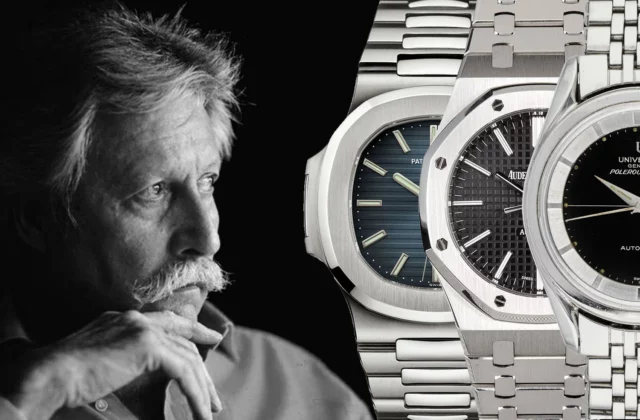
How the Royal Oak Upended the Watch Industry
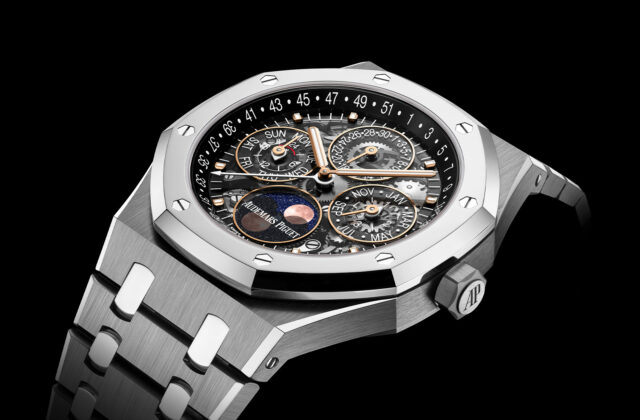
An aesthetic shock in a display window that was far too well-behaved
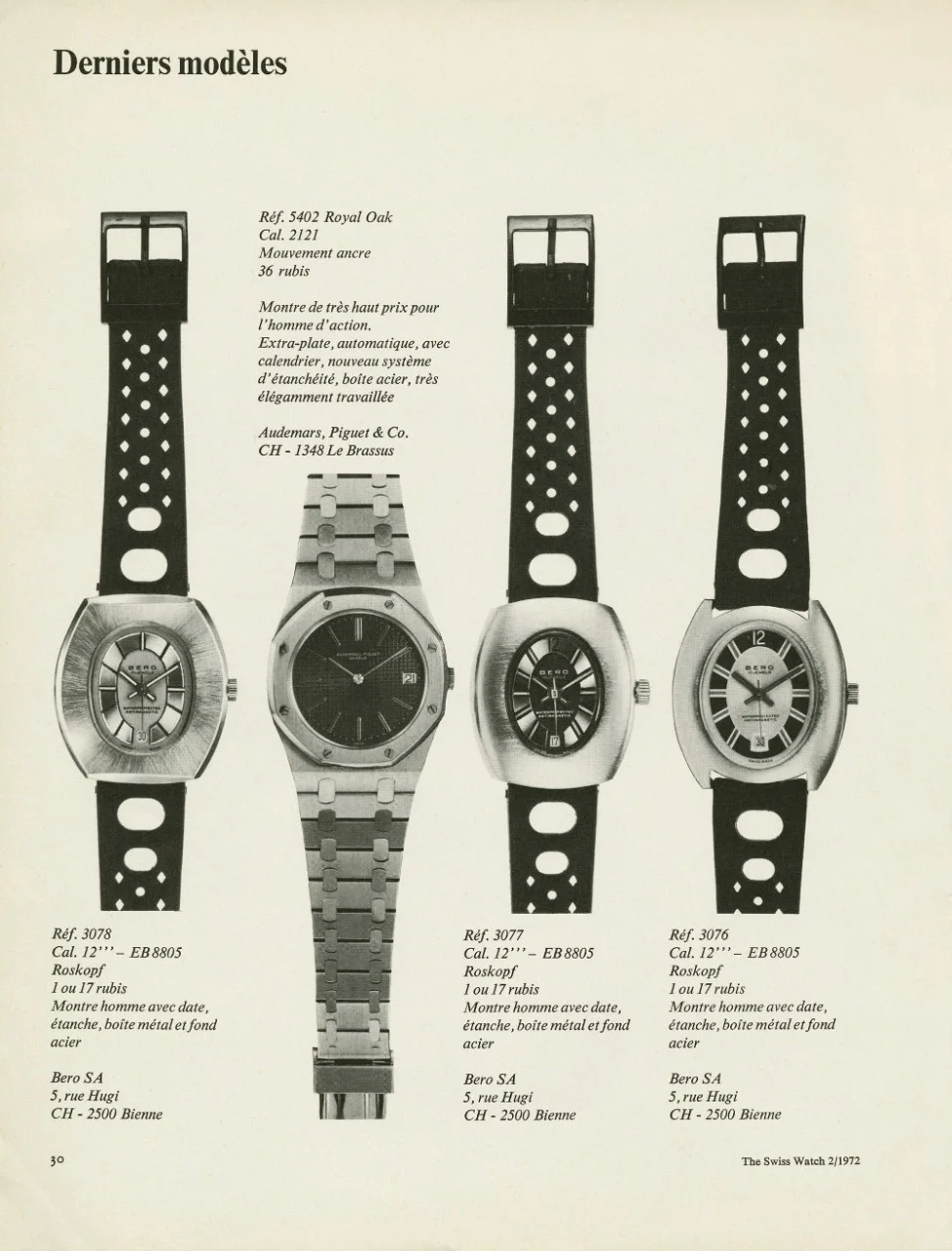
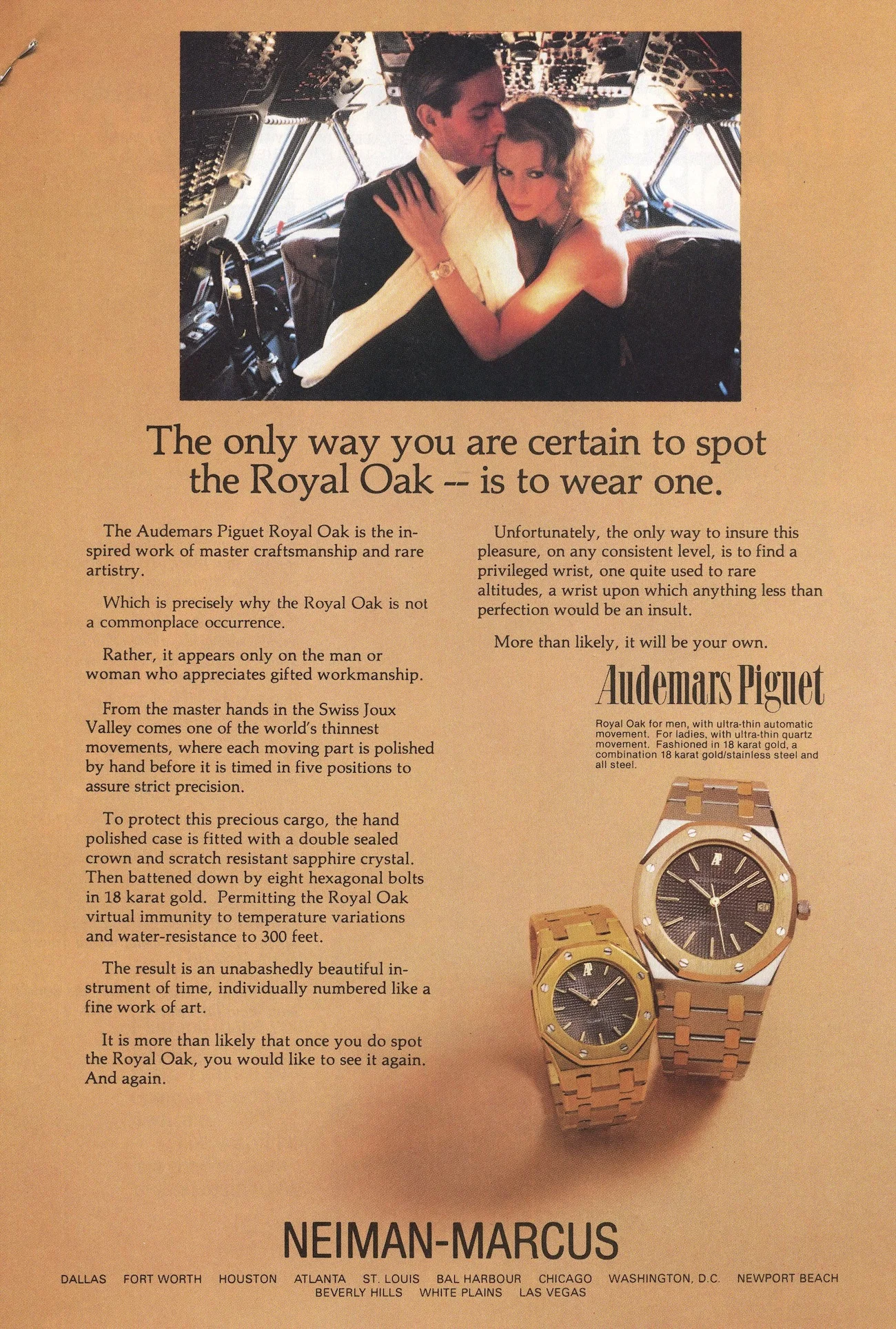
In the early 1970s, Swiss watchmaking entered a turbulent spell. Quartz watches from Asia upended the market with formidable accuracy and unbeatable prices. Yet in shop windows, watchmaking luxury still presented itself according to an almost unchanging code: gold, restrained dials, discreet elegance. Then, in 1972, a steel watch appeared like a manifesto. Its name: Royal Oak. Its effect: a thunderclap—thanks in part to the recognition of a detail that has fascinated many collectors.
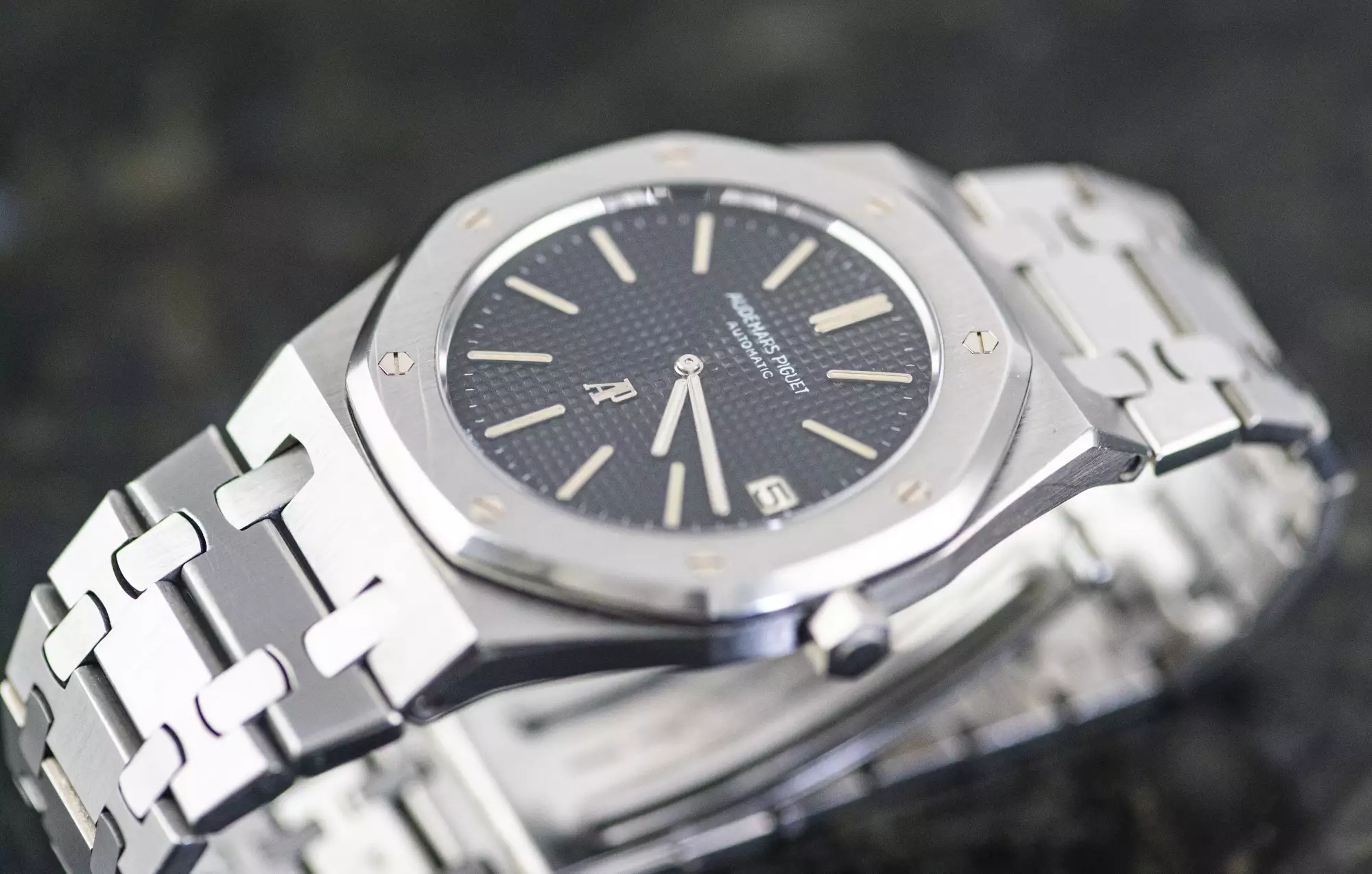
What the Royal Oak disrupted cannot be reduced to a new case shape. It shifted the boundary between sporty and chic, between tool and jewel, between the “reasonable” and the desirable. By incorporating an integrated bracelet, it redefined the very idea of watchmaking luxury: no longer just precious material, but workmanship, vision, and signature.
1972: steel, that unexpected luxury
The Royal Oak revolution can be summed up in a simple yet explosive equation: selling a steel watch at the price of a gold one. At the time, it bordered on heresy. Steel was the material of sportsmen, dive watches, instruments—not that of a high-watchmaking house like Audemars Piguet, rooted in Le Brassus in the Vallée de Joux, amid complications and finishes worthy of a goldsmith’s workshop.
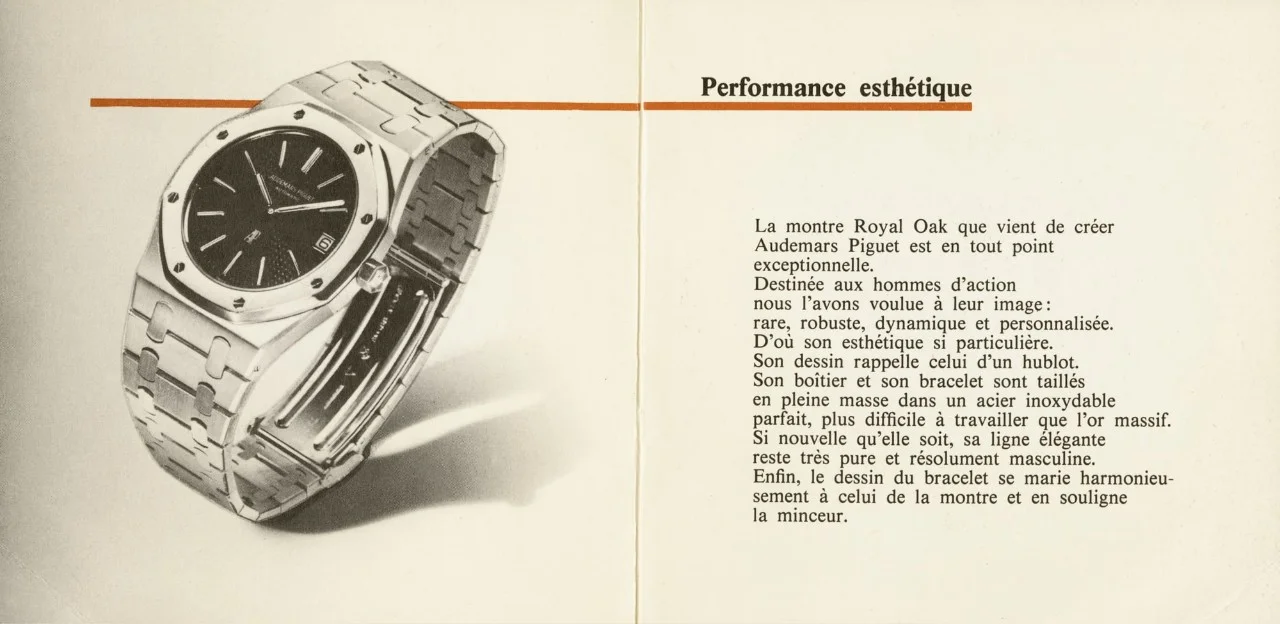
And yet that is precisely where the genius lies: steel is not a compromise, but a field of expression. On the Royal Oak, it becomes noble through the level of finishing. Brushing, polishing, crisp edges, the alternation of surfaces: steel begins to tell the story of time spent at the bench. The price is no longer explained by the weight of the metal, but by the intelligence of the design and the quality of the execution.
A silhouette turned into a language: the octagon, the screws, the integrated bracelet
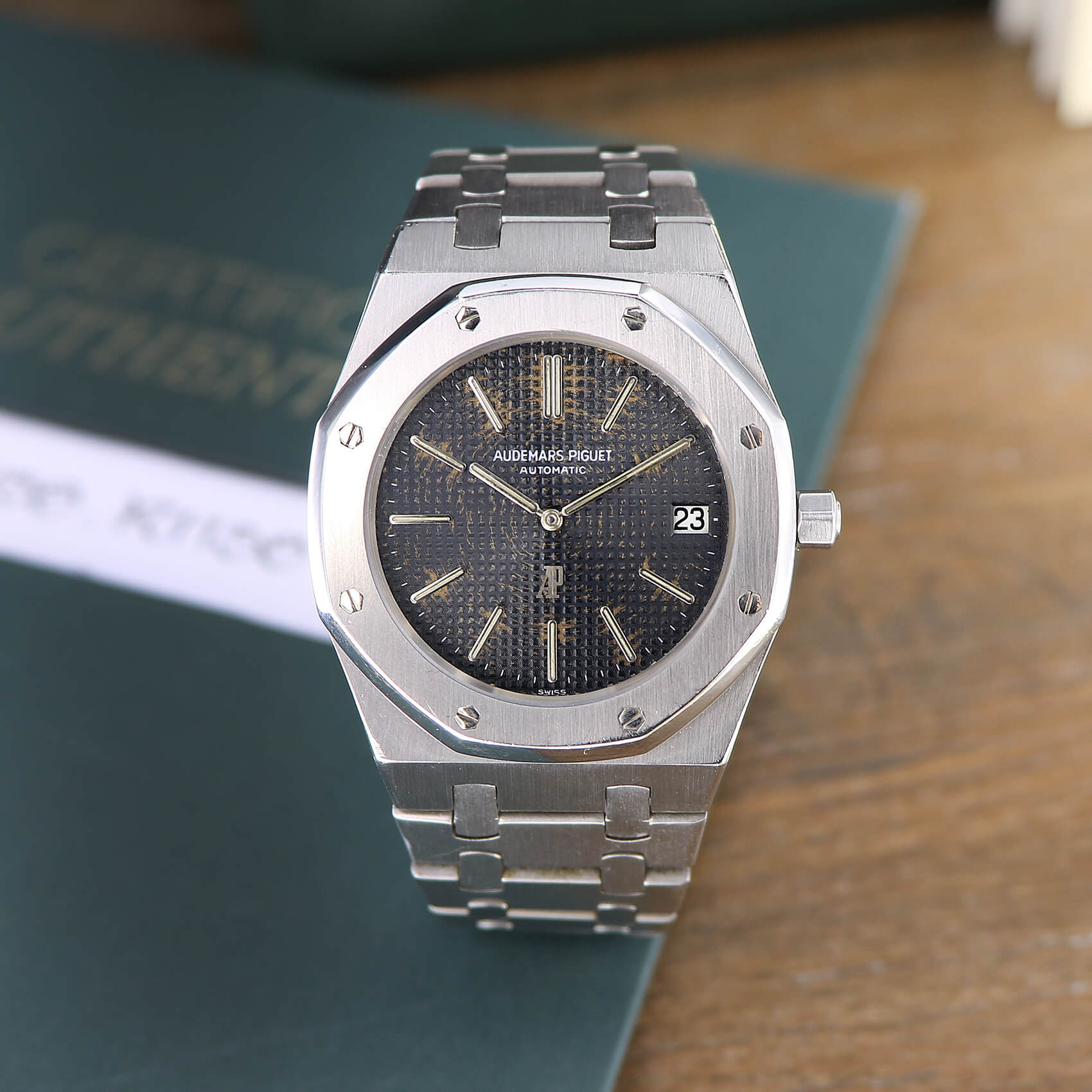
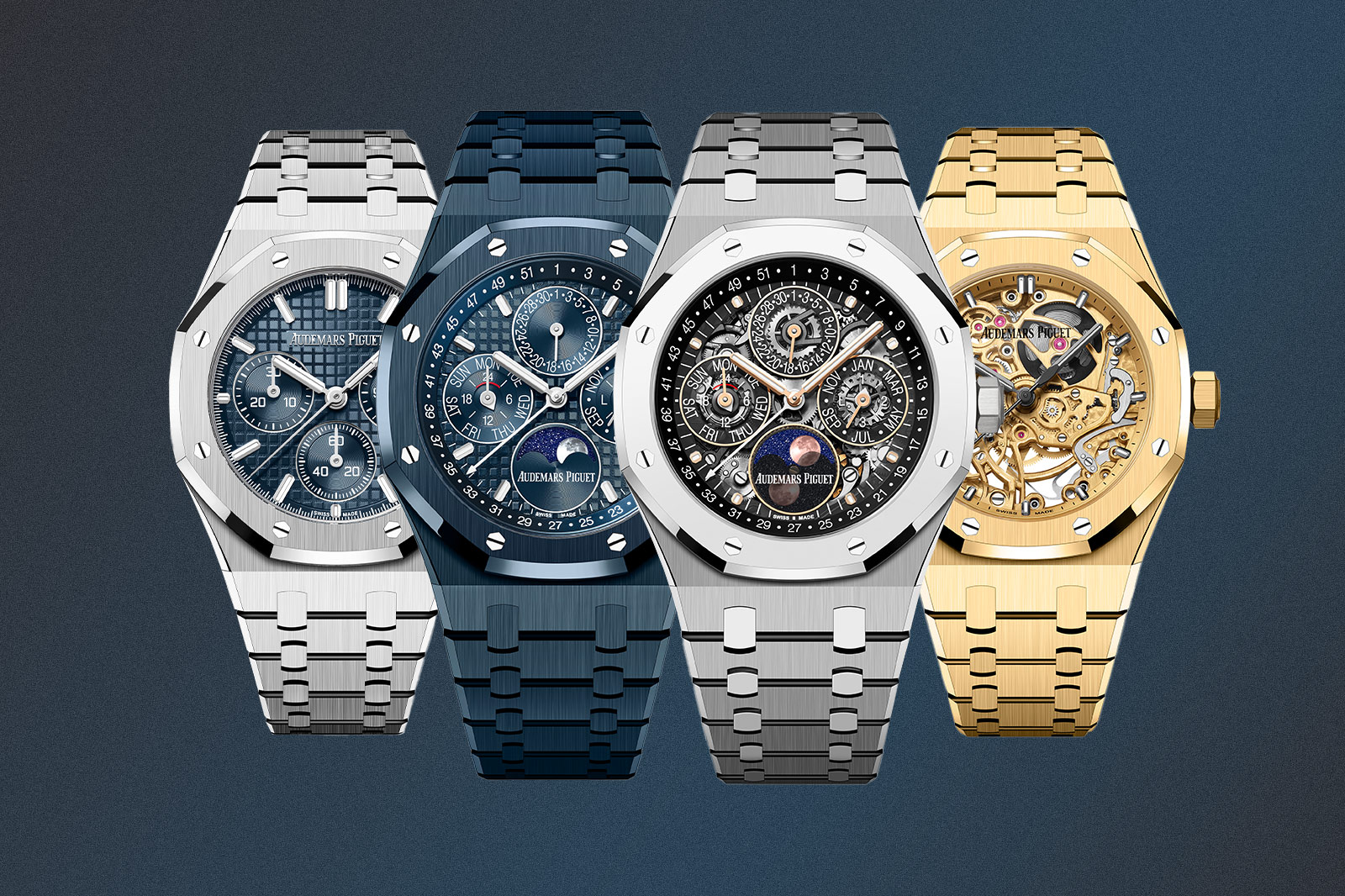
You can spot a Royal Oak from across the room. It’s no accident—it’s a complete visual grammar. Its octagonal case, inspired by a porthole, is held in place by eight visible hexagonal screws. The dial adopts a “tapisserie” motif—a geometric relief that catches the light, adds depth, and seals the piece’s identity.
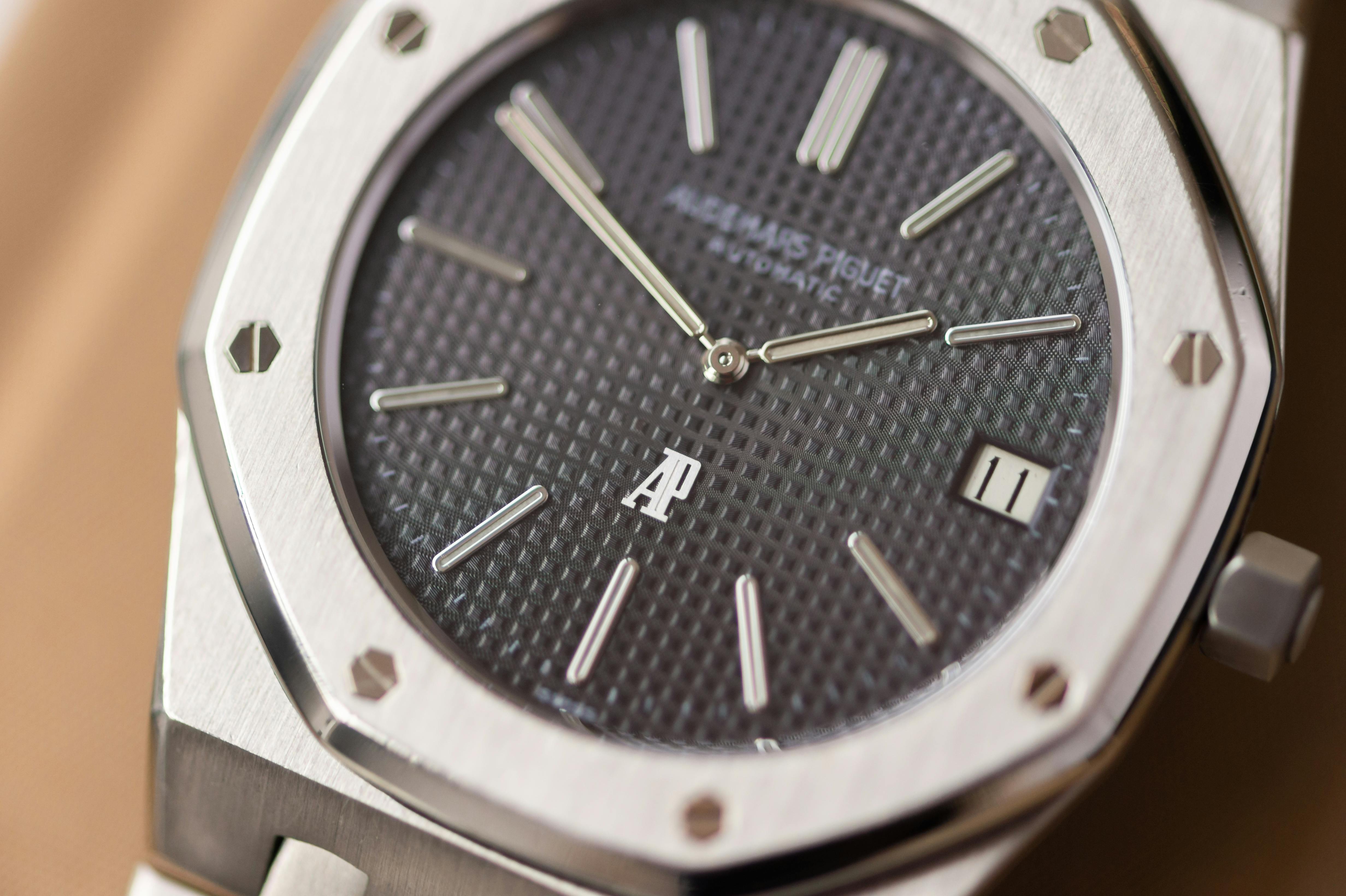
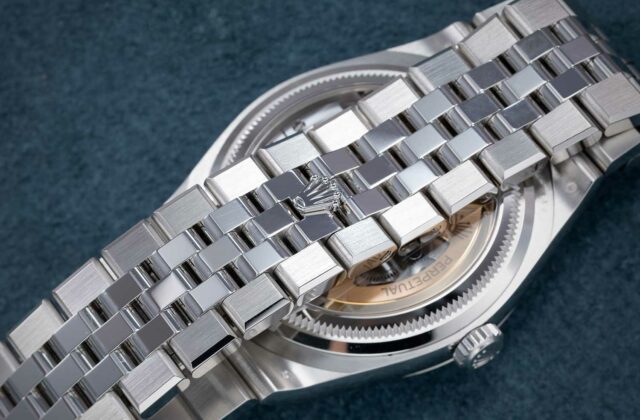
And then there is the integrated bracelet: not a simple strap added to the case, but a continuity of lines—an architectural extension. It wraps the wrist like a sophisticated suit of armour, fluid, almost textile in feel. In a single watch, Audemars Piguet imposed a new idea of comfort and style.
Design takes power
The Royal Oak helped drive a major shift: in modern watchmaking, design becomes a lever as decisive as the movement. Form is no longer mere dressing—it is an argument. The watch is no longer only a time indicator; it is a silhouette, a cultural presence, an object of desire that is instantly identifiable.
Audemars Piguet’s gamble: turning crisis into opportunity
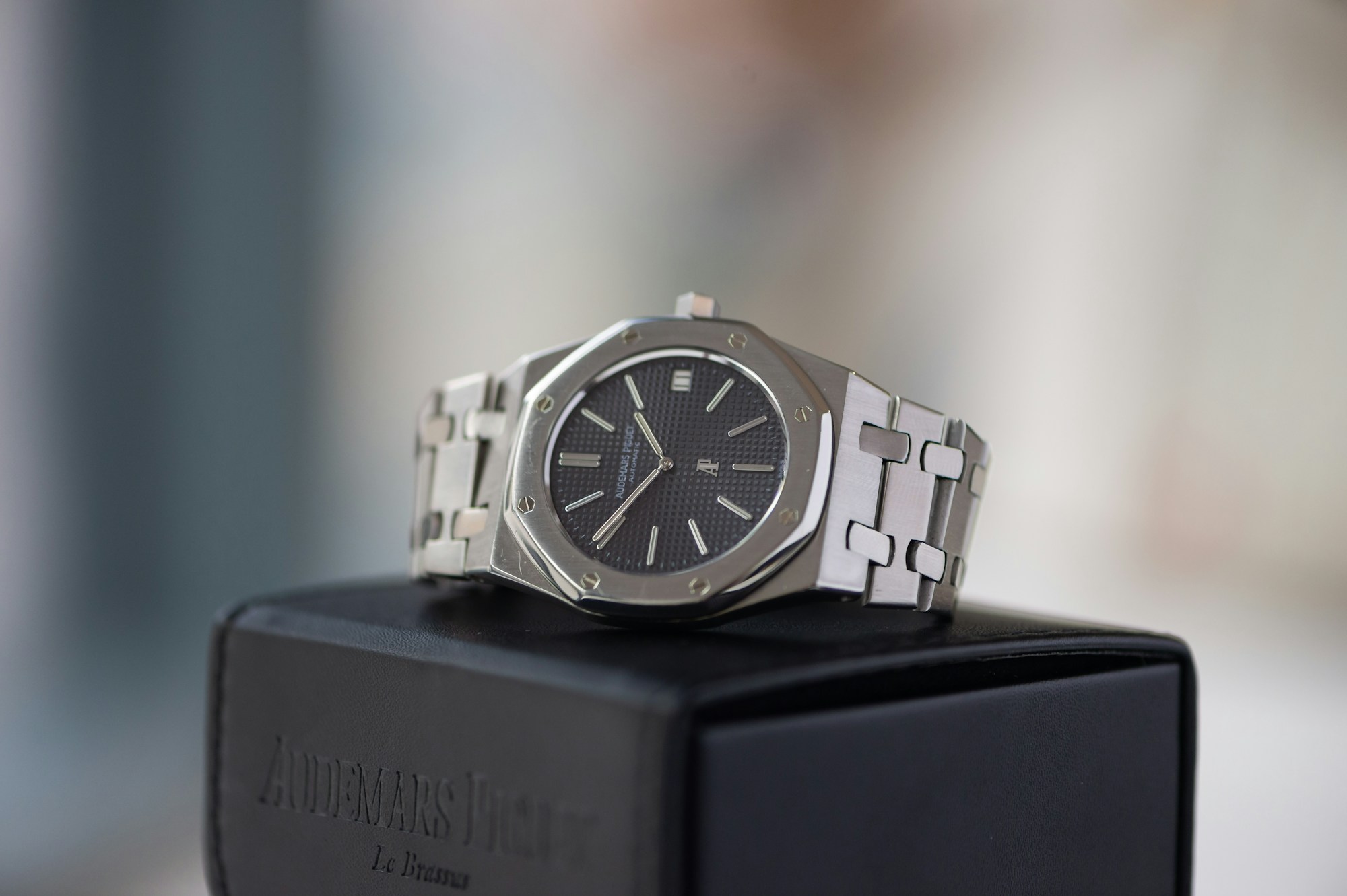
What makes the birth of the Royal Oak so fascinating is its context. Rather than imitate quartz or retreat into conservatism, Audemars Piguet chose audacity. The idea is almost narrative: when technology makes precision accessible to everyone, luxury must move elsewhere—towards emotion, creative rarity, the artisanal gesture, personality.
The Royal Oak offers a more modern kind of luxury—less ostentatious than gold, yet more sophisticated in intent. It speaks to a new figure: someone who wants a watch that can live, travel, be worn every day, while remaining an exceptional piece. A watch that works with a sharply tailored jacket as well as with an open shirt on a summer evening.
The luxury “sports watch”: a new continent
Before the Royal Oak, the notion of a high-end sports watch existed, but it did not carry this cultural status. After it, a category took root for good: the luxury steel sports watch—thin, elegant, finished like a piece of haute horlogerie, and sold as such.
This tipping point had cascading effects:
- Material ceases to define luxury: steel can become precious if worked to exacting standards.
- “Casual” becomes compatible with elite watchmaking: the watch is no longer reserved for special occasions.
- Visual identity takes precedence: a watch must be recognisable, tellable, desirable for its shape as much as for its calibre.
- The integrated bracelet becomes a symbol: it signals modernity, design coherence, and a distinctive feel on the wrist.
A world-watch: from horological object to pop icon
Great watches always outgrow their function. They end up becoming characters. The Royal Oak is no exception: it enters conversations, collections, and the aesthetic codes of an era. It conveys a certain idea of success—more graphic than showy, more contemporary than classic.
It isn’t merely an “important” watch; it is a visible one. In a world where image matters, its silhouette serves as a signature. Even if you don’t know watchmaking, you sense something is happening: taut lines, an insolent bezel, steel that doesn’t apologise for being there.
Luxury, Royal Oak style: presence, not performance
The Royal Oak also changed the relationship to status. It offers a form of luxury that lies not only in the material’s shine, but in the recognition of detail. It’s a connoisseur’s luxury, yet iconic enough to be understood at first glance. A rare balance.
The real upheaval: the audacity of the price and the logic of value
Within the industry, the Royal Oak served as proof. Proof that a steel watch could be sold for very high prices—if it carried a strong proposition and impeccable finishing. This point is crucial: modern watchmaking has become a market where you buy a value (design, history, rarity, collection coherence) as much as a product.
In other words, the Royal Oak helped establish the idea that the price of a watch is also the price of a vision. This logic opened the door to new strategies: limited editions, aesthetic variations, iconic collections, engineered waiting lists. Desire becomes an industrial engine.
Legacy: why the Royal Oak remains a turning point
More than fifty years on, the upheaval can be measured with almost scientific clarity: the Royal Oak shifted the lines of force in watchmaking luxury. It proved that innovation didn’t need to be technological to be radical. That a shape could be a revolution. That a material could be reinvented by hand and by light.
It also embedded a broader idea: watchmaking survives and thrives when it tells a story. An era, an attitude, a tension between tradition and modernity. The Royal Oak, at heart, tells the story of the audacity not to give in to fear—and to turn a crisis into a signature.
What it changed, in one sentence
The Royal Oak upended the watch industry because it made steel design and finishing a new standard of desire, giving birth to a contemporary way of thinking about luxury.