Why Watch Case Diameters Have Shrunk Over the Past Ten Years

A Return to Proportion: How We Moved from “Bigger” to “Better”
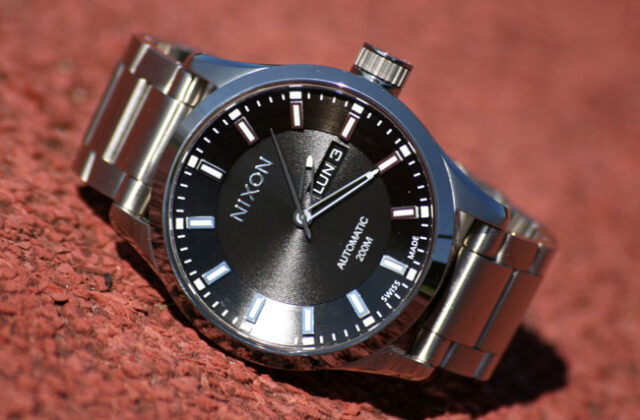
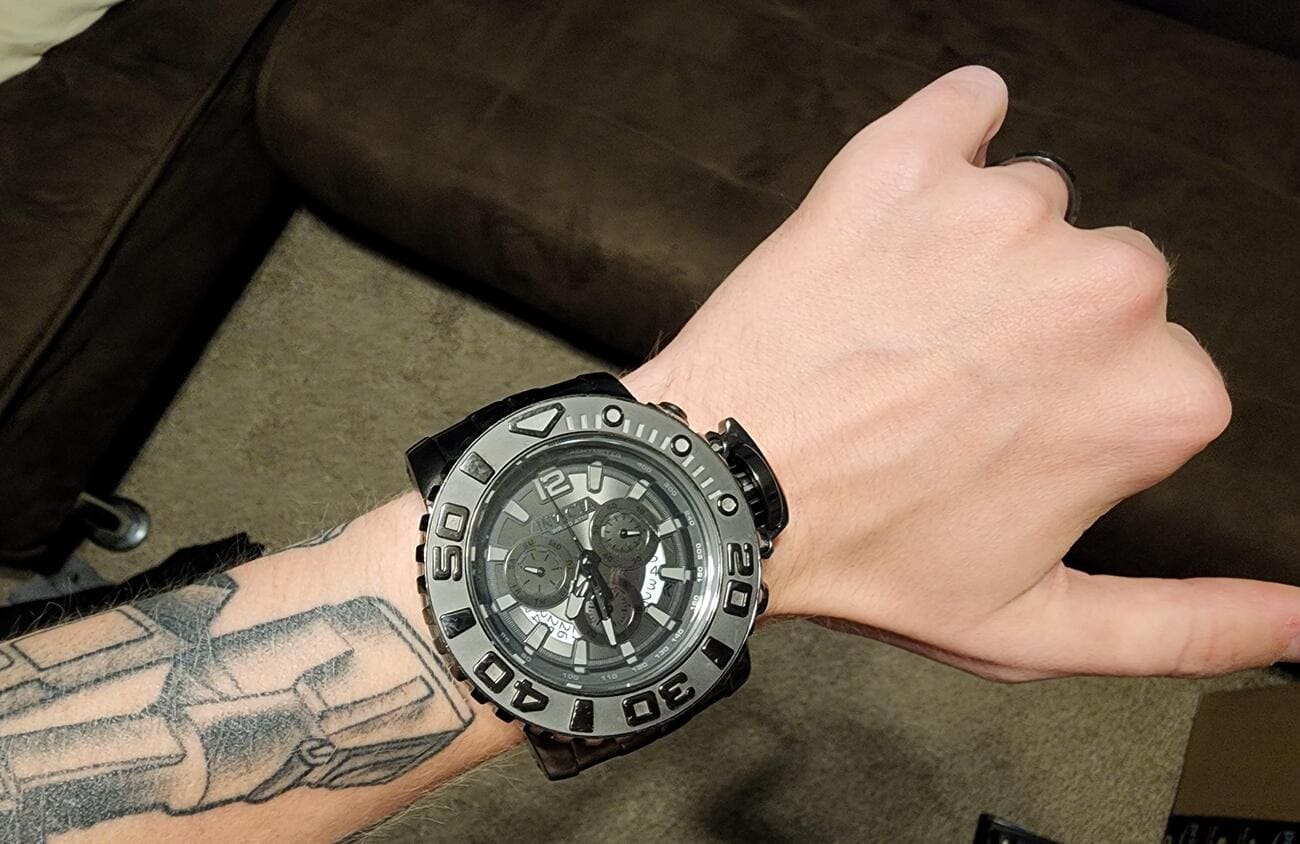
Ten or fifteen years ago, a watch was worn like a statement. On wrists, 44mm and up asserted an almost architectural presence: thick bezels, chunky lugs, dials saturated with information. The era loved the ostentatious, the show of power—like those cars with taut lines and oversized rims. However, for those seeking a more discreet elegance, choosing a watch for a slim wrist can offer a style lesson every bit as impressive.
And then, almost without a fuss, the trend flipped. Today, the new releases that get enthusiasts buzzing often sit between 36 and 40mm. Brands are reissuing icons in their original proportions, collectors are rediscovering the pleasure of discretion, and even manufactures known for imposing dimensions are relearning finesse. This isn’t a simple fashion cycle: it’s a cultural, aesthetic—and above all, watchmaking—shift.
When History Took the Lead Again
If diameters have come down, it’s first because watchmaking started looking in the rear-view mirror again—but intelligently. The 2010s saw an explosion of “heritage” reissues: you don’t merely copy an old watch, you resurrect an era. And the watches of the 1950s to 1970s—the ones that feed today’s collective imagination (diving, aviation, exploration)—were smaller: 34, 36, 38mm were common sizes.
In the archives, the proportions are clear: slimmer bezels, breathing dials, shorter lugs. When a brand decides to reissue a mythical model, it runs into a question of truth: can you claim to pay tribute to a design and then artificially inflate it? Some did. Many walked it back. The market, for its part, has decided: a credible reissue requires respecting the dimensions—or at least delivering a similar feel on the wrist.
Vintage Isn’t Just an Instagram Filter
Vintage has imposed a demand: authenticity of line. As collectors educated themselves through forums, auctions, and specialist content, the notion of “good proportion” overtook “big impact”. A watch is no longer merely an object to be seen, but an object that is right—coherent, and historically situated.
Comfort: The Most Prosaic Argument… and the Most Decisive
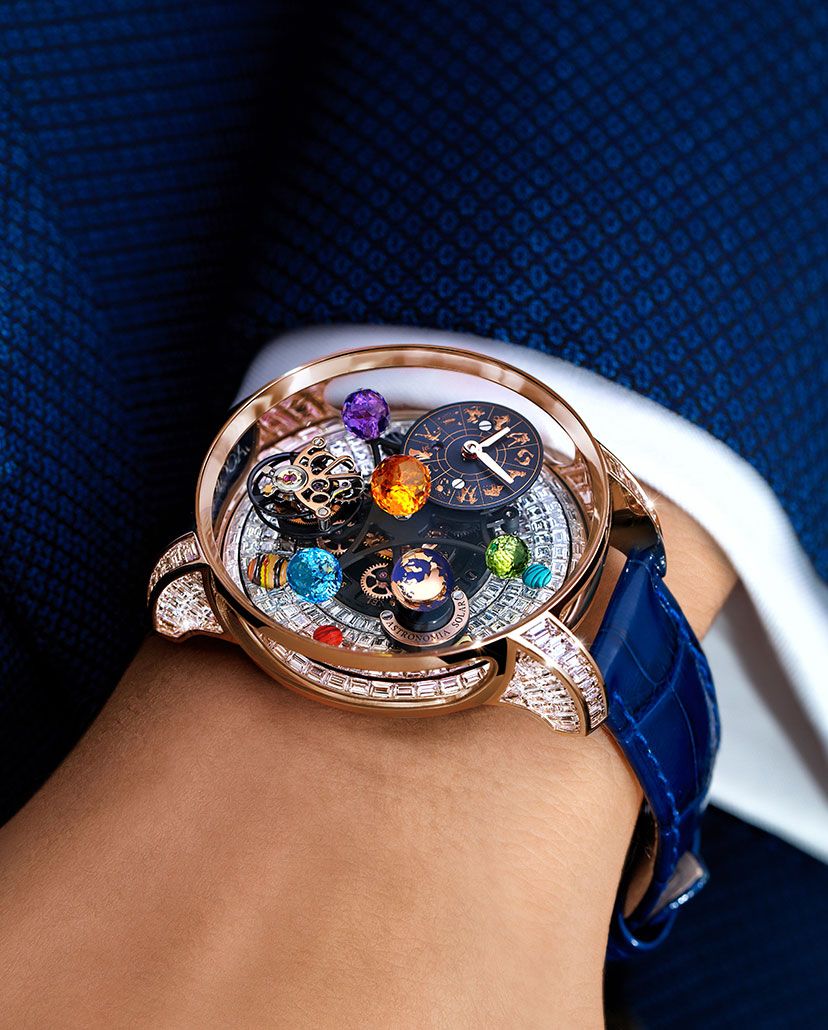
It only takes a full day with a watch that’s too wide to understand the shift. Large diameters don’t just bring presence: they bring weight, inertia, constraint. A 44mm case—especially if it’s thick—overhangs, knocks, catches on a cuff. It wears you down. By contrast, a 38–40mm watch can disappear, and paradoxically that’s where it becomes luxurious: when it integrates with you.
The past decade has also changed how we live. We type more at keyboards, we alternate between desk and mobility, we move from blazer to knitwear, from formal to casual. The wrist is more engaged, and ergonomics has become a priority again. Brands have worked on lugs, curvature, height. But reducing diameter remains the most direct way to improve wearability.
- Less overhang: a more compact watch protrudes less beyond the wrist.
- Better compatibility with cuffs: especially when thickness is kept in check.
- Visual balance: the dial doesn’t “swallow” the wrist’s silhouette.
A New Status Signal: From Demonstration to Sophistication
For a long time, a large diameter served as a social signal: the watch had to be seen. But luxury culture has evolved. The 2010s may have celebrated logos, yet they also prepared the ground for the opposite: a form of quiet luxury ahead of its time, where quality is recognised in less noisy details—a typeface, a caseband finish, a brushing, a dial nuance.
A smaller watch leaves more room for that subtle language. It also demands greater design precision: when everything is reduced, mistakes show. The indices must be flawless, the proportions beyond reproach, the bezel perfectly judged. “Small” isn’t a retreat—it’s a claim of mastery.
The Return of the Suit (and Style) to Everyday Life
The line between dressed-up and casual has blurred, but elegance hasn’t disappeared. It has shifted. A 36 to 39mm watch slips under a cuff, complements an open-collar shirt, and wears equally well on patinated leather or a refined steel bracelet. It’s a very contemporary versatility: less performance on display, more stylistic coherence.
Technology Followed: Why We No Longer “Need” Big
Larger cases used to be justified with technical arguments: better legibility, robustness, room for bigger movements, an impression of solidity. Today, many of those reasons have lost their force.
First, legibility doesn’t depend solely on diameter: it depends on contrast, typography, luminous treatment, and hand width. A 38mm watch can be more legible than a 44mm if the dial is well designed. Next, modern movements can be made compact, and brands have learned to “fill” a dial better without resorting to exaggerated apertures or disproportionate rehauts.
Finally, the obsession with water resistance “at any price” has been tempered. Many buyers want a versatile watch, yes, but they don’t necessarily need an extreme dive-watch architecture in daily life. Watchmaking has moved closer to reality: useful robustness, without one-upmanship.
Social Media Changed Perception… and the Market
The Instagram decade initially encouraged the spectacular: a big case photographs well, especially in close-up. But social platforms also created the opposite effect: instant comparison. When a model appears on the wrists of dozens of people, across varied body types, the verdict comes quickly. A watch that’s too large “wears badly” for many—and it shows immediately.
Online watch communities have also popularised a more precise vocabulary: lug-to-lug length, thickness, bezel-to-dial ratio, the proportion between indices and minute track. This more sophisticated eye has pushed brands to revisit their templates. A watch can be “small” on paper and perfectly present in reality if the dial opening is wide or the bezel is thin. Conversely, a “mid-size” watch can look enormous if it’s thick and angular.
The Wrist as the New Unit of Measure
Before, we talked first about diameter. Today, we talk about wear. The number is no longer a totem. Watchmaking has entered an era in which geometry matters as much as the stated size.
A New Classicism: 36 to 40mm, the Golden Zone
It’s no accident that so many recent launches cluster around 38–39mm. It’s a format that crosses styles: sporty, dressy, neo-vintage, minimalist. It suits more wrists, it ages better, it resists the temptation of “too much”. And above all, it reconnects with a very watchmaking idea: the watch as an extension of the body, not an object placed on top of it.
Large sizes haven’t disappeared, and they won’t. Certain tool watches, certain contemporary designs, certain imposing complications need space. But the cultural default has changed: big is no longer the automatic choice. Choosing a diameter has become an aesthetic act again, not a reflex.
What This Downsizing Says About Us
Reducing diameter also means reducing noise. It’s choosing a more intimate presence, a more personal relationship with the object. The watch is no longer intended only to be seen; it is intended to be lived with. In an era saturated with images and signals, that restraint feels almost radical.
And if diameters have decreased over the past ten years, it may be because watchmaking—like style—has rediscovered a simple truth: refinement doesn’t shout. It’s noticed on the second reading, in the turn of a reflection, in the way a watch hugs the wrist and fades just enough to become indispensable.