Why some watches use mineral crystal instead of sapphire
A Less Noble Choice… Really?
Sapphire crystal feels like the obvious choice when buying a watch. Harder, more scratch-resistant, virtually impervious in daily wear—it’s often seen as the unquestioned standard for any “good” watch. So why do we still find brand-new, often highly compelling watches fitted with simple mineral glass?
The answer comes down to one word—one that is rarely used correctly: coherence.
In watchmaking, nothing is ever as simple as a spec sheet. Between mechanical constraints, aesthetics, production costs, and sometimes even brand philosophy, the choice between mineral glass and sapphire reveals far more than a mere saving on materials. Reading this, are you starting to reconsider your view of mineral glass?
Mineral Glass vs Sapphire: The Technical Reality
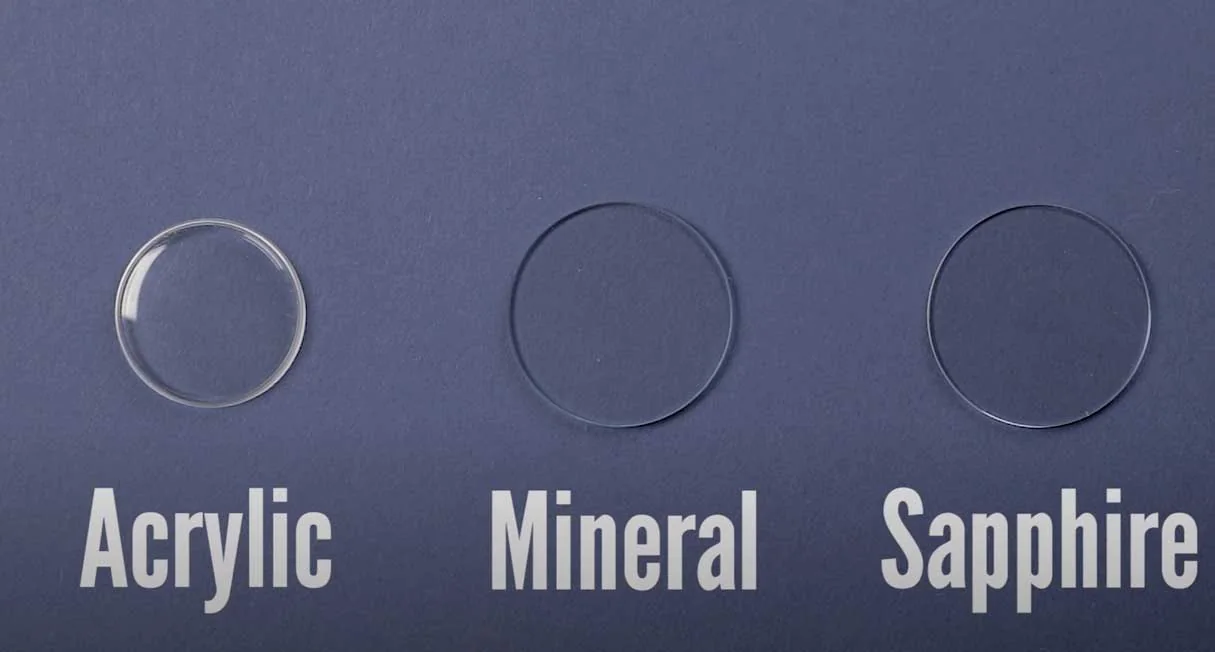
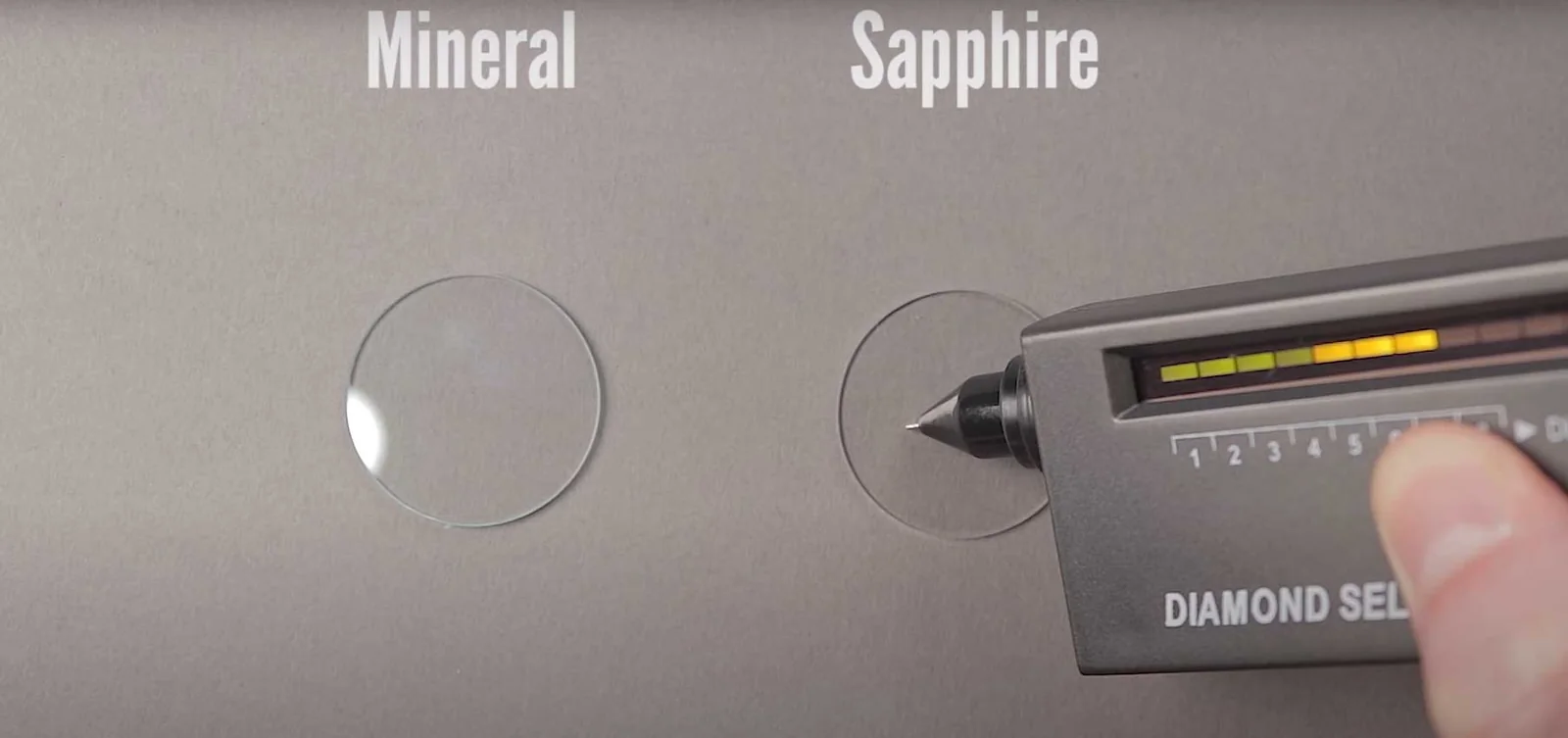
Let’s start with the basics. Synthetic sapphire crystal, now ubiquitous, ranks 9 on the Mohs hardness scale. In other words, only extremely hard materials—like diamond—can truly scratch it. In normal life, it’s nearly invulnerable.
Mineral glass, by contrast, is heat-treated glass, sometimes reinforced (mineral hardened, K1 for certain brands). Its hardness typically sits around 5 to 6 on the Mohs scale. A key, some sand, or an unfortunate knock is enough to leave a visible mark.
At first glance, the case seems closed. And yet…
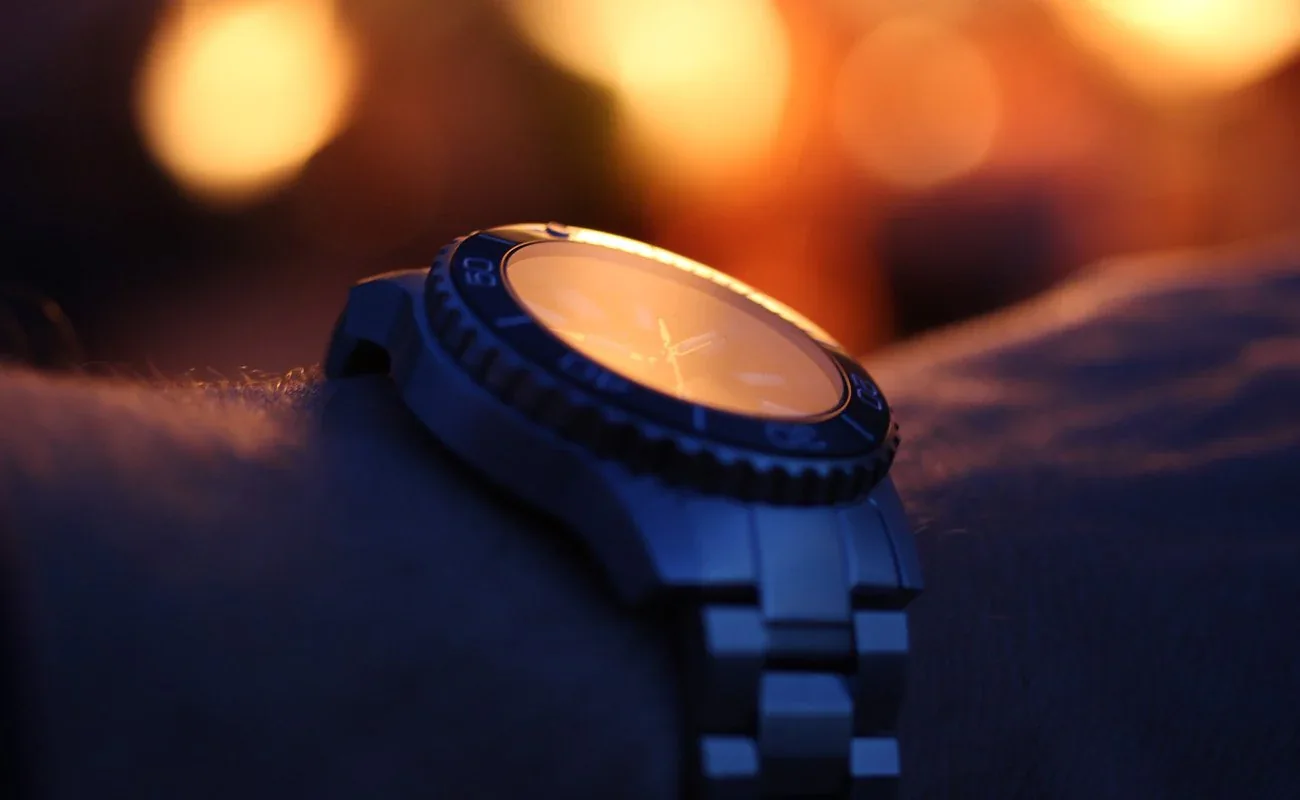
Mineral Glass Handles Impact Better
Here’s a paradox many newcomers don’t realize: the harder a material is, the more brittle it tends to be.
Sapphire crystal resists scratches brilliantly… but under a strong impact, it can crack or even shatter. It’s rare, certainly, but very real. On a dive watch or a true tool watch exposed to knocks, a shattered sapphire becomes a costly problem.
Mineral glass, while less prestigious, is often more “forgiving.” It absorbs shocks better, is less prone to catastrophic cracking, and can sometimes prevent the worst-case scenario: a dial covered in shards of sapphire, which are far more damaging.
This is one reason why some entry-level watches designed for heavy use remain loyal to mineral glass. Resilience is prioritized over aesthetic perfection.
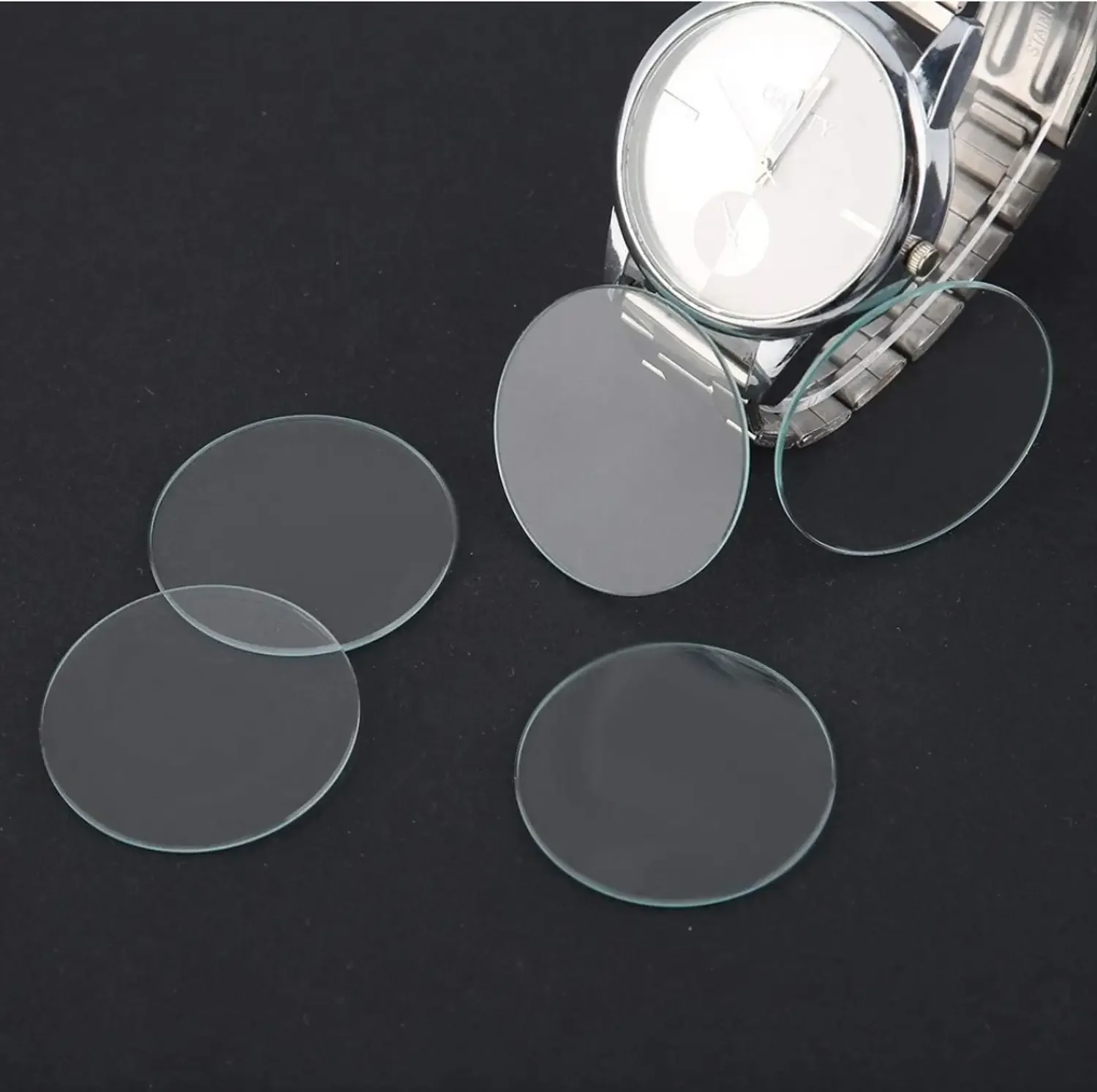
A Question of Cost… But Not Only
It would be dishonest to ignore the economic argument. Producing and machining sapphire crystal is significantly more expensive than making simple mineral glass. That has a direct impact on the final price.
In a watch under €200 or €300, opting for mineral glass often preserves budget for other elements: a more robust movement, better water resistance, a decent strap. In other words, it’s a trade-off.
But reducing mineral glass to mere cost-cutting misses far more interesting cases.
Why Some Brands Embrace Mineral Glass
1. Historical Fidelity
Many vintage reissues retain mineral—or even acrylic—crystals to stay true to the original experience. The visual rendering, slightly warmer and softer, is difficult to replicate with sapphire.
Sapphire, even with anti-reflective coating, often appears too “perfect.” Too crisp. Too contemporary.
Mineral glass, by contrast, can introduce subtle edge distortion and more organic reflections that instantly resonate with enthusiasts of vintage watches.
2. Visual Signature
Some brands play this card deliberately. Mineral glass is easier to shape, especially for pronounced domes, “box glass” profiles, or retro-inspired designs.
Domed sapphire does exist, of course—but costs rise quickly. Mineral glass delivers that look at a fraction of the price.
The result: accessible watches with strong visual appeal.
3. Honest Positioning
There’s also a degree of transparency in this choice. Rather than aspiring to luxury, some brands embrace a practical, everyday positioning without unnecessary pretense.
A robust quartz watch with mineral glass can be an excellent daily companion. A micro-scratch isn’t a drama. There’s less stress. Less reverence.
And paradoxically, these are often the watches we wear the most.
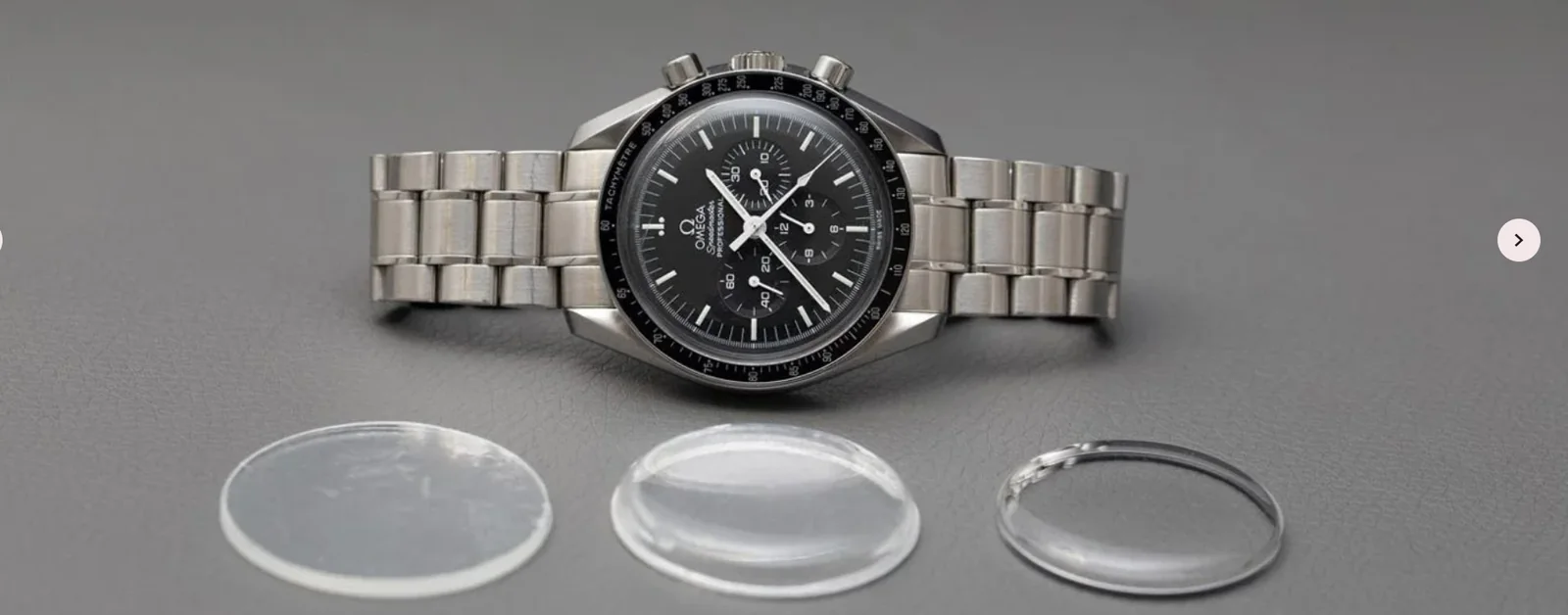
Treated Mineral, K1, Hardlex: The Nuances That Matter
Not all mineral glass is created equal.
Seiko, for example, uses its well-known Hardlex, a chemically hardened mineral glass. It offers better scratch resistance than standard mineral glass, without reaching sapphire levels.
Other brands offer K1, a reinforced mineral glass combining improved impact resistance with enhanced hardness.
These intermediate solutions blur the lines. We’re no longer dealing with a binary opposition, but a spectrum of performance.
The Real Pleasure of Use
Here’s a rarely discussed yet essential point: the psychology of wearing a watch.
A flawless sapphire crystal stays flawless. That’s its strength. But it can also create a kind of rigidity. You care about it. You protect it. Sometimes too much.
Mineral glass, on the other hand, lives. It marks. It tells a story.
Some collectors appreciate this light patina—almost invisible day to day, but present in grazing light. A watch that isn’t frozen in clinical perfection, but evolves with its owner.
Of course, not everyone shares that tolerance. But the automatic dismissal of mineral glass is often more cultural than truly considered.
When Sapphire Remains Essential
This isn’t about completely overturning the hierarchy.
In certain categories, sapphire is non-negotiable:
- high-end or very high-end watches
- pieces with strong horological or heritage value
- watches intended to last decades without noticeable degradation
- models with advanced anti-reflective coatings for perfect legibility
On a watch costing several thousand euros, mineral glass would be difficult to justify—unless driven by a very specific aesthetic choice.
Ultimately, the presence of mineral glass on a watch is neither an automatic flaw nor a sign of mediocrity. It’s a clue.
A clue about the design brief. The intended audience. The balance between cost, use, and aesthetics.
In a market obsessed with technical superlatives, mineral glass reminds us of something simple: watchmaking is about intelligent compromises.
And sometimes, that compromise is exactly the right one.
The next time you come across a watch with mineral glass, don’t reduce it to its “lack” of sapphire. Take it in as a whole. Question its intent.
You may well see in it a form of horological coherence… one that escapes those who only read spec sheets.
That said, being perfectly transparent—like glass (lol)—what a pleasure it is to see the crystal on your brand-new watch, barely on your wrist, come away unscathed after knocking against a very rough wall… And that, mineral glass simply can’t do.