Why Skeleton Watches Have Become Popular Again
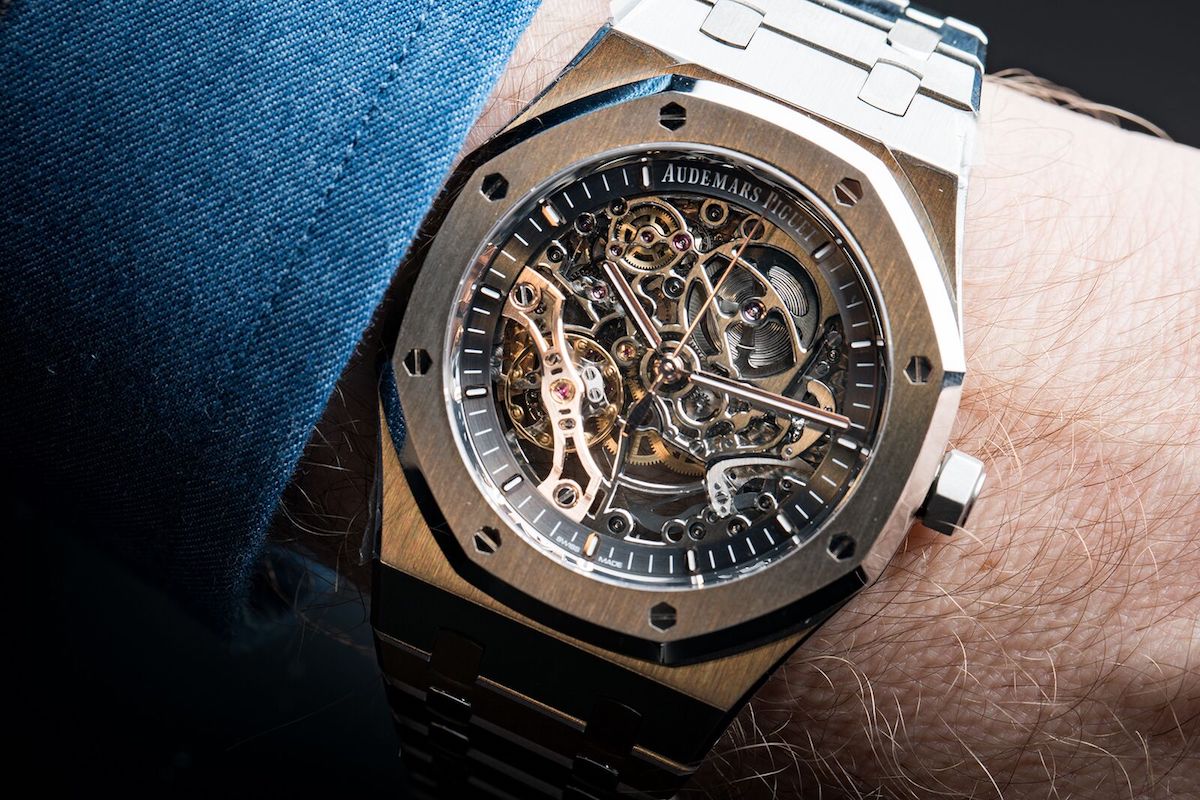
The great return of transparency
On the wrist, a skeleton watch does more than tell the time. It reveals a miniature theatre: gears seemingly suspended, an escapement in motion, a mainspring that breathes. Long seen as a niche display of virtuosity, the skeleton watch is making a strong comeback. In a world saturated with smooth screens, this mechanical transparency embodies a simple, strikingly contemporary idea: hide nothing.
The phenomenon goes beyond a trend. It brings together watchmaking culture, a desire for authenticity, and an appetite for objects with bold design. The skeleton mechanical watch has once again become a manifesto—an initiation rite for those who love the beauty of a movement as much as the elegance of the gesture.
From workshop feat to style statement
From 18th-century salons to today’s display cases
Originally, skeletonisation was born in pocket watchmaking. Masters hollowed out plates and bridges to showcase the artisan’s hand: mirror anglage, floral engravings, discreet perlage. In the 20th century, a few maisons revived the exercise in wristwatches, often in confidential runs. Today, openworking has freed itself from the ornamental to become an aesthetic language: pierced architecture, plays on volume, floating indices, bridges like ribs.
A period eyeing authenticity
If skeleton watches captivate, it’s because they speak the language of the present day. Transparency in processes, “open kitchens” in gastronomy, raw materials in design: watchmaking is following suit. Watching a movement live is a reminder that a mechanical watch is not a black box but an organism. On Instagram or on the wrists of athletes and musicians, these open dials read instantly and say something personal: an intimate relationship with mechanics.
Skeletonisation: a design that catches the light
Architecture, negative space and depth
Openworking turns the watch into a structure. Empty space draws as much as solid matter. Bridges stretch into arches, wheels become rosettes, the minute track floats like a gangway. Light passes through, catches a polished bevel, glides over a Geneva stripe, pauses on a jewel setting. The result: a singular visual presence—more sculptural than a solid dial—where you can watch your movement beat.
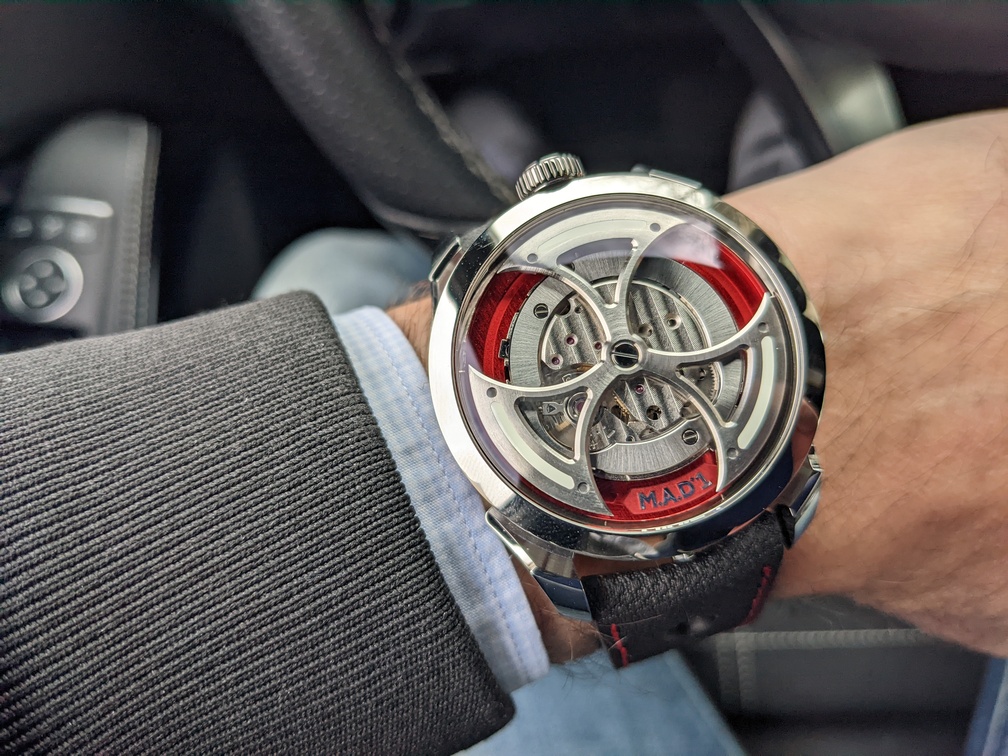
Controlled legibility
The classic criticism? “It’s beautiful, but illegible.” Designers’ answer: contrasting minute rings, skeletonised hands that are rhodium-plated or lacquered, coloured accents, smoked sapphire crystals that soften the background. The best pieces strike the balance between mechanical spectacle and instinctive reading.
Engineering in service of openworking
Designing the movement from the first sketch
No one “hollows it out” at random anymore. Many recent movements are conceived from the outset to be skeletonised. That changes everything: a baseplate redrawn for rigidity, bridges reinforced at stress points, a gear train aligned to preserve inertia, an optimised power reserve. CAD and simulation make it possible to remove material while maintaining stability and shock resistance.
Top-tier materials and finishing
Titanium for lightness and a crisp acoustic signature, treated steels for hardness, carbon or ceramic on the case side for protection, sapphire for visual purity. Inside, finishing reigns: hand-applied anglage that catches the slightest ray, satin-brushing, straight graining, micro-blasting in the “shadow” zones. A trained eye will read the quality of a skeleton watch in the cleanliness of its edges, the absence of burrs, and the coherence of the bridge design.
A cross-cutting trend in watchmaking
Independents have pushed the skeleton’s dramaturgy, sometimes all the way to horological surrealism. The big manufactures followed, each with its own grammar: taut geometry, ultra-thin minimalism, sporty expression. The result: there are now skeleton watches for every wrist, from everyday chic to a manifesto of extreme engineering.
- Openworked sport-chic: angular bridges, integrated bracelets, graphic volumes.
- Luminous classic: fine round structures, alternating polished and satin-brushed surfaces.
- Ultra-thin: airy movements where every micron counts, a feat of pure watchmaking.
- Avant-garde: composite materials, unapologetic colours, futuristic architecture.
- An accessible gateway: more affordable models that reveal the essentials of the movement without sacrificing legibility.
Its success is also explained by a cultural factor: watching your movement beat creates attachment. A skeleton watch photographs well, gets shared, gets discussed. It feeds a community where people talk about anglage as much as style.
Why they’re coming back—now
- Transparency as a cultural value: the object says what it is, with no dial to conceal it.
- A differentiating aesthetic: in an overcrowded market, openworking signals a strong identity.
- Mature techniques: simulation, new alloys and know-how enable reliable skeleton watches, even for sporty use.
- Visual culture: social networks and macro photography magnify micro-mechanics.
- A generation of enthusiasts: curiosity about watchmaking, a taste for visible “movement,” a desire for story more than logo.
Choosing the right skeleton watch
Five simple pointers
- Legibility: contrasting hands, crisp indices, a readable flange. If you have to hunt for the minutes, move on.
- Genuine finishing: sharp bevels, polished angles, no burrs. Openworking should elevate the handwork, not betray compromises.
- Coherent architecture: the bridge design should express an intention. Avoid “random” openworking that weakens the structure.
- Comfort and rigidity: a well-proportioned case, a movement designed for skeletonisation, stated shock resistance.
- Personal style: classic, sport-chic or avant-garde? A skeleton watch is expressive—choose it like a design object.
A watchmaking art that hides nothing
The skeleton watch is not a mere fashion effect. It embodies a desire for technical beauty and formal sincerity. By lifting the veil on the movement, watchmaking returns to what underpins it: time passing—visible, tangible, almost audible. If it is returning today, it’s because it reminds us why we love watches: for that ballet of metal and light that, every second, reconnects us to what matters.