Why Are Some Watches Antimagnetic?
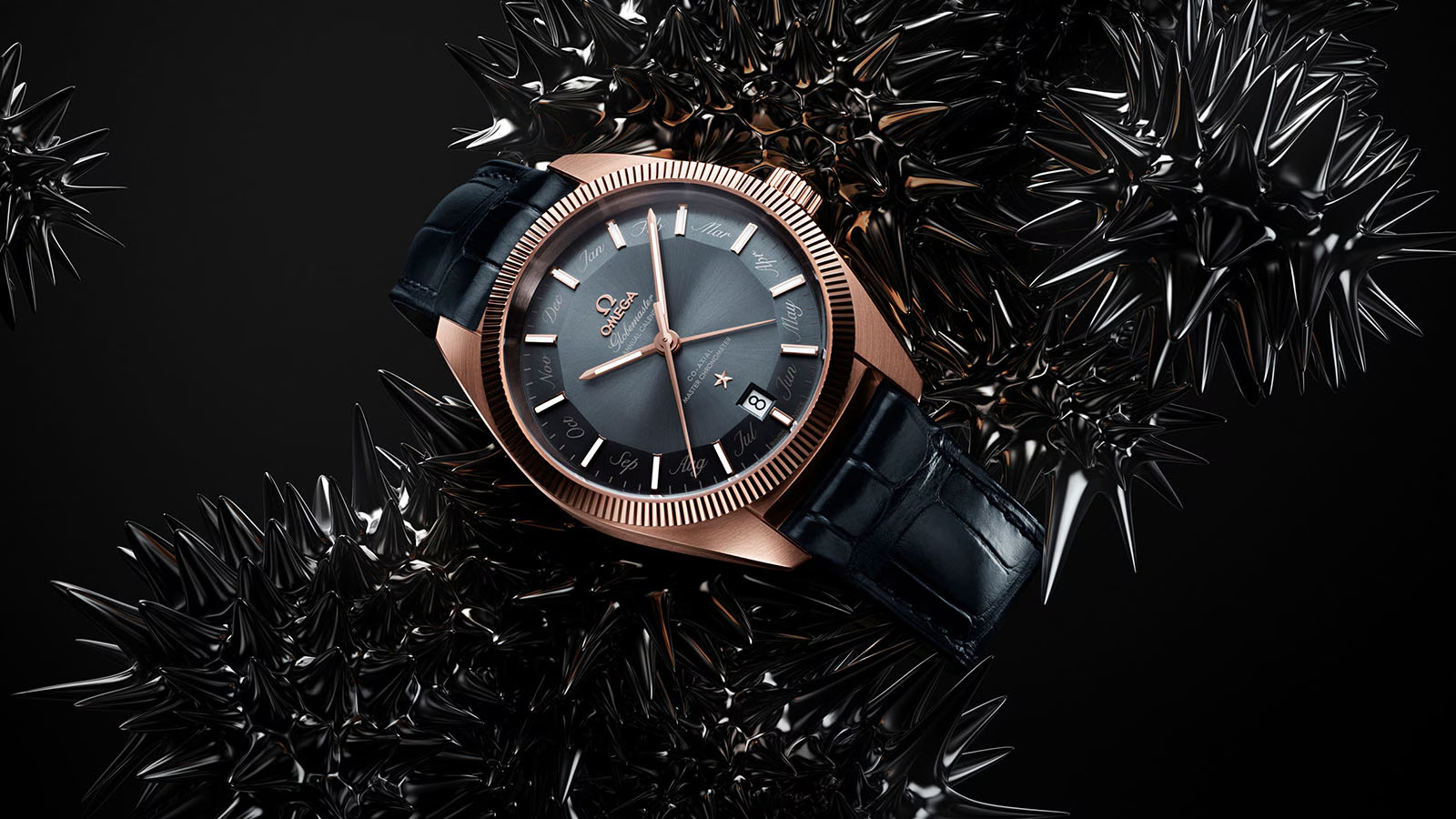
The Invisible Enemy of Watches: Magnetism
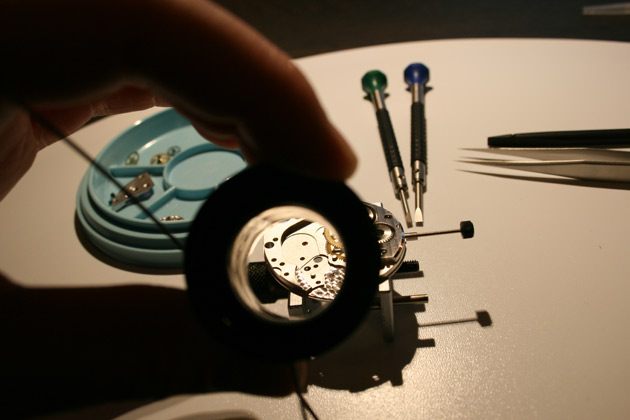
A watch can survive rain, cold, shocks. But when it comes to magnets, its Achilles’ heel is the balance spring. Exposed to a magnetic field, the coils stick together, the frequency goes out of tune, and the watch suddenly starts gaining several minutes a day. The irony is delicious: it’s not high mountains that most threaten your minutes, but a bag with a magnetic clasp, a portable speaker, or the back of a smartphone.
Which leads to a very contemporary question that is nonetheless a century old: why are some watches anti-magnetic? Because they were designed to win a quiet battle that our daily lives keep intensifying.
From Railways to the Age of Labs: The Birth of an Obsession
At the beginning of the 20th century, the electrification of the world upends watchmaking. Power stations, transformers and telegraphy magnetise professionals’ watches. Watchmakers respond: the Tissot Antimagnetique (1930s) marks the democratisation of the concept; Vacheron Constantin experiments with non-ferromagnetic alloys in pocket watches; the railways, with their exacting requirements, push manufactures to innovate.
In the 1950s, science accelerates. Engineers, doctors and physicists work amid powerful equipment. IWC launches the Ingenieur (1955), Rolex answers with the Milgauss (1956) designed for laboratories, Omega presents the Railmaster (1957). The legend is underway: anti-magnetism becomes a true field of watchmaking excellence, with its own vocabulary, solutions and icons.
How Do You Protect a Watch from Magnetic Fields?
1) The Soft-Iron Shield
The historic method is to enclose the movement in an inner soft-iron обол—often mistakenly called a “Faraday cage”. This material attracts the field lines and diverts them around the mechanical heart. The dial, movement ring and caseback form a continuous shield.
- Advantages: robust protection, stable over time, ideal for professional use.
- Trade-offs: a solid back rather than a sapphire back; a slight increase in thickness.
2) Non-Magnetic Materials
The modern route neutralises the problem at its source: removing sensitive components. Silicon balance springs (Si14 at Omega, Syloxi at Rolex), paramagnetic alloys (such as Parachrom), non-ferromagnetic pallet fork and escape wheel, optimised bridges and pivots. The result: even without a soft-iron cage, the watch withstands far stronger fields.
- Advantages: high resistance, a transparent caseback is possible, reduced weight.
- Trade-offs: cutting-edge technology, complex manufacturing, servicing best entrusted to certified workshops.
How Many Gauss Is “Enough” Anti-Magnetism?
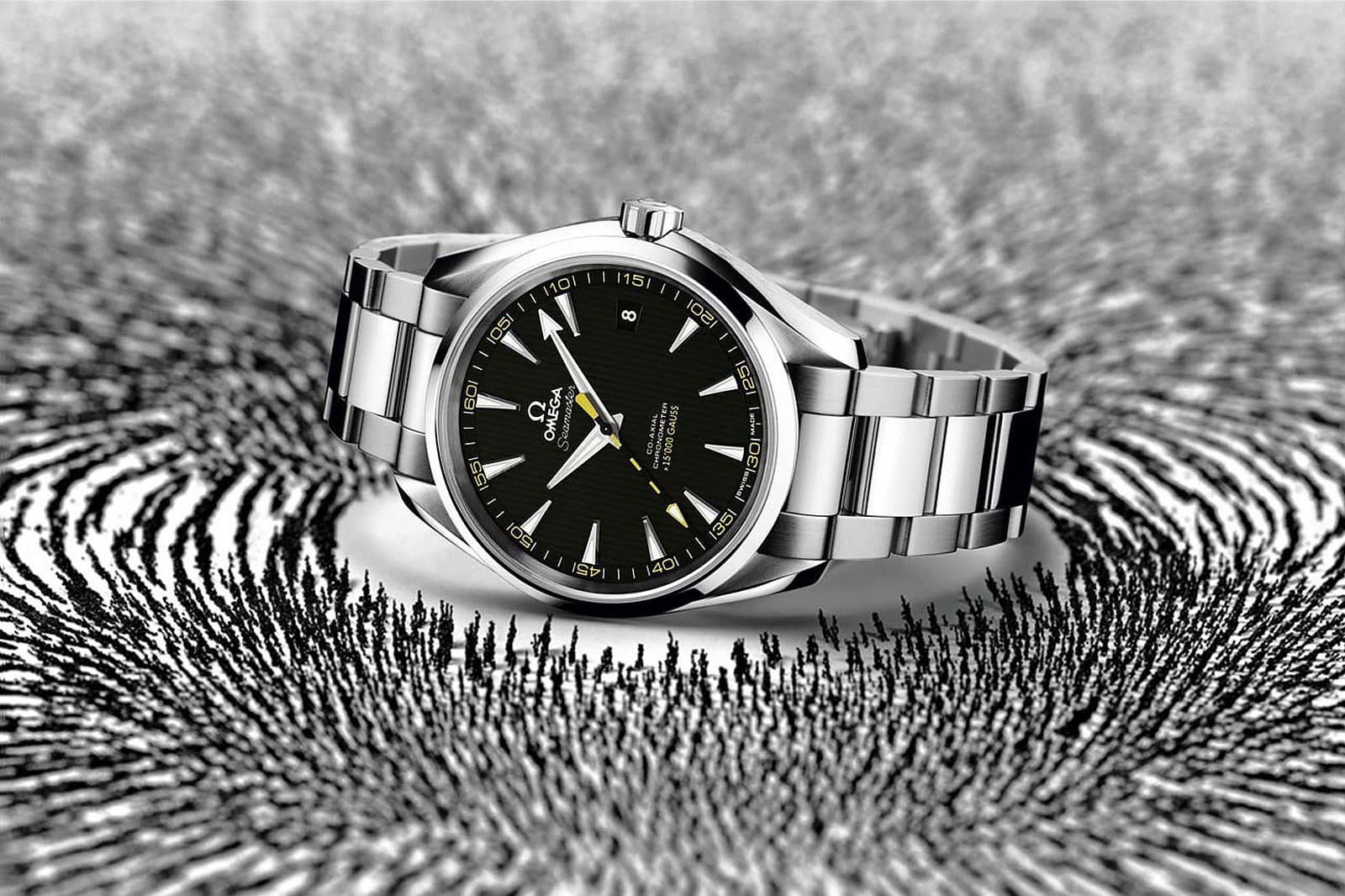
Standards set a baseline. ISO 764 (and its DIN equivalent) requires that a “magnetic resistant” watch withstand 4,800 A/m—around 60 gauss—without excessive rate deviation. That was respectable yesterday; it’s modest today. Rolex popularised the idea of “a thousand gauss” (1,000 gauss) as early as the 1950s, IWC made it an engineering signature, and Omega set the bar very high with its Master Chronometer certifications tested to 15,000 gauss (1.5 tesla), i.e. fields encountered near MRI machines and industrial magnets.
Real life, however, isn’t a magnetic tunnel. It’s made up of repeated micro-exposures: magnetised clasps, tablet covers, bags, speakers, chargers and accessories with built-in magnets. Individually, these sources don’t rival an MRI; cumulatively and at close range, they’re enough to throw an unprotected balance spring off.
Symptoms, Reflexes and Servicing: What to Do If Your Watch Starts Racing?
How to Spot a Magnetised Watch
- A sudden gain of several minutes per day, sometimes within the first few hours.
- No prior shock or marked temperature change.
- Erratic behaviour: significant gain during the day, better at night (away from magnets).
The Remedy
- Demagnetisation: a watchmaker can do it in a few seconds with a dedicated device. It’s painless and often spectacular.
- Prevention: avoid placing the watch on a speaker, a magnetic charger or a magnetised cover. Even a few centimetres of distance already reduces the risk.
- Upgrading: if you live surrounded by magnets (sound studio, lab, MagSafe gadgets), a watch with a silicon balance spring or soft-iron shielding brings real peace of mind.
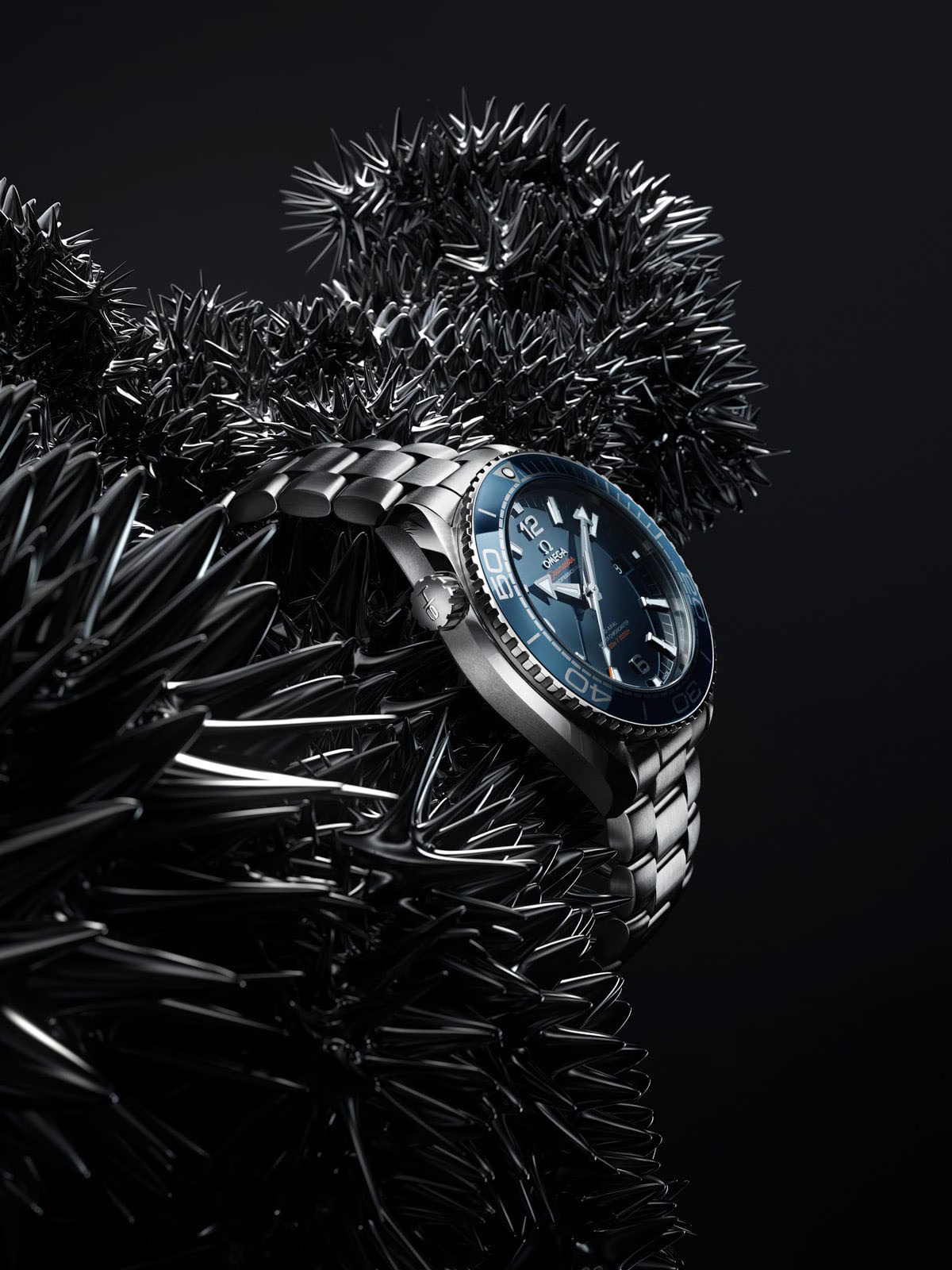
The Great Anti-Magnetic Watches to Know
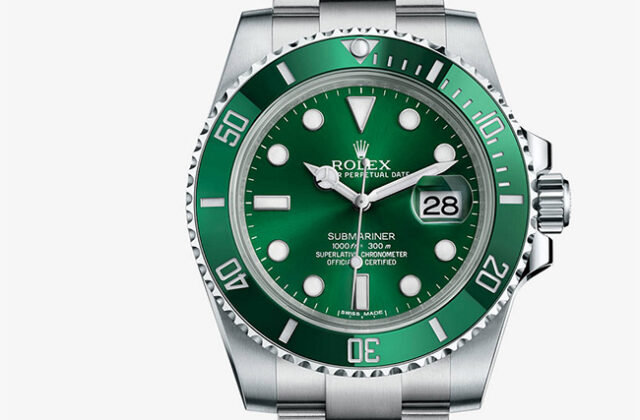
- Rolex Milgauss (1956): designed for laboratories, famous for its lightning-bolt seconds hand and 1,000-gauss protection.
- IWC Ingenieur (1955): the quintessential “engineer’s tool” approach, with a soft-iron cage and technical design.
- Omega Railmaster (1957) then Master Chronometer: from railway tradition to 15,000 gauss in the METAS era.
- Patek Philippe Amagnetic ref. 3417 (late 1950s): rare, understated, cult among purists.
- Jaeger‑LeCoultre Geophysic (1958): born for the International Geophysical Year, conceived for scientists.
- Tissot Antimagnetique (1930s): one of the pioneers of series-produced anti-magnetism.
What do they have in common? A technical answer to a real risk, paired with an immediately recognisable style. Anti-magnetism isn’t a gimmick; it’s an aesthetic and functional grammar that tells the story of an era: the age of railways, particle accelerators, and then our connected lives.
Do You Need an Anti-Magnetic Watch Today?
If you wear a mechanical watch every day, the answer is happily yes—if only for peace of mind. “Standard” resistance protects against small exposures, but a silicon balance spring or a shielded construction eliminates most modern variables without sacrificing the pleasure of a sapphire caseback (in the case of material-based solutions).
Keep one simple idea in mind: water resistance, shock resistance, anti-magnetism. The triptych of the true everyday watch. The first protects you from the elements, the second from accidents, the third from the invisible enemy. And today, it may well be the most ubiquitous of all.
As a Moral
There is nothing more romantic than a balance wheel breathing to its own rhythm. Anti-magnetism is the promise that this breath stays true, despite the magnets scattered through our pockets. A promise born on the rails, matured in laboratories, and become the best ally of everyday elegance.