What’s the Difference Between a Chronograph and a Chronometer?
Two words, two worlds: why we still confuse chronograph and chronometer
In everyday language, “chrono” covers everything. We use it to describe both an interval timer and an extremely accurate watch. Yet chronograph and chronometer tell two very different stories in watchmaking: one is about function, the other about performance. Confusing them is like mixing up the stage and backstage, action and accuracy. Here’s how to never get it wrong again.
The chronograph: the art of measuring the moment
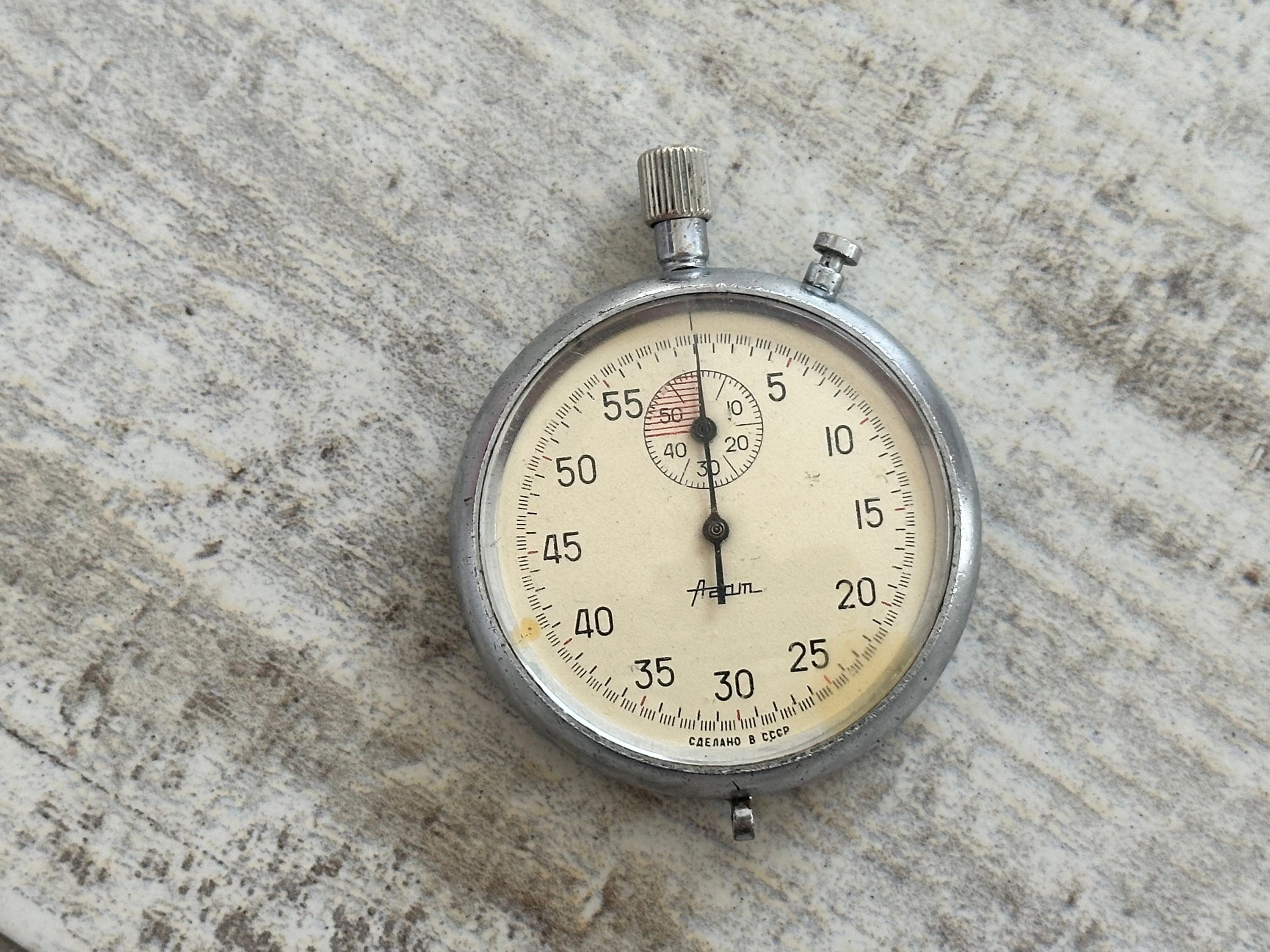
The chronograph is a complication. Put simply, it’s an additional mechanism that lets you measure an elapsed time on demand, via a pusher that starts, stops and resets a central hand (often the seconds hand) and sometimes auxiliary counters (minutes, hours). Think tachymeter scales engraved on bezels, tricompax layouts, mushroom pushers: the whole world of racing and cockpits is right there.
Its founding fathers? Louis Moinet, who as early as 1816 produced a fascinating instrument capable of measuring 1/60th of a second, and Nicolas Rieussec, who in 1821 invented a device that “wrote” elapsed time onto a dial for the King and horse races. Since then, the chronograph has multiplied into countless variations: the elegant monopusher, the flyback (instant reset to restart without stopping), the rattrapante/split-seconds (two hands to time intermediate intervals), even countdowns for regattas.
A chronograph, then, is not a promise of absolute precision: it’s a measuring tool built into the watch, a miniature theatre in which you conduct the passage of time.
The chronometer: the official pursuit of precision
By contrast, a chronometer is not a function but a title. It designates a watch that has proven—certificates to back it up—high precision in standardised tests. Historically, “marine chronometers” guided navigation. Today, the most widespread designation is controlled by the COSC (Switzerland), which subjects the movement to 15 days of testing in multiple positions and temperatures. For a mechanical movement, the required average tolerance is between -4 and +6 seconds per day.
Other labels exist: the Besançon Observatory issues its “Tête de Vipère” (Viper’s Head), heir to the observatory trials. The METAS “Master Chronometer” protocol, popularised by Omega, pushes the bar higher with tests on the cased-up watch, resistance to magnetism up to 15,000 gauss, and accuracy between 0 and +5 seconds per day. But the idea doesn’t change: “chronometer” means certified precision, not an added complication.
The big misunderstanding: can it be both at once?
Yes—and it’s even a modern-day grail. A watch can be a chronograph (a measuring complication) and a chronometer (certified precision). A Daytona “Superlative Chronometer”, a Speedmaster Master Chronometer, or certain El Primero models combine both statuses. Conversely, a three-hand watch can be a chronometer with no chronograph at all, and a sporty chronograph may not be chronometer-certified.
Key differences at a glance
- Nature: the chronograph is a function; the chronometer is a precision certification.
- Use: the chronograph measures an interval; the chronometer guarantees the accuracy of the time displayed day to day.
- Engineering: the chronograph adds gearing (clutch, column wheel or cam, counters); the chronometer involves fine regulation of the movement and independent testing.
- Proof: the chronograph is visible to the eye (pushers, counters); the chronometer is read on a certificate (COSC, Besançon, METAS…).
- Coexistence: compatible, often complementary, but never interchangeable.
Why the confusion persists
Blame is shared between language and popular culture. In French, “chrono” contracts both terms. Advertising long glorified the gesture of a driver pressing a pusher, while brands wrote “officially certified chronometer” in small print. That’s where the ambiguity is born: we wrongly associate sub-dials with a guarantee of precision, when one is about capability and the other about consistency.
The details that make the difference on the wrist
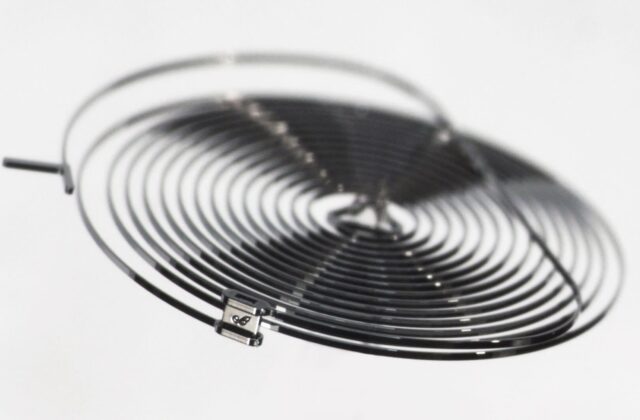
A chronograph appeals to the eye: tricompax symmetry, the crisp click of a column wheel, tachymeter and pulsometer scales that tell the story of motoring or medicine. A chronometer appeals to the mind: better-selected balance springs, careful regulation, sometimes an optimised escapement, reinforced anti-magnetism. The first delivers the thrill of a standing start; the second, the confidence of arriving on time, every day.
How to choose without getting it wrong
- Do you often time durations (racing, cooking, training)? Choose an ergonomic, legible chronograph and, if possible, one with a vertical clutch for a jump-free start.
- Do you prioritise everyday accuracy? Look for “Chronometer” on the dial or ask for the certificate (COSC, METAS, Besançon).
- Do you want both? Aim for a chronograph certified as a chronometer: a more technical investment, often more expensive, but reassuring.
- Do you live in a magnetic world (computers, speakers, magnetised handbags)? METAS certification or anti-magnetic components will make the difference over time.
- Do you love history? A column-wheel monopusher, a rattrapante, or a telemeter scale will add a cultural dimension to your wrist.
A word on quartz and observatories
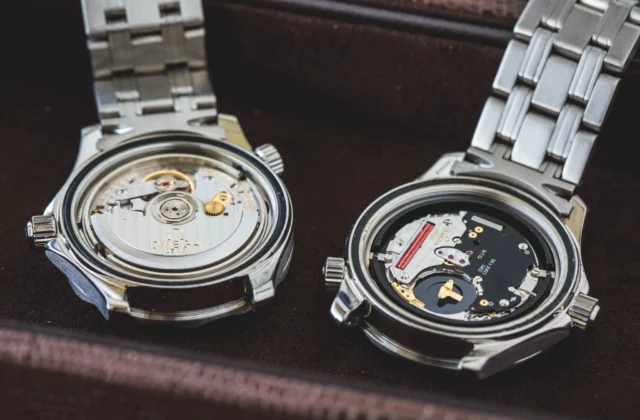
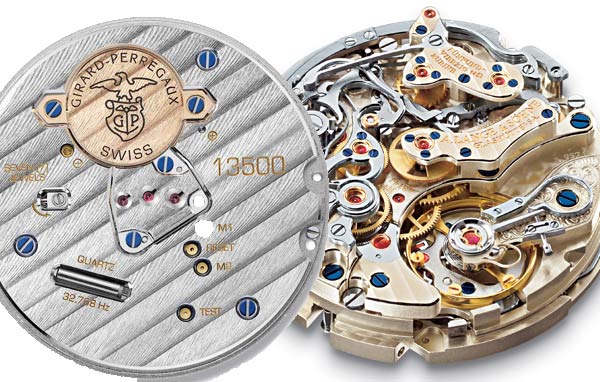
Quartz upends the hierarchy: a good quartz and mechanical is often more accurate than a mechanical one, and some are chronometer-certified with far tighter tolerances. That takes nothing away from the beauty of a mechanical chronograph, but it’s a reminder that the word “chronometer” isn’t limited to the mainspring. Meanwhile, the old observatory competitions forged the myth: Neuchâtel, Geneva, Kew, Besançon… Temples where one didn’t “chronograph”; one judged.
In summary: two faces of the same passion
The chronograph stages the fleeting second; the chronometer disciplines the hour that endures. One invites you to start the count; the other promises the watch will keep its word. When they meet, the magic happens: you measure a moment with the certainty that the instrument itself isn’t cheating. And perhaps it’s there—between gesture and rigour—that the true beauty of a well-born watch lies.