What is a hairspring and why is it crucial to precision
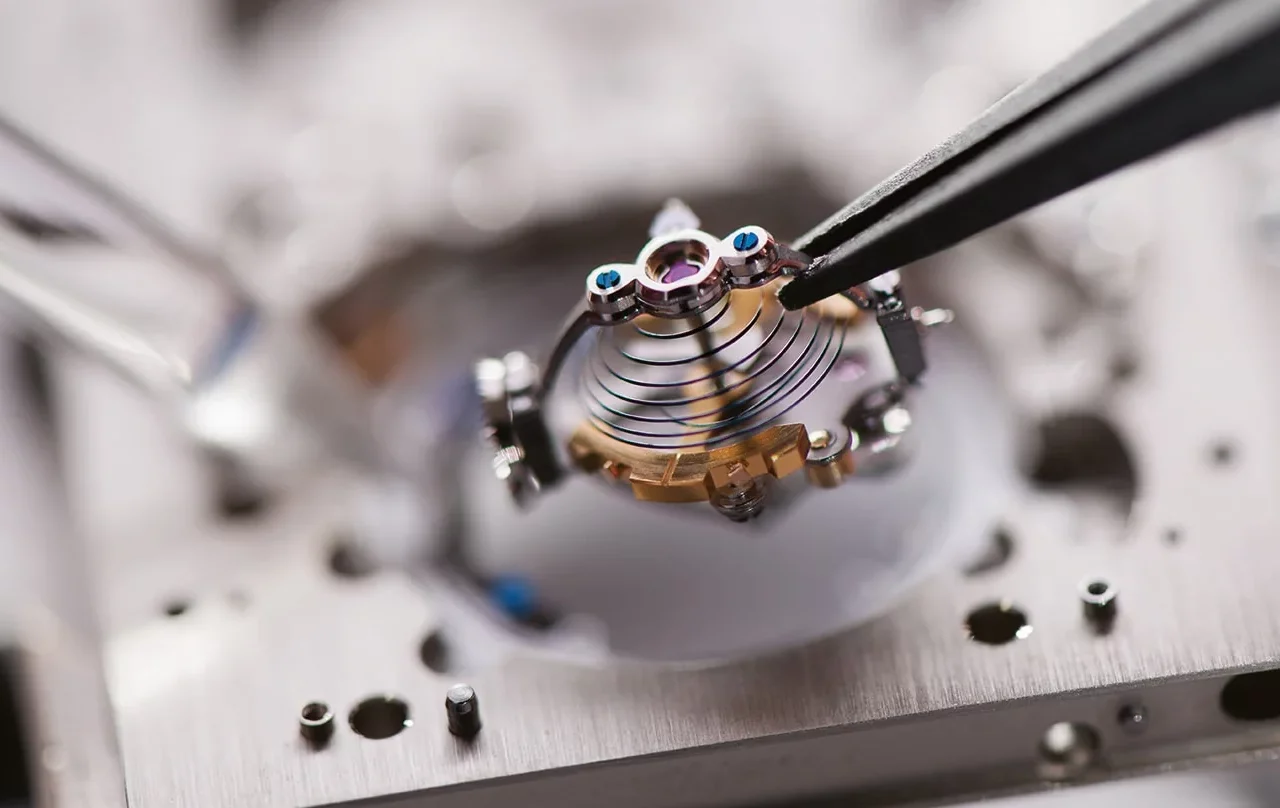
The hairspring, the invisible spring that decides everything
In a mechanical watch, precision does not hinge on a single closely guarded “secret,” but on balance. At the heart of this miniature theatre, a duo reigns supreme: the balance wheel and its hairspring. The former oscillates like a metronome. The latter—a spring as fine as a strand of hair—imposes its rule, pulling it back to center and setting the tempo of time. Without a hairspring, there is no stable oscillation. And without stable oscillation, a watch becomes merely a beautiful object: it no longer tells the time, it tells an approximation.
If the escapement is often celebrated as the “brain” that distributes energy, the hairspring is more like the movement’s “style”: both a technical and aesthetic signature. It works in the shadows, yet it does most of the heavy lifting when it comes to daily rate stability—the quality that separates a pleasant watch from a truly reliable one.
What exactly is a hairspring?
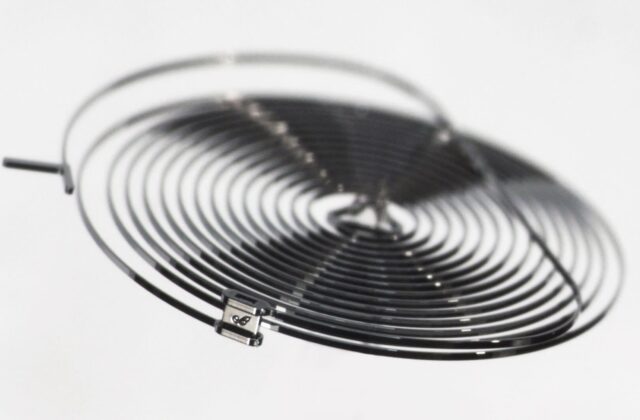
The hairspring (or balance spring) is a flat, coiled spring, fixed at one end to the stud (on the balance bridge) and at the other to the balance staff via the collet. As the balance wheel oscillates, the hairspring coils and uncoils. This elasticity generates a restoring torque that brings the balance back to its equilibrium position. This back-and-forth motion defines the oscillation period—in other words, the watch’s “tempo.”
In an ideal world, this period would remain perfectly constant regardless of amplitude, position (dial up, crown down, etc.), temperature, or shocks. In the real world, the hairspring is precisely the component where watchmakers strive to get as close as possible to that ideal.
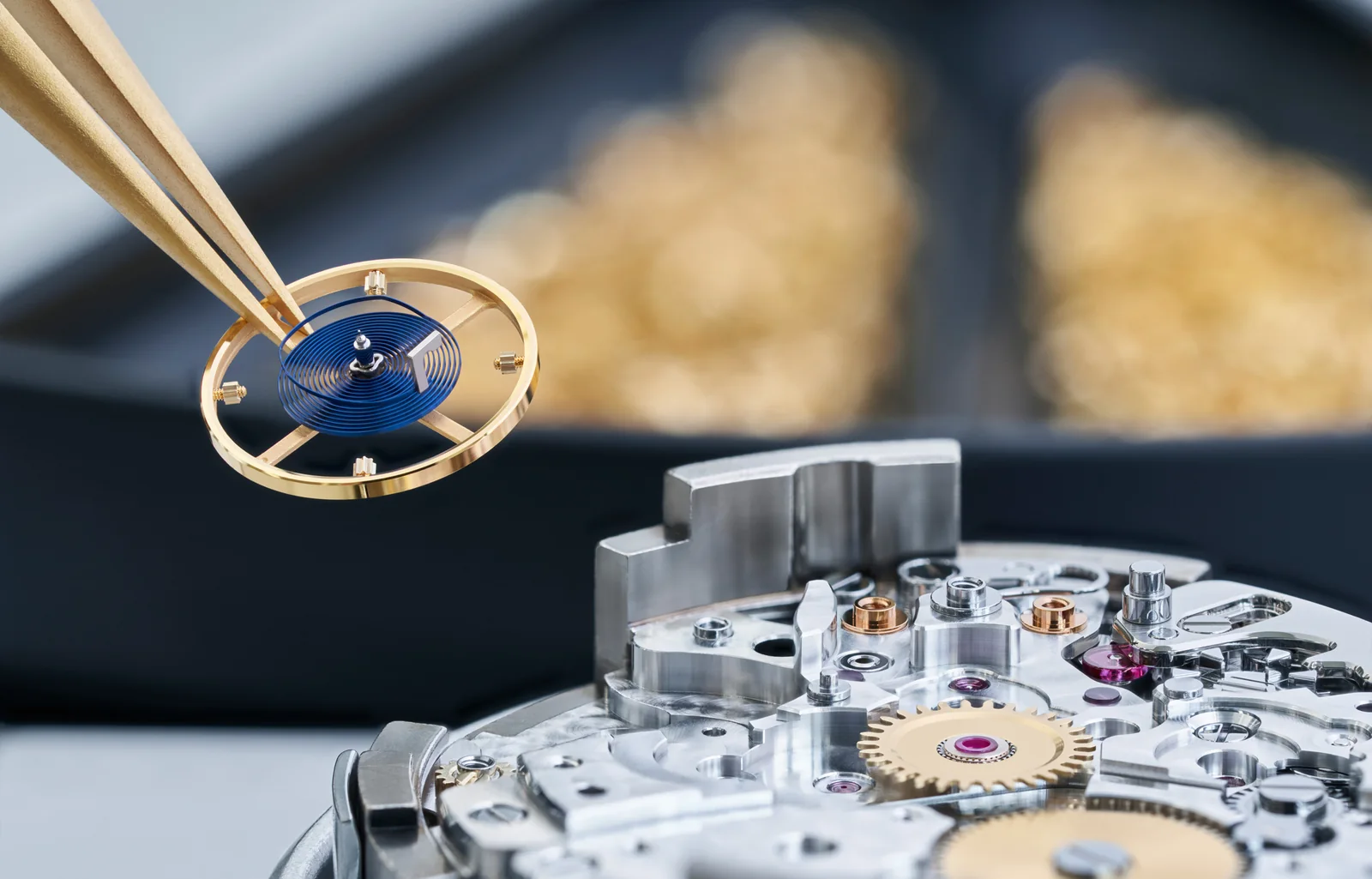
The balance-hairspring pair: the heart of regulation
We often speak of the “regulating organ.” In truth, it is not a single part but a system. The balance provides inertia; the hairspring provides elasticity. Together, they determine the frequency (often 4 Hz, or 28,800 vibrations per hour, though not exclusively) and, above all, isochronism: the ability to maintain the same rate regardless of mainspring tension or small variations in friction.
Why the hairspring is crucial for accuracy
A mechanical watch is not a quartz: it lives in a changing environment. You walk, rest your wrist on a desk, move from cold air to the warmth of a café terrace. At every moment, the regulating organ is under strain. In this constant battle against reality, the hairspring plays the leading role.
1) Isochronism: keeping time even when everything changes
The key objective of a hairspring is to remain as “linear” as possible: whether the oscillation amplitude is low or high, it must provide a restoring force that keeps the period stable. If not, the watch may gain or lose time depending on its state of wind, position, or even your daily activity.
Historically, the quest for isochronism led to famous solutions: terminal curves, specific shapes, micron-level adjustments. This is where watchmaking becomes as much an art of fine adjustment as it is a science of materials.
2) Positional sensitivity: gravity as an adversary
A watch is not always flat. In vertical positions, gravity subtly influences the system’s balance, and imperfections in the hairspring’s concentricity translate into rate deviations. Hence the importance of a perfectly centered hairspring, “breathing” freely without contact, and a geometry designed to expand and contract concentrically.
3) Thermal variations: precision loves stability
Temperature alters the elasticity of metals. For a long time, this was one of the great challenges of portable watchmaking: a winter’s day and a summer’s day did not produce the same rate. Modern hairsprings, thanks to advanced alloys, have become far less sensitive to these variations. It is a quiet but fundamental victory of watchmaking metallurgy.
4) Magnetism: the modern enemy
From handbag clasps and loudspeakers to induction hobs and everyday accessories, magnetism is everywhere. A traditional steel hairspring can become magnetized; its coils may stick slightly, effectively shortening the active length of the spring, causing the watch to run fast—often dramatically so.
This is why anti-magnetic hairsprings (specialized alloys, silicon, proprietary solutions) are not a marketing gimmick—they address a very real modern issue.
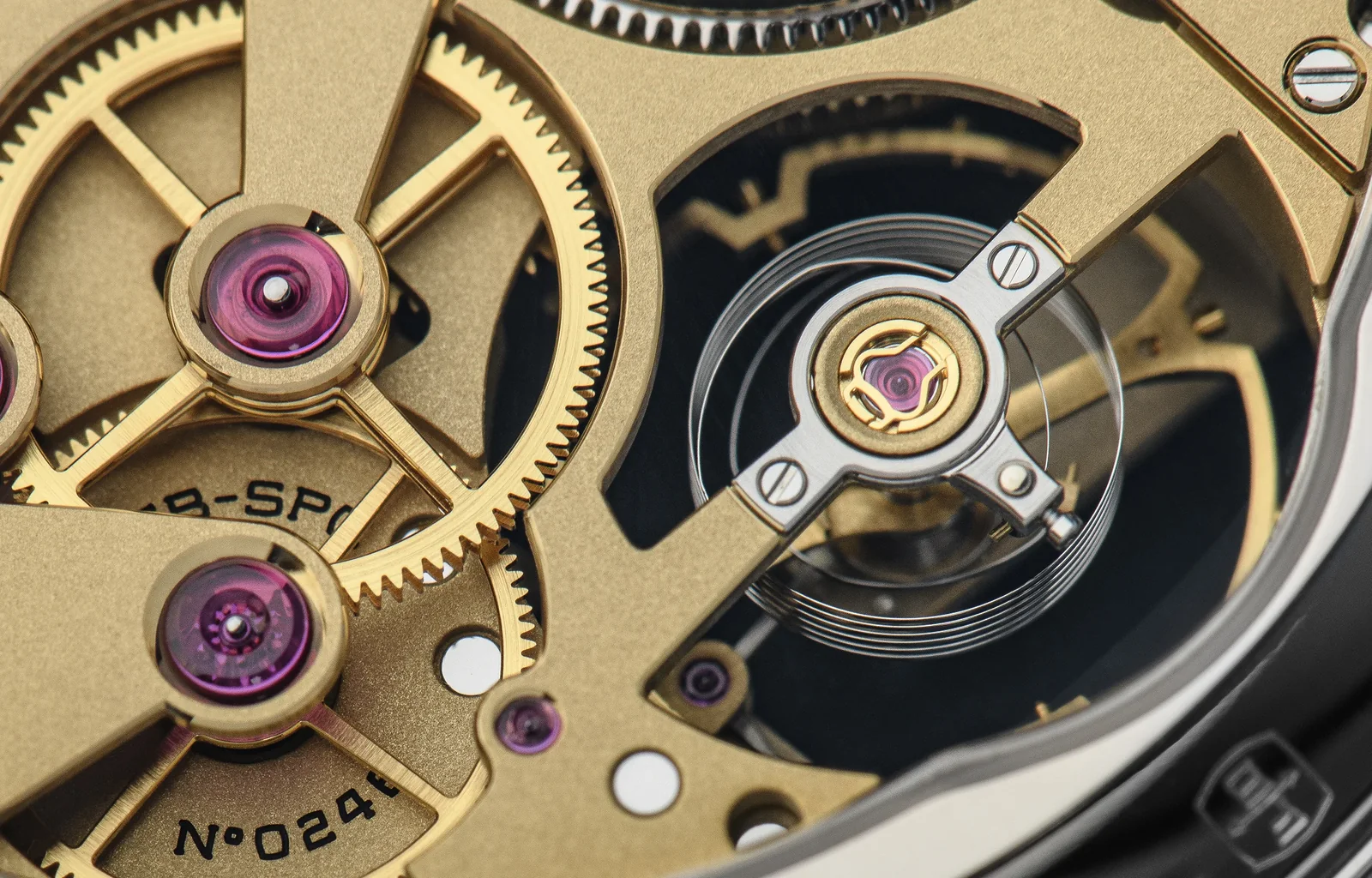
From Huygens to modern hairsprings: a history of precision
The hairspring carries the scent of scientific revolution. In the 17th century, the idea of pairing a spring with the balance wheel changed everything. Christiaan Huygens, a major figure in the history of science, is often linked to this breakthrough: the balance-spring oscillator becomes the heart of the accurate portable watch. Before that, the watch was more a symbol than an instrument.
From there, the history of the hairspring is one of patient refinement: more coherent geometries, heat treatments, more stable alloys, improved terminal curves. Each generation of watchmakers has contributed to this ongoing effort: achieving, within a minute volume, a level of regularity that fits first in a pocket… and then on the wrist.
What makes a “good” hairspring: geometry, material, finishing
To the naked eye, many hairsprings look alike. Under a loupe, everything changes. And on a timing machine, the truth is unforgiving.
Geometry: breathing concentrically
A hairspring must expand and contract without eccentricity, friction, or hard spots. Terminal curve solutions (including the famous Breguet overcoil, one of the best known in watchmaking culture) are designed in part to improve concentricity and isochronism. It is functional sculpture: a form that exists solely to serve time.
Material: stability and resilience
The choice of material determines resistance to magnetism, thermal stability, and the ability to retain consistent mechanical properties over years. Today, the main categories include:
Modern alloys (Nivarox-type families and similar): robust, stable, and widely used across the industry.
Silicon: highly resistant to magnetism, lightweight, and manufactured with exceptional geometric precision, though requiring very specific industrial processes.
Proprietary hairsprings: some manufactures develop their own alloys and treatment methods, as shaving a few tenths of a second per day can justify years of R&D.
Finishing and assembly: the micron matters
Beyond material, assembly (collet, stud, regulator), centering, flatness, clearances, and beat setting all influence rate performance. These are adjustments of almost poetic precision: you do not always “see” what is being corrected, but the effect is measurable.
Hairspring, frequency, and accuracy: a more complex relationship than it seems
High frequency is often equated with accuracy. Increasing the frequency can help smooth out certain disturbances, but it is no guarantee. A poorly designed hairspring at 5 Hz will remain temperamental. An excellent hairspring at 4 Hz will deliver remarkable consistency. Watchmaking precision is a balance between frequency, amplitude, available torque, escapement quality, friction—and, of course, the quality of the hairspring.
How can you recognize a hairspring issue in daily use?
Without opening the watch, certain symptoms can be telling:
Sudden significant gain (several minutes in a short time): often consistent with a magnetized hairspring.
Strong positional variation: a possible issue with centering, balance, or the hairspring’s “breathing.”
Irregular rate despite recent servicing: may stem from hairspring adjustment or a shock that displaced a component.
In such cases, the right approach is always the same: have the watch assessed by a properly equipped watchmaker (timing machine, demagnetizer, amplitude check). The hairspring is far too sensitive to be left to guesswork.
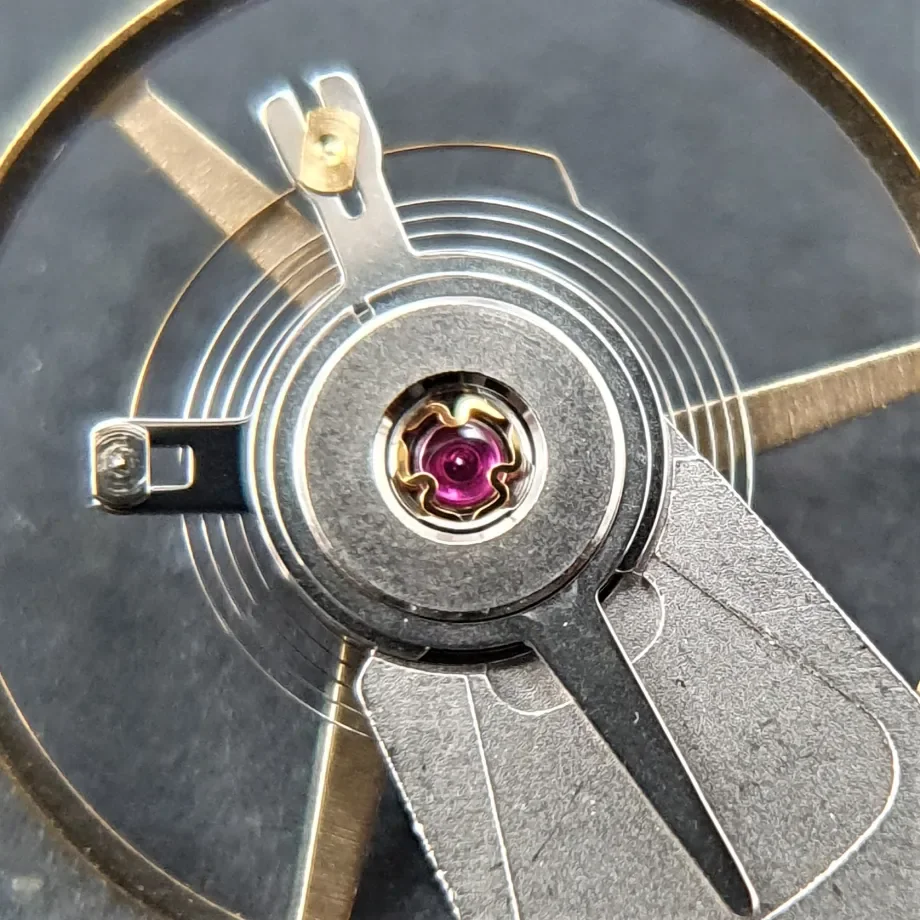
Why this detail fascinates enthusiasts
The hairspring is a watchmaking paradox: tiny, almost invisible, yet sovereign. It encapsulates what makes the mechanical watch so compelling: an object that measures time not by calculation, but by behavior—through the elasticity of a spring, the consistency of an oscillation, a form that quite literally breathes.
To understand the hairspring is to understand why two watches may look alike yet behave differently on the wrist. It is also to grasp the true culture of watchmaking: one of discreet solutions, incremental progress, and victories measured in microns. Here, luxury lies not only in decoration, but in regularity.