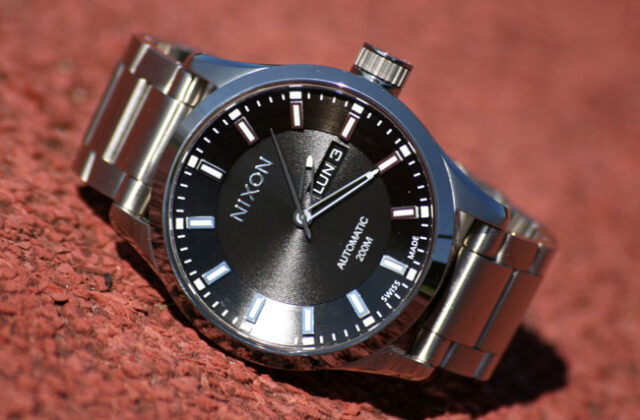
This smartwatch appeals even to mechanical watch enthusiasts
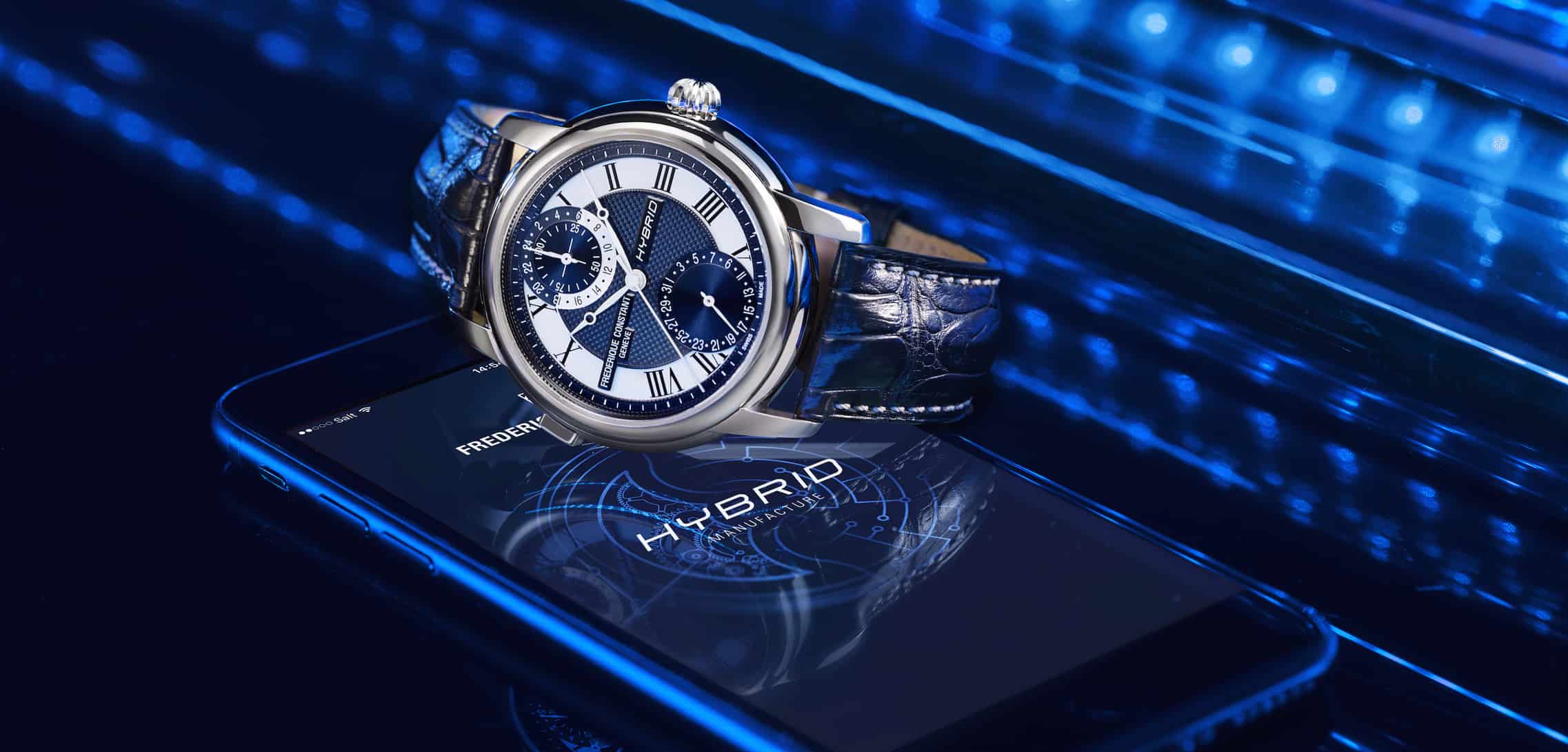
Trends: the hybrid turning point
In a café, it could pass for a classic three-hander: a steel case with polished flanks, a domed crystal, faceted indices, tapered hands that catch the light. Then comes a discreet tremor on the wrist, a sub-dial comes to life, a crown is pressed to reveal data. This now-familiar scene marks the rise of the hybrid smartwatch—an unexpected bridge between mechanical culture and digital innovation. Yet the poetry of a balance wheel continues to captivate those who cherish the timeless charm of automatic watches.
For a long time, lovers of gears kept black screens at arm’s length. Too many notifications, too much plastic, too little emotion. The new generation of connected watches changes the equation by speaking the watchmaker’s language: well-judged proportions, careful finishing, the tactile click of a crown, and a presence on the wrist that suggests something built to last. Innovation is no longer a gimmick, but a discreet service. And it’s precisely this blend that now appeals even to the most hard-line purists.
Why it speaks to purists
- An analogue dial and real hands: telling the time remains a ritual, not an animation.
- Watchmaking codes respected: steel or titanium cases, sapphire crystals, grained leather straps or brushed steel bracelets.
- Useful innovation, not intrusive: filtered notifications, discreet health tracking, well-thought-out functions.
- Finally credible battery life: several days, often several weeks, sometimes with solar power as backup.
- A lasting aesthetic: no dated look after a year, but a timeless silhouette.
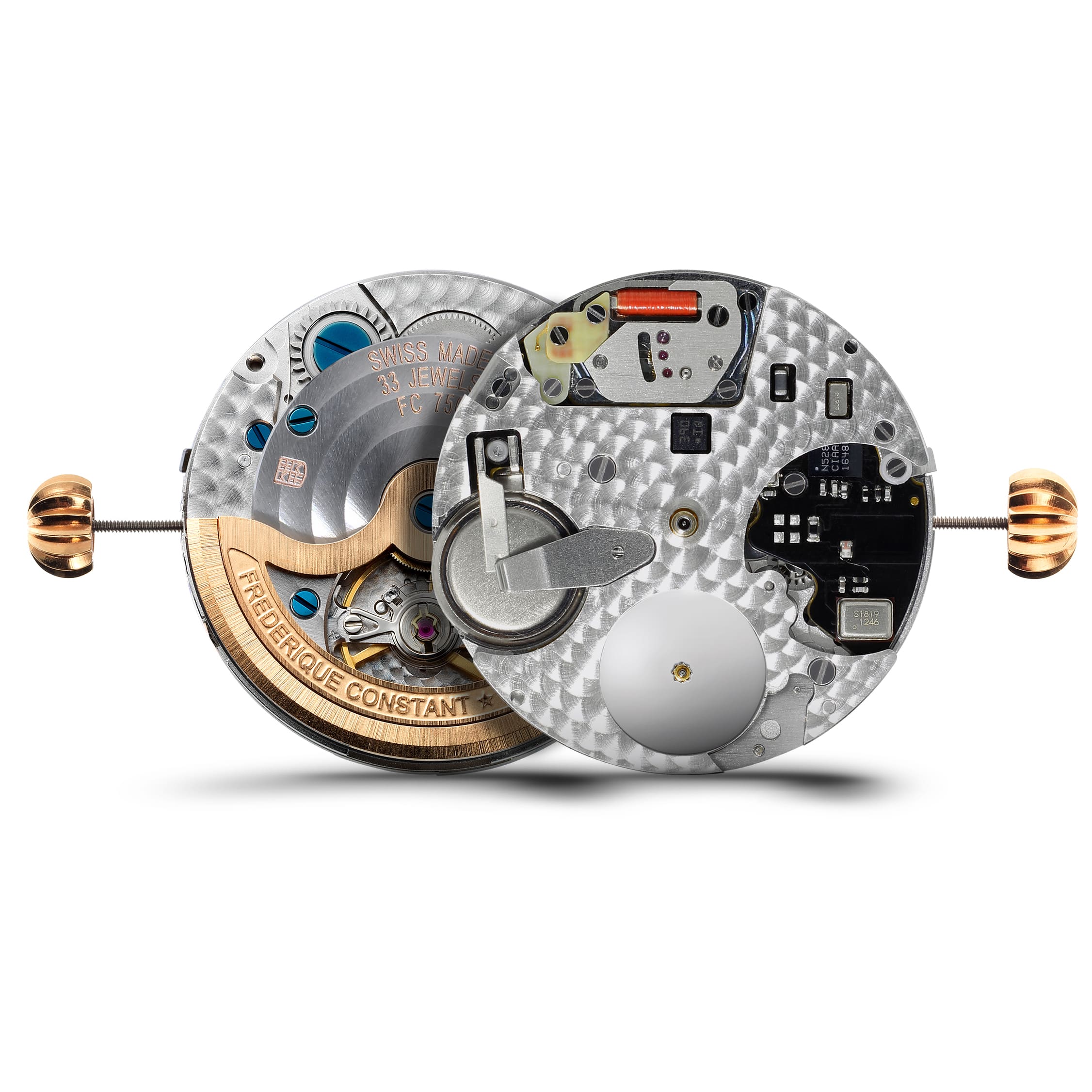
A design that respects the codes
The success of these hybrid watches starts with their silhouette. You find restrained diameters—38 to 41 mm—that slip under a shirt cuff, slim bezels for a legible dial, and lugs that hug the wrist. All of it delivered with finishes no mechanical piece would disown: linear brushing, polished bevels, knurled crowns. Some models hide their intelligence behind a sub-dial at 6 o’clock; others integrate a discreet OLED window into the dial—present enough to inform, modest enough to disappear.
The sensation is there, almost sensual: the crown turns, the minute hand glides, the watch vibrates like a whisper rather than shouting. This grammar of forms and gestures, so dear to collectors, has become the ideal vehicle for a technology that has now matured.
Innovation, but useful
At its core, the proposition is clear: simplify life without hijacking attention. Notifications are reduced to what matters, assigned to priority contacts or a handful of carefully selected apps. The hybrid smartwatch covers the essentials: daily activity tracking, heart rate, sleep, sometimes ECG or temperature measurement; for travel, a second time zone via a dedicated hand; for sport, sober, legible profiles. Most interactions go through the crown or a pusher—more tactile than a screen, less addictive than a smartphone.
The software, meanwhile, stays behind the scenes. The companion app becomes a dashboard for wellbeing and settings, not an amusement park. You appreciate the silent synchronisation, hand calibration to the second, setting an alarm by a tenth of a turn of the crown. That sense of detail almost evokes the click of a mechanism: you adjust, fine-tune, make it your own.
The decisive question of battery life
This was the blind spot of the first generations. It no longer is. Some hybrids last several weeks on a charge, while others opt for solar power and promise longevity that matches the rhythm of a true tool watch. The result: you rediscover a calmer relationship with time—far from wall sockets, close to the wrist. The mechanical-minded user no longer feels they’re wearing an ephemeral gadget, but an instrument designed to endure.
Examples that paved the way
The scene was built in layers. Frédérique Constant’s Hybrid Manufacture was among the first to marry an automatic calibre with a connected module, unapologetically keeping one foot in each world. The Tissot T‑Touch Connect Solar reinterpreted the adventure watch with solar energy and touch functions under sapphire, without tipping into excess. On the minimalist design front, Withings’ ScanWatch lines proved that a connected watch could look… like a watch, quite simply, while steadily strengthening sensors and algorithms.
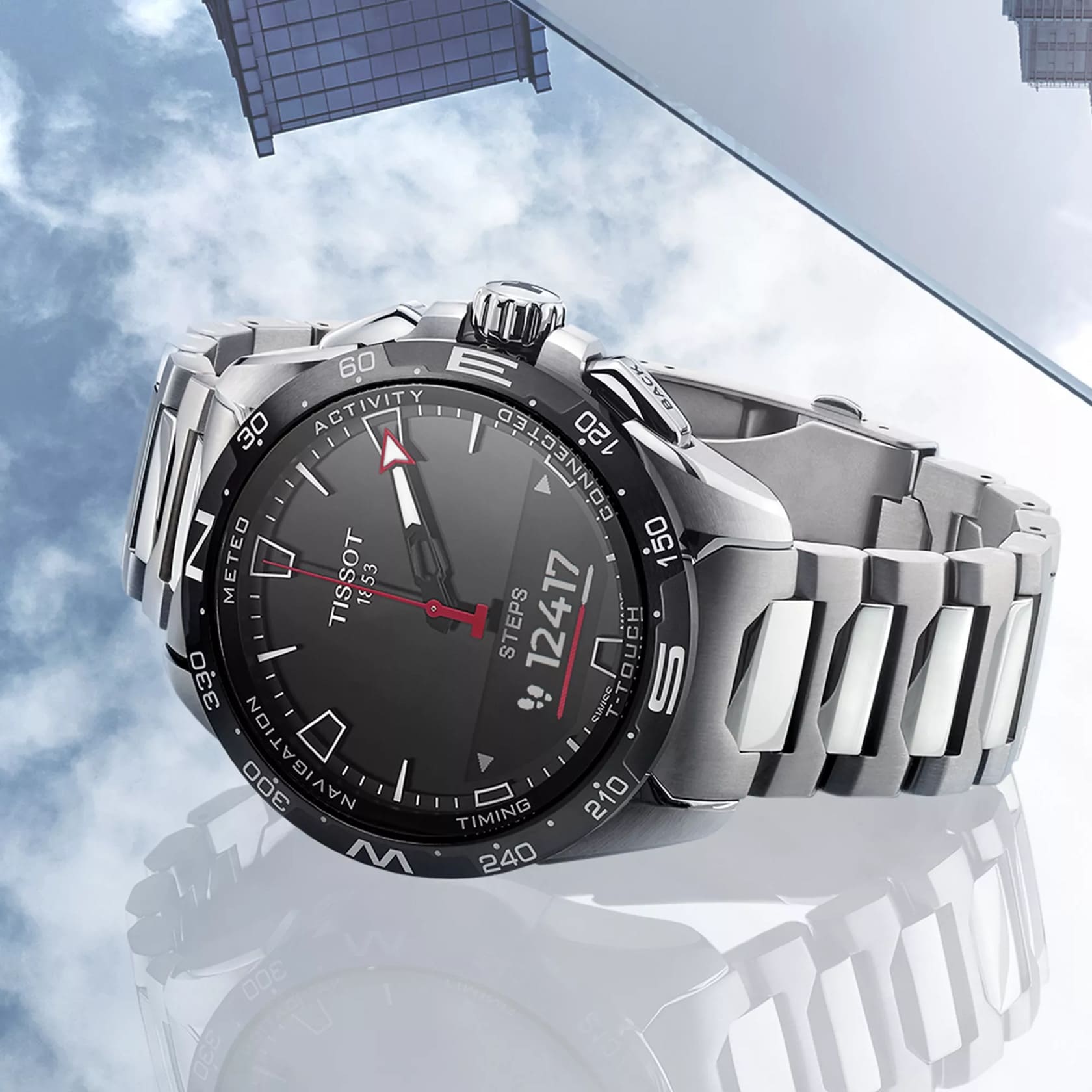
In a more instrument-led register, certain premium lines adopt noble materials—grade 5 titanium, ceramic, sapphire—and tool-watch ergonomics, reminding us that you can combine horological robustness with onboard intelligence. Each time, aesthetic coherence and measured use take precedence over a race for ever more features.
How to wear it
- At the office: steel on steel, a light dial, notifications filtered down to the bare minimum. Elegance lies in restraint.
- Weekend: patinated brown leather or textured rubber, activity tracking running in the background, “do not disturb” mode.
- Travel: a second time zone and silent alarms. At the airport, a press on the crown is enough.
Who it’s for
It targets those who love beautiful things as much as well-designed tools. Collectors who already own their mechanical watch of the heart and are looking for an everyday companion. Aesthetes who refused the full-screen approach but want reliable health tracking. Travellers who want a wrist that’s both chic and useful. In short: those for whom style doesn’t oppose function, and for whom innovation must serve sobriety.
Our view
The connected watch will not replace the poetry of a balance wheel or the warmth of a hand-bevelled mainplate. It doesn’t aspire to. But the hybrid, in its most accomplished definition, reconciles two cultures long set against each other: that of the beautiful object and that of intelligent service. When watchmaking codes are respected, when innovation remains discreet and battery life delivers, the dialogue becomes self-evident. And you then see mechanical wrists adopt, without betrayal, this new everyday accomplice.
The trend is clear: less noise, more meaning. And that is precisely what, today, appeals even to lovers of mechanics.