How Military Watches Shaped Modern Design
From Constraint to Style: When Tools Set the Standard
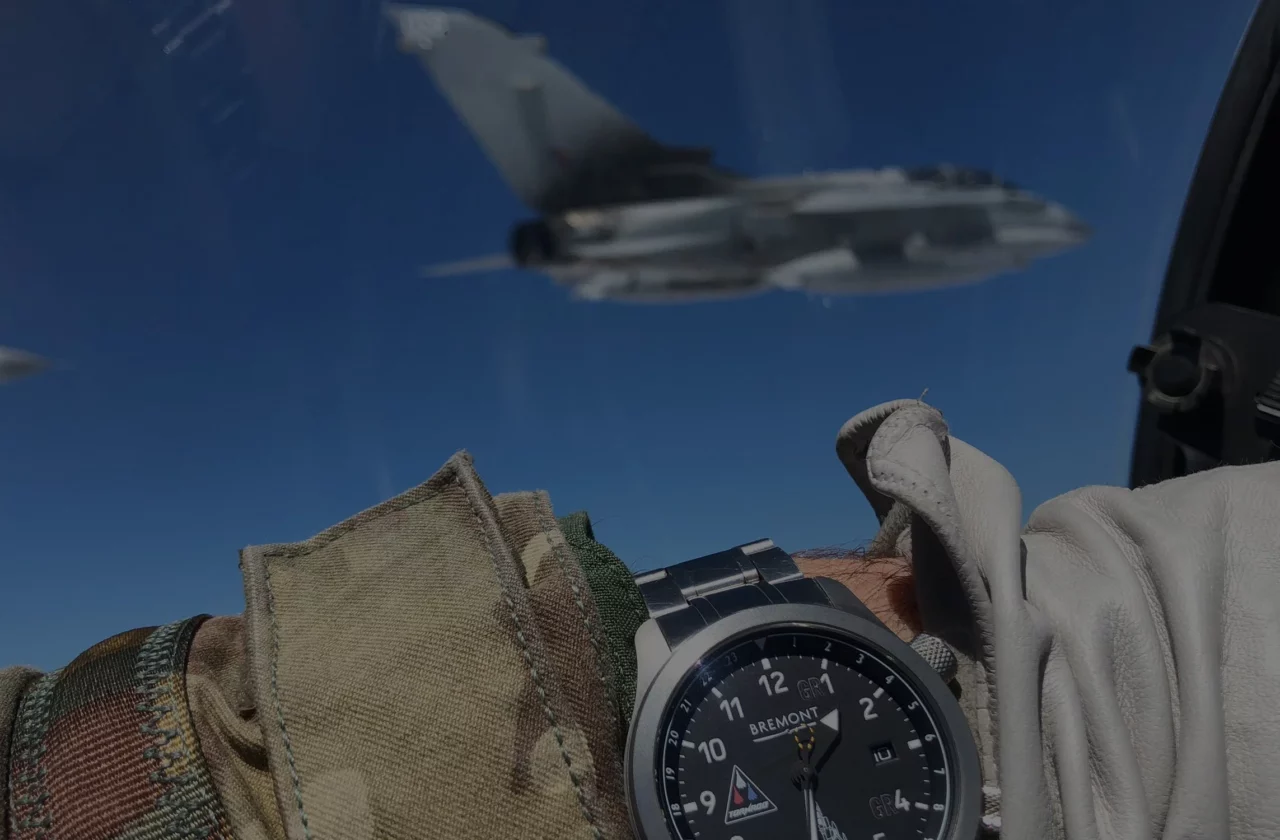
In the history of watchmaking, few arenas have shaped design as profoundly as the battlefield. Military watches were never meant to charm: they had to survive, tell the time to the second, be readable at night, and withstand mud, salt, and heat. And yet—by a twist of fate—those constraints gave birth to an aesthetic language that has become synonymous with functional elegance. From officers’ wrists to creatives’, from the trenches of 1914–18 to today’s display cases, military codes have permeated modern watchmaking to the point of defining what we now call utilitarian good taste.
From the Trenches to the City: The Birth of a Grammar
The “Trench Watch”: The Moment Everything Changes
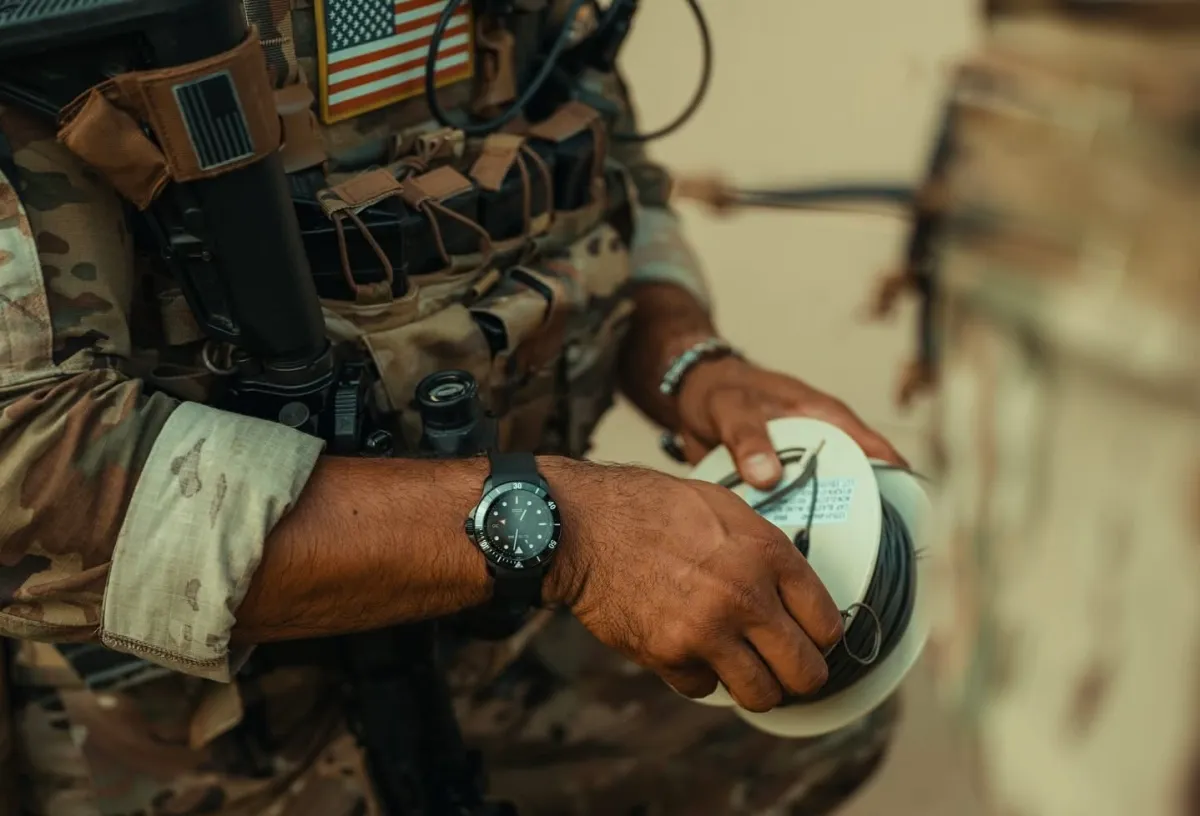
At the start of the 20th century, the wrist dethrones the pocket. So-called “trench watches” improvise a set of requirements: wire lugs or fixed bars to secure the strap, oversized Arabic numerals, a black dial with white printing, cathedral or syringe hands filled with luminous material, and a railroad minute track for whistle-timed synchronisations. Sometimes, metal protective grilles cover the crystal. Legibility becomes paramount; decoration, secondary. That hierarchy is still found on countless contemporary watches.
Standardise to Win: A-11 and the “Dirty Dozen”
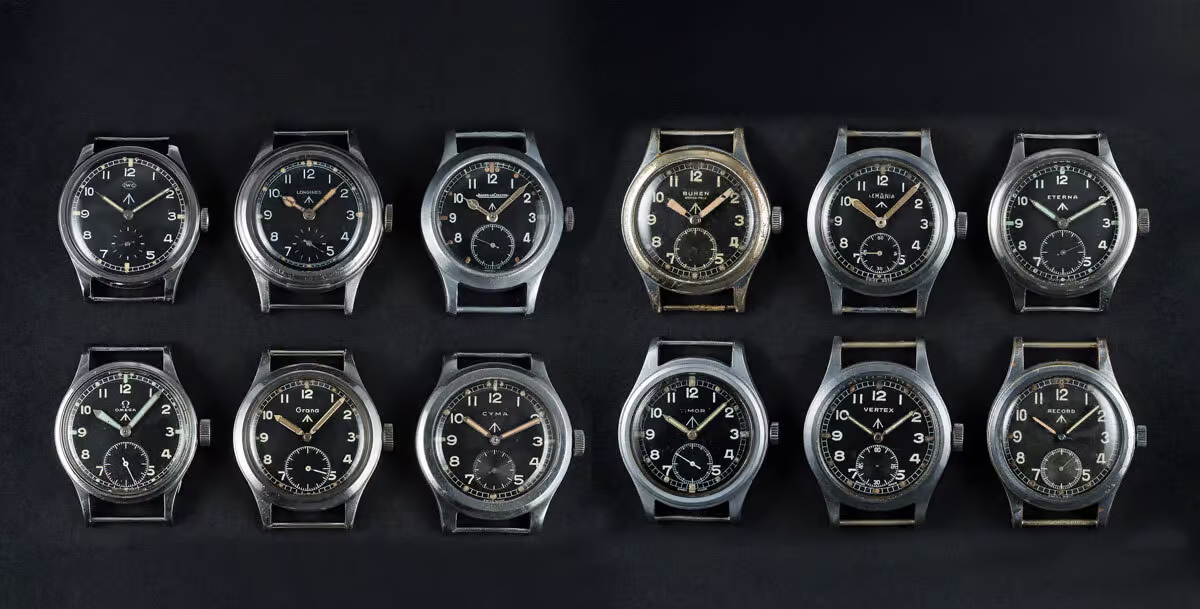
The Second World War refines the formula. The American A-11—“the watch that won the war”—introduces central seconds, hacking seconds to synchronise operations, a restrained diameter, and matte anti-reflective dials. In Great Britain, the W.W.W.—the famous “Dirty Dozen”—set a lexicon: baton or syringe hands, Broad Arrow marking, painted indices, a water-resistant and shock-protected case. No one is talking about “design” yet, but specifications. After the war, they would become desirable silhouettes.
Air, Sea, Land: Three Theatres, Three Signatures
In the Air: Flieger and Type 20

Aviation watches push legibility to its absolute limit. German B-Uhr models heighten contrast, adopt the triangle at 12 o’clock and, on certain versions, a concentric “Type B” dial. Later, the Type 20 specification for the French Air Force requires flyback: a chronograph able to reset and restart instantly to follow headings. A large crown operable with gloves, a knurled bezel, a scale readable to a tenth: ergonomics as aesthetics.
At Sea: The Rise of the Modern Dive Watch
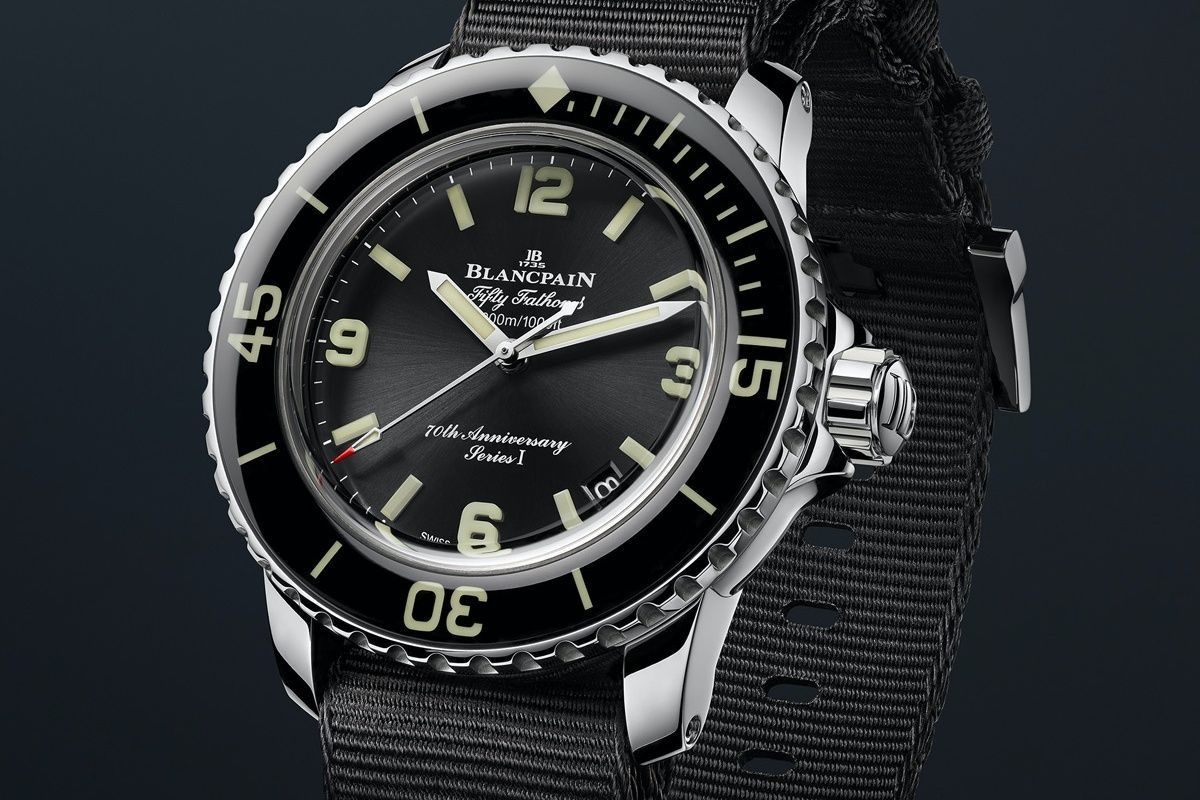
Combat swimmers demand water resistance, toughness, and instant readability of elapsed time. Born of these imperatives, the great icons of the 1950s—shaped in particular by specifications developed for swimmer units—set the dive watch’s DNA: a notched unidirectional bezel, generously luminescent geometric markers, a screw-down crown, and a pared-back dial. Since then, whether for diving or city life, that equation has barely changed.
On Land: The Field Watch, Utilitarian Quintessence
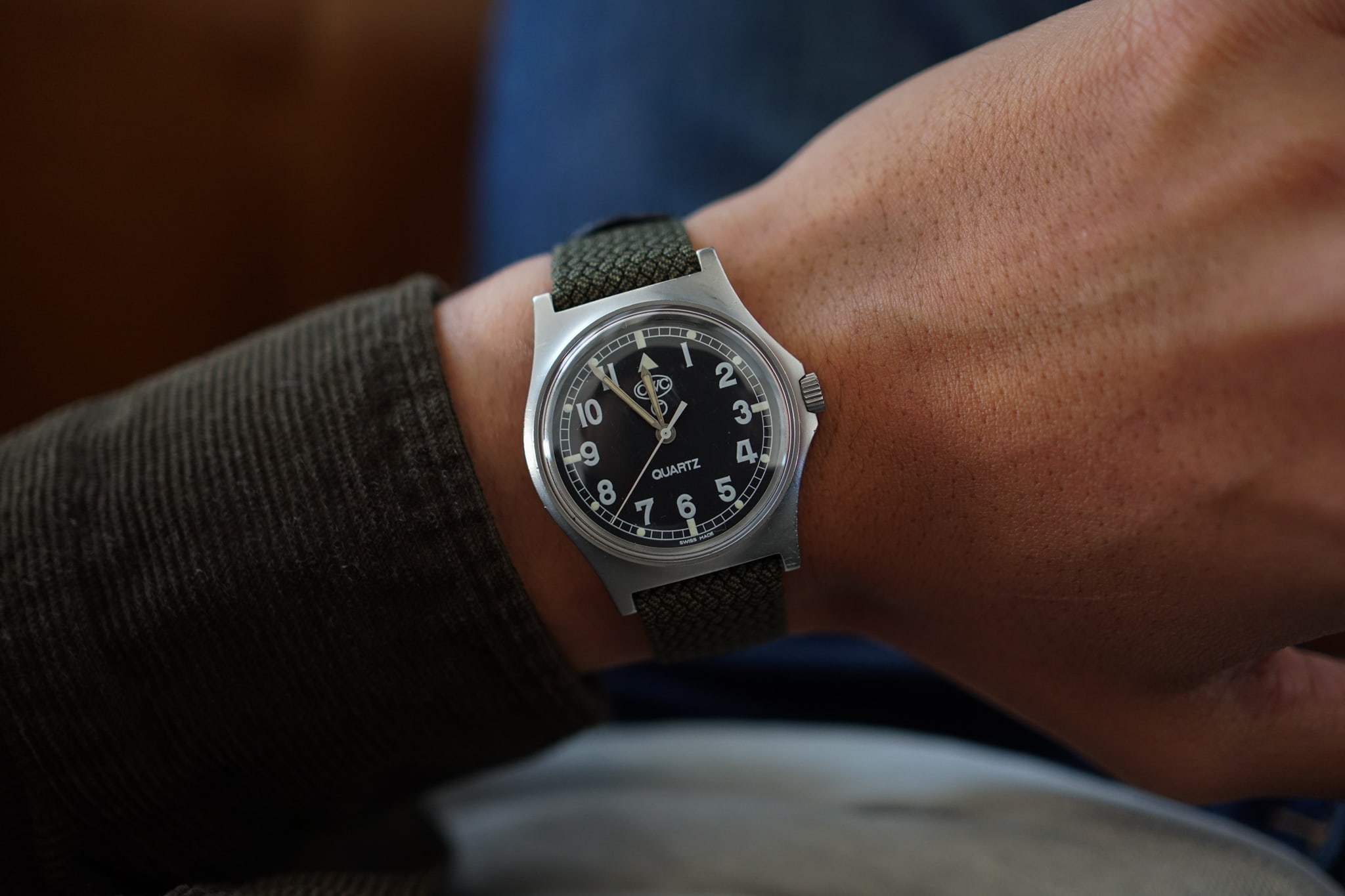
Mil-W-3818 then Mil-W-46374 in the United States, G10 in the United Kingdom: the “field” watch is the tool par excellence. A brushed or bead-blasted case to avoid reflections, bold Arabic numerals, sometimes a dual 12/24-hour scale, a red-tipped seconds hand, fixed spring bars to prevent losing the watch, and a textile strap that can be swapped in an instant. The icon is born—and it crosses decades without ageing a day.

What We Still Wear Today
Many of the details we take as “self-evident” come straight from the uniform:
- Matte, high-contrast dials: readable in low-angle light as well as in the dead of night.
- Luminous hands and indices: from historic radium to modern Super‑LumiNova.
- Prominent or screw-down crowns: easy handling, guaranteed water resistance.
- Fixed spring bars and NATO (G10) straps: security and modularity.
- Brushed cases—stripped of any mirror polish: zero unwanted reflections.
- “Action-ready” functions: hacking, flyback, graduated bezel, shock protection, anti-magnetism.
Beyond the technicalities, it’s a philosophy: aesthetics are not a veneer—they flow from need. Hence the graphic strength of these watches, that military “less is more” which pairs surprisingly well with a blazer, raw denim, or an olive parka.
Heirs and Reinterpretations: Our Era Loves Classics
Every major family has its contemporary descendants. The modern field watch keeps its crisp numerals, sometimes with a diameter increased to 38–40 mm to suit today’s wrists. Pilot watches reinterpret fliegers by refining them, adding discreet anti-magnetism and domed sapphire crystals. Type 20-inspired chronographs retain their fluted bezels and taut, purposeful stance. Dive watches, meanwhile, have conquered the street with their notched bezels and maxi indices, becoming everyday Swiss Army knives. In every case, the utilitarian DNA remains legible: you can still recognise the soldier beneath the suit.
How to Choose a Military-Spirited Watch Today
- Prioritise legibility: strong contrast, clear typography, well-defined minutes.
- Check the surface finishing: brushed or bead-blasted rather than full mirror polish.
- Think about use: sufficient water resistance (100 m for everyday wear), screw-down crown if possible.
- An adaptable strap: NATO or a robust textile strap, raw leather that will patinate, brushed steel.
- Useful functions: hacking for precision, a minute bezel for timing, anti‑magnetism if you work near devices.
- Controlled sizing: 36 to 40 mm for the “field” spirit, 39 to 42 mm for a versatile diver.
A Legacy of Truth
In a world saturated with effects, military-inspired watches offer a truth: that of a design that doesn’t lie about its intentions. Every line, every index, every luminous compound has a reason to exist. That is probably why these pieces stand the test of time better than so many others. They express the essential, without emphasis. And with every glance, they remind us that beauty can be born of constraint—and that true elegance is often measured by the yardstick of usefulness.