How Does a Micro-Rotor Work in an Automatic Watch?
The micro-rotor: the mechanical elegance of the invisible
For many, an automatic watch is that half-disc of metal spinning freely on the back of the movement, capturing the wrist’s gestures to wind the mainspring. A hypnotic spectacle—sometimes noisy, often reassuring: proof that the mechanics are alive. But there is another path, more discreet and more refined: the micro-rotor. At first glance, nothing changes. On the wrist, however, everything can shift: a thinner watch, a movement staged to better effect, and that rare sensation of a complication that hides… while transforming the object.
The micro-rotor is one of those watchmaking choices made by maisons that favour purity of line and design coherence, even if it means imposing engineering challenges on themselves. Because miniaturising the organ that brings an automatic to life is no mere aesthetic whim. It is a true movement philosophy.
Principle: what is a rotor for in an automatic watch?
An automatic watch winds itself thanks to an oscillating weight (the rotor) that pivots with the movements of the wrist. This rotation drives a system of winding gears that transmits energy to the barrel: the mainspring is tensioned, stores energy, then releases it gradually to drive the escapement and the hands.
In most automatic calibres, the rotor is central: it sits above the movement on an axis and covers a significant portion of the components. Efficient, robust, easy to industrialise. But not always ideal if you’re chasing ultimate thinness or an unobstructed view of the architecture.
How does a micro-rotor work, in practical terms?
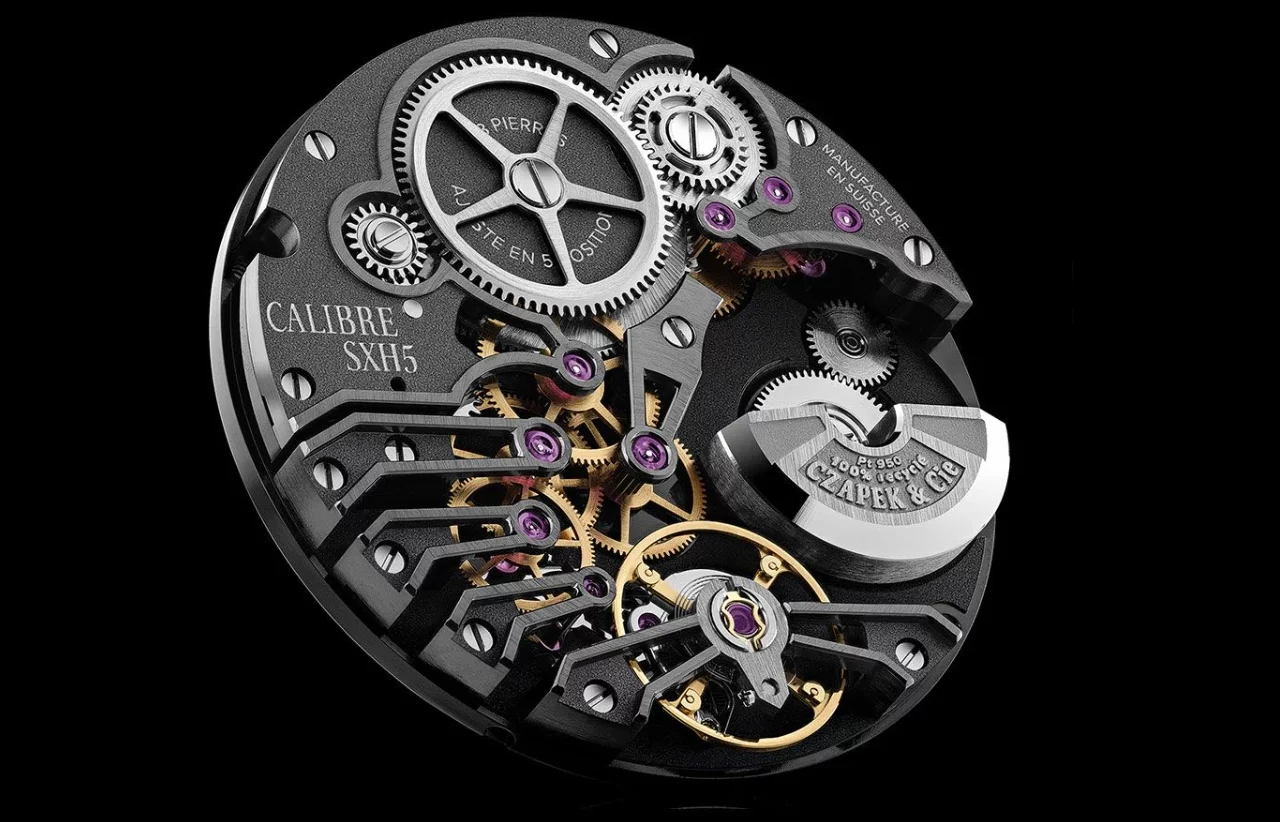
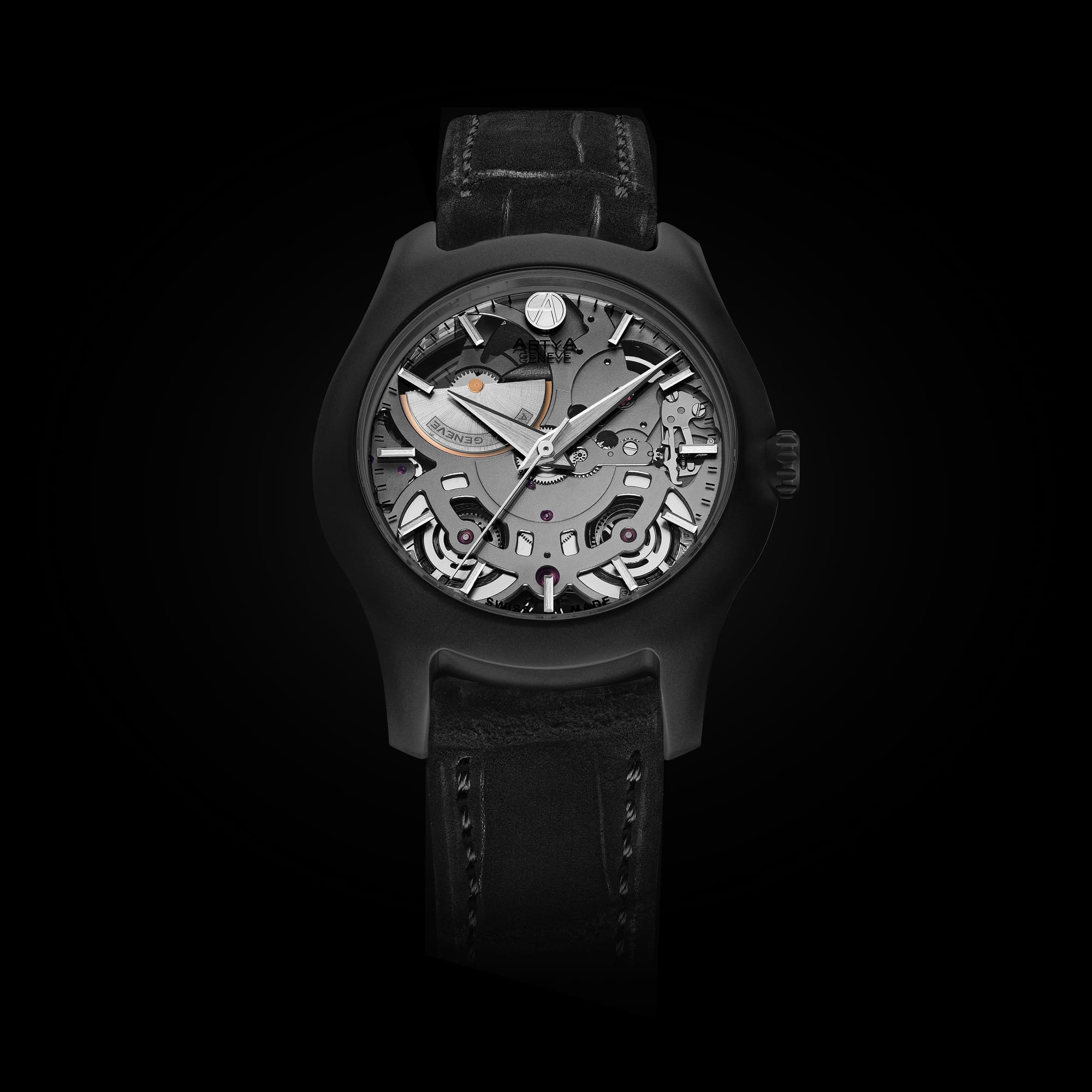
The micro-rotor performs exactly the same task as a conventional rotor (converting kinetic energy into potential energy in the barrel), but with a different approach: instead of being placed on top of the movement, it is integrated within the thickness of the calibre. It sits in a cavity machined into the mainplate and generally lies flush with the surface of the bridges.
An off-centre, integrated rotor
The micro-rotor is off-centre: it is positioned to one side of the movement. Because it is smaller, it must be designed to retain sufficient inertia. The trick, often, is to use dense materials (such as gold or platinum) or to optimise the geometry (peripheral mass, heavy segments) in order to maximise the torque generated with each oscillation.
Energy transmission: the intermediate gears that make all the difference
Whether micro or conventional, a rotor does not wind the barrel directly. It works through a winding train: intermediate wheels, transmission gears, pawls, sometimes a reverser-wheel system. Depending on the design, winding can be:
- bidirectional: the mass winds in both directions of rotation (often more efficient in everyday wear);
- unidirectional: one direction winds, the other “freewheels” (simple, often very reliable, but variable depending on the movement).
With a micro-rotor, this system is generally more compact and thinner, which calls for tight tolerances and particular attention to friction.
Why does the micro-rotor make a watch thinner (and more beautiful)?
The most obvious benefit is thickness. A stacked central rotor requires height: you need space for the mass, its bridge, and its rotational clearance. The micro-rotor, being integrated into the mainplate, makes it possible to maintain a “flat” architecture. It is a historic key to the elegant watch: an automatic that retains the codes of a dress piece.
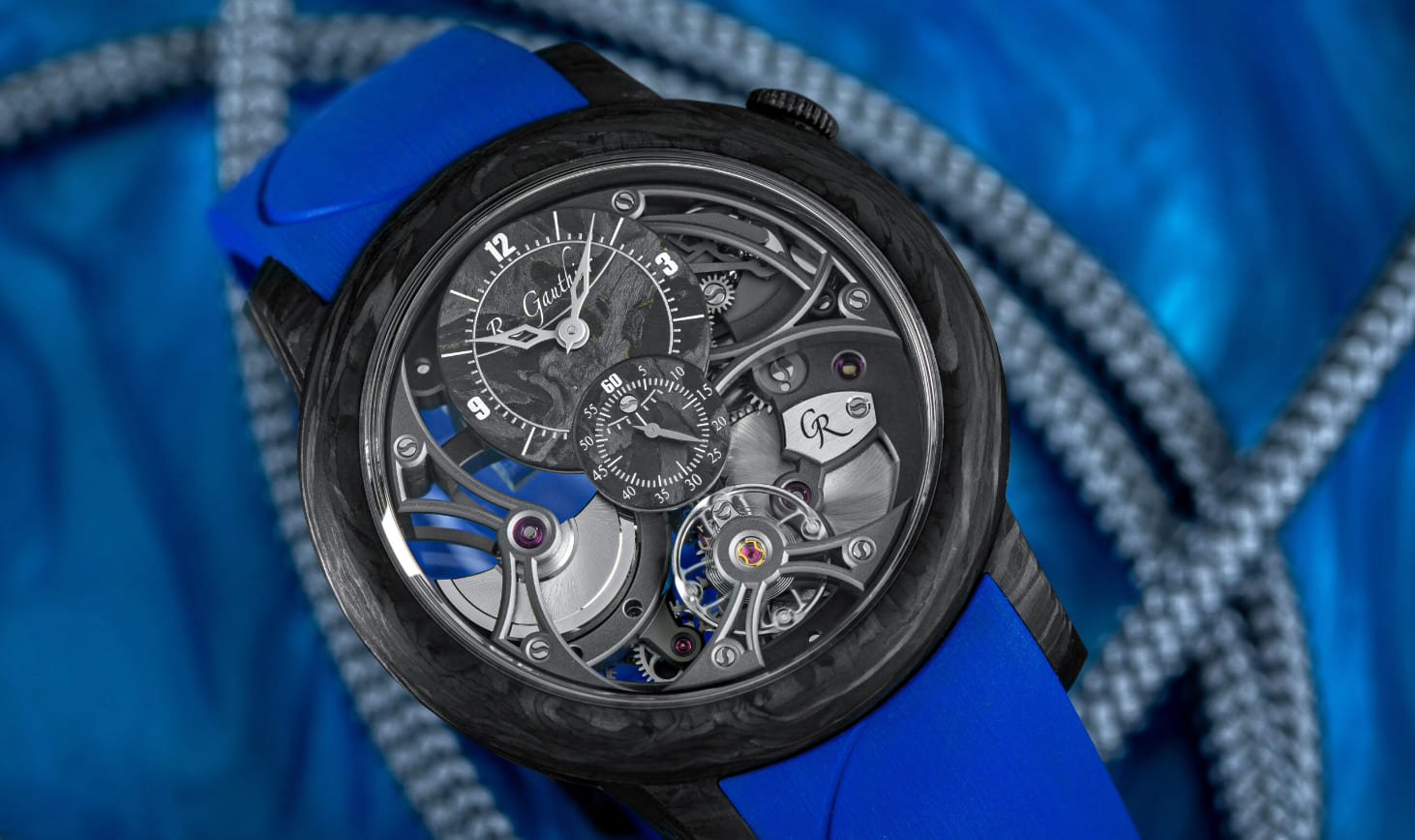
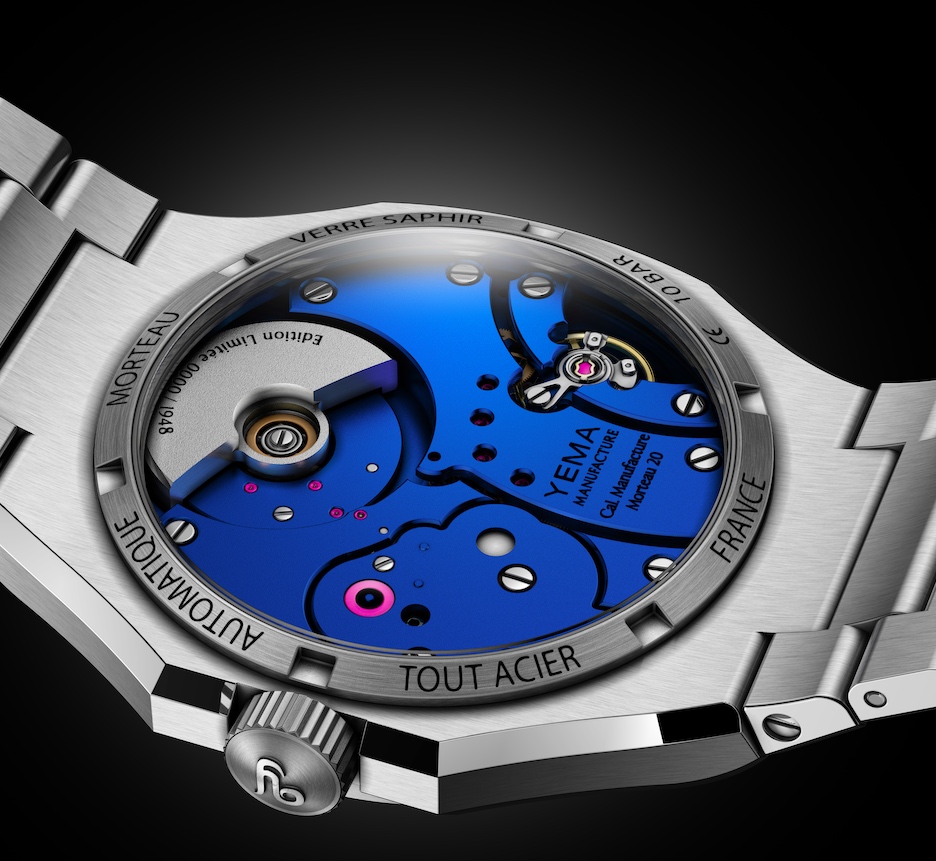
The second advantage is more emotional: movement legibility. On a watch with a sapphire caseback, a central rotor often masks half the show. A micro-rotor, more discreet, opens up the view: you see more of the bridges, the finishing, the symmetry (or the deliberately embraced asymmetry) of the construction. For lovers of watch decoration, it’s a pleasure akin to architecture: the feeling of understanding the mechanics through the eye.
A story of prestige: from the 1950s to today’s independents
The micro-rotor is not a modern fad. It belongs to a quest that began in the mid-20th century, when manufactures competed in ingenuity to reconcile automatic winding with thin watches. In the 1950s, several houses made history with calibres that became cult classics, combining slimness, efficiency and elegance.
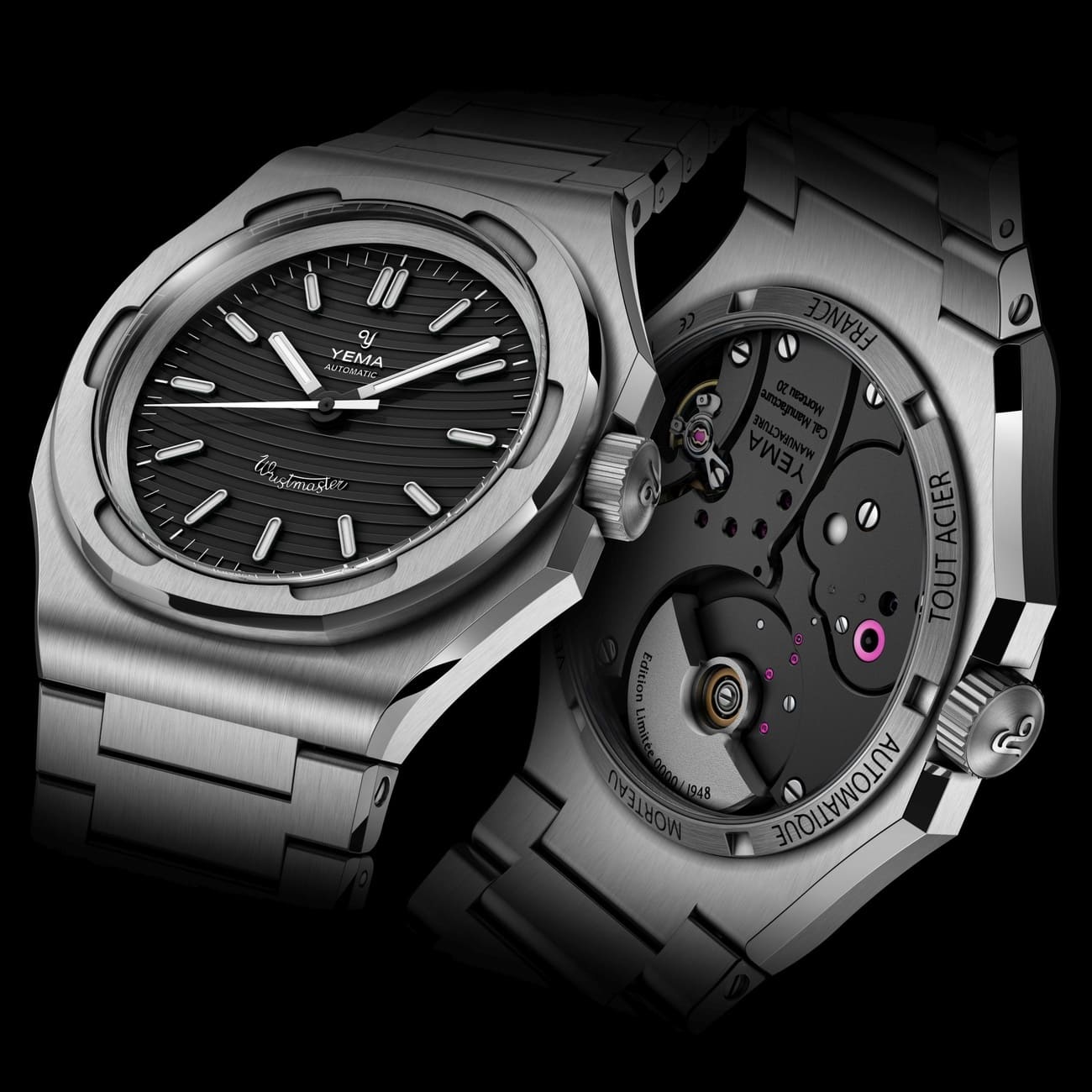
Since then, the micro-rotor has remained a territory of expression: sometimes discreet in catalogues, but always meaningful. Today, it is particularly prized by brands that want to offer a “connoisseur’s” movement, where the construction itself is part of the luxury, just as much as the case or the dial.
The technical challenges: why not every brand adopts it
If the micro-rotor were a perfect solution, it would be everywhere. In reality, it imposes compromises.
Smaller diameter, therefore less natural inertia
A smaller rotor naturally has lower inertia. To compensate, the watchmaker must increase the mass (very dense materials) or optimise the design. It’s doable, but costly and complex. The goal isn’t merely to wind “a little”, but to wind efficiently in real life: walking, everyday gestures, irregular movements.
Complexity of design and assembly
Integrating an oscillating mass within the thickness of the movement requires a dedicated architecture. This often means:
- a more deeply machined mainplate;
- finer transmission gearing;
- more demanding adjustments to limit energy losses.
Add to that the management of noise, friction, and the need for long-term robustness: the micro-rotor is a tightrope act.
Servicing and tolerances
Like any automatic system, it requires periodic servicing. But compact components and tight tolerances can make regulation more exacting. Nothing to worry about with a serious brand—simply a reminder: thinness has a price, including in after-sales watchmaking.
Micro-rotor vs central rotor: which should you choose?
It all depends on what you expect from an automatic.
- You’re looking for “tool-watch” efficiency: a well-designed modern central rotor is often unbeatable for winding efficiency and day-to-day resilience.
- You’re looking for slimness and refinement: the micro-rotor offers a more dressy, more confidential pleasure, where the movement’s architecture matters as much as its performance.
- You enjoy contemplating finishing: advantage micro-rotor, which opens up the view and stages the construction.
Ultimately, the most interesting thing isn’t to choose sides, but to understand the watchmaker’s gesture. A watch is not merely a set of specifications: it is an intention. The central rotor speaks of efficiency. The micro-rotor whispers sophistication.
A sought-after complication
The micro-rotor works like any automatic system: it transforms the movement of the wrist into energy stored in the barrel. But its difference is essential: it is integrated into the calibre, enabling thinner watches and a more open movement aesthetic. In return, it demands finer engineering, often nobler materials, and particularly exacting construction know-how.
In a world where watches are often compared by the numbers, the micro-rotor recalls a simple truth: watchmaking is also the art of choosing a more difficult solution… because it is more beautiful. And on the wrist, that beauty is felt as much as it is seen.