Watchmaking Materials
Steel, aluminium, carbon, platinum, titanium… The materials used in watchmaking are becoming increasingly diverse. Let’s take a look at the main materials in horology to better understand what our cases,…
Explore the technical world of watchmaking: automatic movements, complications, materials such as sapphire and titanium, and watch adjustment and maintenance. This category breaks down the mechanical and technological aspects of watches to give you a better understanding of how they work and their value.
Steel, aluminium, carbon, platinum, titanium… The materials used in watchmaking are becoming increasingly diverse. Let’s take a look at the main materials in horology to better understand what our cases,…
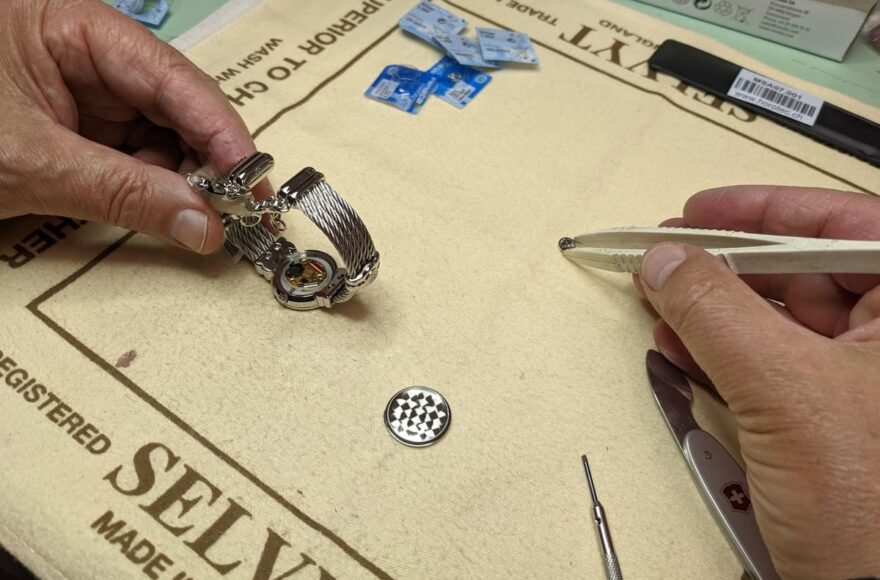
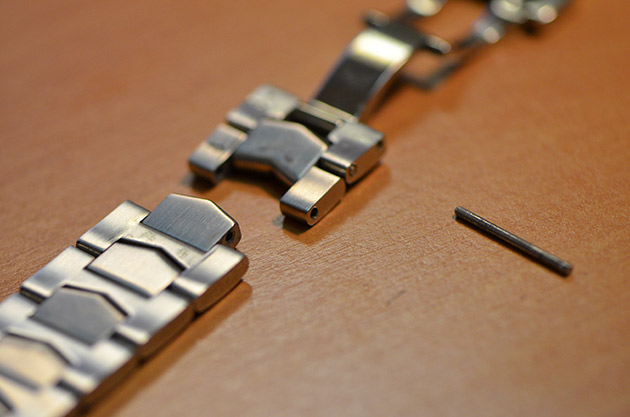
A watch whose bracelet is not properly adjusted to your wrist is of little use. Here is the method for removing one or more links from your steel bracelet to…
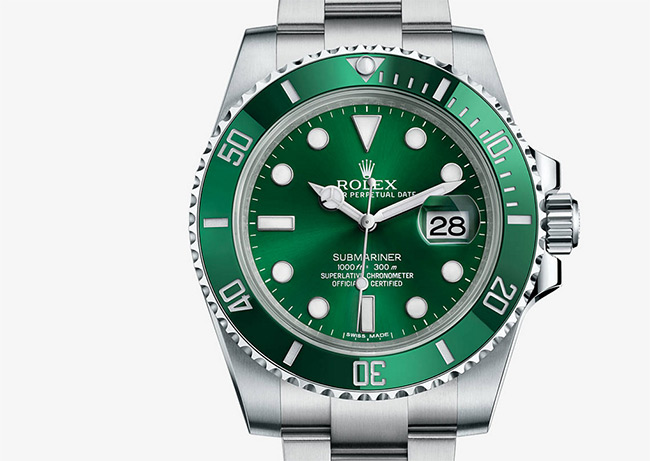
Who hasn’t casually rotated the bezel of their dive watch, wondering in the process what those markings could possibly be for? Here’s the explanation. No, we’re not all seasoned divers,…
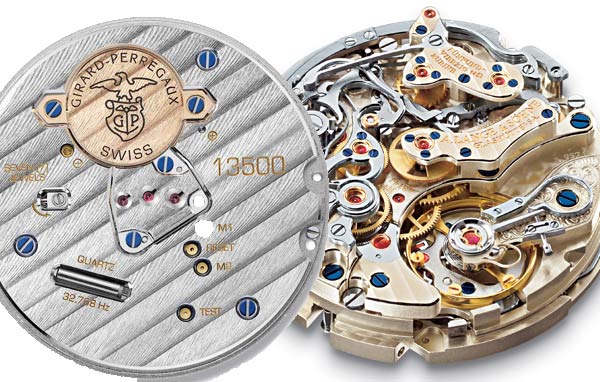
What’s the difference between a quartz watch and a mechanical watch? The answer may seem obvious to those in the know, but I’m asked this question frequently—and it’s a reminder…
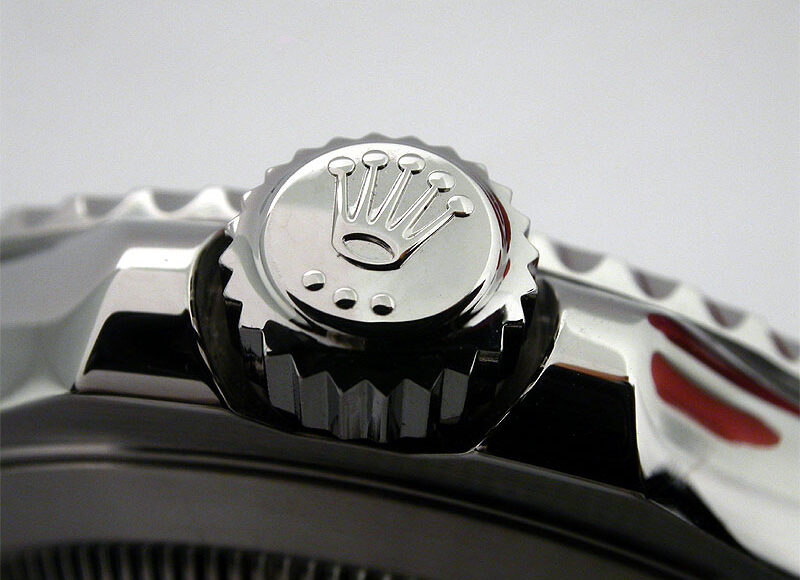
How do you set your watch? An obvious question for some, but setting a watch follows a set of golden rules that are never worth skipping. Owners of self-winding mechanical…