Why Are Some Watches Antimagnetic?
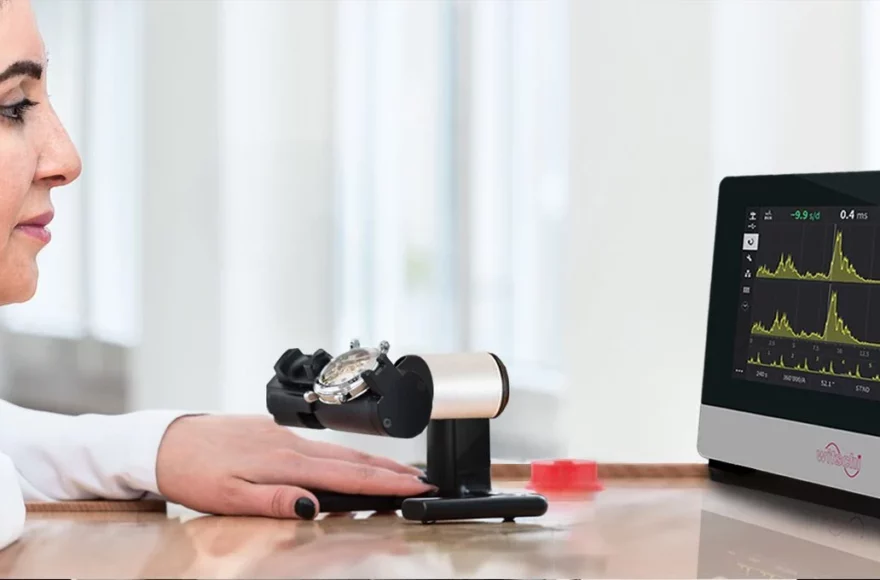
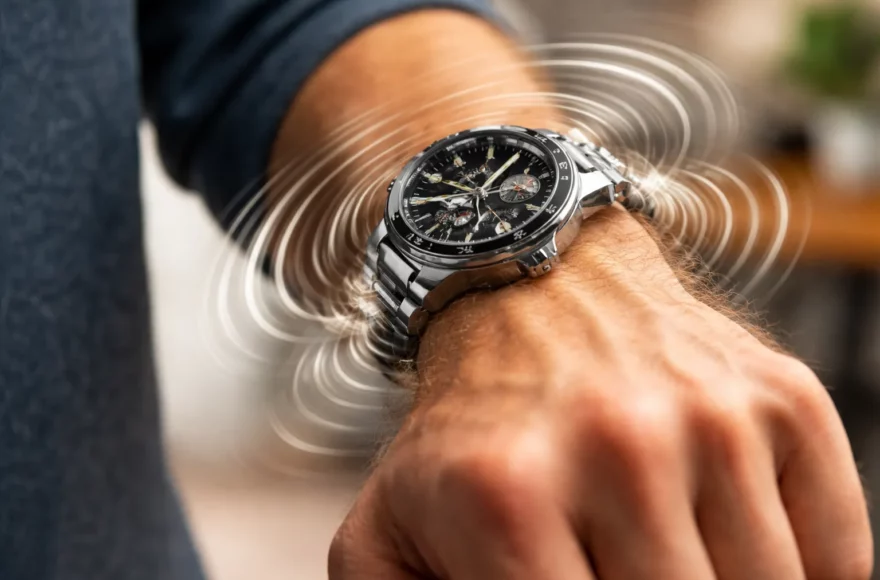
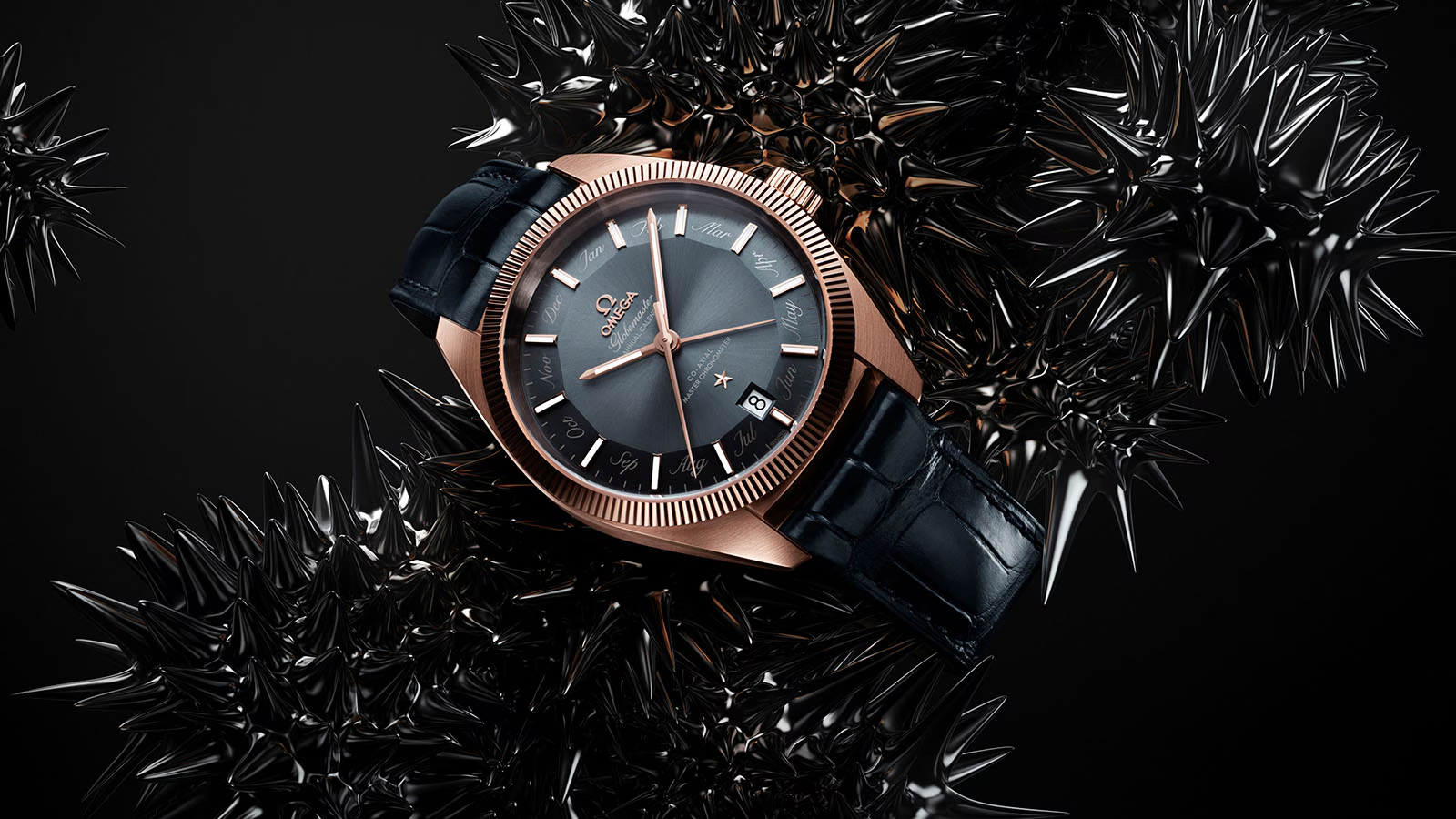
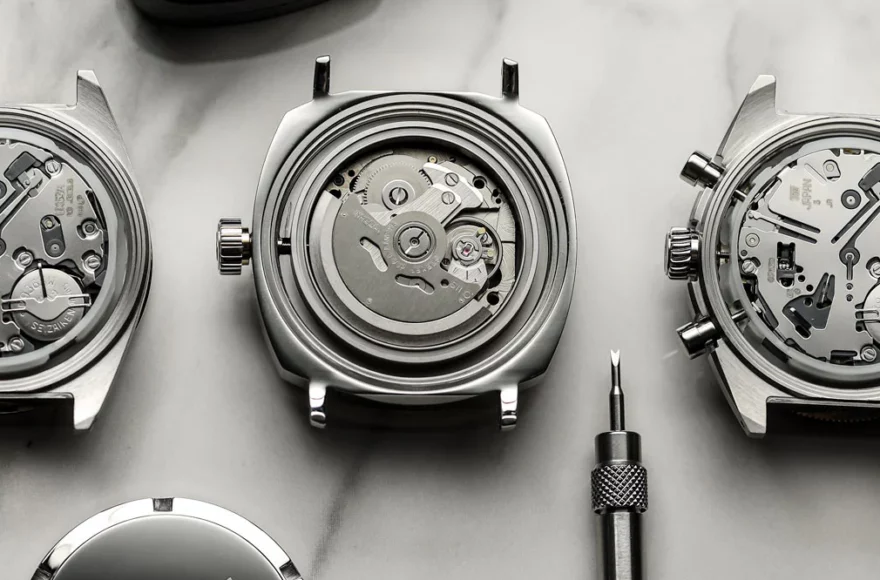
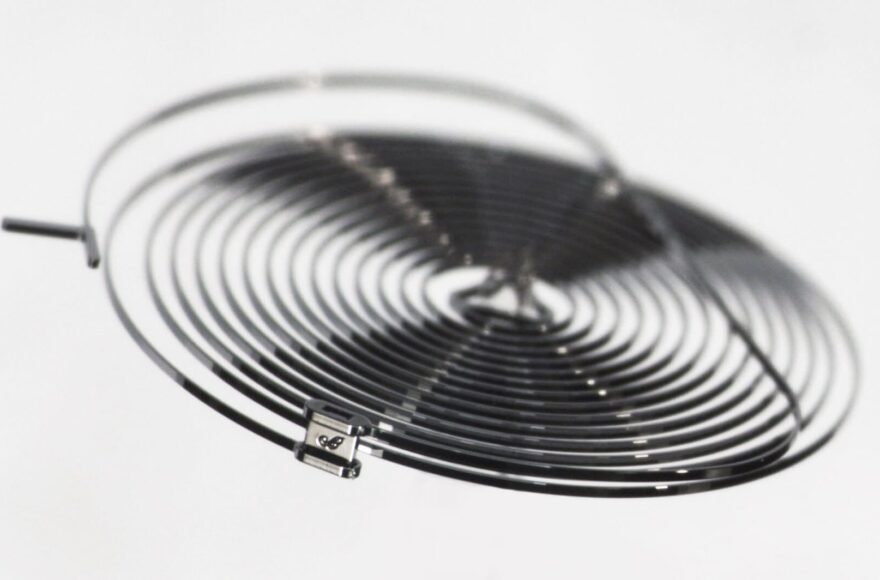
The Invisible Enemy of Watches: Magnetism A watch can survive rain, cold, shocks. But when it comes to magnets, its Achilles’ heel is the balance spring. Exposed to a…
Explore the technical world of watchmaking: automatic movements, complications, materials such as sapphire and titanium, and watch adjustment and maintenance. This category breaks down the mechanical and technological aspects of watches to give you a better understanding of how they work and their value.
The Invisible Enemy of Watches: Magnetism A watch can survive rain, cold, shocks. But when it comes to magnets, its Achilles’ heel is the balance spring. Exposed to a…
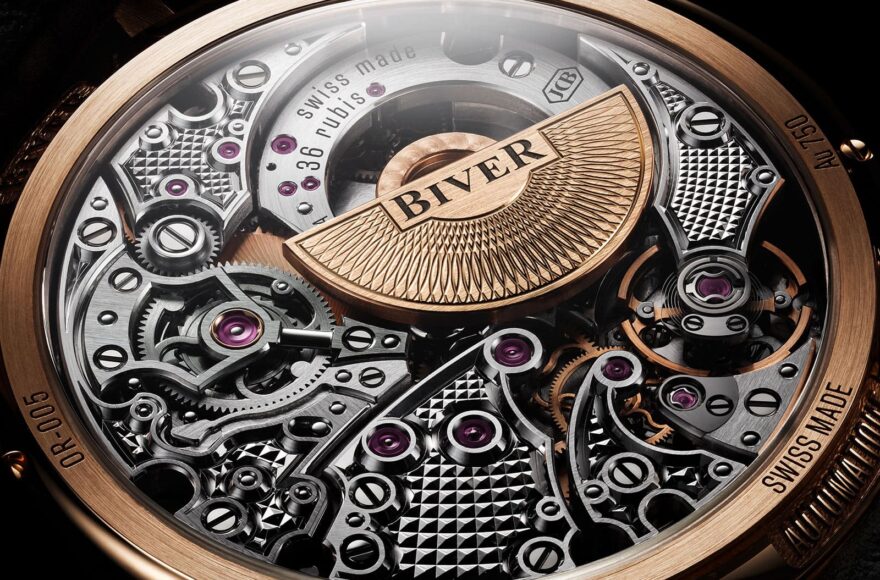
A blue glint that’s anything but accidental Open the sapphire caseback of a well-bred watch and you’ll spot that discreet, almost electric shimmer: blued screws, set like inked punctuation…
It’s a silent dance you wear on your wrist. An energy born of your movements, passed from one piece of metal to the next, regulated to the hundredth of a…
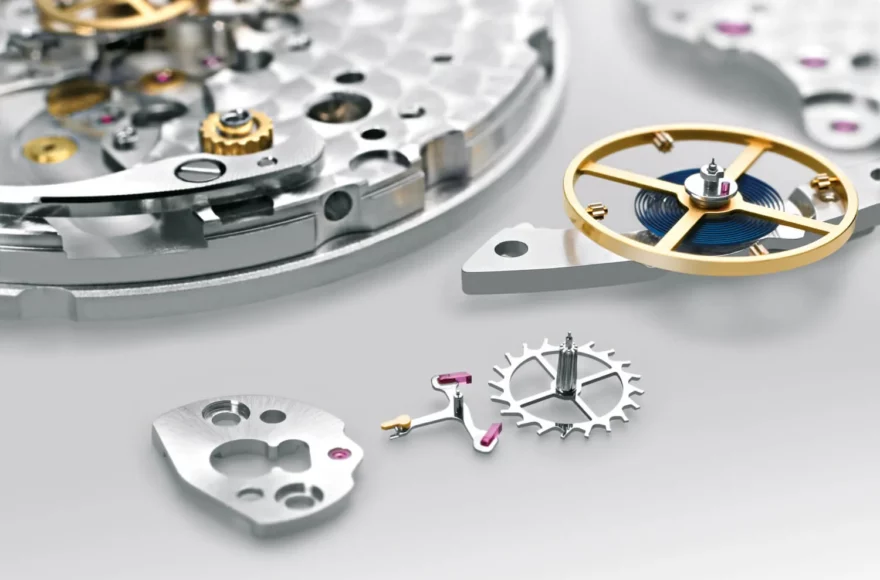
The red secret at the heart of calibres They barely glint, set like cold stars beneath a movement’s bridge. You often catch them through a sapphire caseback, engraved with…
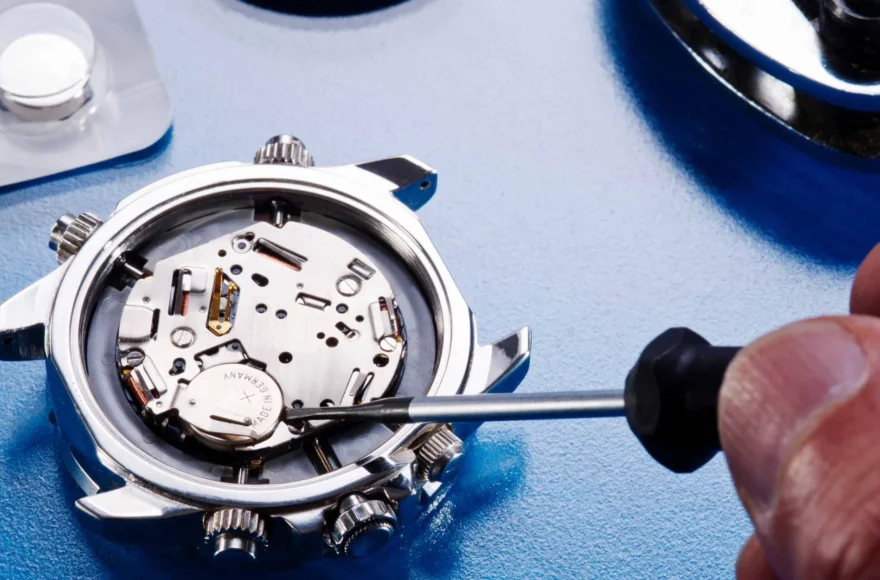
First and foremost, I’m a lover of mechanical watches—but I’m not dogmatic: I also have my own little collection of quartz watches. And when it comes to changing the battery,…
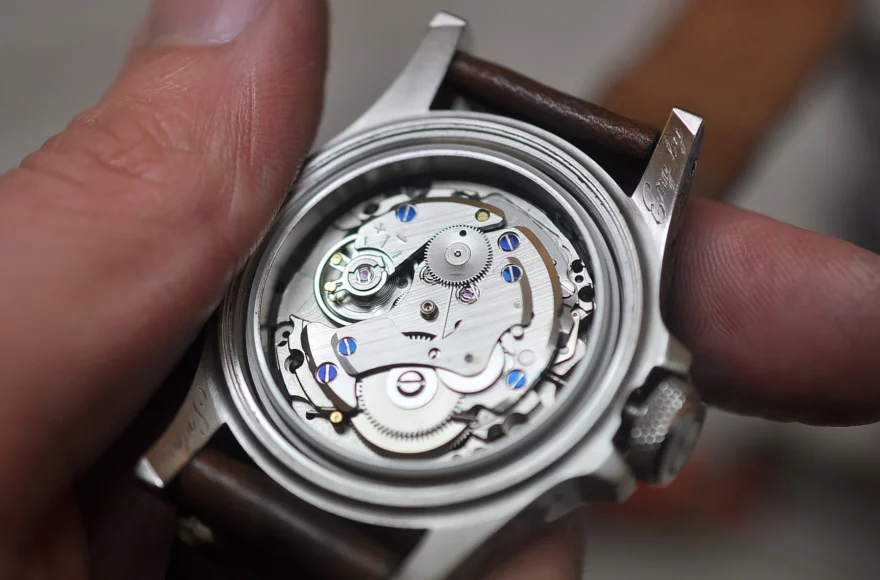
Two philosophies of time On the wrist, everything begins with a beat. The crisp, regular beat of a seconds hand snapping forward on a quartz watch. Or the hushed,…
Why manual winding still captivates In a world where everything is becoming automated, manual winding remains a profoundly human gesture. It’s the moment the mechanics wake up at your…
Recognising the real thing: a story of details In shop windows and on the wrists of heirs, the Swiss watch is a language. It speaks of precision, patience, and the…
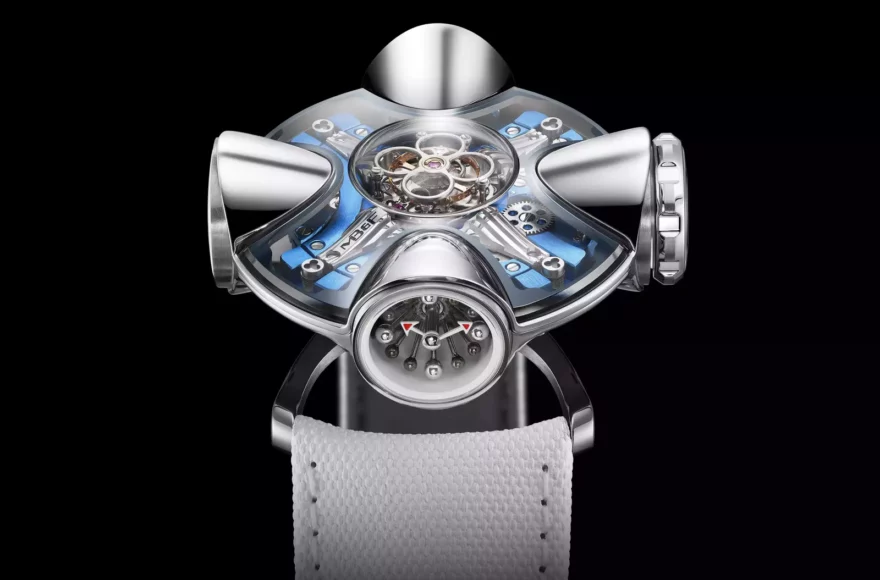
Transparent charm: why skeleton watches fascinate To lay a movement bare is to tell the most intimate story of watchmaking. A skeleton watch is not merely a stylistic exercise: it…
Progress in watchmaking is rarely a thunderclap. It’s a breath. An improvement that seeps into workshops, slips beneath dials, and reshapes our relationship with time without fanfare. The silicon…
Flyback: the art of restarting time in a single gesture On a conventional chronograph, the rule is immutable: start, stop, then reset. The flyback chronograph—also known as “return-to-flight”—upends that…
A lunar ritual on the wrist There is something profoundly soothing about setting a moonphase watch. A slow gesture, almost liturgical, in which you synchronise everyday life with an…
Transparency as a manifesto In an era when we like to see how things work, the sapphire crystal case has become the mouthpiece of contemporary haute horlogerie. No longer…
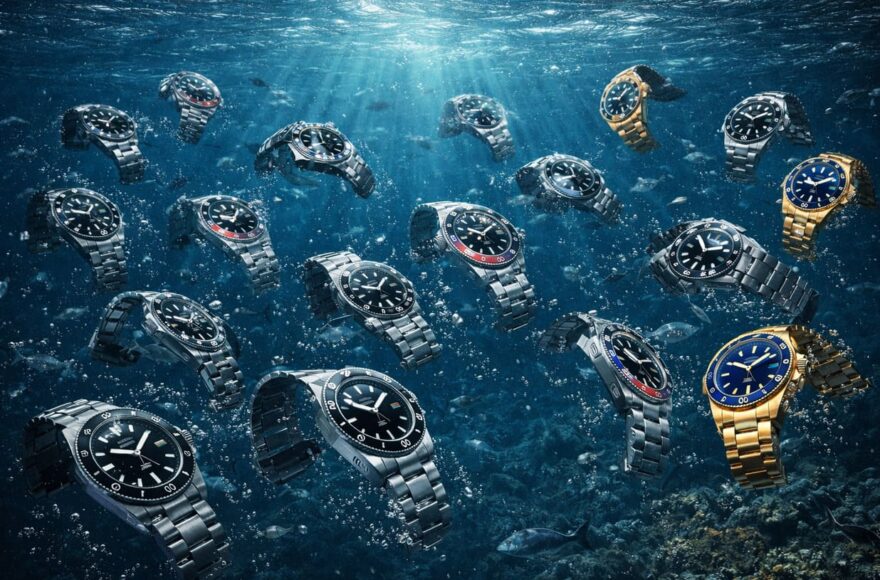
The best-kept secret of your minutes underwater Before the dive computer, there was that click. The click of the diver’s watch bezel—that graduated halo encircling the dial that elevates a…
Why the useless fascinates us on the wrist Some functions won’t change our diaries or our lateness, yet they turn a watch into a miniature mechanical theatre. In watchmaking,…
Staging Your Watch: The Eye, the Light, the Gesture Photographing a watch isn’t simply a matter of megapixels. It’s a quiet art—almost ceremonial—where lighting reveals volume, where the dial…