Why Some Watches Stop When You’re Not Wearing Them
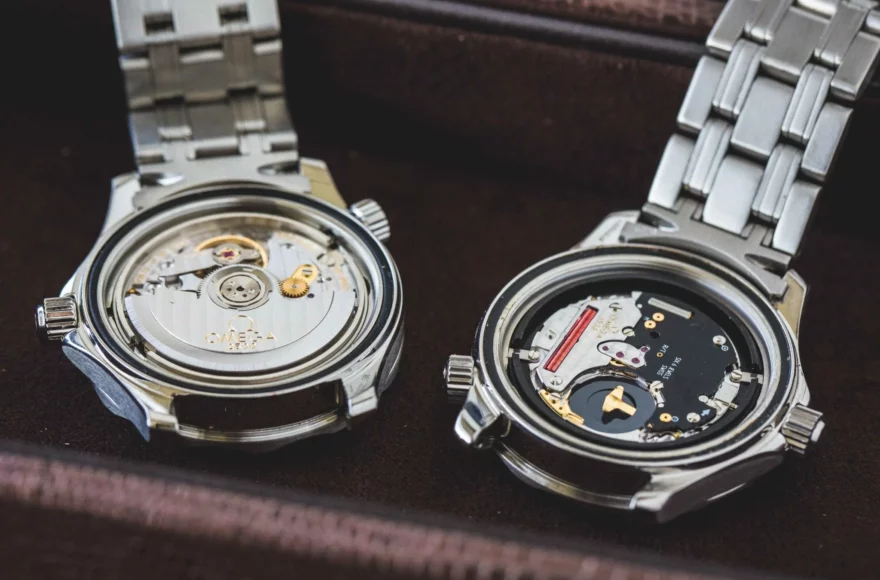
The little morning drama: a frozen watch, time on pause There’s that gesture—intimate, almost ceremonial: picking up your watch from the bedside table, feeling the cold metal or the…
Explore the technical world of watchmaking: automatic movements, complications, materials such as sapphire and titanium, and watch adjustment and maintenance. This category breaks down the mechanical and technological aspects of watches to give you a better understanding of how they work and their value.
The little morning drama: a frozen watch, time on pause There’s that gesture—intimate, almost ceremonial: picking up your watch from the bedside table, feeling the cold metal or the…
The temptation of “like new”: a sign of the times All it takes is a beam of light catching a scratched caseband for the thought to pop up: “What…
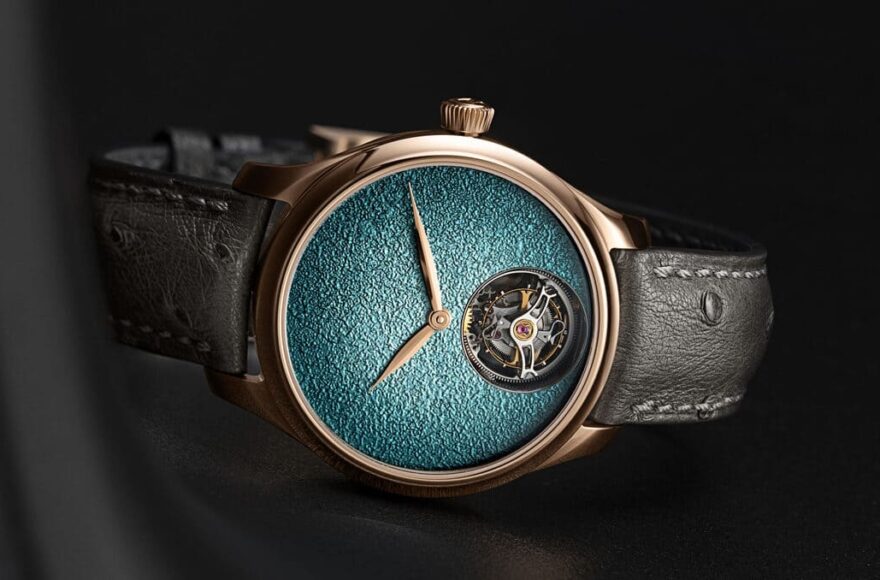
The enamel dial: a quiet luxury that never goes out of style In a watch world saturated with spectacular finishes, new textures and bold colours, the enamel dial moves…
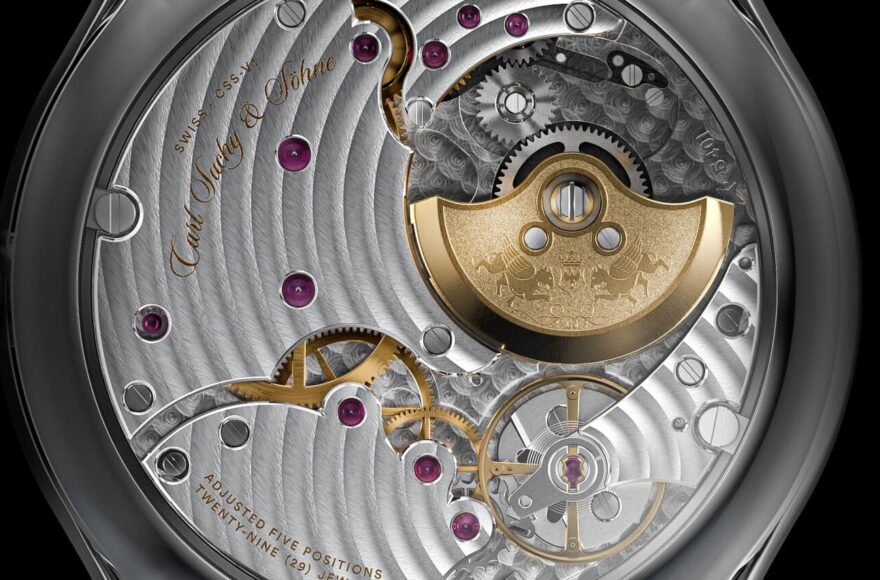
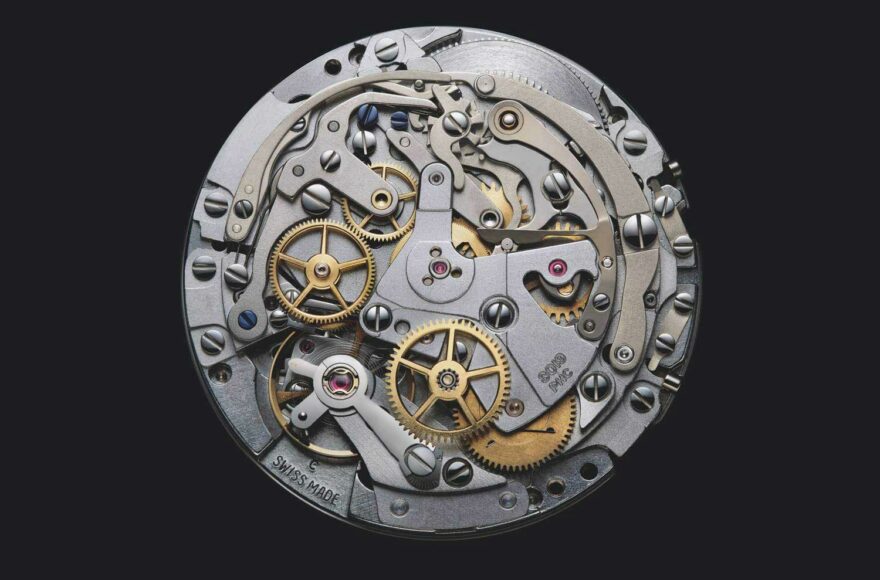
There is, in the ritual of a mechanical watch, a poetry that defies time. In the morning, you adjust a crown, feel the resistance of the mainspring, almost listen…
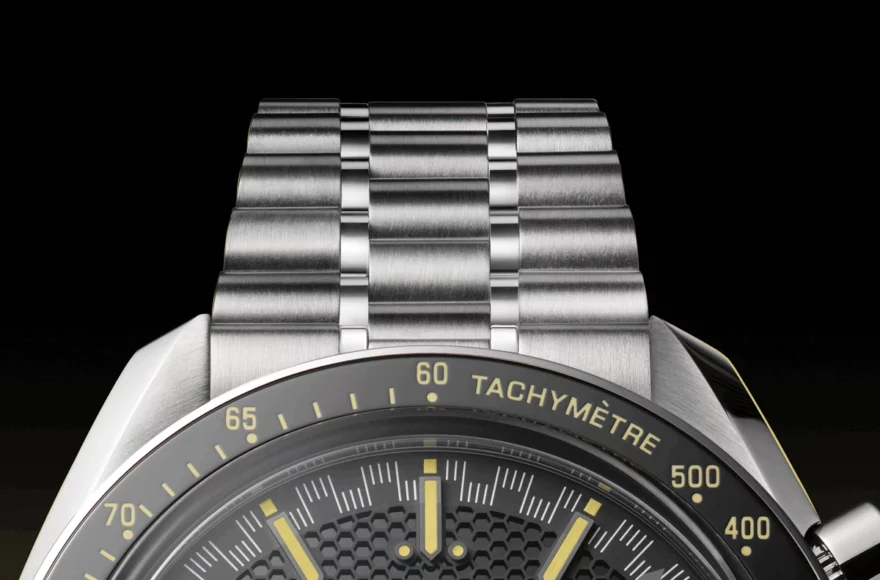
The tachymeter: from practical function to identity marker On a sports watch, the tachymeter is that detail that catches your eye even before you’ve started the chronograph: a numbered…
That intriguing “tick”: deadbeat seconds, a rhythm that’s not so anachronistic after all You may have noticed it in a display window, or on the wrist of a collector…
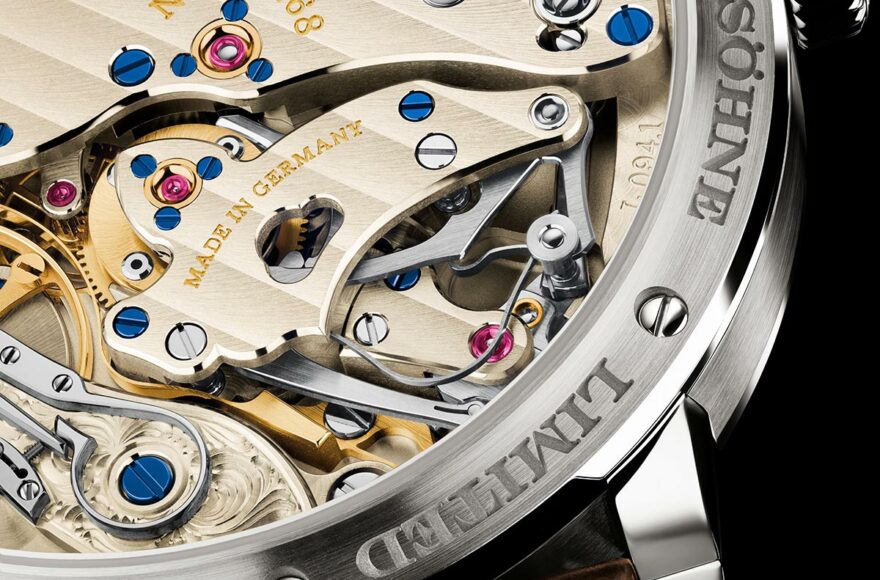
The gestures that sculpt light Even before you read the time, the eye likes to wander. On a perlage-covered mainplate, light clings as if to fine sand. On a…
The myth of “all in-house” Two words are enough to electrify a conversation among enthusiasts: “in-house” (or “manufacture”). A technical and symbolic password that has become a blunt instrument…
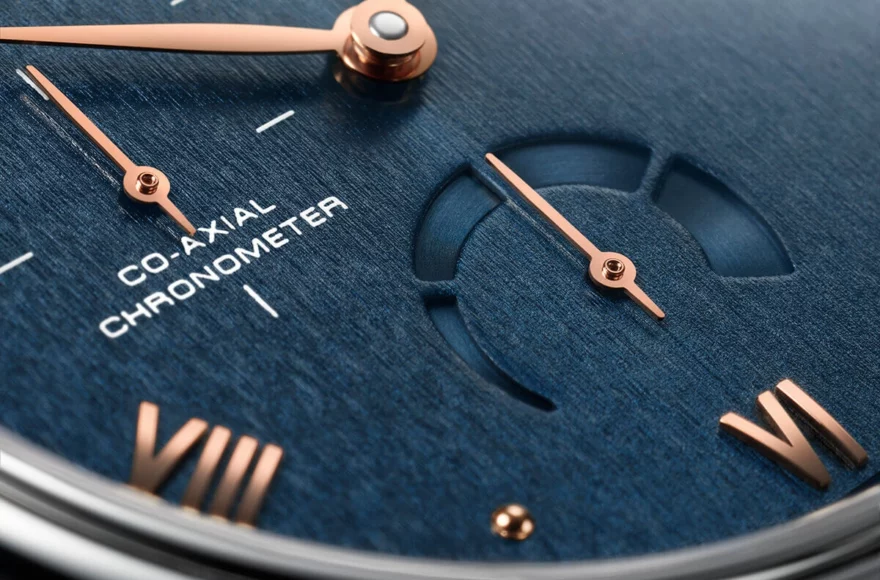
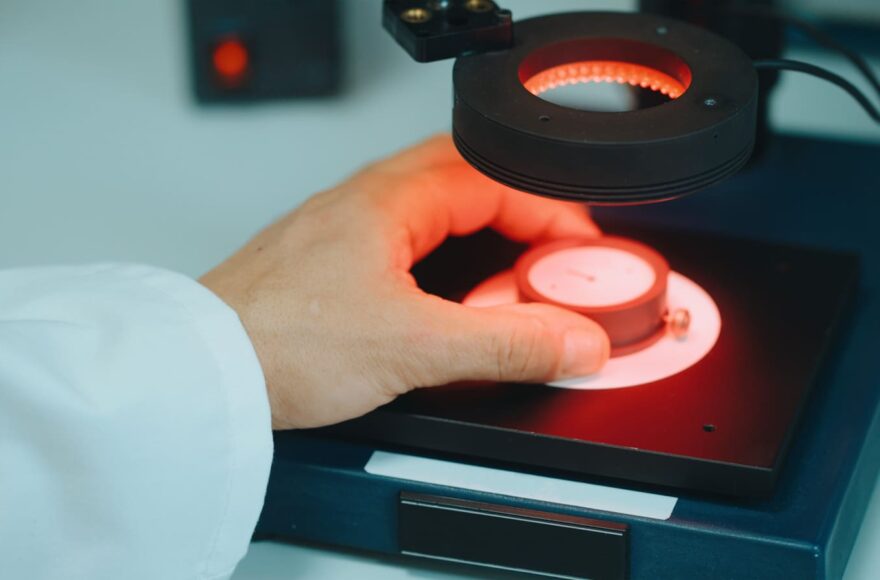
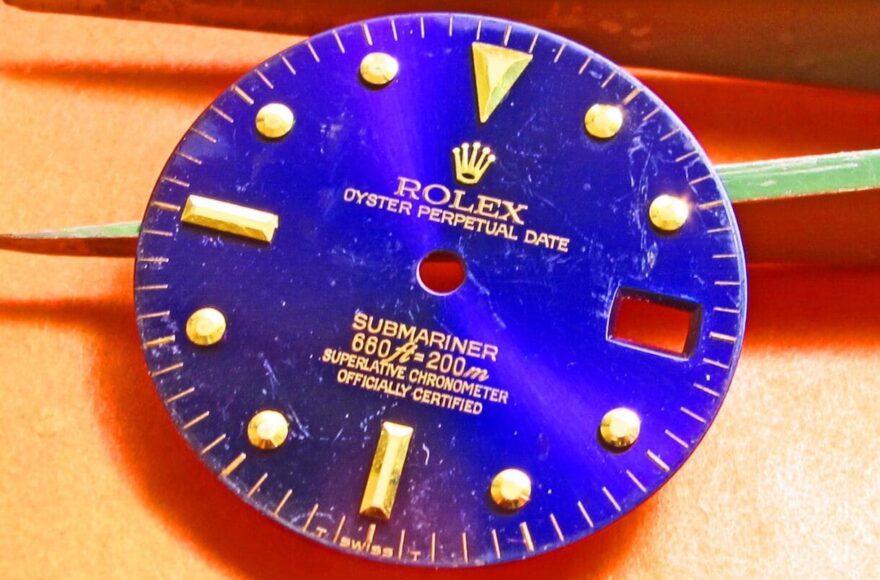
The word “chronometer” isn’t just a veneer Two lines on a dial are enough to make an enthusiast’s heart race: “Chronometer Officially Certified”. Behind that phrase lies more than a…
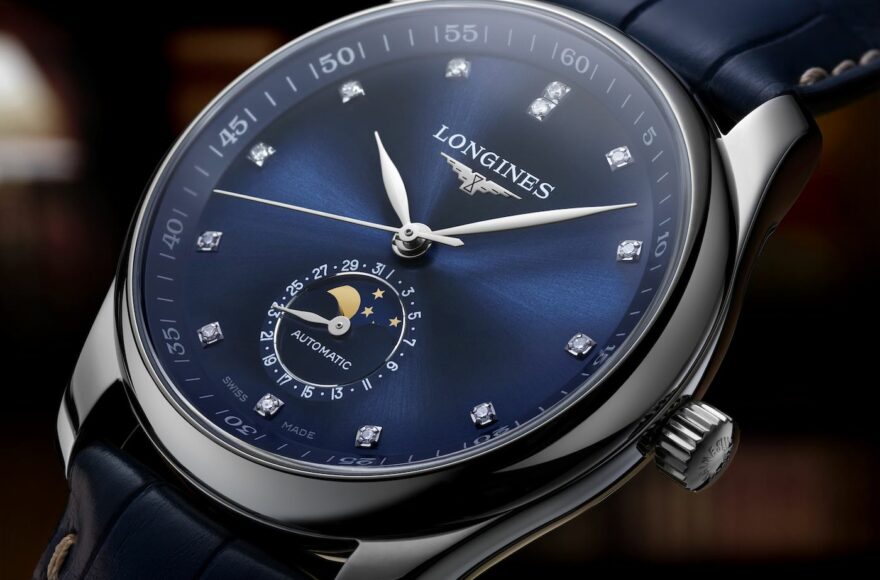
On a dial, the moon is not merely a romantic motif. It is slow mechanics, a millimetre-perfect ballet between steel and sky. The moonphase complication tells the story of the…
Why the GMT bezel still fascinates The GMT bezel is the elegance of a 1950s transatlantic flight translated onto a wrist. Born from Pan Am pilots’ needs and immortalised by…
The curve that changes everything A tiny detail, an instant sensation: a domed crystal transforms a watch. It rounds the light, softens the angles, slips under a cuff like a…
A simple idea, a stroke of genius In the history of dive watches, the term “super compressor” is no marketing affectation. It refers to a patent developed by Ervin…
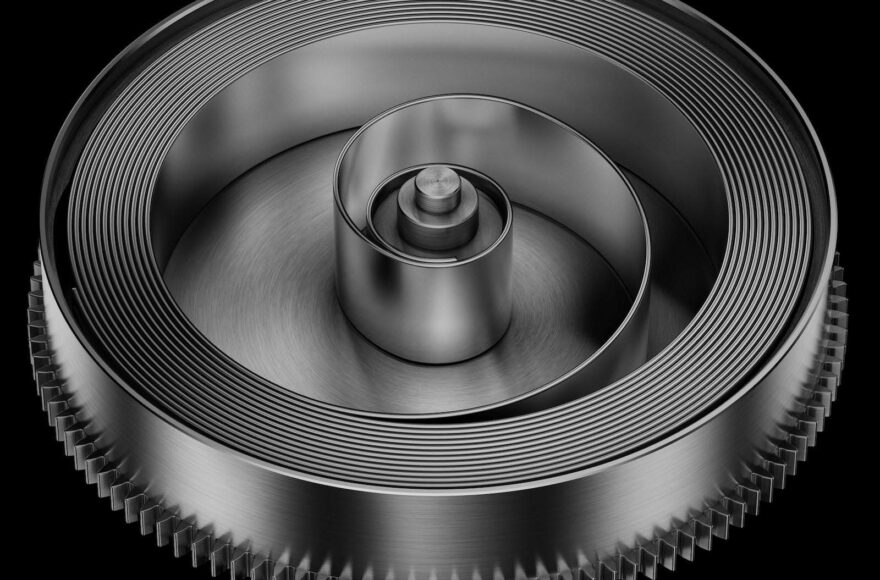
A Coiled Heart: Understanding the Mainspring In a mechanical watch, the mainspring is more than just a component. It’s the invisible muscle, curled inside a slim steel drum—the barrel—that releases…
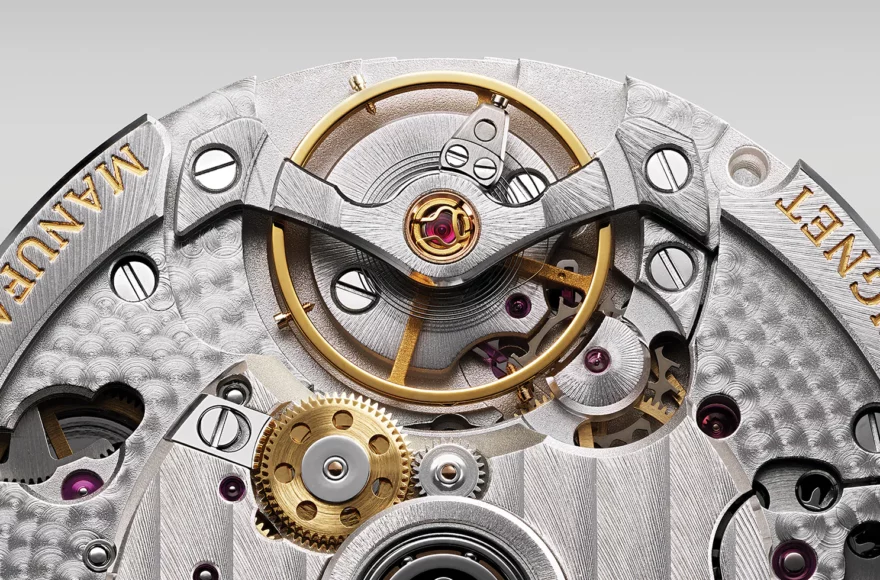
Definition: what do we mean by a “high-frequency” movement? In watchmaking terms, frequency expresses the number of oscillations of the balance per second (measured in Hertz, Hz). The contemporary…
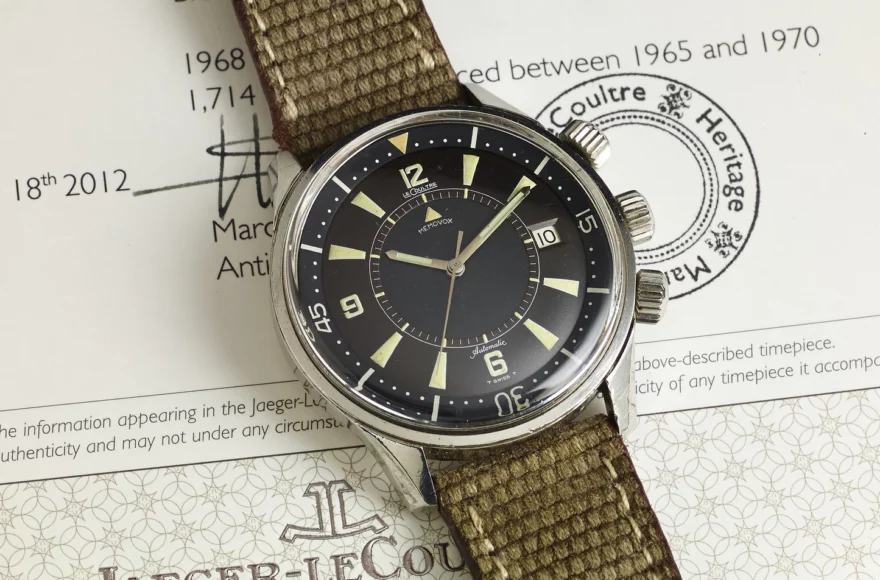
When time colours time One morning, you wind your old dive watch. The light catches the domed crystal and—surprise: the deep black of its dial has taken on a chocolate…