How a Column-Wheel Chronograph Works
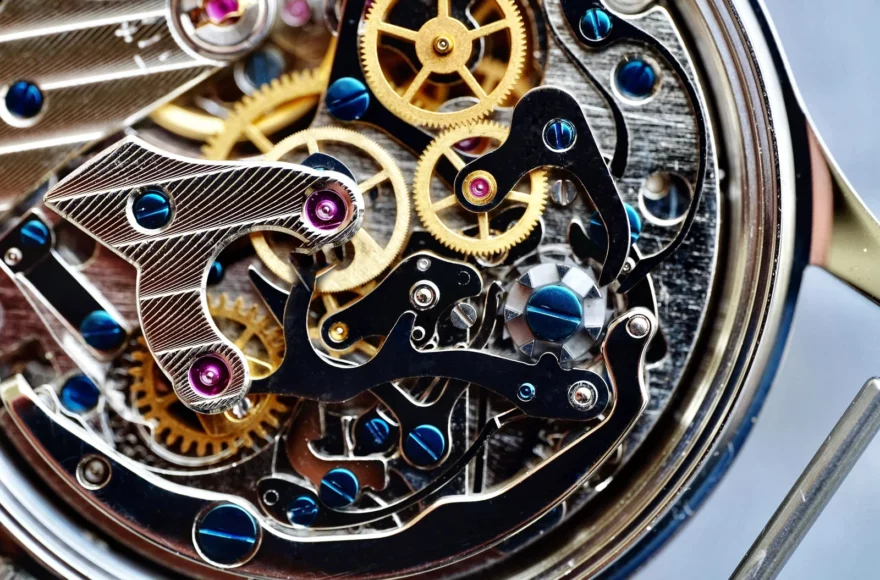
There are two schools in watchmaking: those who trigger a chronograph the way you hit “start” at the gym, and those who want to feel, under the fingertip, that crisp…
Explore the technical world of watchmaking: automatic movements, complications, materials such as sapphire and titanium, and watch adjustment and maintenance. This category breaks down the mechanical and technological aspects of watches to give you a better understanding of how they work and their value.
There are two schools in watchmaking: those who trigger a chronograph the way you hit “start” at the gym, and those who want to feel, under the fingertip, that crisp…
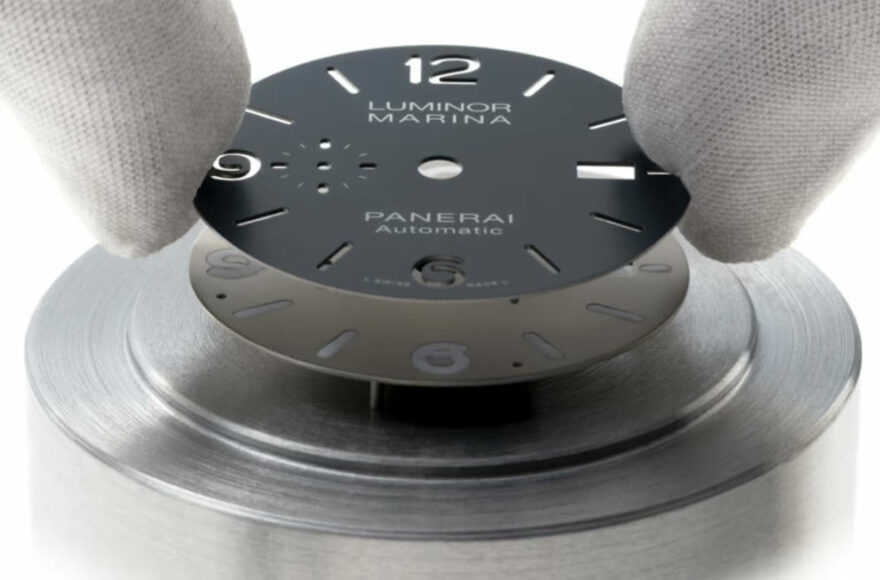
A dial that plays with depth At first glance, you notice a sense of relief, an almost graphic legibility, as if the numerals and markers had been cut straight…
You notice them at first glance: that deep blue, sometimes almost electric, that catches the light and shifts in tone depending on the angle. It immediately conjures up a…
What exactly is a regulator watch? A regulator watch is a watch whose display separates the indications of time: most often, the minutes take centre stage, while the hours…
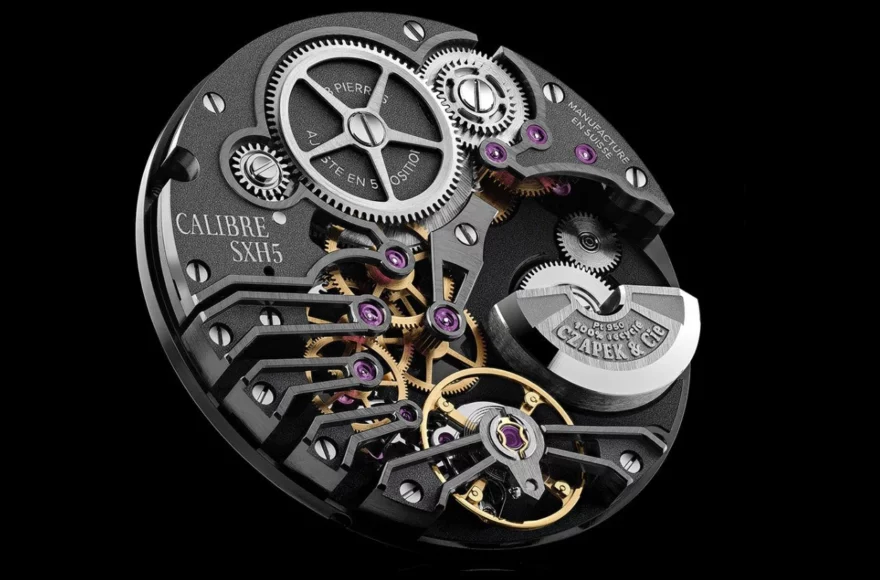
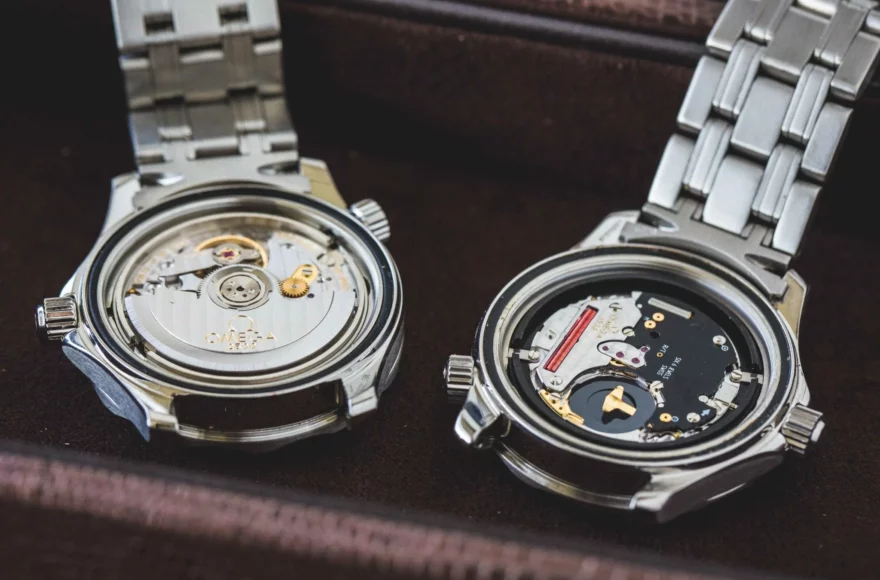
The micro-rotor: the mechanical elegance of the invisible For many, an automatic watch is that half-disc of metal spinning freely on the back of the movement, capturing the wrist’s…
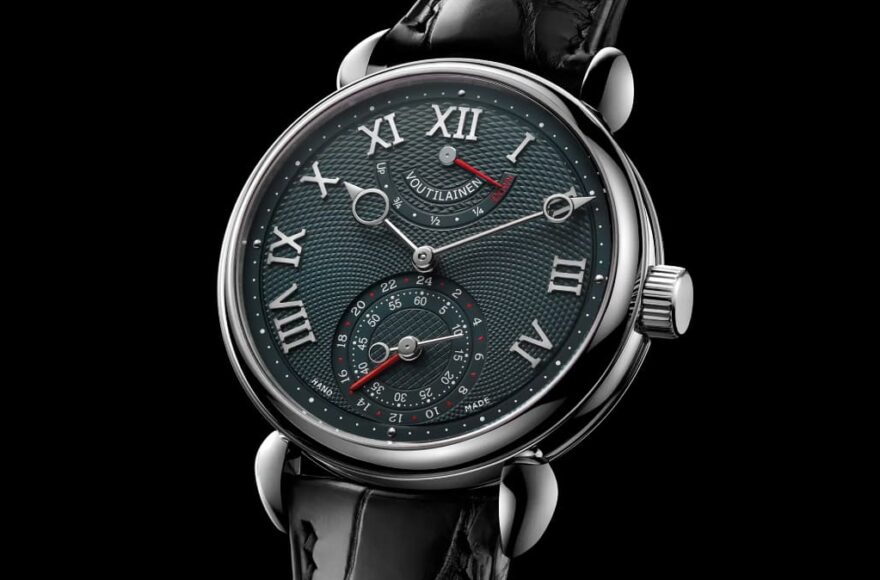
The mechanical watch’s “fuel gauge” On a mechanical watch, the power-reserve indicator has something deliciously human about it: it lets you see the mainspring’s impending fatigue, the end of…
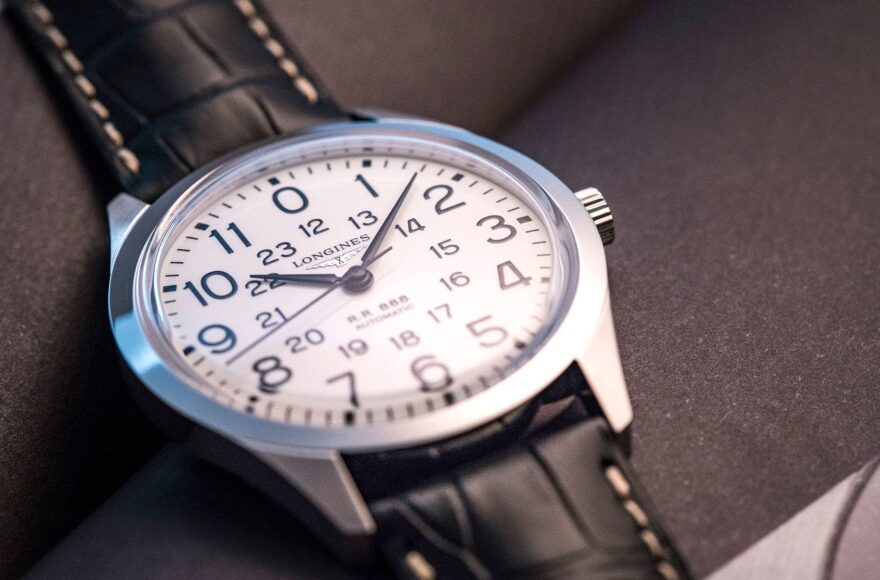
A scale born from the need for precision, not an aesthetic whim In watchmaking vocabulary, the term “railroad” (or “chemin de fer” in French) refers to a minute track…
A tiny detail, an outsized signature In the watchmaking world, some complications are very “visible”: multi-register chronographs, perpetual calendars, tourbillons spinning like mechanical jewels. But there are also more…
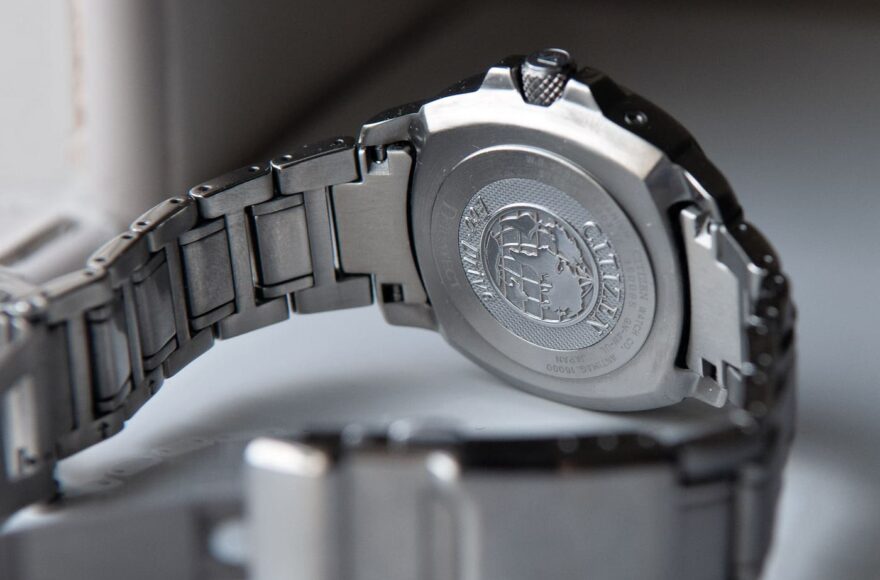
One piece, one idea: sealing time inside In watchmaking, some technical solutions read like manifestos. The one-piece case (or “monocoque”) is one of them. The principle is easy to…
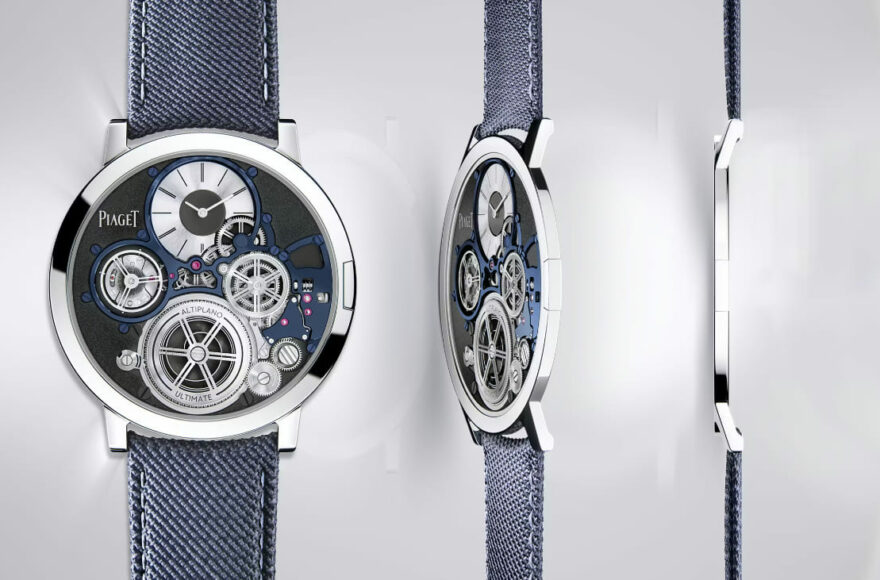
I remember my first encounter with an “ultra-thin.” I’m talking, of course, about an “ultra-thin watch” (what were you thinking?). Among these marvels of slenderness, a hand-wound watch truly defies…
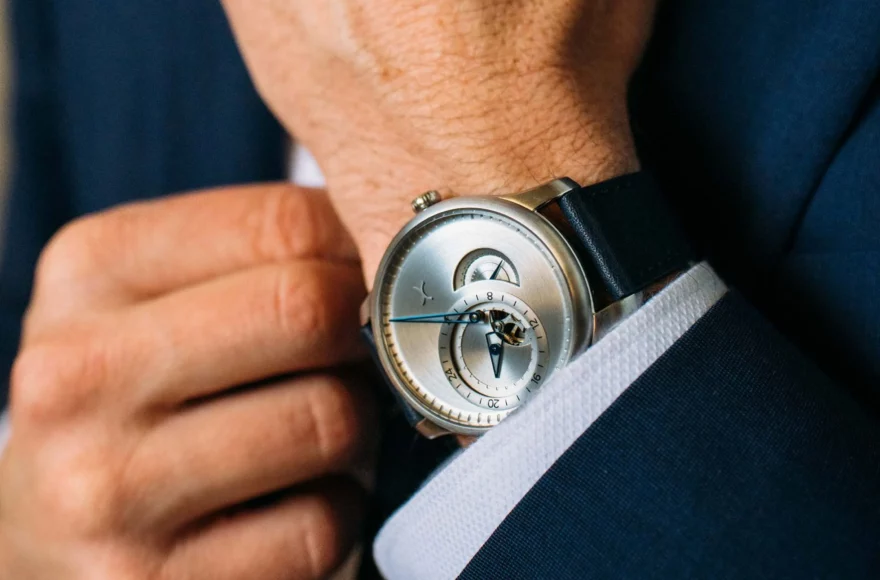
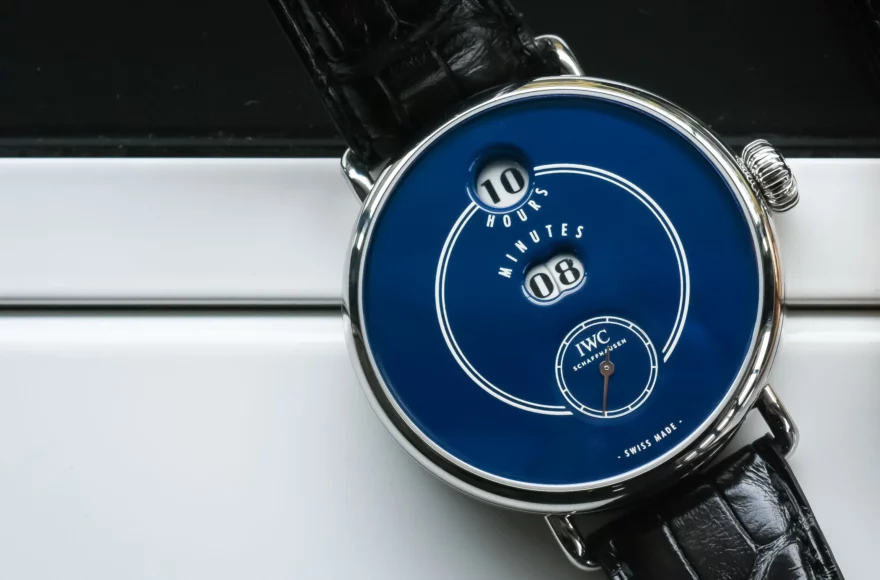
A Different Way to Read Time In the collective imagination, a “classic” watch tells the time with hands: one for the hours, another for the minutes, sometimes a seconds…
The little morning drama: a frozen watch, time on pause There’s that gesture—intimate, almost ceremonial: picking up your watch from the bedside table, feeling the cold metal or the…
The temptation of “like new”: a sign of the times All it takes is a beam of light catching a scratched caseband for the thought to pop up: “What…
The enamel dial: a quiet luxury that never goes out of style In a watch world saturated with spectacular finishes, new textures and bold colours, the enamel dial moves…
There is, in the ritual of a mechanical watch, a poetry that defies time. In the morning, you adjust a crown, feel the resistance of the mainspring, almost listen…
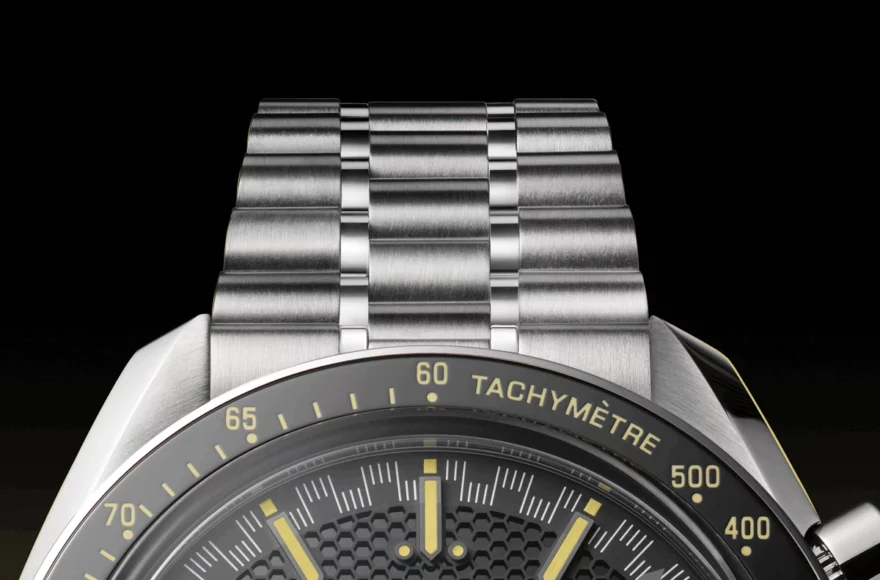
The tachymeter: from practical function to identity marker On a sports watch, the tachymeter is that detail that catches your eye even before you’ve started the chronograph: a numbered…