Can a Gold Watch Be Worth More for Its Gold Than on the Wrist?
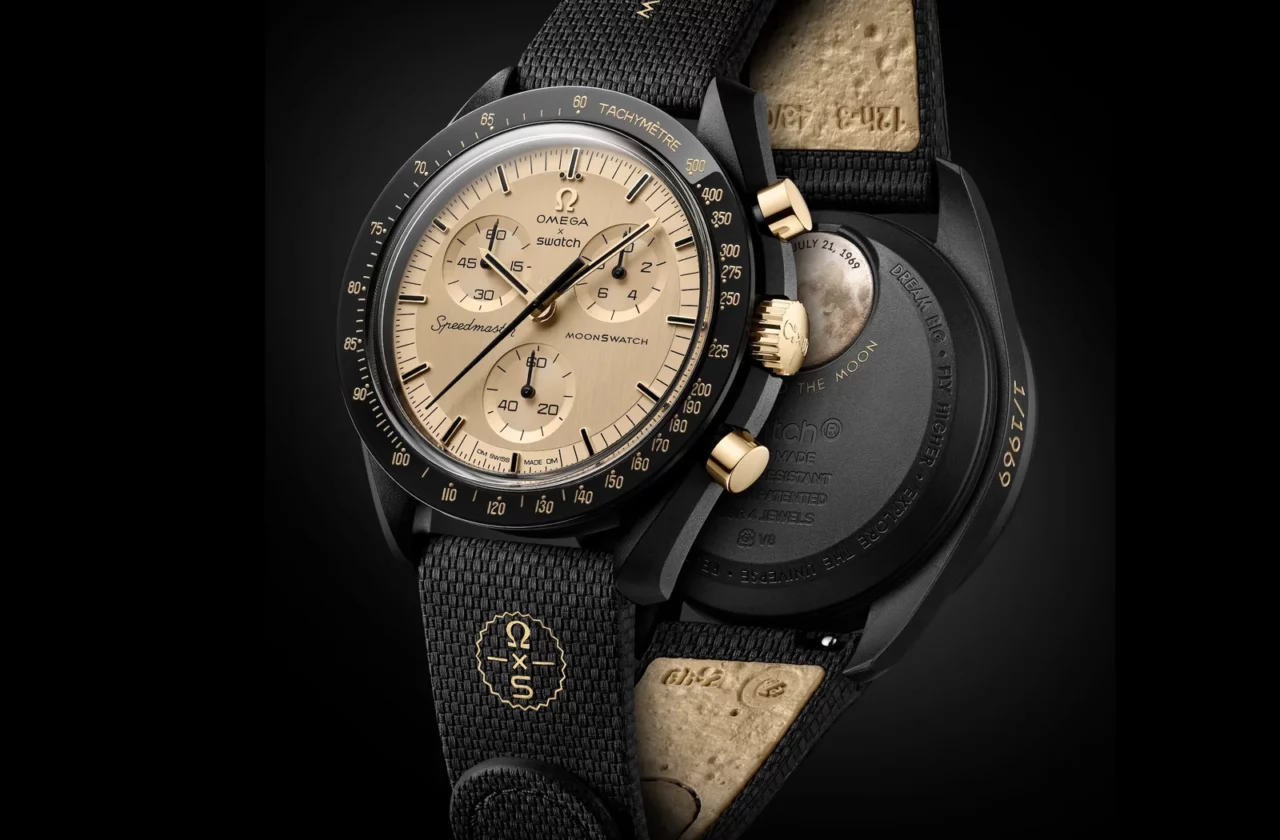

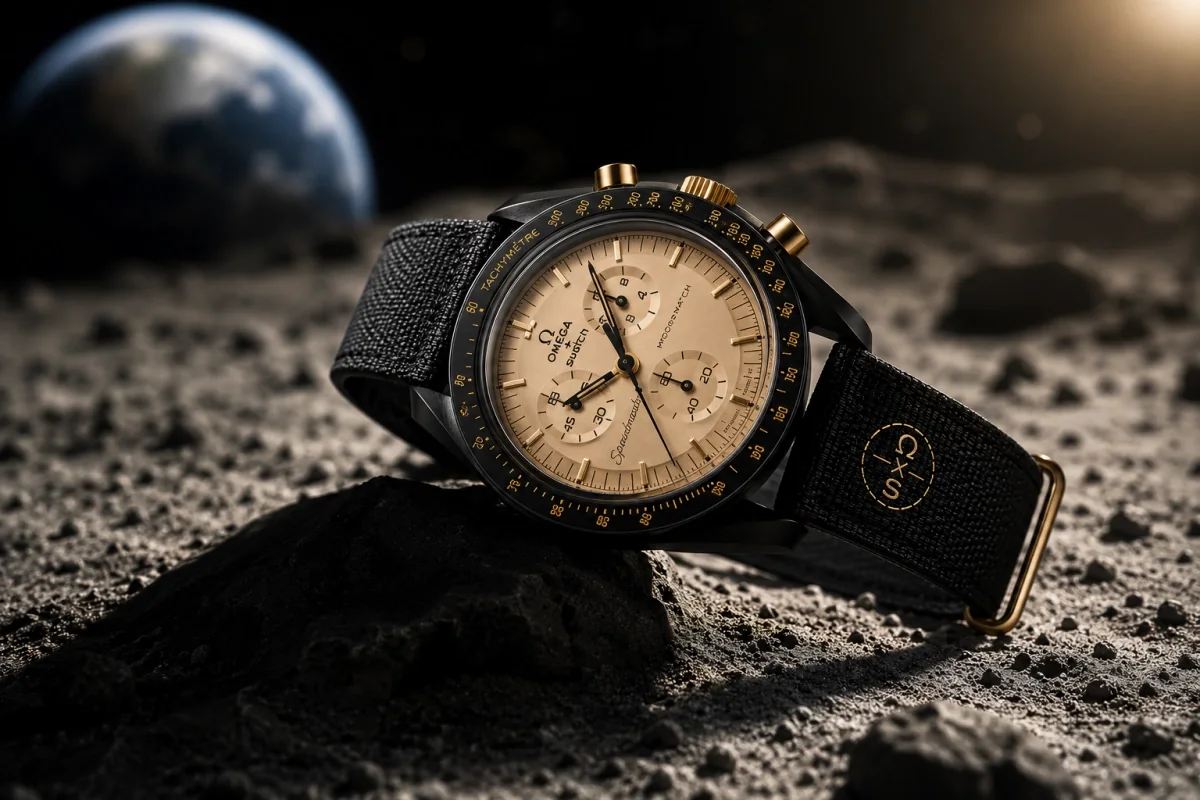
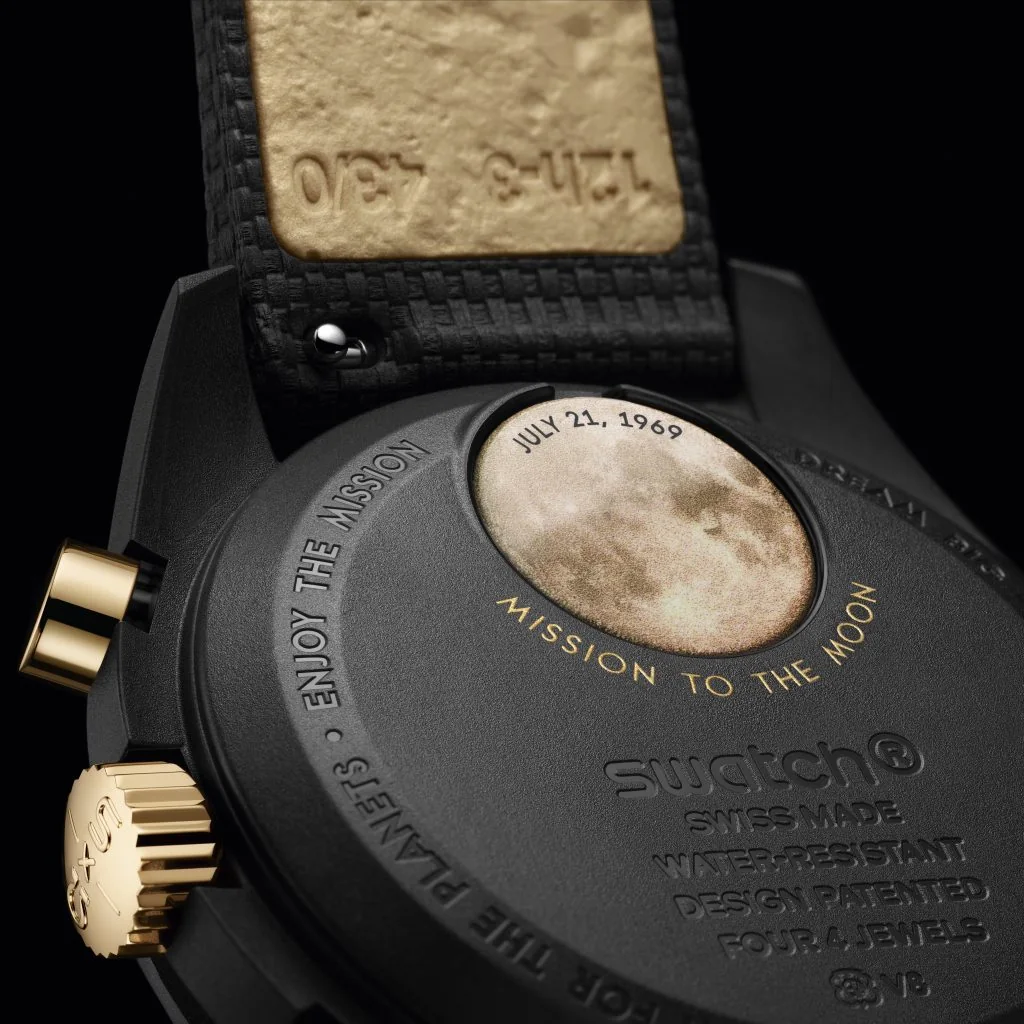
In July 2026, Swatch launched a rather unusual MoonSwatch. Produced in 1,969 pieces, the Mission to the Moon 1969 features a dial, hands, crown and pushers made from Omega’s 18-carat Moonshine Gold. The total weight of these components: 11 grams.
The watch was offered at €600 under reference SSX01B700, a price Swatch chose as a nod to the price of gold in 1969. A neat marketing exercise, but also a curiosity: as the price of the yellow metal surged, the value of the gold contained in the watch was already far higher than its retail price.
The story may raise a smile. In the world of vintage watches, however, it has a far less amusing underside. Some gold watches are now being melted down for one very simple reason: their metal is worth more than the watch itself.
When an Omega Is Worth More Melted Down
In June 2026, Reuters revealed the scale the phenomenon had reached among certain precious-metals dealers and pre-owned-watch professionals.
One of the examples cited was an 18-carat gold Omega Constellation from the late 1970s, despite being in excellent condition. Its auction value was estimated at between £4,000 and £4,500. The gold it contained was worth approximately £5,750.
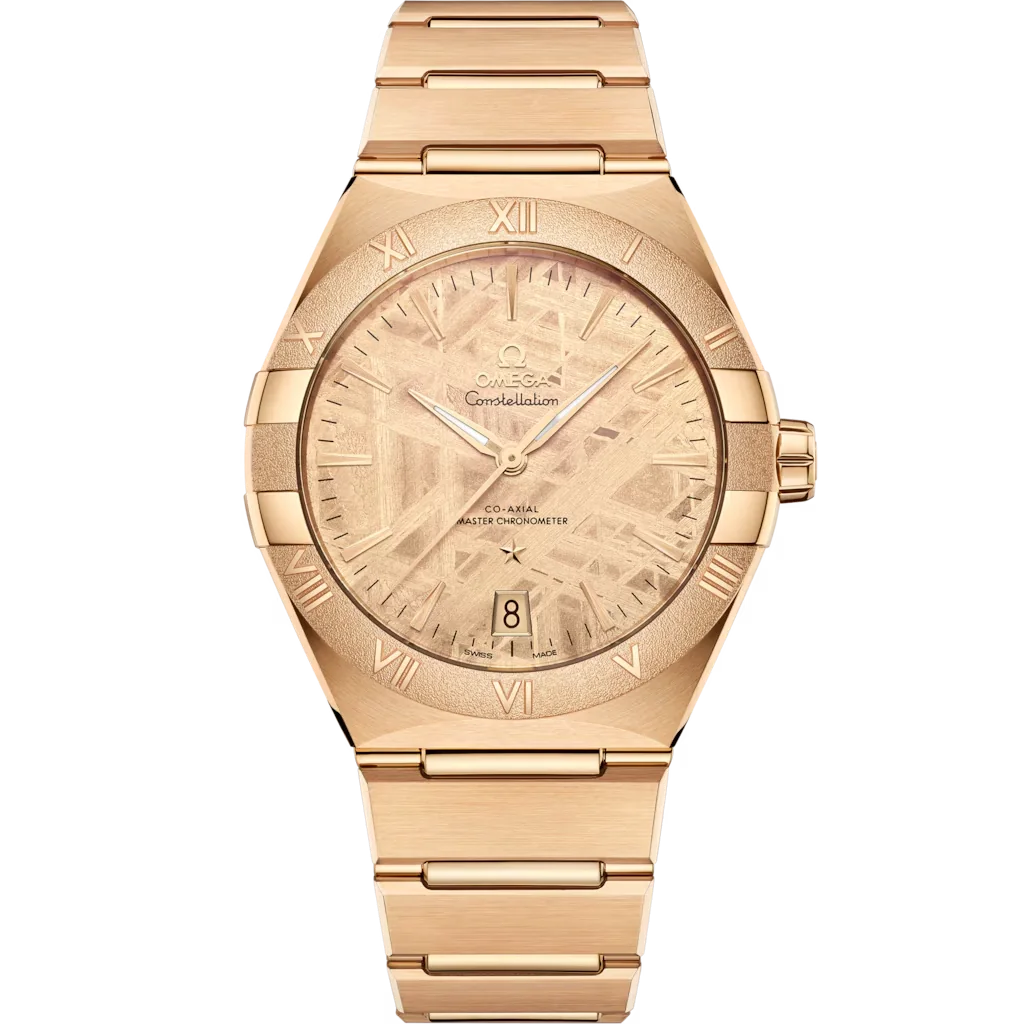
The owner’s or dealer’s calculation suddenly becomes brutally simple: why sell a watch for £4,500 when it can be dismantled and melted down to recover £5,750 worth of metal?
This situation primarily affects gold watches that do not benefit from strong demand among collectors. Reuters specifically mentions Omega and TAG Heuer among the exposed brands, while certain Rolex and Patek Philippe models generally retain enough horological value to remain well above their simple melt value.
The logo on the dial, therefore, is not always enough to save a watch.
A Gold Watch Is Not a Bar of Gold with Hands
To understand the phenomenon, one must first distinguish a watch’s total weight from the weight of the gold it contains.
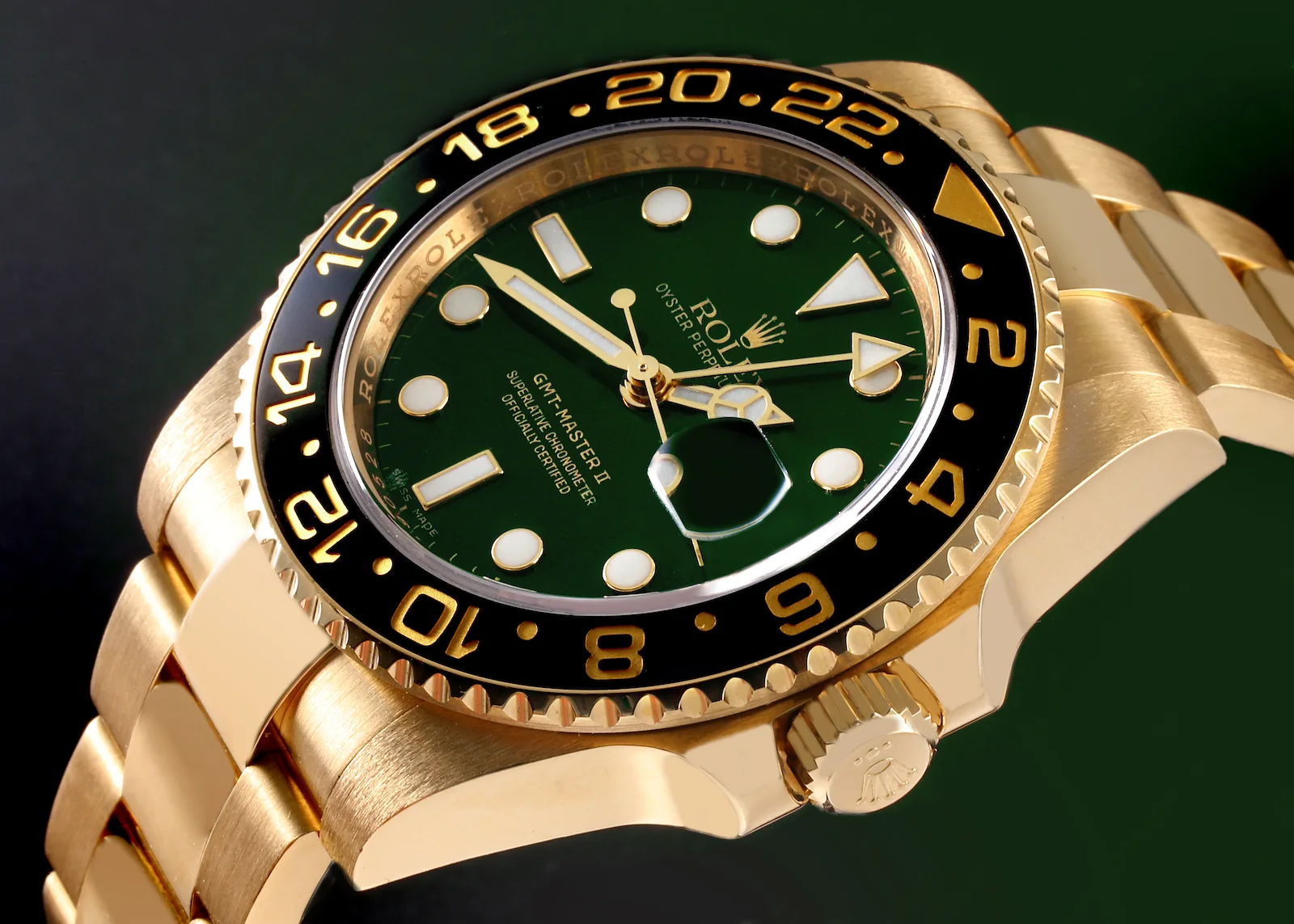
A 100-gram 18-carat gold watch obviously does not contain 100 grams of pure gold. The movement, crystal, dial, gaskets and many other components are made from different materials. And even the elements actually made of 18-carat gold contain only 75% pure gold.
On a watch fitted with a solid-gold bracelet, however, the quantity of precious metal can still become considerable.
This distinction between the weight of the metal, condition, authenticity and the value of the name also applies to vintage jewellery. A guide to buying pre-owned jewellery can help explain why two pieces made from the same metal can command very different prices depending on their provenance, condition, rarity or maker.
A watch introduces further variables: its calibre, reference, dial, historical significance and, above all, the number of collectors willing to buy it.
Why Can a Steel Watch Be Worth Far More Than a Gold Watch?
This is one of the paradoxes of the watch market.
On the one hand, a steel watch has very little intrinsic value if one looks solely at its material. On the other, certain references fetch tens of thousands of euros on the pre-owned market.
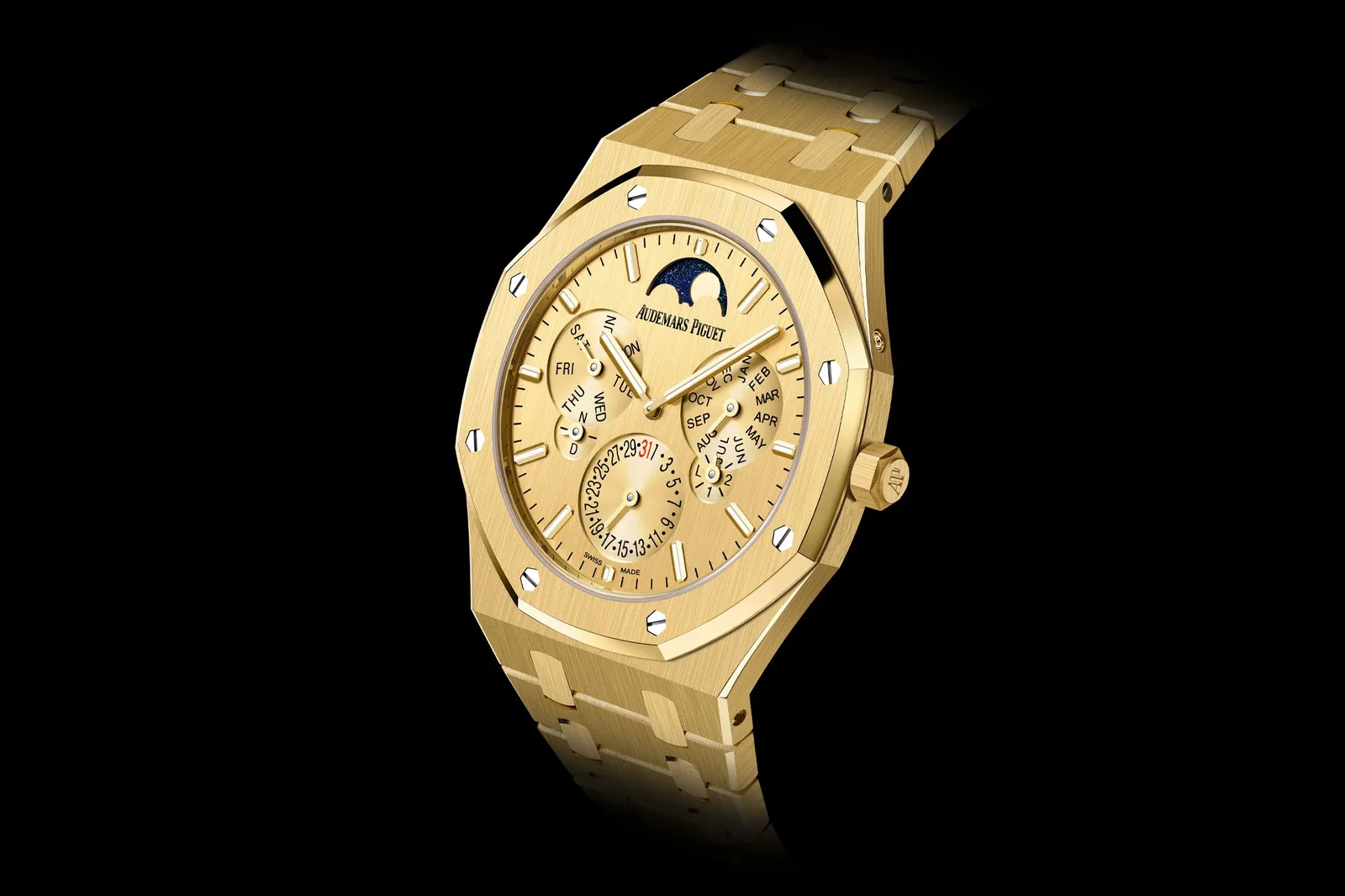
By contrast, a solid-gold dress watch may contain several thousand euros’ worth of precious metal while struggling to find a buyer.
The reason lies in an obvious fact that is sometimes forgotten when the price of gold soars: collectors do not buy watches by weight.
A sought-after reference has its own economy. The brand matters, but it is not everything. The calibre, production numbers, rarity of a variant, condition of the dial, presence of original parts and the model’s history all influence its market value.
The condition of the case also plays an important role. An old watch that has been heavily restored or polished repeatedly may lose some of its appeal among collectors. We previously devoted a full article to this question: should you polish your watch?
A gram of gold remains a gram of gold. A watch, however, may be worth far more—or far less—than the sum of its materials.
Vintage Dress Watches Are Particularly at Risk
The problem primarily concerns a category well known to vintage enthusiasts: small gold dress watches produced in large numbers during the 20th century.
There are still perfectly interesting Swiss mechanical watches on the market, sometimes fitted with excellent movements, whose value remains surprisingly low compared with the prestige of the brand displayed on the dial.
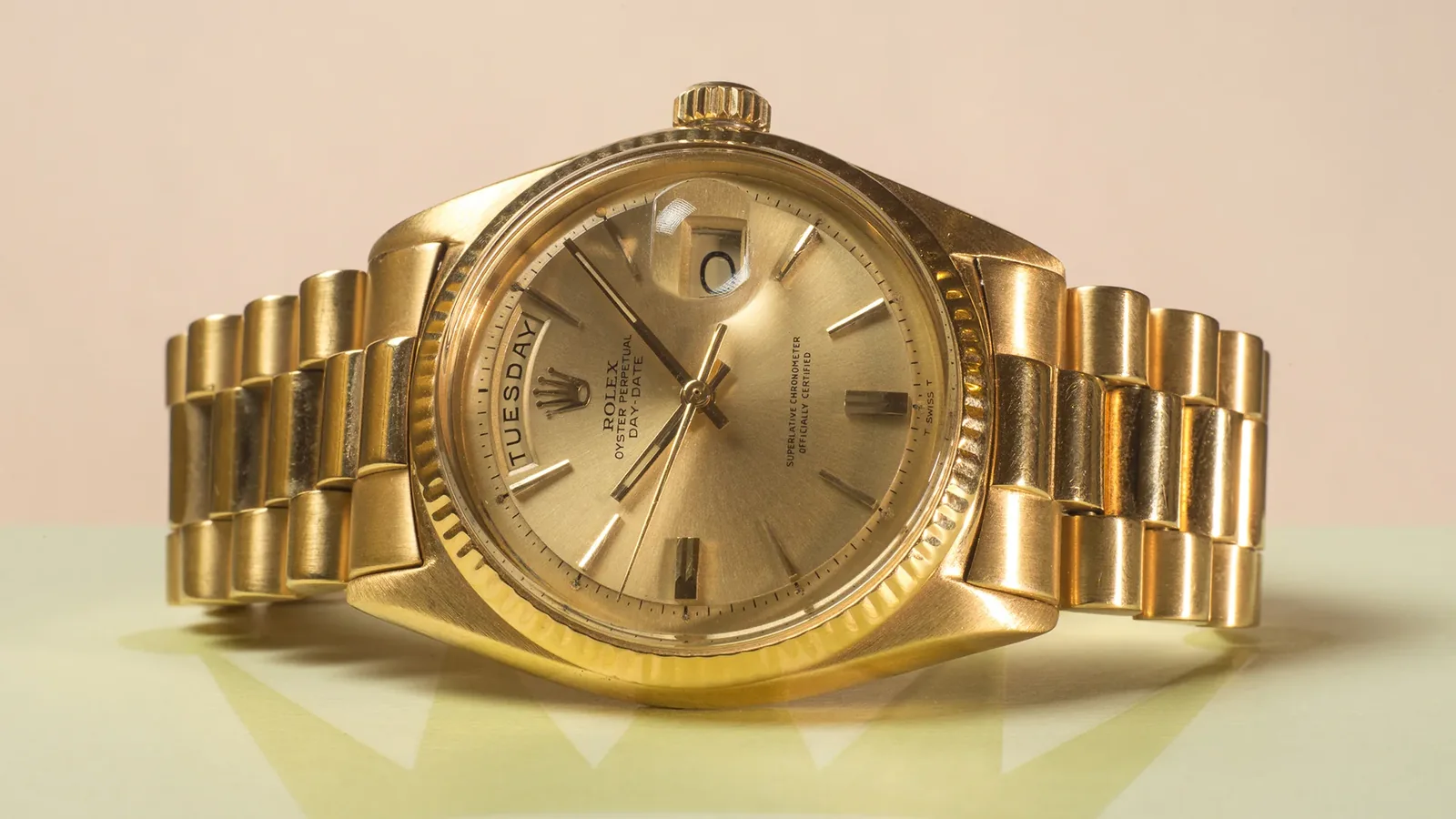
Tastes have changed. Case diameters have grown, sports watches have assumed an enormous role in collections, and certain 32 or 34 mm dress watches attract far fewer buyers than they once did.
Vintage ladies’ watches are affected by this phenomenon even more severely. A small mechanical gold watch with a precious-metal bracelet may represent a substantial quantity of gold without generating much interest on the watch market.
When the gap between the two values becomes too wide, the risk emerges: the watch is no longer of interest as a watch, but as a store of metal.
Melting Down a Vintage Watch: Smart Move or Waste?
From a strictly financial perspective, the answer may seem obvious.
If no one wants to pay €5,000 for a watch whose gold can be resold for €6,000, it becomes difficult to blame the owner for choosing the second option.
From a horological perspective, the equation changes completely.
Once the case or bracelet has been melted down, there is no going back. A watch that had survived forty, fifty or eighty years disappears forever. Its movement may survive as a spare part, but the watch as it left the manufacturer no longer exists.
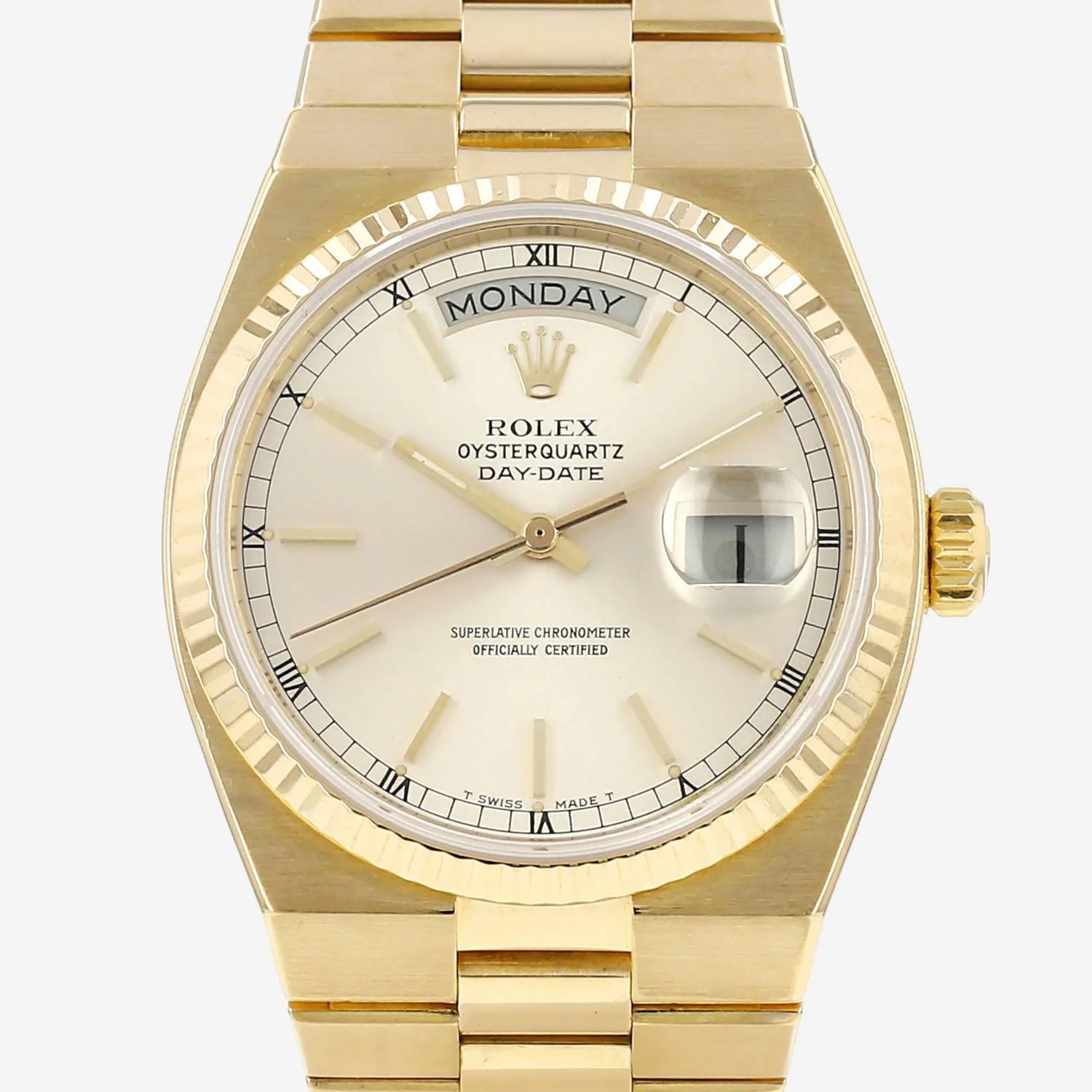
The phenomenon could even create a long-term paradox. References currently considered too common or insufficiently sought-after may become rare precisely because large numbers of examples will have disappeared.
Watchmaking history is full of watches that no one considered particularly valuable in their day and that collectors now seek out. It is, of course, impossible to know which currently neglected references will meet the same fate.
The Gold MoonSwatch Tells Exactly the Opposite Story
That is what makes the Mission to the Moon 1969 particularly amusing.
Swatch deliberately incorporated 11 grams of 18-carat gold into a MoonSwatch sold for 500 Swiss francs. The brand even specifies that the gold comes from vintage Omega spare parts dating from 1969, melted down to create its Moonshine Gold.
On one side, vintage Omega watches are now disappearing because their gold is worth more than their value on the pre-owned market.
On the other, Swatch is deliberately reclaiming gold connected to Omega’s history and incorporating it into a contemporary watch whose retail price was lower than the value of the metal it contained at the time of launch.
It is difficult to imagine a better illustration of the sometimes strange relationship between watchmaking and precious metals.
When Does a Watch Stop Being a Watch?
The rise in the price of gold ultimately serves as a healthy reminder: the price of a watch and the value of what it is made from are two very different things.
For a genuinely sought-after piece, a few dozen grams of gold have little bearing on its final value. It is the reference, rarity, condition and collectors’ interest that determine the price.
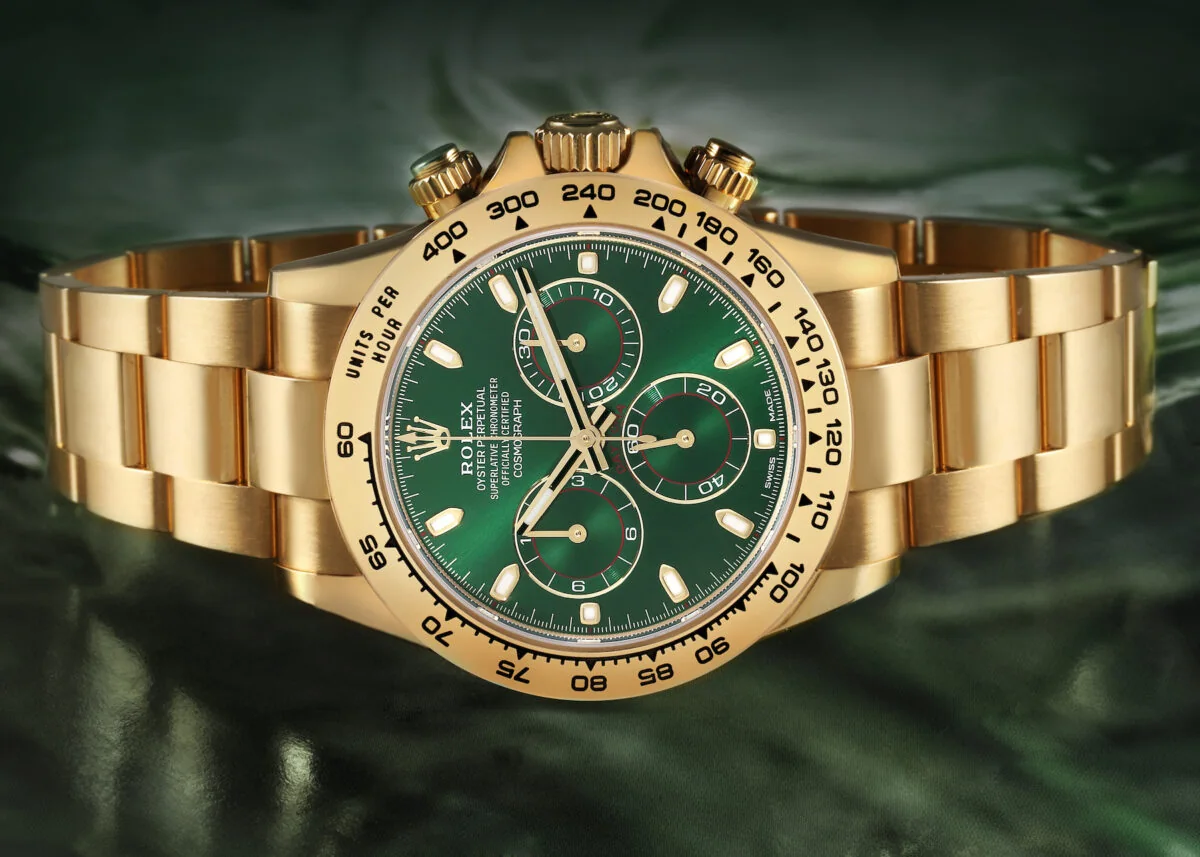
For a watch forgotten by the market, the logic can be reversed. The case and bracelet gradually become worth more than the movement they protect.
Until the moment an uncomfortable question arises: do you still own a gold watch … or simply gold that tells the time?