What Is a Rose Gold Case and How Is It Made
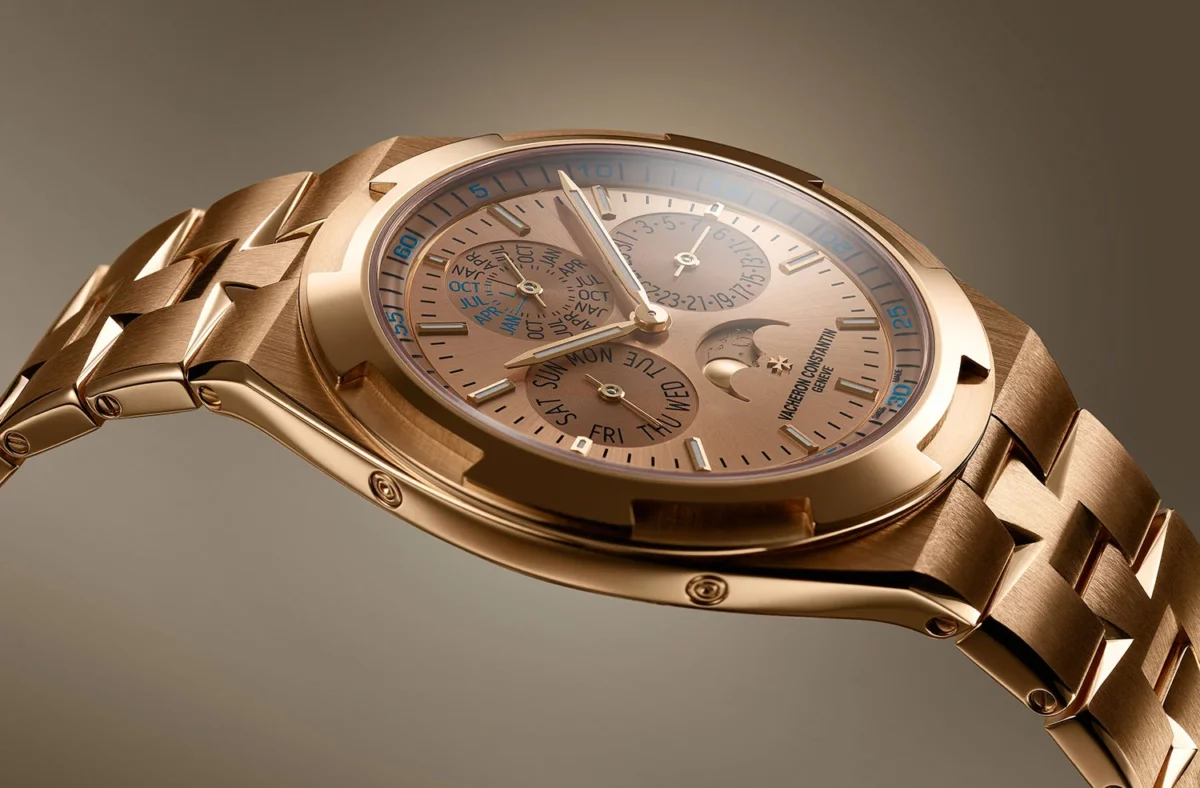
Rose gold: an aesthetic given that is not quite so simple
What exactly is a rose-gold case? The question may seem harmless, almost self-evident, given how firmly this warm hue has established itself in contemporary watchmaking. Yet behind this alluring shade lies a far more complex reality, at the crossroads of metallurgy, chemistry and demanding artisanal expertise.
Far from being a mere aesthetic whim, rose gold is an alloy with specific properties, and producing it requires precision, consistency and a considerable amount of experience. And, as so often in watchmaking, the details make all the difference. Between a subtly coppery tone and an overly reddish drift, the margin can sometimes be just one or two percent too much of a given alloying metal.
Rose gold, red gold, yellow gold: a matter of alloy
Pure gold, known as “24-carat gold”, has an intense, almost unreal yellow colour. But it is also extremely malleable, too soft to withstand the demands placed on a watch case intended to live on the wrist. Using it as it is, therefore, is out of the question.
The solution is to create an alloy. In watchmaking, the standard is most often 18-carat gold, meaning 75% pure gold, completed by other metals. It is precisely the nature and proportion of these additions that determine the final colour.
Rose gold is obtained by mixing:
- pure gold (75%)
- copper, which brings the red tone
- sometimes a small amount of silver, to soften the shade
The higher the proportion of copper, the more the colour shifts towards red gold. Conversely, more silver lightens the result. Rose gold, the most sought-after version, sits in this subtle balance: warm, but without excess.
Some maisons even go so far as to develop their own recipes. Rolex, for example, has patented its Everose, an alloy incorporating platinum to stabilise the colour over time. Because yes, rose gold can evolve… and not always in the right direction.
Why can rose gold change colour?
The culprit has a name: copper. While it is essential for achieving that pinkish hue, it is also sensitive to oxidation. Over time, under the influence of humidity, perspiration or simply air, it can tarnish slightly.
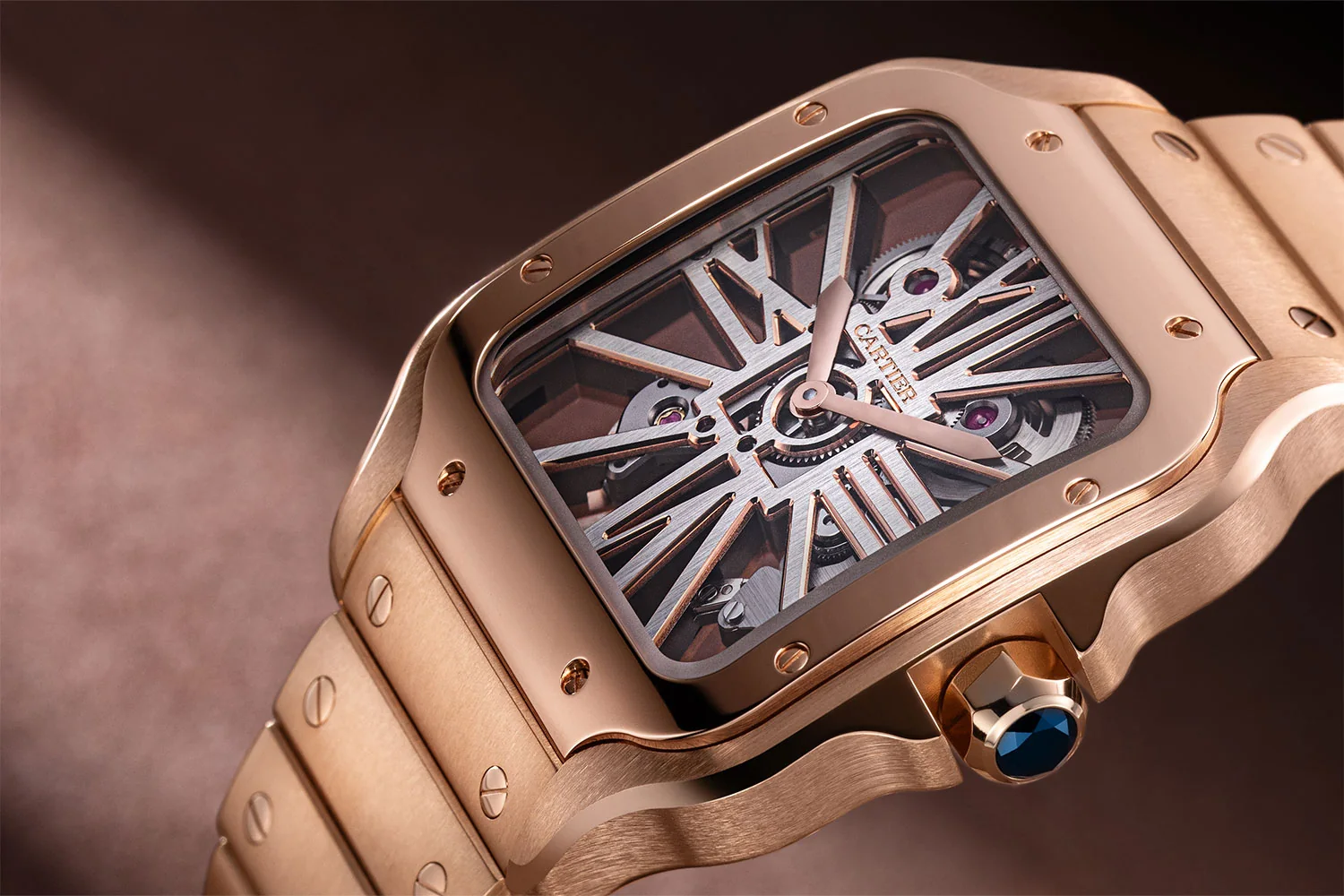
As a result, some older cases take on a brownish cast or lose their original lustre. Nothing dramatic, but noticeable enough for manufactures to seek lasting solutions.
Beyond proprietary alloys, some brands also apply surface treatments or optimise proportions to slow this phenomenon. But let us be clear: a slight patina is part of the life of a rose-gold case. And for many collectors, that is precisely what gives it its charm.
From raw ingot to shaped case: the manufacturing stages
Melting the alloy
Everything begins with the preparation of the metal. Pure gold is melted with the additional metals in a high-temperature furnace, often above 1,000°C. At this stage, precision is crucial. Even a tiny variation in proportions, and the final colour moves away from the expected result.
The mixture is then homogenised and cast into ingots.
Rolling and shaping
These ingots are then transformed into plates or bars by rolling. The metal is stretched, flattened and reworked several times to achieve the correct thickness and density.
At this point, we are already entering a phase in which the quality of the material determines everything that follows. If the alloy is not properly controlled, the entire case may present defects, whether aesthetic or structural.
Machining the case
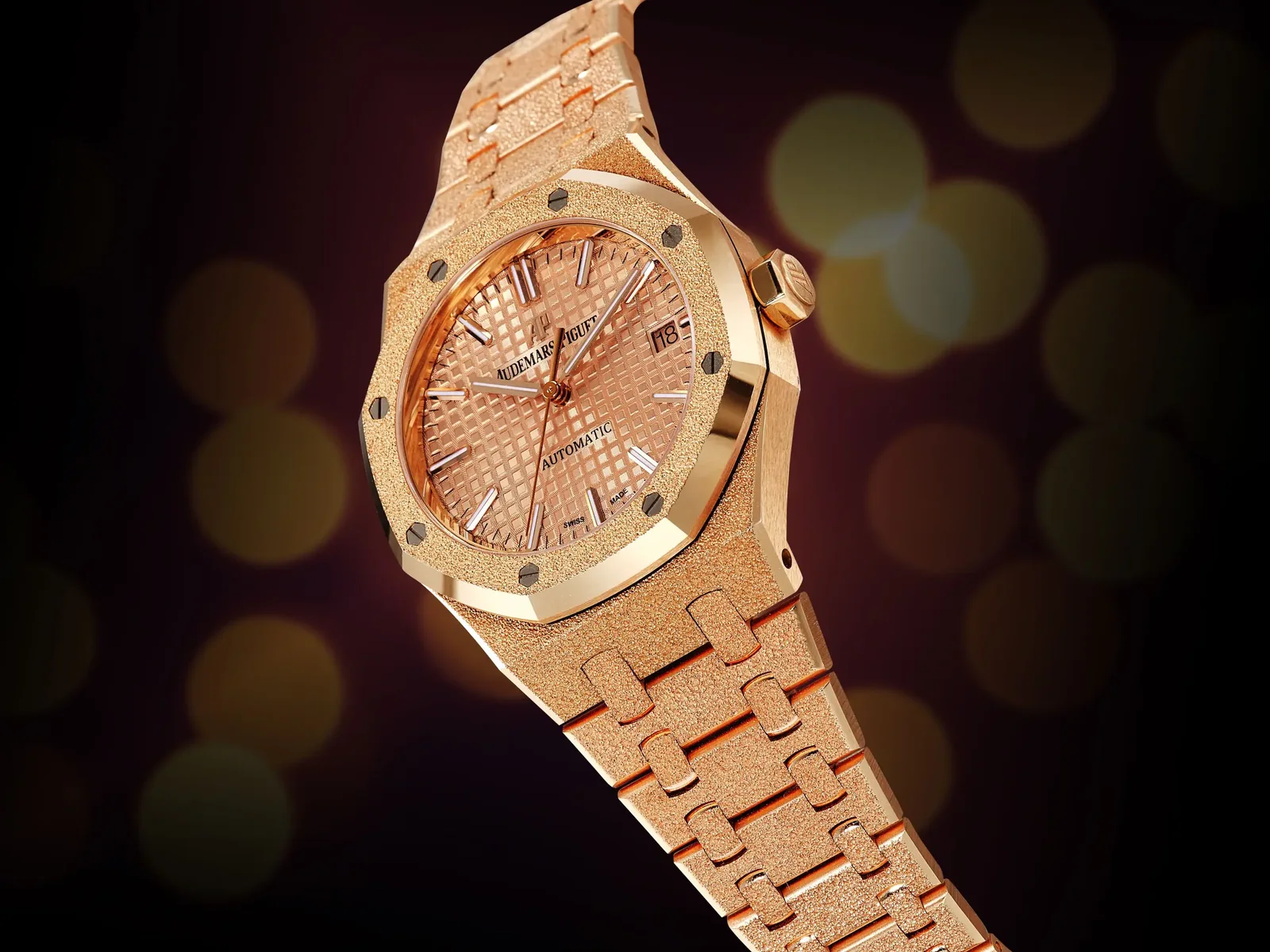
The case components, the case middle, bezel and caseback, are then machined, generally from solid blocks. CNC machines ensure extreme precision, down to the micron.
But contrary to what one might think, it does not end there. Machining only provides a rough form. The real work begins afterwards.
Hand craftsmanship: angles, finishes and polishing
A rose-gold case reveals its full beauty in its finishing. Mirror polishing, satin brushing, sharp or softened angles: every detail is finished by hand.
And this is where rose gold makes its demands felt. Softer than steel, it is worked differently. It marks more quickly, polishes more easily, but also requires a sure hand to avoid “breaking” the lines of the case.
A good polisher knows exactly how far to go. Work it too much, and the edges disappear. Not enough, and the light will not play properly across the surface.
Rose gold today
There was a time when yellow gold reigned supreme. Then the 1990s and 2000s saw the rise of steel, more discreet, more “sport chic”. Rose gold found its place between these two worlds.
Less ostentatious than yellow gold, warmer than steel, it offers a credible and elegant alternative. On a classic chronograph or a dress watch, it brings immediate visual depth. On a more contemporary piece, it breaks the codes without becoming demonstrative.
Another advantage is that rose gold pairs remarkably well with a wide variety of dials: deep black, midnight blue, chocolate, champagne. It acts almost like a filter, softening contrasts while enriching the nuances.
Care and everyday wear
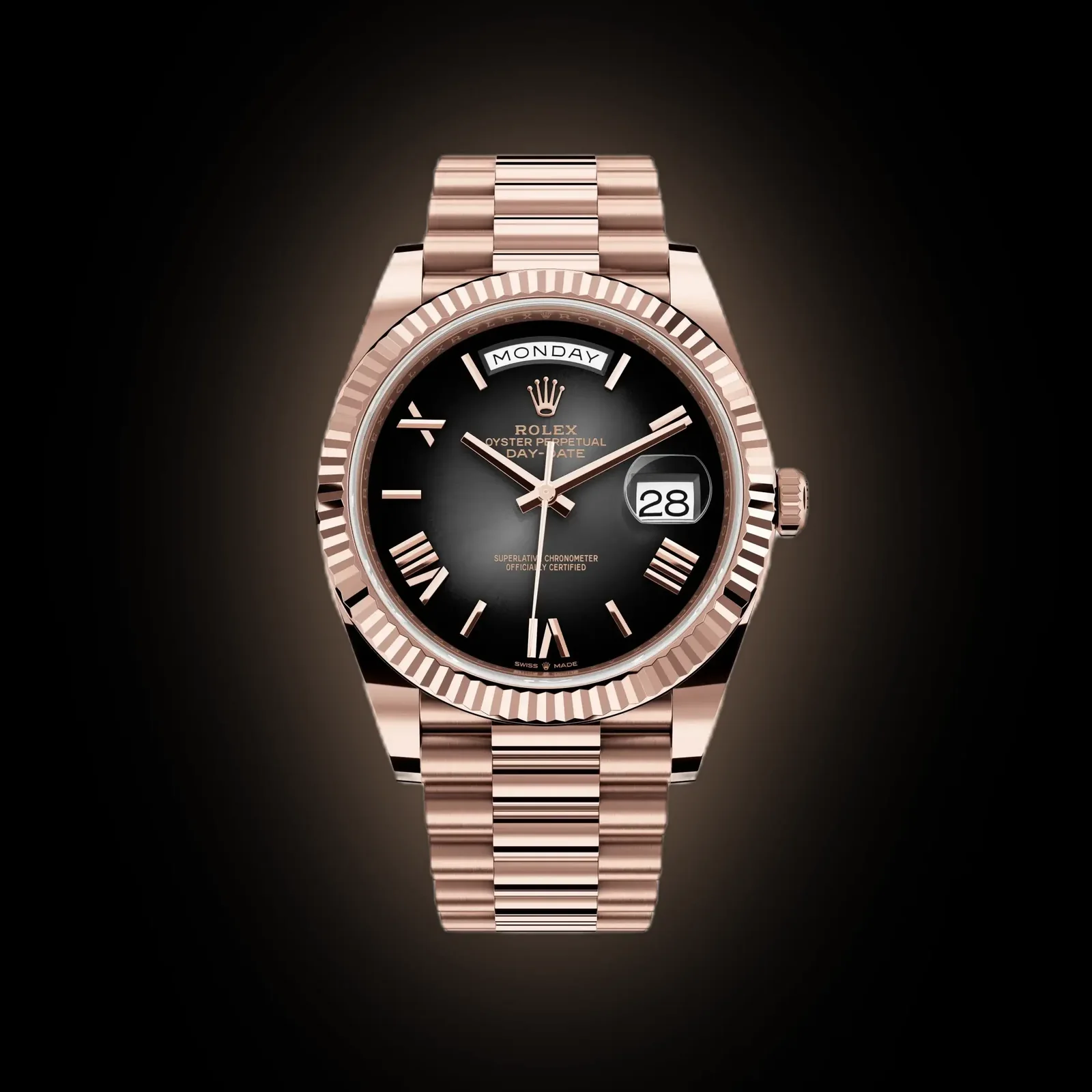
Contrary to some preconceptions, a rose-gold case is not fragile. It is more sensitive to scratches than steel, certainly, but it remains perfectly suited to everyday use.
Micro-scratches appear, the surface evolves, the material develops a patina. This is inevitable, and often even desirable. Occasional polishing can restore its shine, but it should be done sparingly. Each intervention removes a fine layer of metal.
In short, it is better to have a watch that wears its years well than a case that has been “refreshed” too often and whose lines have become tired.
Rose gold, between technique and emotion
To reduce a rose-gold case to a simple colour would be a mistake. It is a living, complex material that demands technical mastery at every stage, from the initial alloy to the final polish.
But it is also an aesthetic choice. Rose gold has that rare ability to catch the light without assaulting it, to be noticed without imposing itself. It guides the eye more than it provokes it. Personally, I find it has a more “luxurious” quality precisely because of its discretion.