Why Military Watches Don’t Have a Date Display
An Absence That’s No Accident
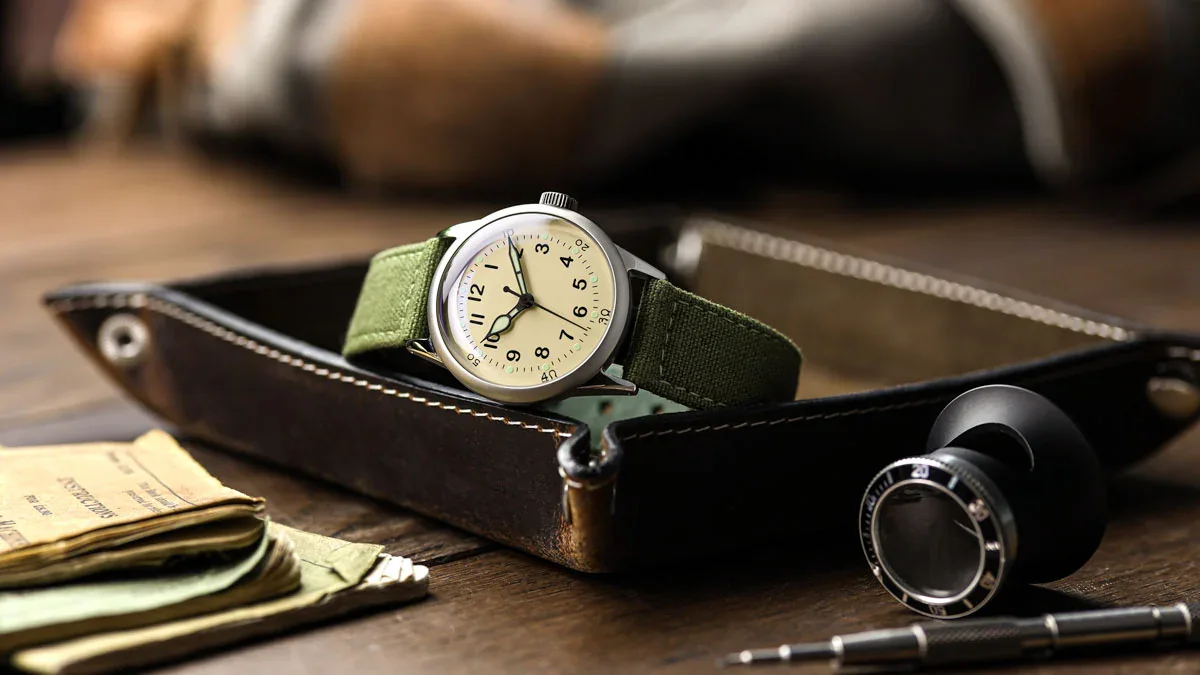
At first glance, the absence of a date on a military watch can seem surprising. After all, in civilian life, knowing the day of the month is second nature. Yet in the military world, this otherwise common feature becomes almost suspect. Too fragile, too unnecessary—sometimes even a liability in certain situations.
The issue goes far beyond design. It touches on the very function of a timepiece, its relationship to the field, and a philosophy in which every element must justify its presence.
Absolute Priority: Legibility
In the field, a military watch is not an accessory—it’s an instrument. And like any instrument, it follows a simple rule: information must be read instantly.
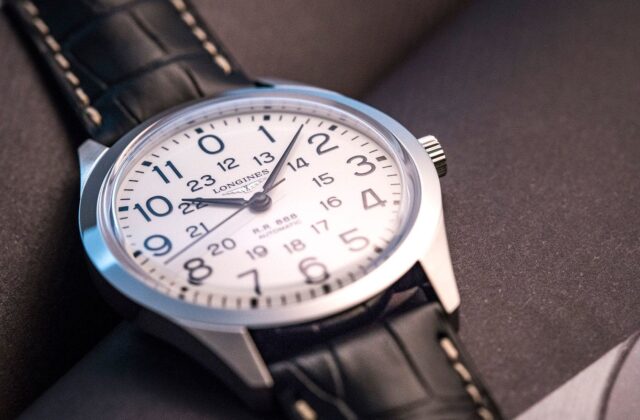
Adding a date introduces secondary information that distracts the eye. Worse still, it requires a window—often at 3 o’clock—that disrupts the dial’s symmetry and encroaches on the hour markers. The result is less immediate time reading, precisely what military specifications aim to avoid.
Take the Rolex Submariner “No Date,” reference 124060, prized by aficionados for its purity.
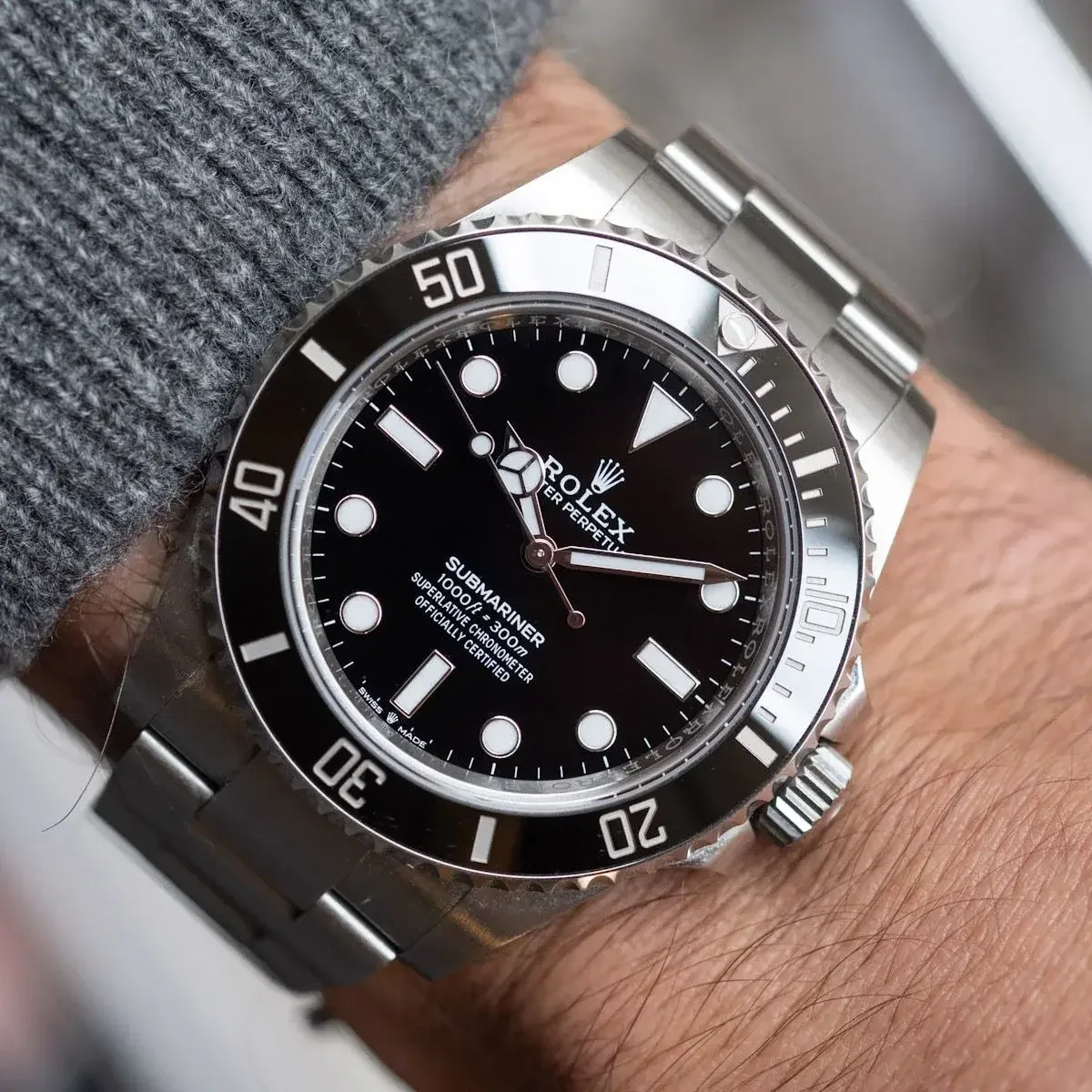
Case: 41 mm Oystersteel
Movement: automatic calibre 3230
Power reserve: 70 hours
Water resistance: 300 m
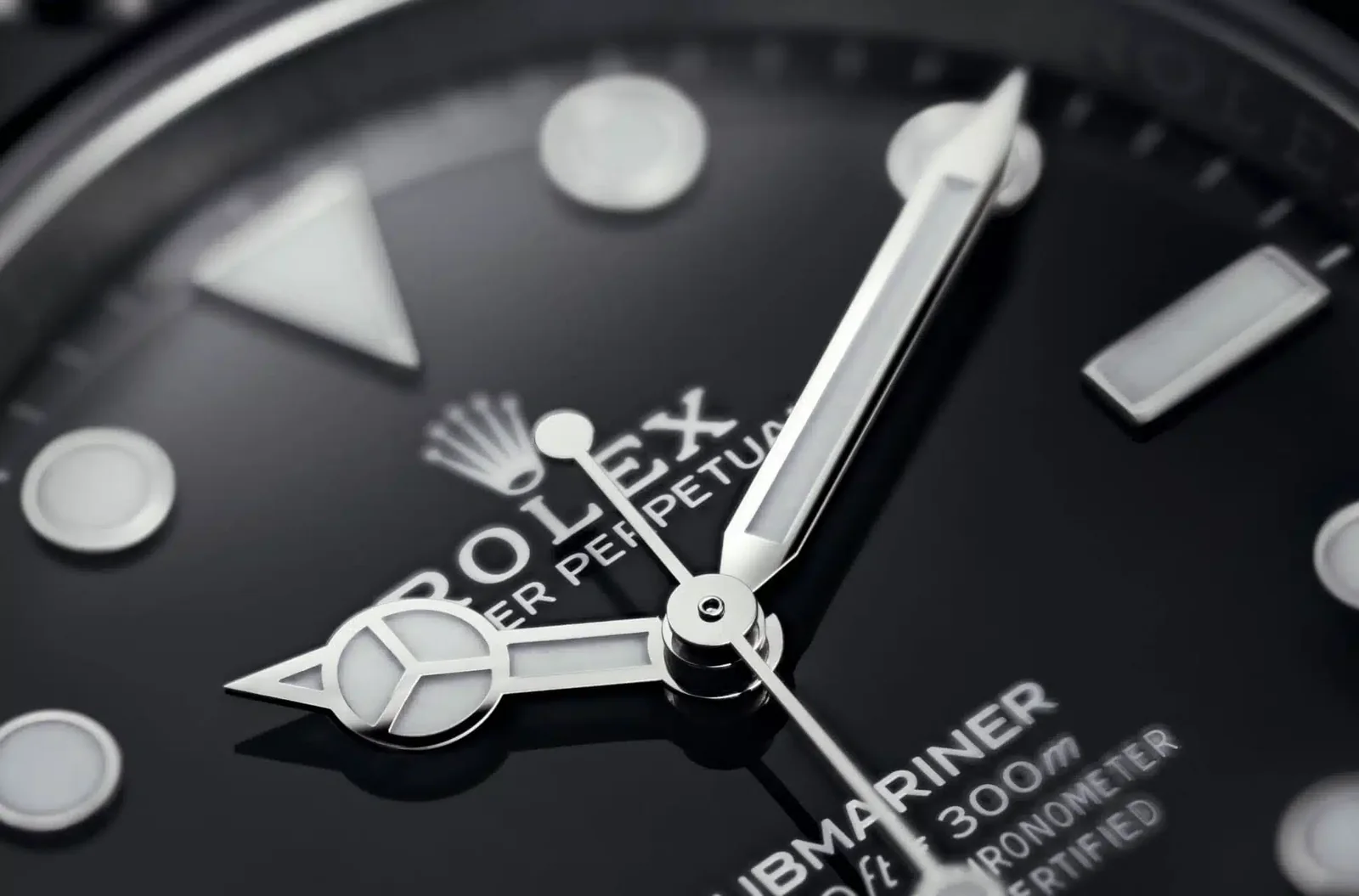
Its dial is a model of clarity. Nothing interferes with readability. And in an operational setting, that simplicity becomes a cardinal virtue.
Fewer Complications, Greater Reliability
A date is a complication. A modest one, certainly, but a complication nonetheless. And every complication is a potential point of failure.
In hostile environments—sand, humidity, shocks, temperature swings—mechanical robustness takes precedence over user comfort. The date mechanism involves additional wheels, midnight jumps, and frequent adjustments. All of these are components that can wear out or fall out of adjustment.
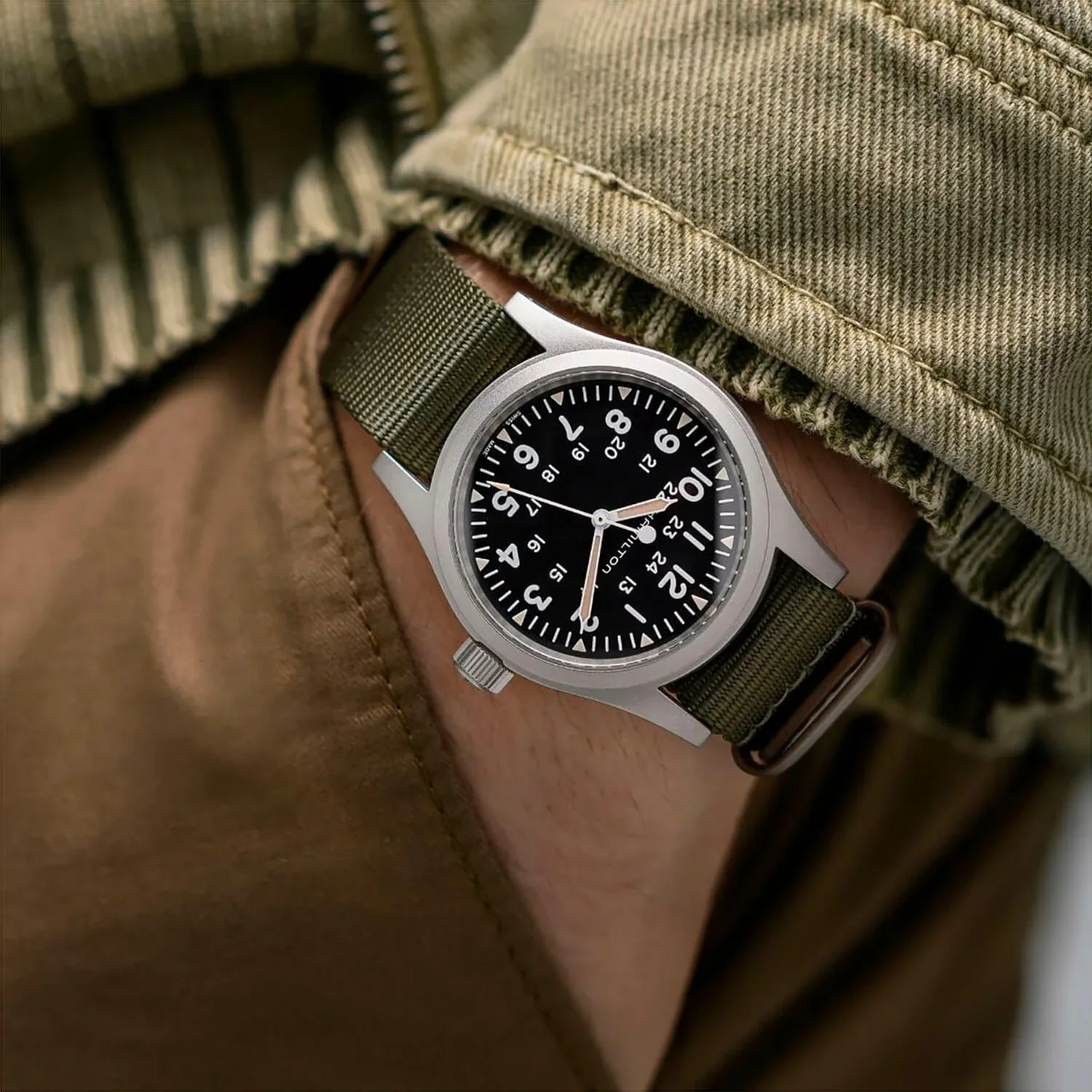
Military specifications, such as the famous American MIL-W-46374 standard—which gave rise to watches like the Hamilton Khaki Field—emphasize durability and ease of maintenance. The date simply isn’t a priority.
A Watch That Ignores the Calendar
In a military context, time is measured differently. Hours, minutes, and sometimes seconds are essential for synchronizing operations. The day of the month, however, carries little importance in the moment.
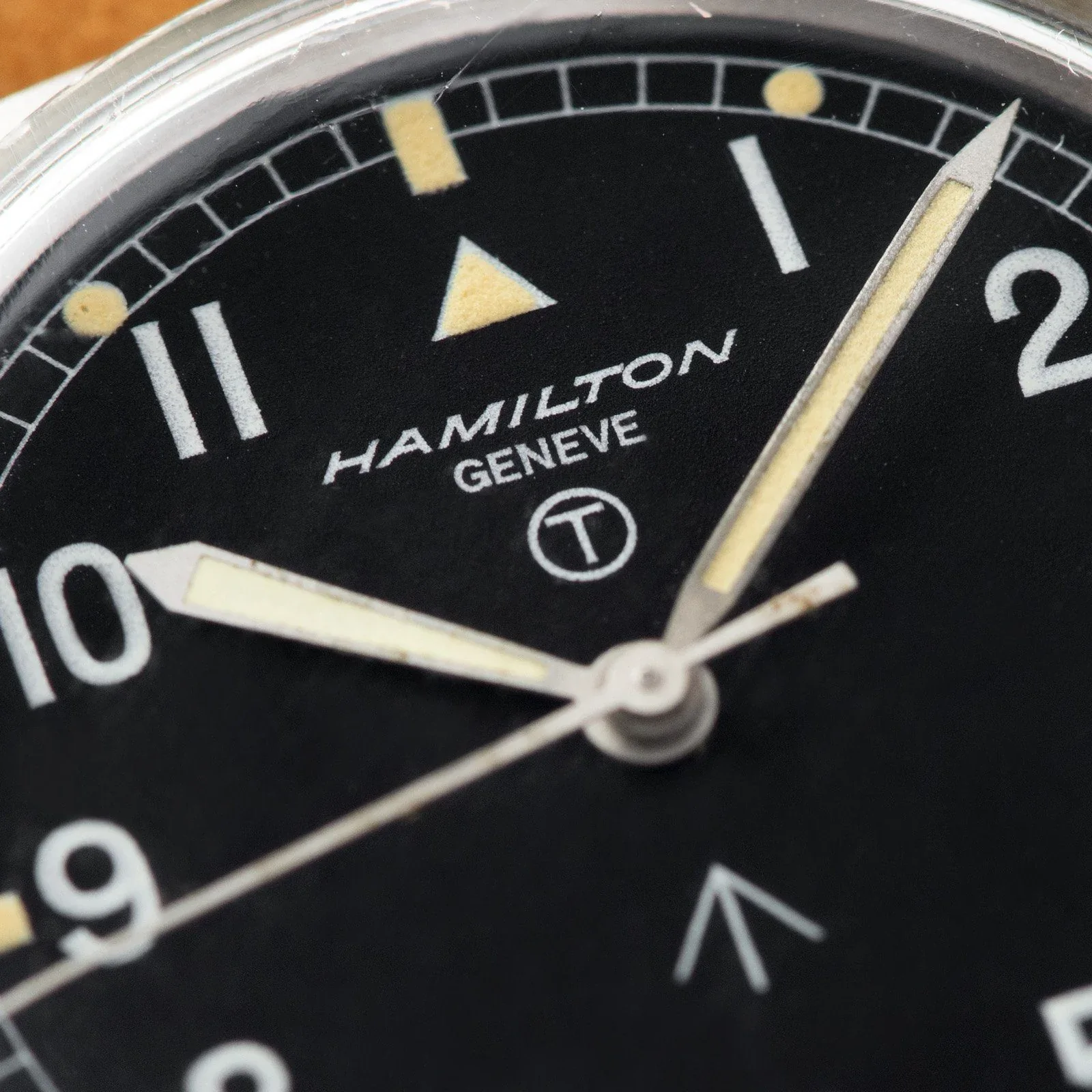
A mission is planned in relative time—“H+2,” “H-15,” or in operational cycles. The calendar comes into play during planning or debriefing phases, rarely in the heat of action.
In this context, the presence of a date is almost a civilian habit projected onto a tool that has no need for it.
Setting the Date: A Real Problem in the Field
A watch with a date requires regular corrections. Months are not all the same length, not to mention leap years. The result: the crown must be handled. It may seem trivial, but it isn’t.
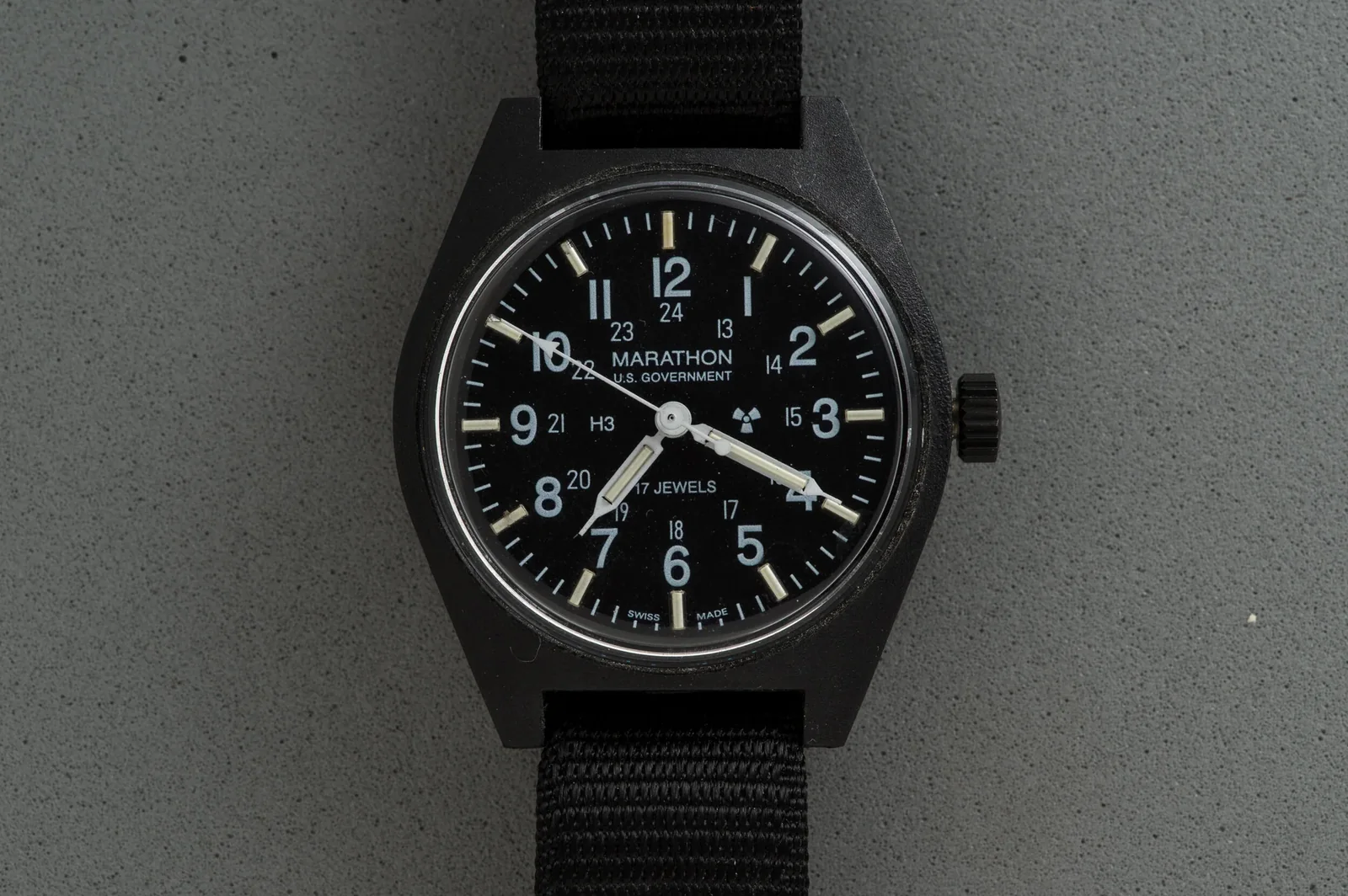
Unscrewing the crown, pulling the stem, adjusting the date—all of this exposes the watch to moisture, dust, and even compromises water resistance if done incorrectly. In certain conditions, the act is simply unthinkable.
A watch without a date, by contrast, keeps running without intervention. It becomes a far more autonomous object, almost invisible in use.
Discretion and Visual Signature
A rarely mentioned detail: the date disc can betray a visual signature. The shape of the window, the color of the disc—sometimes misaligned or overly contrasting—draws attention.
Yet a military watch must remain discreet. No reflections, no superfluous elements. The dial is typically matte, the indexes luminous yet non-reflective, and symmetry contributes to this form of visual camouflage.
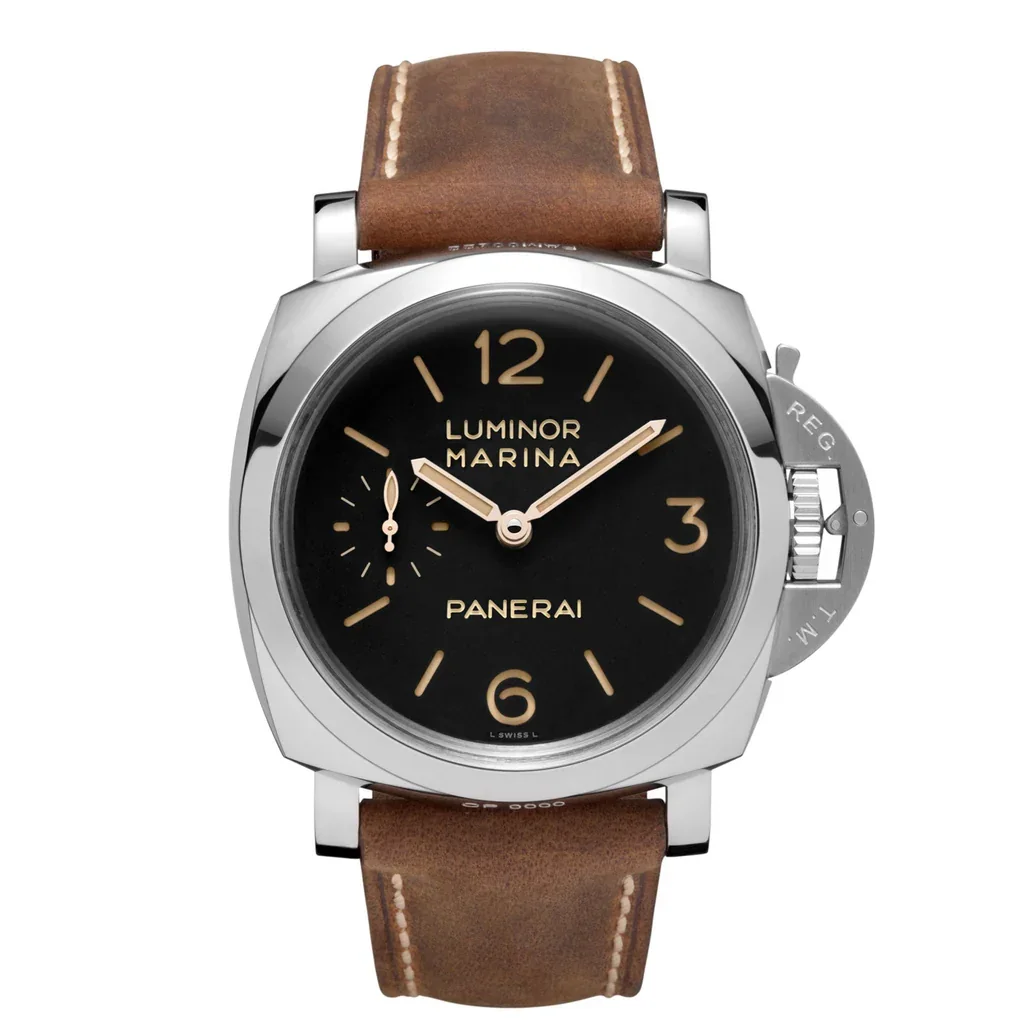
Certain historic British military watches, notably those from the “Dirty Dozen” program during the Second World War, illustrate this approach perfectly. Black dials, simple Arabic numerals, highly legible hands, no date—just the essentials.
Exceptions Exist—And They’re Telling
Of course, some military watches do include a date. Contemporary military divers, or certain specialized units, sometimes use models derived from civilian watches.
The Marathon GSAR (Government Search and Rescue), for example, is a good case in point:
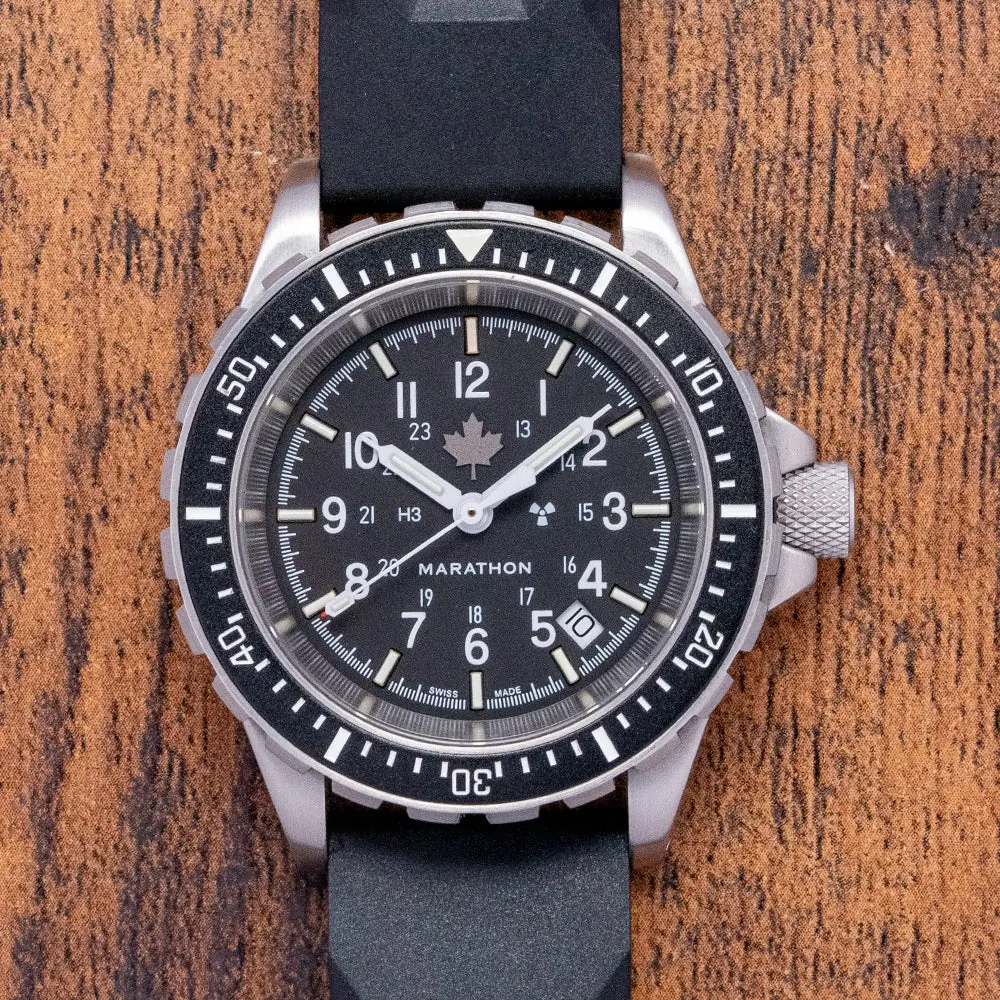
Case: 41 mm steel
Movement: automatic ETA 2824
Water resistance: 300 m
Notable feature: tritium tubes for nighttime legibility
It does have a date, but its use is more hybrid—straddling military fieldwork and rescue missions, where logistical and administrative considerations carry more weight.
Another example is certain Tudor Pelagos models issued to specific units. But again, these are often modern adaptations, where the watch edges closer to civilian use.
The Influence on Civilian Watches Today
This rejection of the date has, paradoxically, fueled a contemporary trend. Collectors today seek out “no date” dials for their aesthetic balance and fidelity to the original spirit.
Rolex, Tudor, Omega—all offer no-date versions of their flagship models, often praised for their purity. What was once a military constraint has become a deliberate aesthetic choice.
And it must be said: a dial without a date simply breathes better. It imposes a kind of visual discipline—a watch refocused on its primary mission: telling the time, without distraction.
A Philosophy More Than a Constraint
To say that military watches don’t have a date isn’t entirely accurate. But understanding why they most often do without one is to enter a mindset where every element must be justified.
Legibility comes first. Robustness is non-negotiable. Simplicity becomes strength. In this context, the date appears as a luxury—or worse, an unnecessary compromise.