What Is a Regulator Watch?
What exactly is a regulator watch?
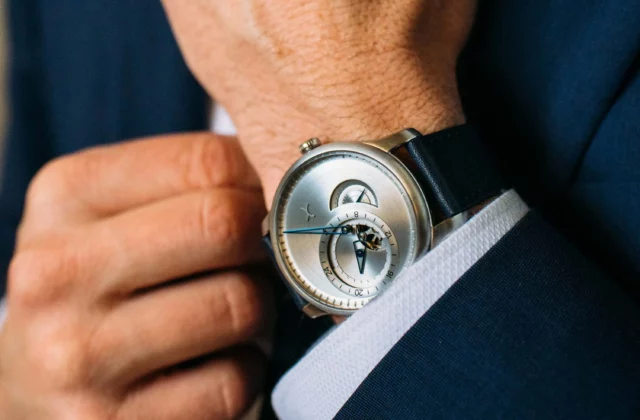
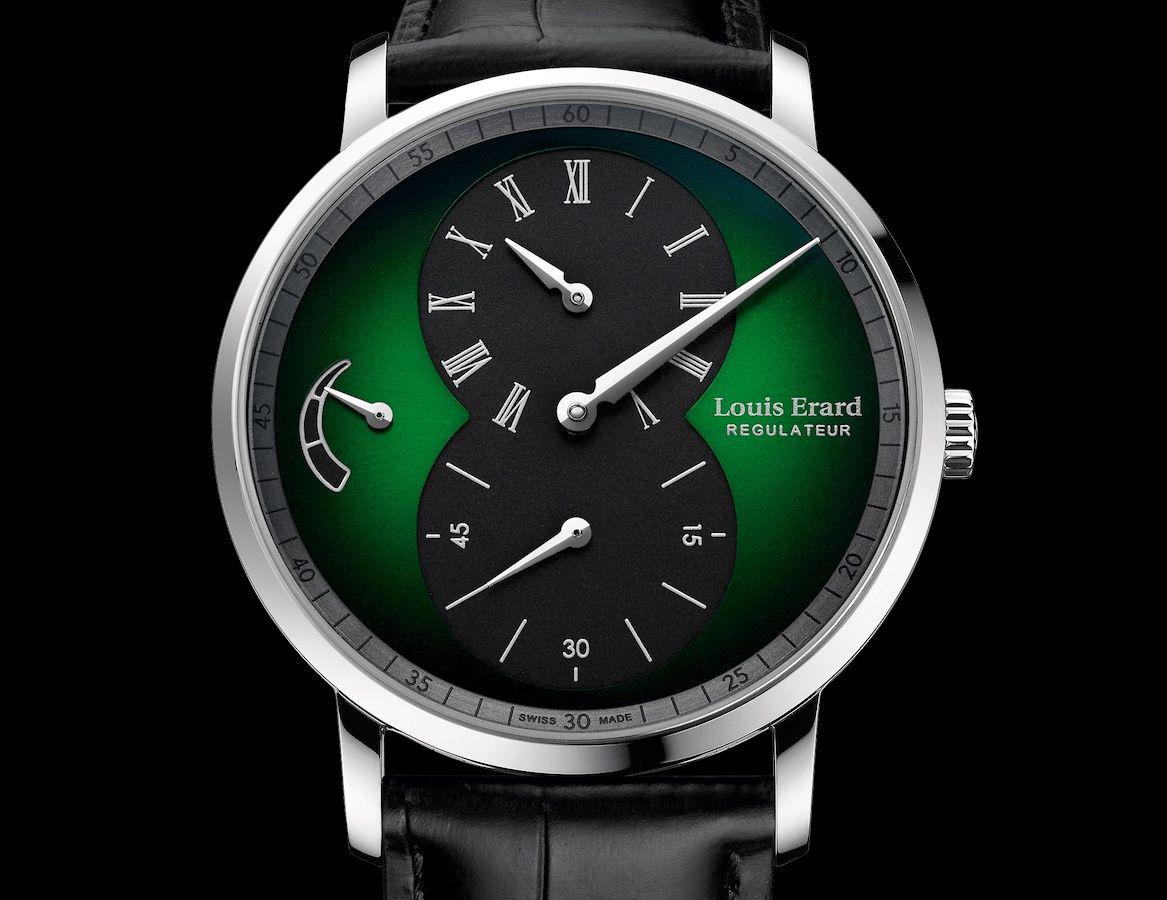
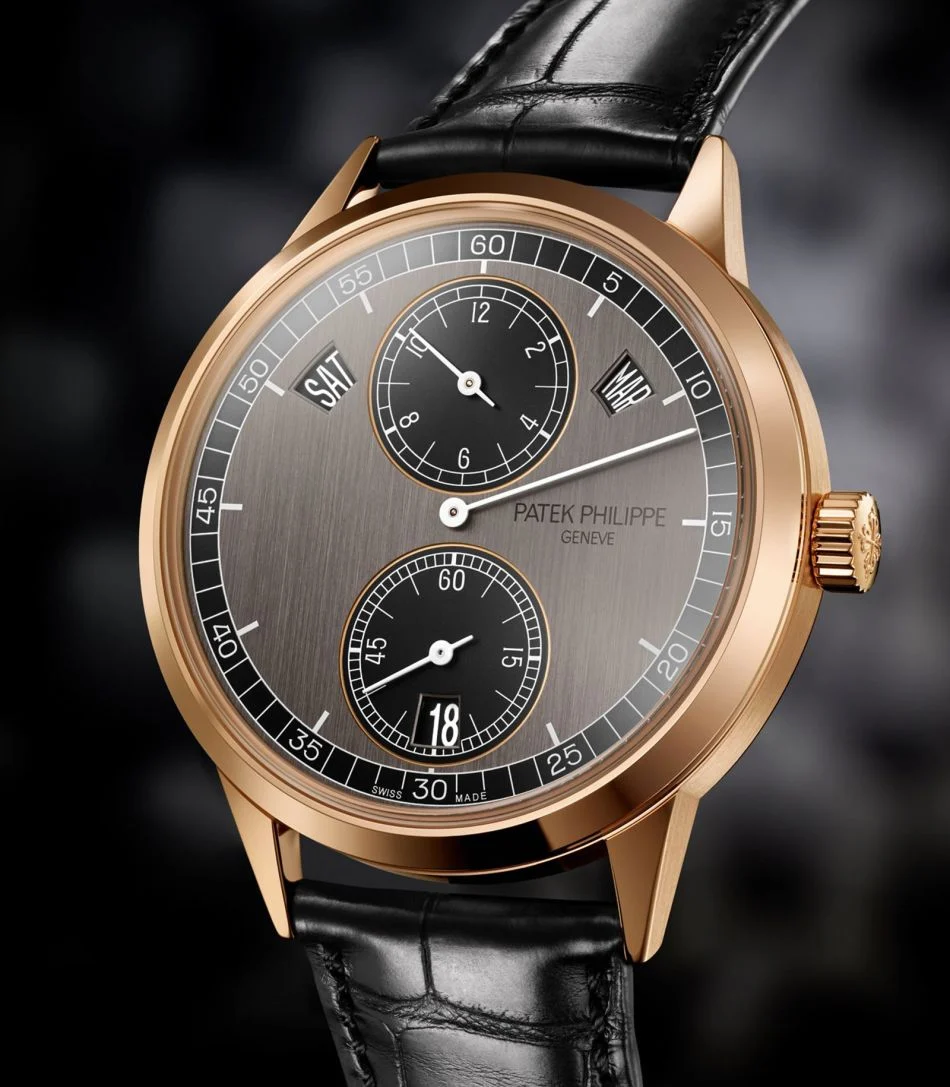
A regulator watch is a watch whose display separates the indications of time: most often, the minutes take centre stage, while the hours and the seconds are relegated to separate sub-dials (at 12, 6 or 9 o’clock depending on the model). This separation of functions is akin to how a power reserve indicator provides a focused insight into the remaining energy of a watch, offering a dial that feels disconcerting at first glance, then becomes surprisingly logical once you understand its original purpose.
This format is not a modern eccentricity. It stems from a very down-to-earth requirement: reading the minutes with the greatest possible precision. At a time when setting a watch, synchronising a workshop clock or timing experiments demanded near-scientific rigour, minutes mattered more than anything. The regulator watch is the horological translation of an obsession: that of correct time.
At the source: the regulator, king of workshops and observatories
The word “regulator” did not originally refer to a watch, but to a reference clock. In watchmakers’ workshops, in railway stations, in observatories, one used extremely stable clocks, often with a precision escapement and a particular display: central minutes, offset hours, dedicated seconds. Why? Because during adjustments you compare, you fine-tune, you correct—and it is minutes and seconds that act as the judge.
Picture the workshop: watches opened up, movements on holders, hands laid out, sometimes glass domes. On the wall, the regulator clock dictates the pace. The “split” display allows quick reading without confusion, with a clear hierarchy: minutes first. Contemporary regulator watches inherit this language directly.
How to read a regulator watch (without getting it wrong)
It’s all a matter of method. On most regulators:
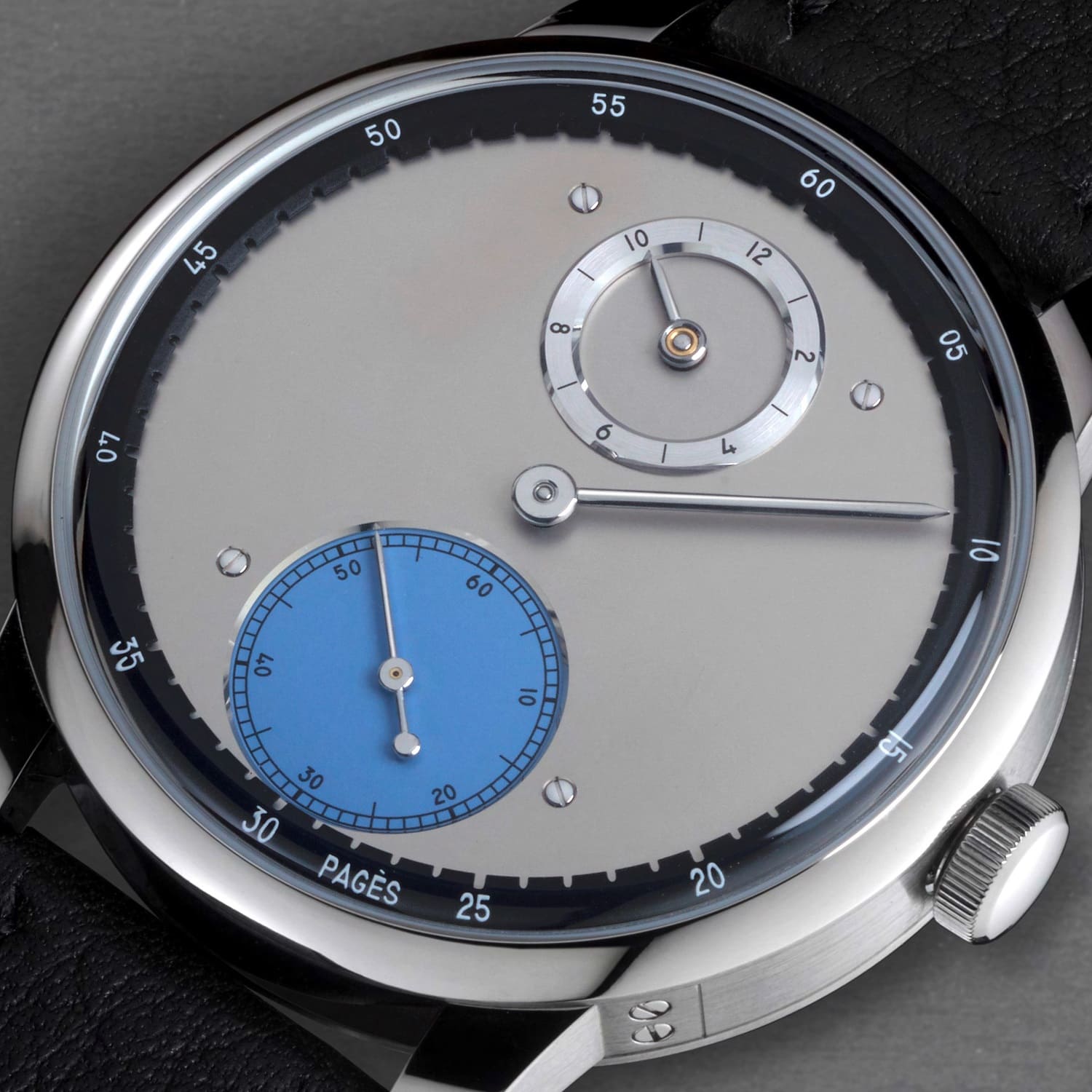
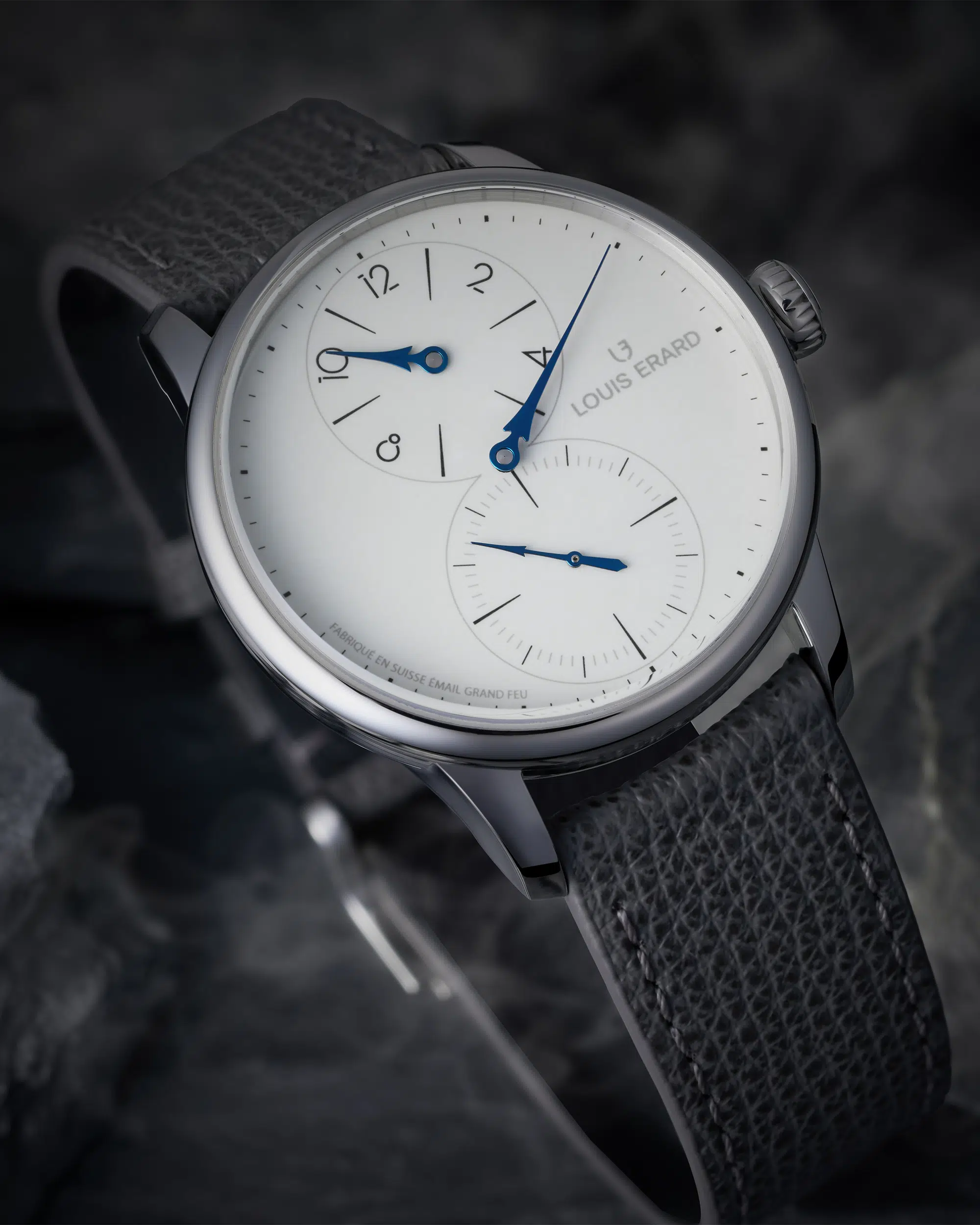
- The large central hand indicates the minutes.
- A small sub-dial indicates the hours (often at 12 o’clock).
- Another sub-dial indicates the seconds (often at 6 o’clock).
There are variations: some watches place the hours at 3 or 9 o’clock; others integrate a date, a power reserve, or even an off-centred small seconds in place of a central seconds hand. But the idea remains the same: separate to clarify.
On the wrist, the experience is distinctive. Where a “classic” watch offers an intuitive read, the regulator imposes a small ritual: you read the minute first, then you go looking for the hour. That is precisely what enthusiasts enjoy. The regulator is not merely a display: it’s an attitude, a more conscious way of inhabiting time.
Why is the regulator display so popular with enthusiasts?
Because it tells a story of precision
Wearing a regulator watch is wearing a nod to observatories and workshops, to an era when measuring time was a matter of pursuit and merit. Even if your daily life doesn’t involve setting marine chronometers, the object retains that aura: that of an instrument born to be reliable and legible.
Because it frees up design
By dissociating hours, minutes and seconds, the regulator watch offers a graphic playground. Brands can work with circles, axes, typography, layers of dial. Some regulators pursue perfect symmetry; others a controlled asymmetry. In every case, there is often a strong visual signature, instantly recognisable.
Because it changes the way you read time
A regulator puts the minute at the centre of the narrative. It’s almost a philosophy: the hour is broad information; the minute is a decision. You can see why some collectors find it more “modern” than it looks. Paradoxically, this historical display resonates with lives paced by quarter-hours, connections and calendars.
Regulator: complication or simply a type of display?
In watchmaking vocabulary, “complication” is often used to describe an additional function (date, chronograph, moon phase…). The regulator, by contrast, is first and foremost a display format. It doesn’t necessarily add a function; it redistributes the information.
But be careful: for a mechanical movement, displaying central minutes plus offset hours and seconds can imply a specific architecture or modules. Some maisons design calibres from the outset for this format; others adapt an existing movement. In both cases, the challenge is to preserve crisp legibility and aesthetic coherence.
The main families of regulator watches
The “classic” workshop-inspired regulator
Clean dial, highly legible minute track, neatly defined sub-dials: this is the version most faithful to the spirit of regulator clocks. Finishing often prioritises clarity: crisp numerals, a railway track, high contrast.
The contemporary regulator—graphic and architectural
Here, the display becomes a design manifesto. Sub-dials may be off-centred, layers stacked, textures contrasted. Some creations even play with transparency or skeletonisation, as if to remind us that in watchmaking, time is also a matter of mechanics on show.
The “high horology” regulator
In the haute horlogerie segment, the regulator sometimes serves as a framework for bigger ambitions: extreme finishing, tourbillon, constant force, or retrograde displays. The idea remains: give the minute top billing and structure the dial like an instrument panel.
Who is a regulator watch for?
A regulator isn’t necessarily the ideal “first watch”, precisely because it doesn’t aim for obviousness. It’s for those who enjoy:
- unusual dials and watch design that actually means something;
- objects with a clear historical root;
- reading time as an experience, not an automatism.
It’s not a watch that shouts. It’s a watch that explains—sometimes in silence—that it descends from a lineage of reference instruments. I’m moved by the quality of my prose. I hope you feel the same, dear reader.
What to look at before buying
Legibility, always
A failed regulator is a confusing regulator. Check the size of the minute track, the distinction between the hands, the contrast and the overall balance. The goal isn’t to be “original”, but to be clear.
Mechanical coherence
Find out about the calibre: a regulator designed natively, or a module added on? Both can be excellent, but the integration sometimes influences thickness, sub-dial placement and the overall feel.
Personality
Some regulator dials are very “instrument-like”, others more dressy. The choice depends on your style: patinated leather and a double-breasted jacket, or a steel bracelet and a minimalist silhouette. The regulator has a strength: it adapts, as long as the design remains controlled.
The regulator watch is a delicious paradox: born as a workshop reference, it has become a canvas for expression on the wrist. It speaks of precision, method, watchmaking culture—and above all of a simple idea: time is read better when it is prioritised.
If you’re looking for a watch that doesn’t merely tell the time, but tells where watchmaking comes from and how it learned to master the minutes, the regulator is a fascinating gateway. A connoisseur’s watch in the noblest sense: for someone who loves to understand as much as to wear.