What Is a “Railroad” Watch and What Is This Scale Used For?


A scale born from the need for precision, not an aesthetic whim
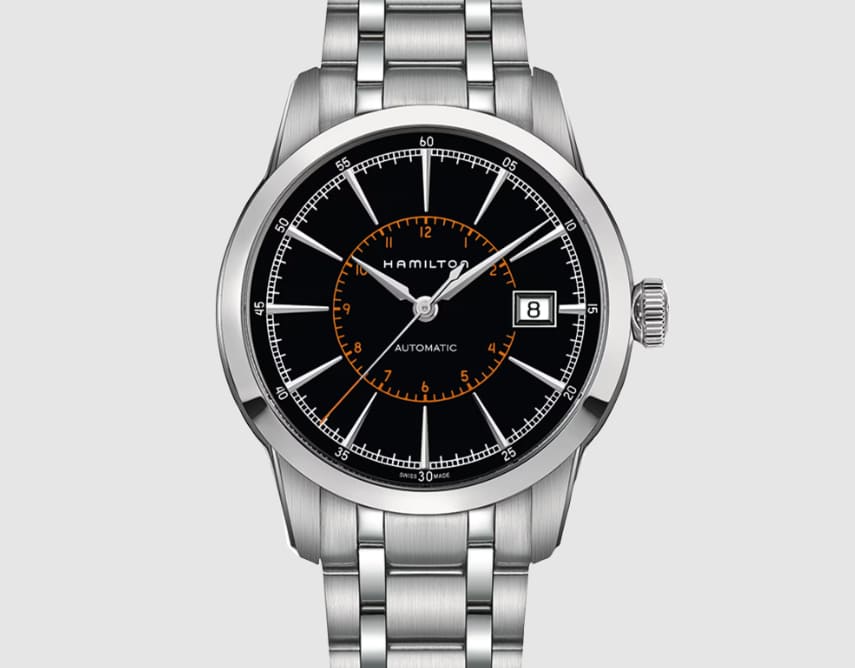
In watchmaking vocabulary, the term “railroad” (or “chemin de fer” in French) refers to a minute track placed around the outer edge of the dial, made up of a double line with small, regular segments—like sleepers along a set of rails. You can spot it at a glance on neo-vintage-looking watches, on certain old-school dress pieces, and above all on watches that claim an “instrument” kind of legibility. This concern for precision and readability is also found on a chronograph, where every detail matters to ensure flawless time measurement.
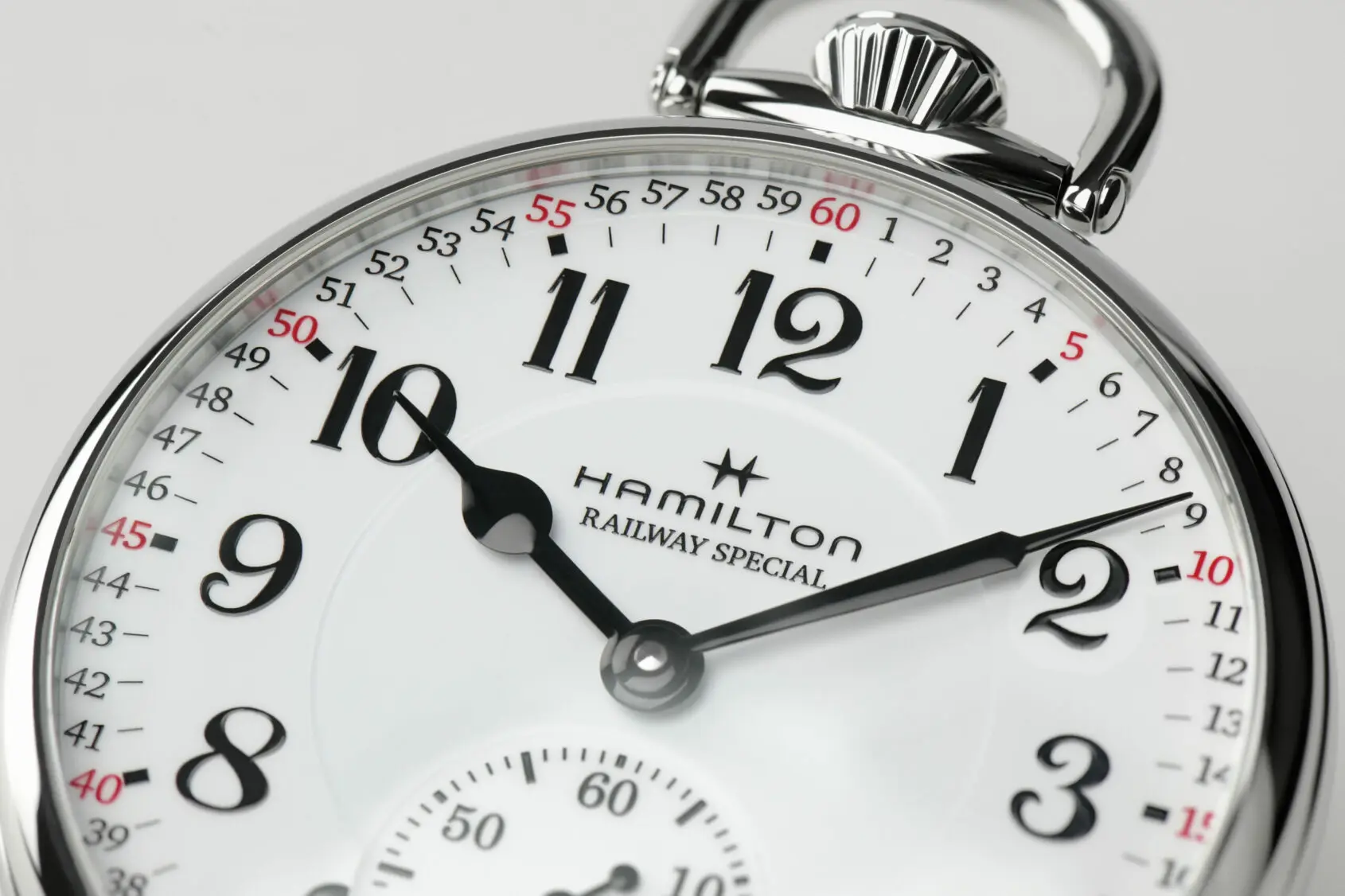
But the railroad track isn’t a decorative motif invented to flatter nostalgia. Its purpose is deeply utilitarian: to make reading the minutes (and sometimes the seconds) faster and more precise, by visually organising the dial’s periphery like a graduated ruler. It’s no coincidence that it appears and becomes popular at a time when the minute is no longer an approximation, but a commitment.
What exactly is a “railroad” track?
Technically, a railroad track is a “chemin de fer” minute scale: two concentric circles (or two parallel structures) frame a series of graduations. The minute markers are often shown with long and short strokes, sometimes grouped in fives, with numerals (05, 10, 15, etc.) or dots. The visual effect evokes a railway line: the two lines represent the rails, and the small transverse strokes, the sleepers.
The elements that define it
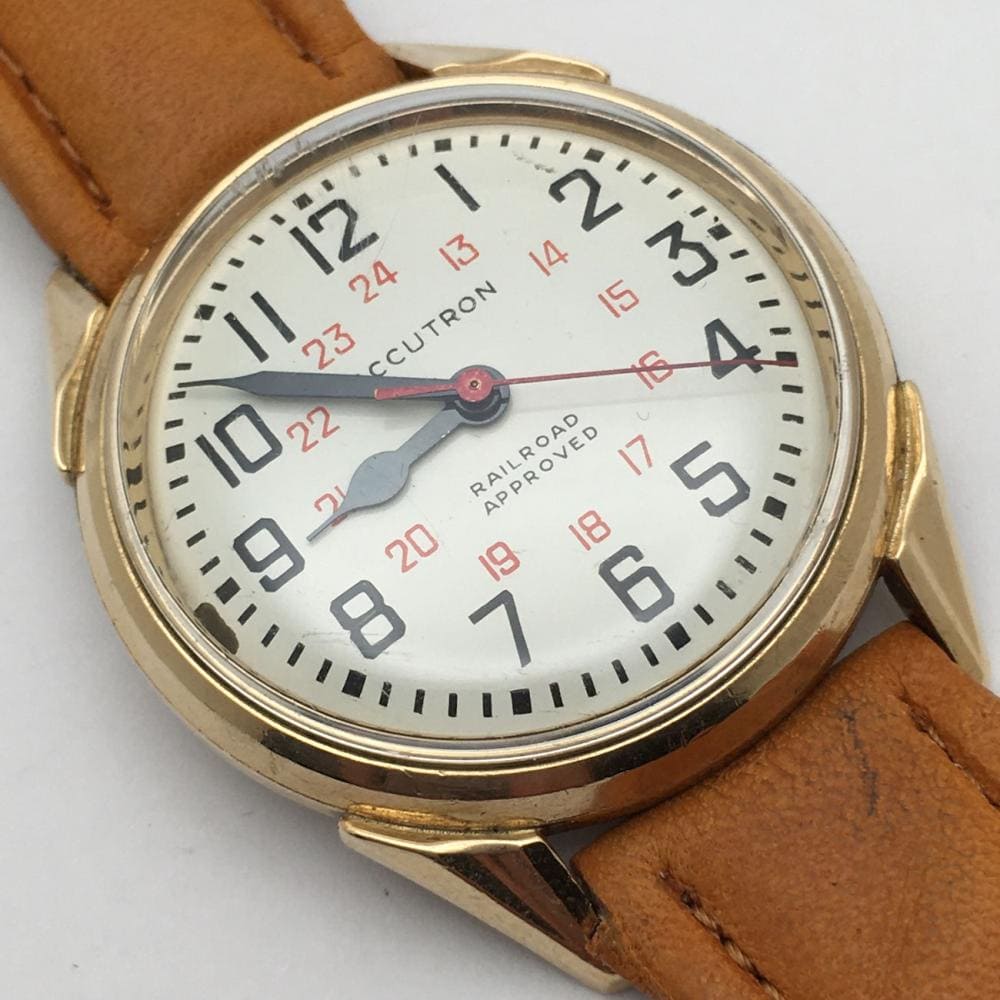
- A peripheral position: it sits at the very edge of the dial, where the tip of the minute hand can “land” with accuracy.
- A double line: two concentric lines frame the graduations, reinforcing the impression of a measuring tool.
- Regular markers: minute strokes, 5-minute markers, sometimes finer markings for seconds.
- A classic graphic language: restrained typography, symmetry, a very “scientific” hierarchy of reading.
What is it for, in practical terms?
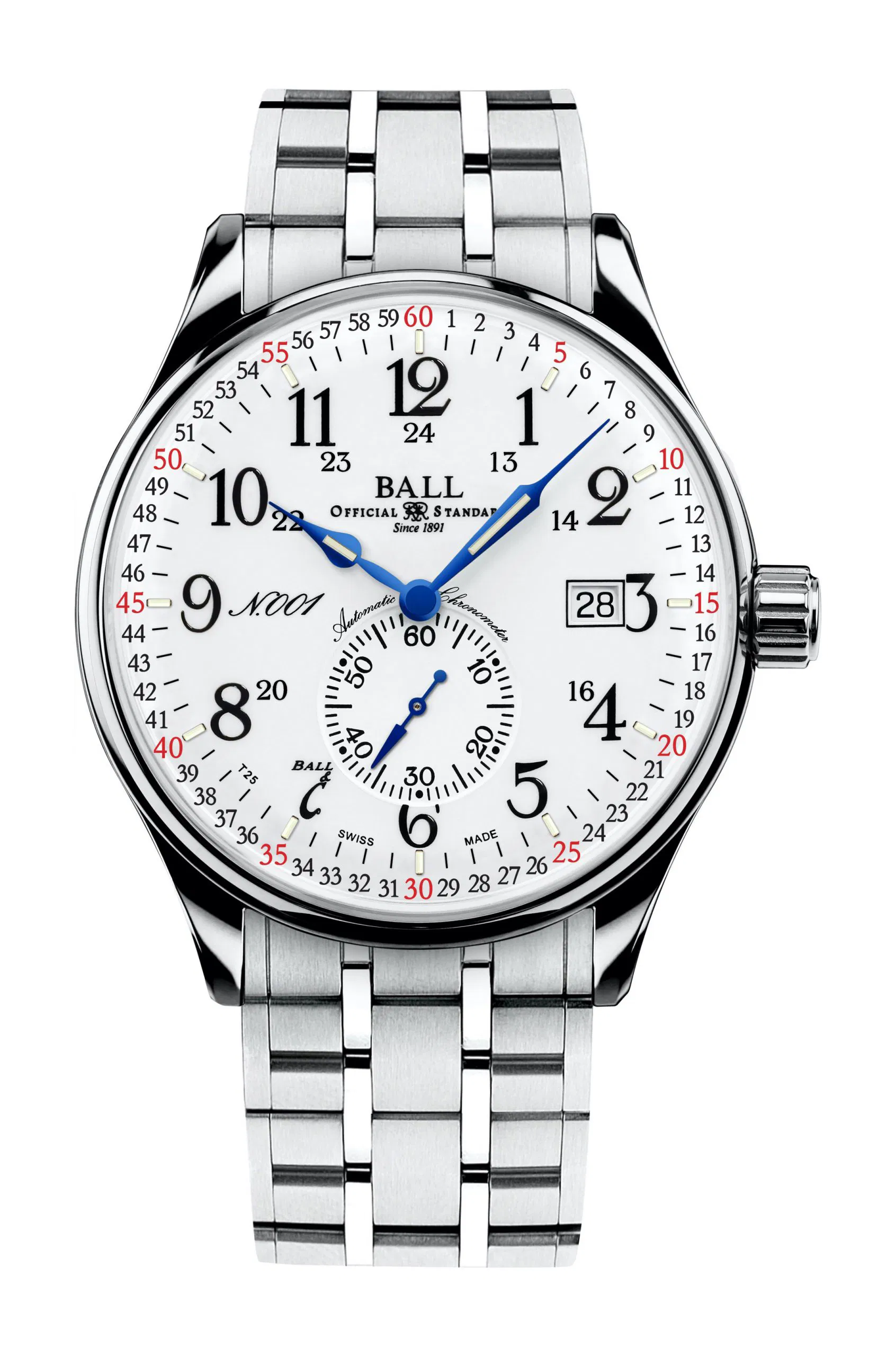
On a watch, everything is a matter of alignment: a minute hand has to point somewhere. Without a crisp minute track, it points… “more or less”. The railroad track turns that “more or less” into a precise, repeatable reading.
1) Reading minutes with intuitive precision
The first benefit is the simplest: you immediately know whether you’re at 12, 13 or 14 minutes. This precision becomes essential as soon as the dial features more widely spaced hour numerals, or when the aesthetic favours elegance over information density. The railroad track structures the periphery and gives the hand an exact landing point.
2) Improving legibility in real-world conditions
The double line and graduations act like a frame. They “stabilise” the reading: the eye follows the hand to the edge, then quickly finds the corresponding mark. On light, enamelled or silvered dials, this drawn periphery improves perceived contrast, even if everything remains monochrome.
3) Supporting synchronisation and time discipline
The railroad track carries an almost moral idea of time: keeping to the schedule. It’s associated with an era when accuracy was no longer a luxury, but a collective necessity. Reading the minute precisely means being able to synchronise. And in certain historical contexts, it was also a matter of safety.
Why is it called “railroad”? A railway legacy… more cultural than marketing
The nickname “railroad” is often tied to the railway imagination and the rise of rail transport in the 19th and early 20th centuries. Networks expand, connections multiply, and time must be reliable, standardised, legible. In this culture of travel, you don’t “guess” the time: you measure it.
In horological memory—particularly in North America—the term is also associated with so-called “railroad watches”, pocket watches designed to meet strict requirements for accuracy and legibility. Even if the chemin de fer track exists in other European graphic traditions, its railway aura comes from there: meticulousness in the service of a world that is speeding up.
A dial detail that tells the story of the golden age of the minute track
If Roman numerals evoke hushed drawing rooms and wood panelling, the railroad track evokes the workbench: the place where you check, count, and adjust. It’s an engineer’s aesthetic, filtered through classic design. It’s that blend that makes it so appealing today.
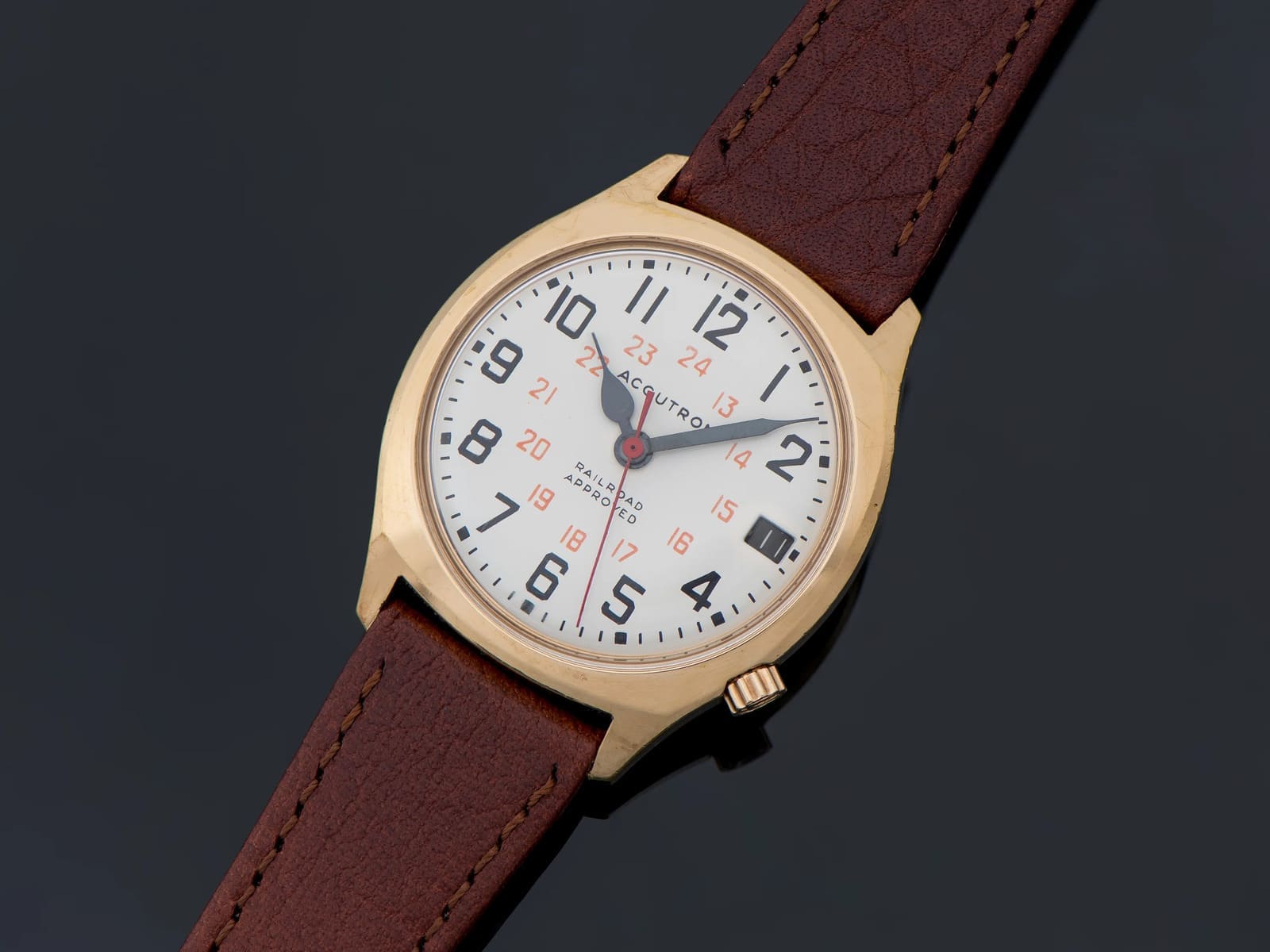
In the era of pocket watches, when the dial offered plenty of space, the peripheral minute track could become very explicit. On a modern wristwatch, the railroad track plays a similar role, but with a constraint: everything must remain legible on a much more compact diameter. The best executions are those that preserve the fineness of the strokes without tipping into visual noise.
On which watches is it most commonly found?
The railroad track isn’t the preserve of a single style, but it does have favourite territories.
Neo-classical dress watches
On an elegant three-hander, it adds an extra dose of graphic rigour. It works particularly well with lacquered, enamelled or “opaline” dials, when a brand wants to evoke tradition without multiplying complications.
“Railway” or “heritage” inspired watches
Many historical reissues and heritage models use it to anchor the watch instantly in a period. It’s a powerful visual shortcut: a well-drawn railroad track and you’re already thinking of old-school precision, dawn departures, printed timetables.
Chronographs and small-seconds watches
On a chronograph, a precise minute track is almost non-negotiable. The railroad track can coexist with a tachymeter or telemeter scale, but it then imposes a hierarchy: it must remain legible, otherwise it loses its function. On a small-seconds watch, it often complements a “doctor’s watch” or “workshop watch” spirit, where fine reading takes precedence.
Railroad, simple minute track, “sector dial”: don’t confuse them
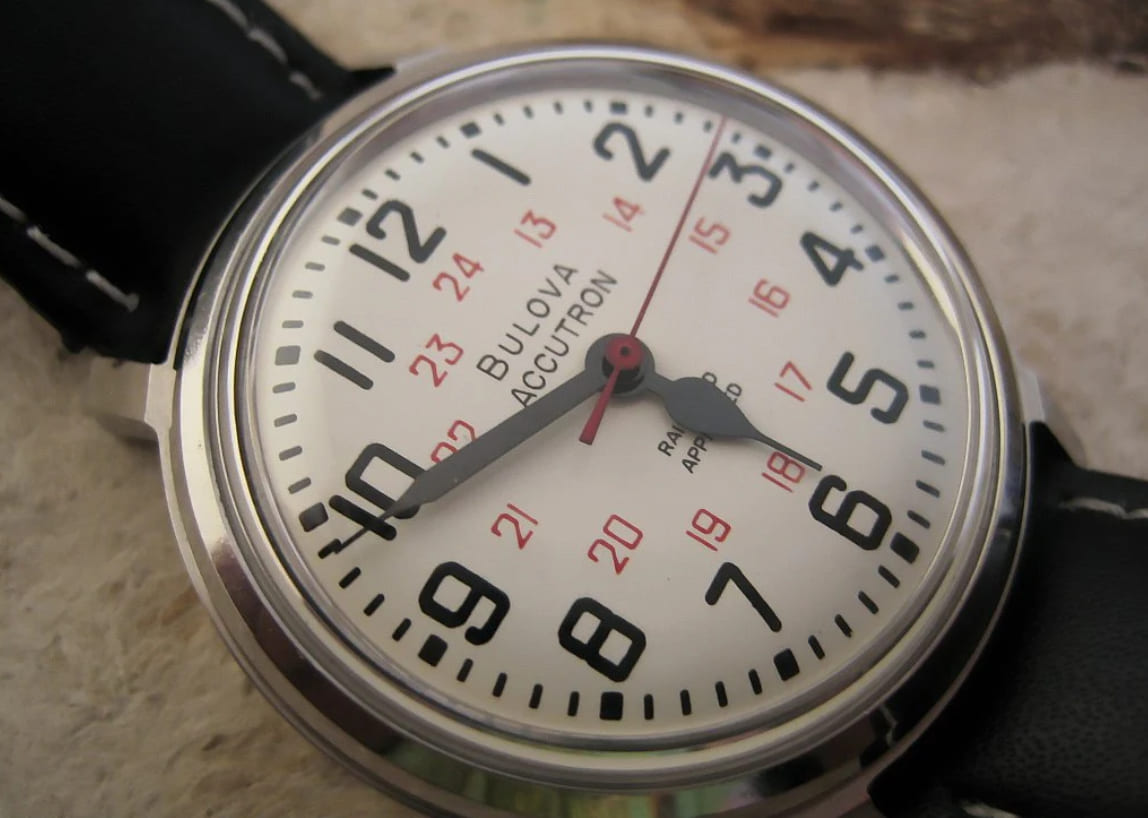
The railroad track is an outer-edge minute track. It can exist on its own, or be part of a more complex dial. And that’s where the confusion begins.
- Simple minute track: a single circle of graduations, often without a double line. Functional, but less “architectural”.
- Railroad track: double line + graduations, a “railway line” effect. It’s a graphic signature as well as a minute track.
- Sector dial: a sectorised dial with several zones (hours, minutes, sometimes seconds) separated by circles and segments. Many sector dials incorporate a railroad track for the minute scale, but it’s not systematic.
A particular relationship with time
Choosing a watch with a railroad track means choosing a watch that embraces precision as an aesthetic. It doesn’t shout “performance” like a modern tool watch, but it suggests a gentle discipline: that of readable exactitude, of keeping an appointment, of the train you don’t want to miss—even if today we’re more often chasing a calendar than running after a locomotive.
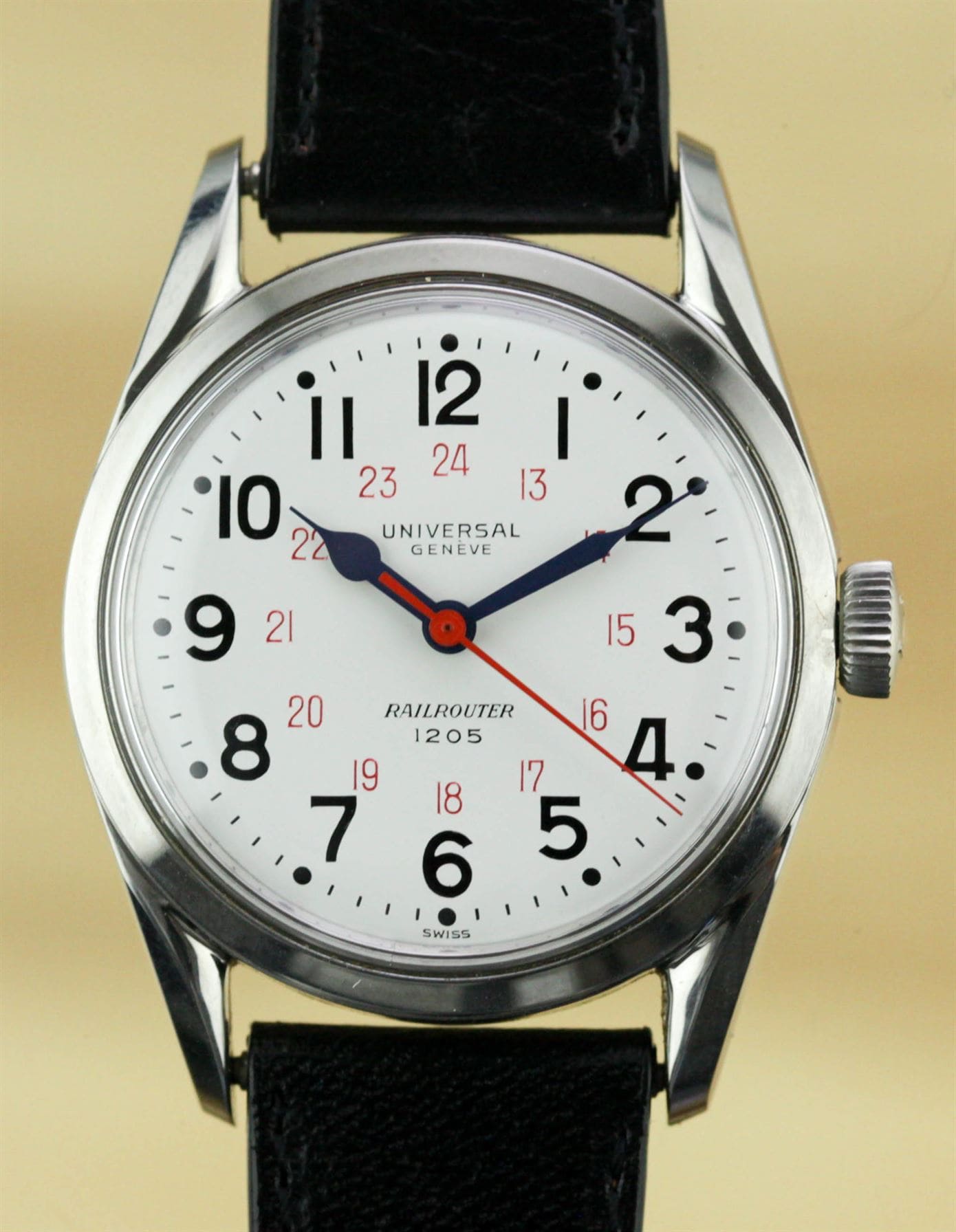
And that may be its most contemporary charm: in a world saturated with screens, the railroad track reminds us that a dial can be a measuring instrument… while still remaining an object of style. One line, two rails, a few sleepers: and suddenly, the minute becomes a tangible unit again.
Key takeaways before you dismiss it as a simple vintage motif
- A railroad track is a peripheral minute track with a double line that evokes a “railway line”.
- Its primary function is precise reading of the minutes (and sometimes seconds) through clear hand alignment.
- Its historical aura points to the era when synchronisation and punctuality became collective, notably with the railway.
- Its modern appeal is twofold: improved legibility and an added graphic soul, somewhere between instrument and elegance.