What Is an “In-House” (Manufacture) Movement?


The myth of “all in-house”
Two words are enough to electrify a conversation among enthusiasts: “in-house” (or “manufacture”). A technical and symbolic password that has become a blunt instrument at boutique counters and on forums alike. Yet behind the term’s aura, the reality is more nuanced, more industrial—and often more interesting—than the marketing promise. Because in watchmaking, the obsession with absolute self-sufficiency is a modern concept; for more than a century, Switzerland thrived thanks to the art of assembling expertise: établissage, where each village shaped one piece of the puzzle.
Defining “in-house” without the gloss
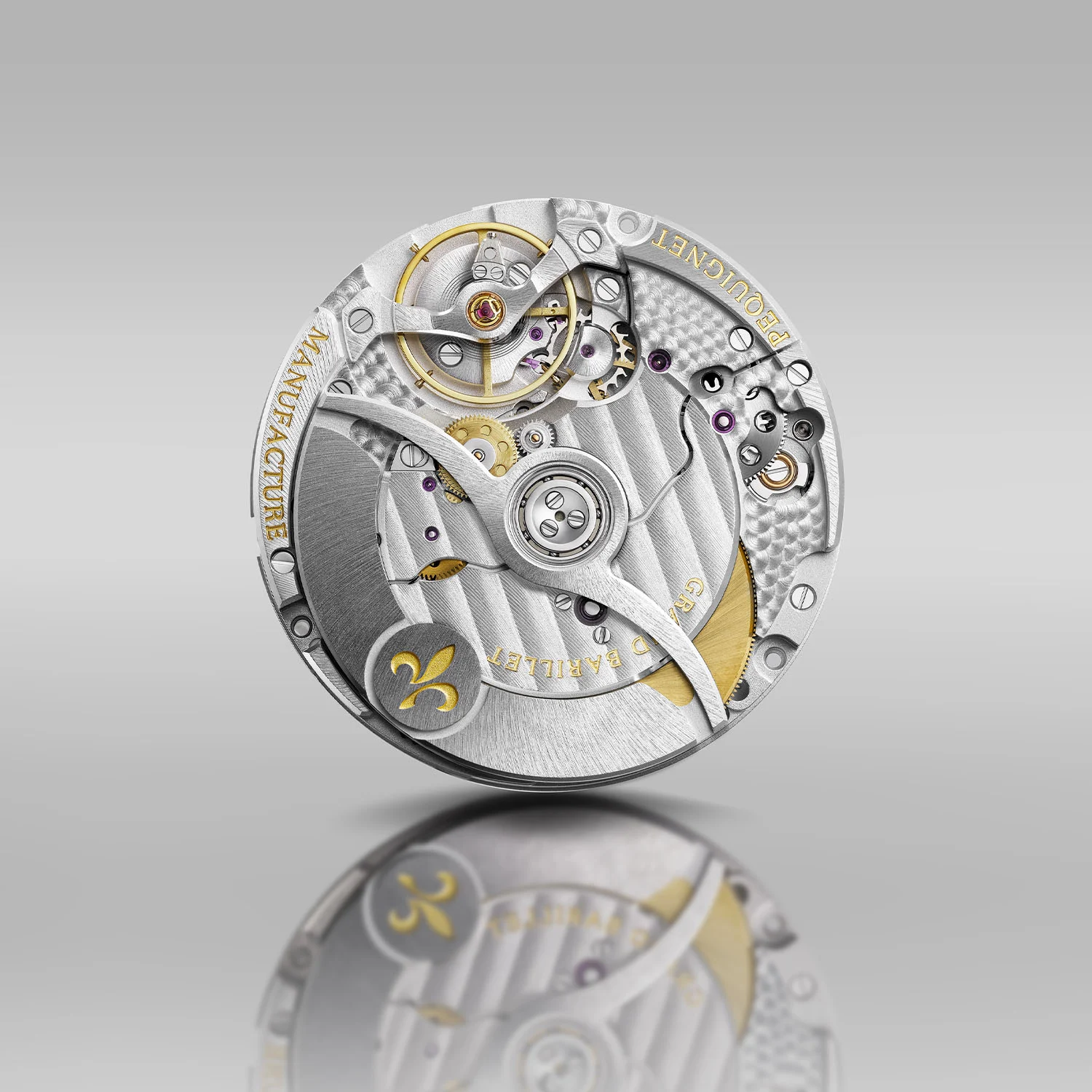
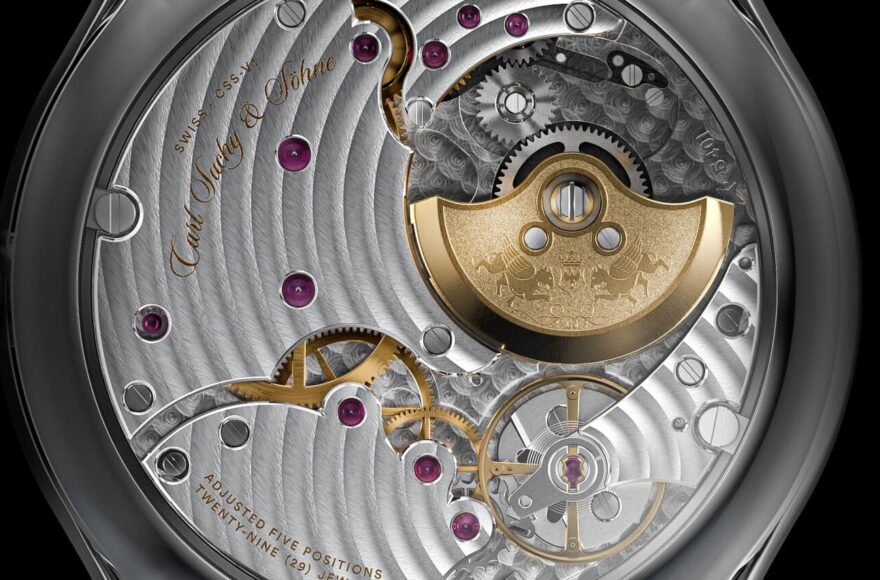
What is a “manufacture” movement, really? It’s a calibre conceived, developed, prototyped, industrialised and produced largely within the company that showcases it on its dial. The key word is “mastery”: mastery of the design, tolerances, processes, testing, the supply chain for critical components, and after-sales service.
“Largely” does not mean “everything, absolutely everything”. Even the most vertically integrated manufactures rely on specialists for certain parts (mainsprings, jewels, sometimes the hairspring or shock protection). Today’s expectations focus above all on the escapement, the hairspring, the mainplate/bridges, machining and assembly: if the brand controls these organs and their fine-tuning, the “in-house” label makes sense. Conversely, a customised rotor on a Sellita or ETA base is not enough.
The concrete criteria to look at
- Design: architecture, kinematics and dimensioning carried out in-house.
- Production: machining of mainplates/bridges, wheels and key organs in the brand’s workshops (or direct subsidiaries).
- Escapement and hairspring: ownership of the technology (silicon, alloys, geometries), not just assembly.
- Industrialisation: longevity testing, lubrication, repeatable tolerances, dedicated tooling.
- Certification and regulation: COSC, METAS, or clear, measurable in-house protocols.
- After-sales service: parts availability and long-term repairability under the brand’s control.
Ébauches, co-development and partners: the other route
Between total independence and simple casing-up lies a vast territory: high-quality ébauches and co-development. ETA and Sellita supply robust bases; Vaucher (Parmigiani), La Joux‑Perret (Citizen Group) and Kenissi (initiated by Tudor, partner to Chanel and Breitling) offer modern calibres, sometimes exclusive to a brand. These are then described as “exclusive” or “co-developed”: the brand contributes to the specification, sometimes to the engineering, and secures a version of its own—without owning the entire chain.
- Kenissi: high-inertia movements and full bridges supplied to Tudor, Chanel (12.1/12.2) and Breitling (B20).
- Vaucher: a slim, finely executed base for Hermès (H1837), Richard Mille and others.
- La Joux‑Perret: high-performing chronographs and automatics for demanding independents.
Is it less noble? Not necessarily. What matters is the quality of the engineering, production and control. Swiss watchmaking is an ecosystem; knowing how to orchestrate the best talents is part of excellence.
When “non in-house” rhymes with legend

History is full of icons built on external bases. The Rolex Daytona long beat to the rhythm of a modified Zenith El Primero. Patek Philippe produced mythical chronographs derived from Lemania. Audemars Piguet, Patek and Vacheron shared the sublime JLC 920 for ultra-thin legends. The label doesn’t dictate greatness; the result does.
What it changes on the wrist
- Accuracy and innovations: silicon hairsprings, anti-magnetism, optimised escapements, METAS certification or in-house protocols… a serious “in-house” is often distinguished by tangible advances.
- Reliability and service: controlling your calibre means guaranteeing parts and procedures for decades. But a strong partner (Kenissi, Vaucher) can offer the same peace of mind.
- Identity and finishing: a signature architecture, a sculpted column wheel, a lyre-shaped bridge… in-house makes it possible to anchor an aesthetic language.
- Value: the label can support price and resale—provided the movement proves its maturity. A “new” calibre needs time to earn its stripes.
Reading between the lines: the checklist
- “Base X with in-house finishing” ≠ in-house. It’s honest if it’s owned as such.
- “Exclusive movement” doesn’t imply internal manufacturing: ask who machines what.
- “Assembled in Switzerland” says nothing about design. Question the origin of the escapement/hairspring.
- Look for measurable data: amplitude, real-world power reserve, accuracy tolerances, certifications (COSC, METAS), magnetic resistance.
- Transparency: exploded views, workshop photos, patents and technical documentation are good signals.
Manufacture, group, independence: the grey areas
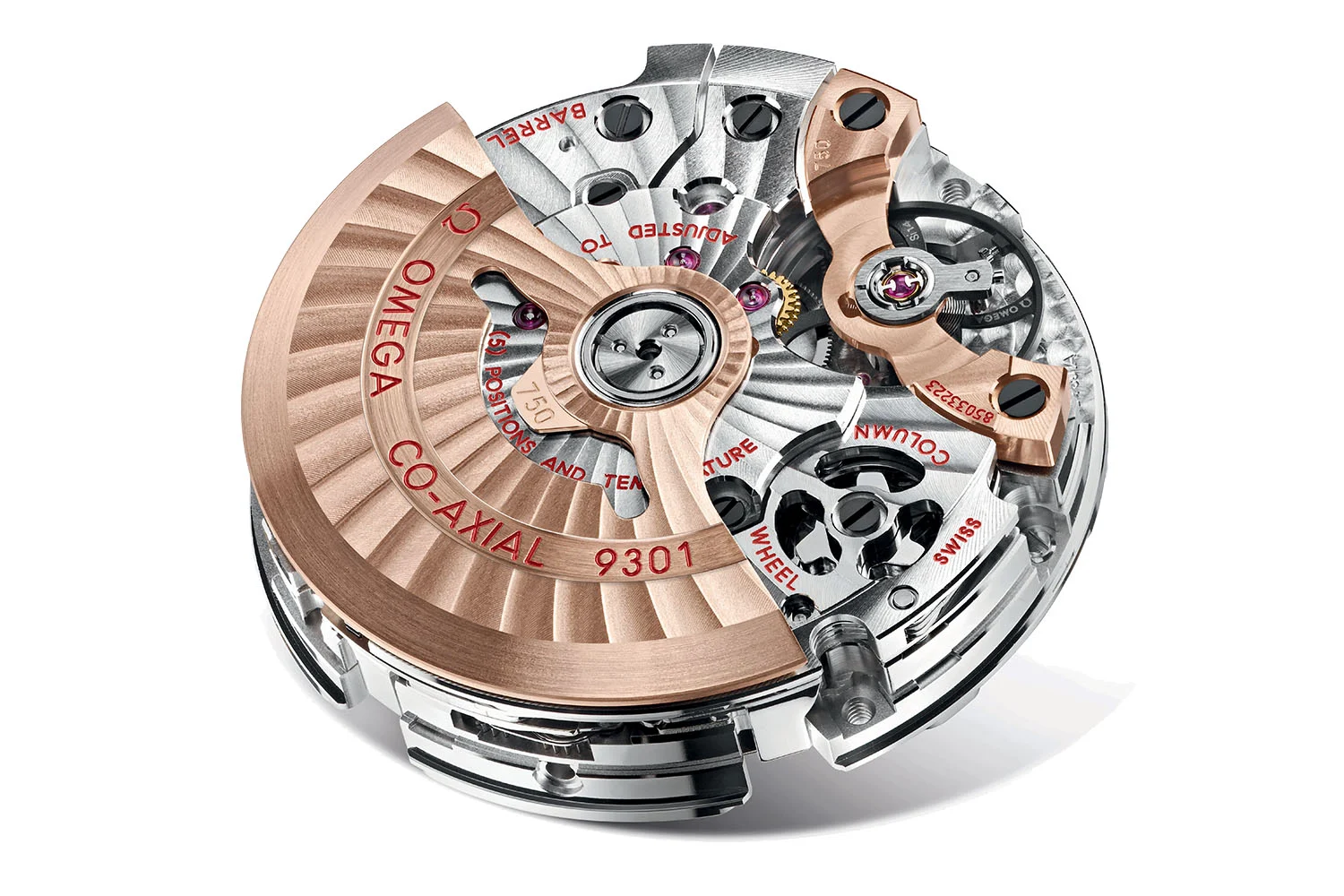
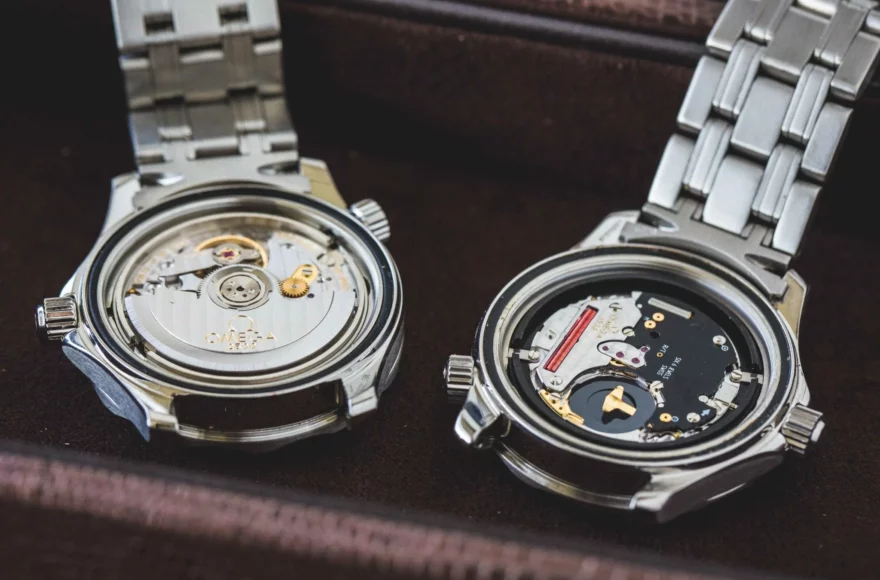
Another subtlety: a calibre can be “in-house” at the scale of a group. Omega draws on the industrial might of the Swatch Group for its Co‑Axial Master Chronometer movements: it isn’t “bought from outside”, it’s developed and produced within the extended house. Conversely, a truly independent small brand can deliver a genuine in-house at confidential volumes, with smart compromises (an external hairspring, for example). In both cases, honesty in the narrative matters as much as the material reality.
Verdict: beyond the label
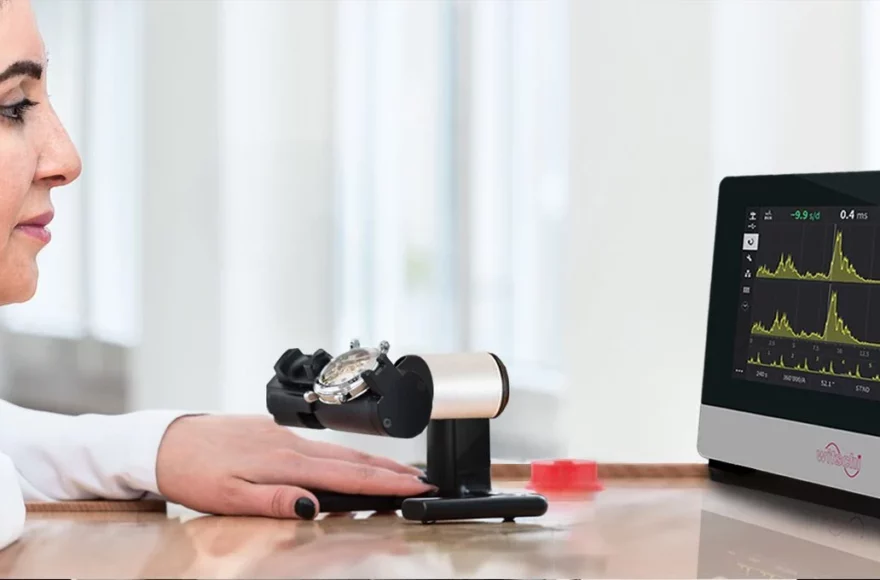
An “in-house” movement is a commitment: a brand’s decision to master its beating heart, to sign it technically as much as aesthetically. It’s a demanding, costly path, sometimes a long one. But it’s neither a totem nor a prerequisite for enjoyment. Fine watchmaking has always married internal know-how with exceptional external skills. Let’s demand facts, value transparency, and let the watch speak: amplitude on the timing machine, day-to-day rigour, beauty in the details. The rest is just literature—and sometimes, that’s perfectly fine.