What Is the Rotating Bezel on Dive Watches Used For?
The best-kept secret of your minutes underwater
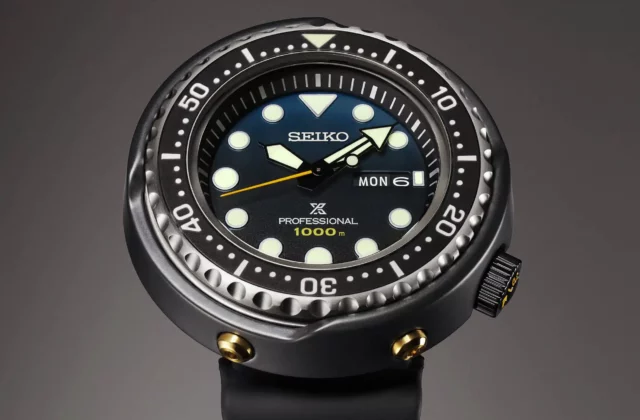
Before the dive computer, there was that click. The click of the diver’s watch bezel—that graduated halo encircling the dial that elevates a watch from mere jewellery to true instrument. It serves a purpose as simple as it is vital: measuring elapsed time underwater. One gesture, one alignment, and the minute becomes a safety marker. Everything else—the sporty aura, the style, the legend—flows from that.
An invention born in the depths
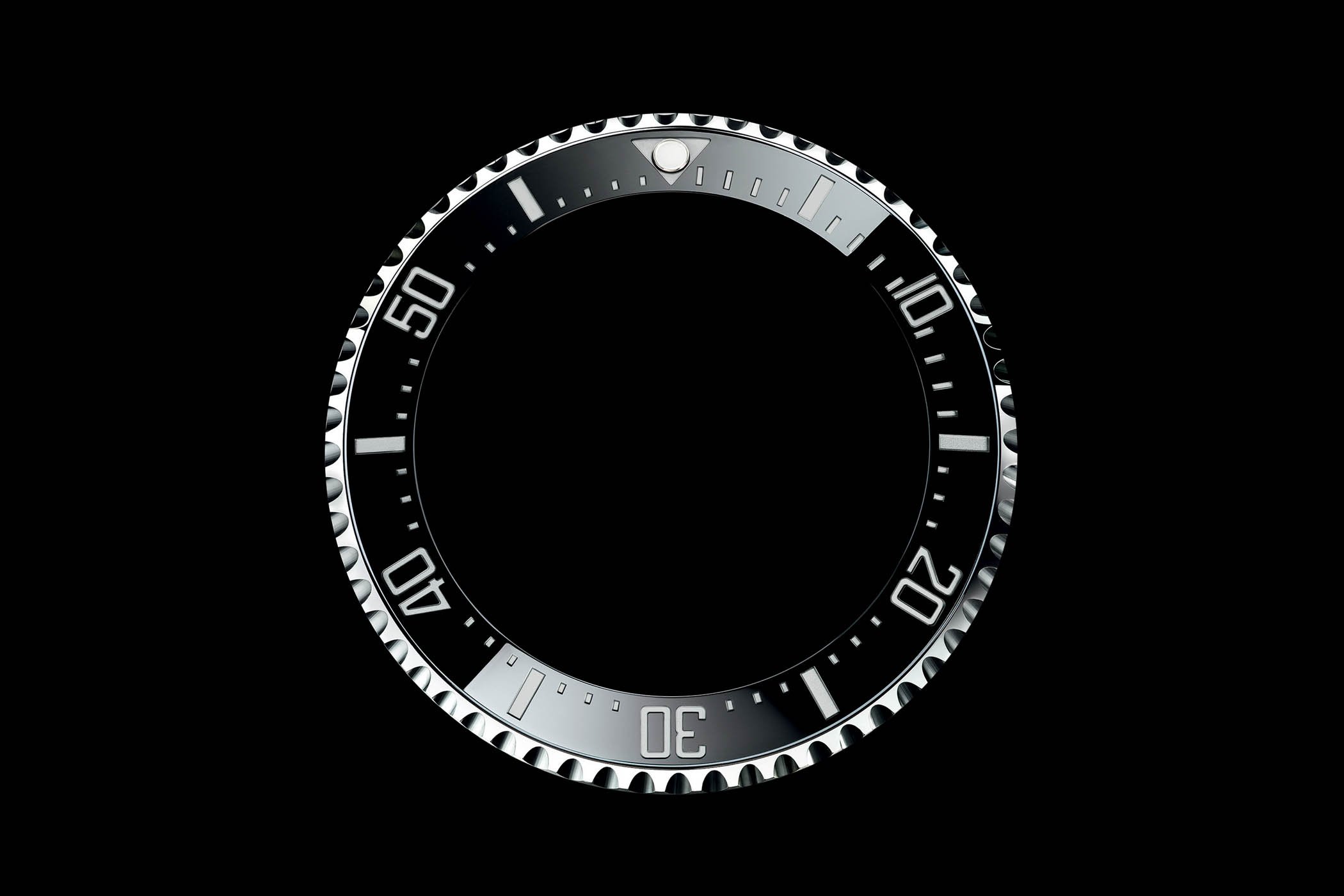
In the early 1950s, as military divers and civilian pioneers explored the underwater world, the watchmaking tool had to be clear, tough, and legible. The rotating bezel became the obvious solution: a knurled ring graduated over 60 minutes, topped with a luminous reference marker (the famous “pearl” at 12 o’clock), which you align with the minute hand just before immersion. Blancpain, with the Fifty Fathoms in 1953, then Rolex with the Submariner, set the codes in stone. DOXA later added a no-decompression scale to its bezel, a reminder of an era when the watch alone guided the dive. This circle of steel or aluminium would become as much a visual signature as a safety net.
Why a unidirectional bezel
Safety has no time for approximation. Early bezels could rotate both ways, held in place by simple friction. But the demands of standards (ISO 6425) enshrined the unidirectional, ratcheting bezel, which turns only counter-clockwise. That way, an impact cannot extend the remaining time: if the bezel shifts, it can only reduce your margin—never mislead you to your detriment. The internal click-spring—60, 120 or 90 clicks depending on the brand—punctuates the motion with a crisp sound, almost ceremonial.
How to use it—simply
Whether you’re 20 metres down or standing in front of a pizza oven, the method is the same. The tool is designed to be instinctive—gloves or not, poor visibility or bright daylight.
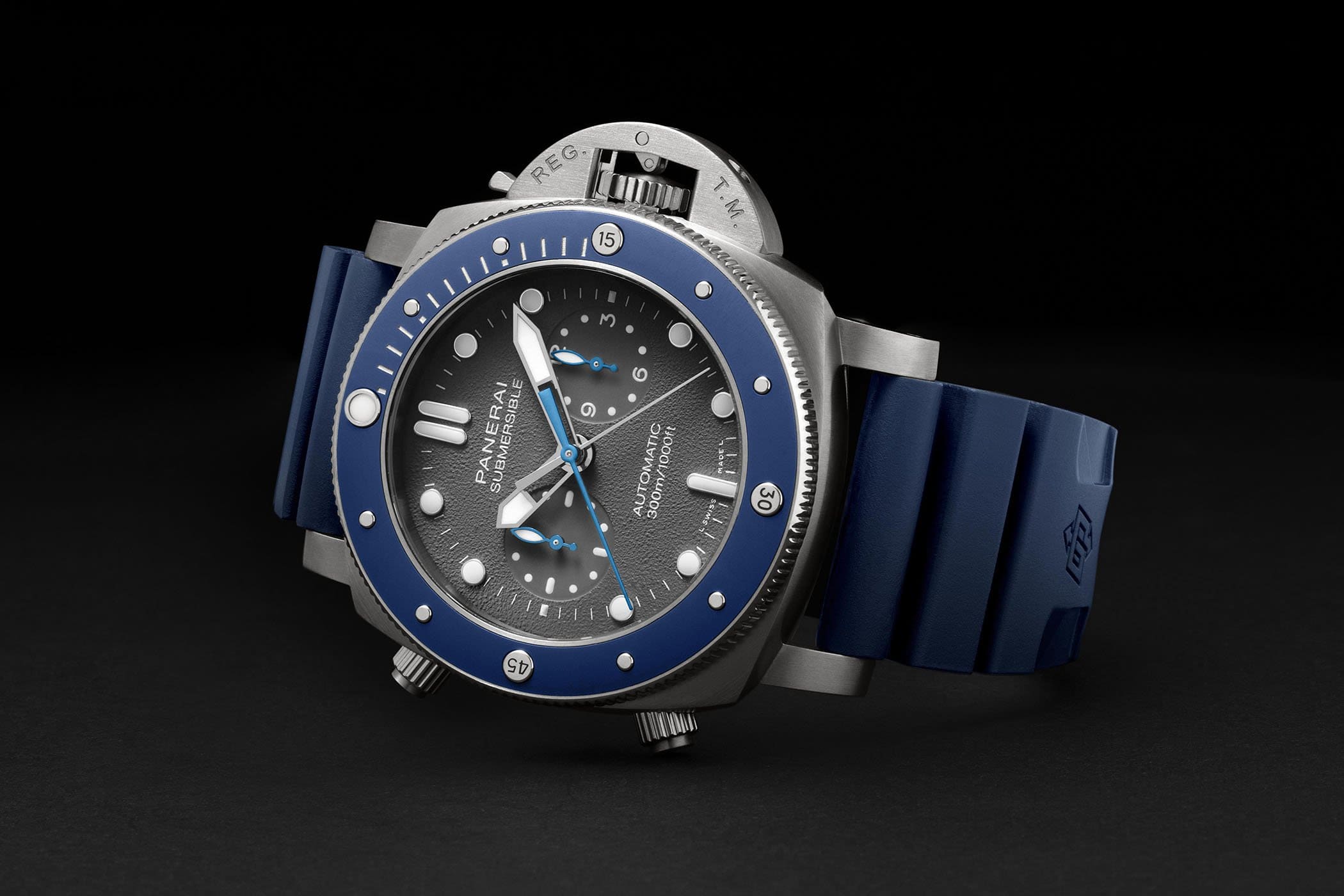
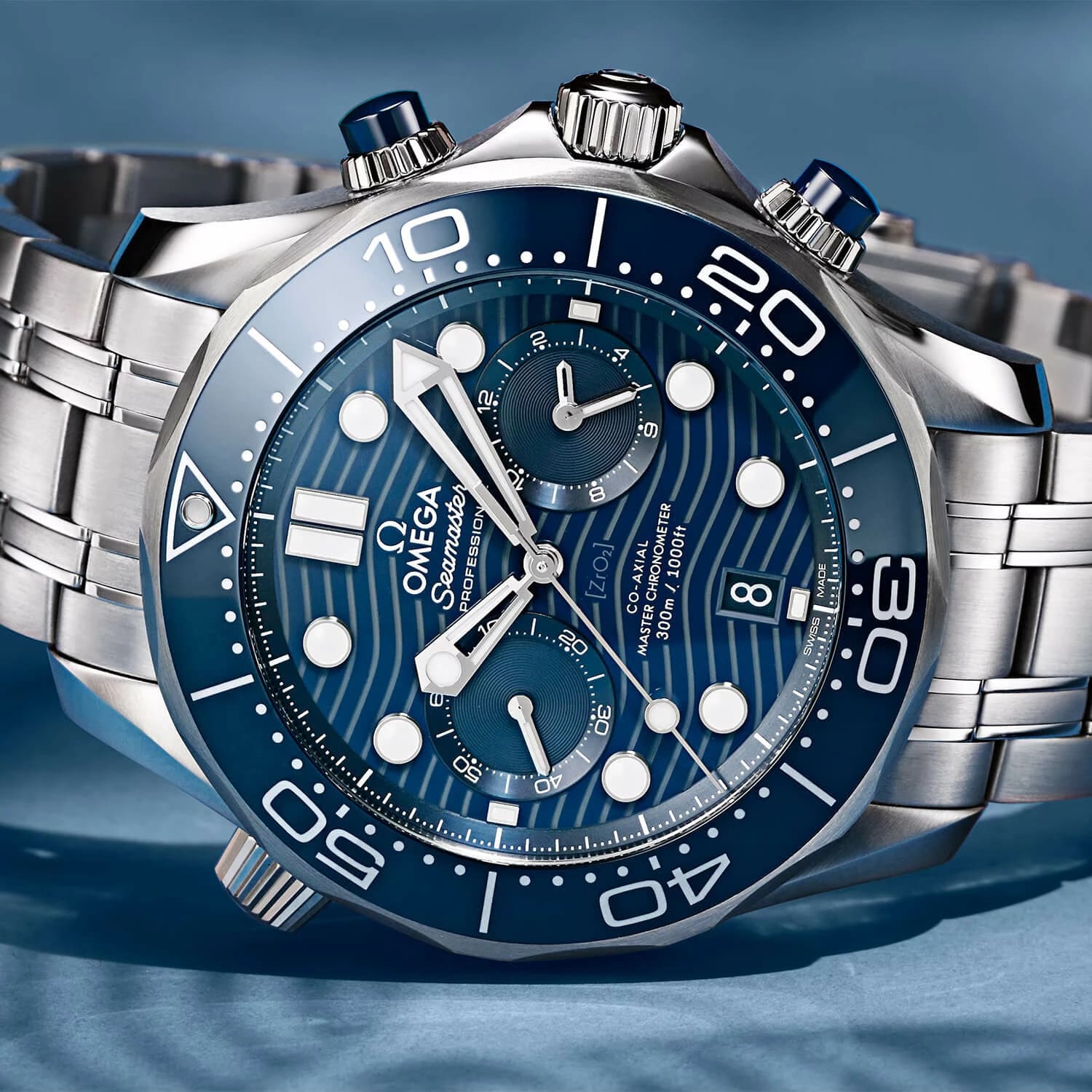
- Before you start: rotate the bezel to align the luminous triangle (at 12) with the minute hand.
- During the action: the hand moves; the bezel stays put.
- Read elapsed time: look at the bezel graduation the minute hand is pointing to. That’s your duration.
- Safety: check periodically that the marker hasn’t moved; if it has, you’ll only be able to shorten your timing, not extend it.
The first 15 or 20 minutes, often more densely graduated, make for quicker readings during the critical phases of a dive.
Function and style: an inseparable duo
From legibility come aesthetic choices that have shaped watch culture. High-contrast numerals, the triangle at 12 o’clock, more or less pronounced knurling—“coin edge”, “saw tooth”, “scalloped”—all speak to each brand’s DNA. Aluminium inserts develop patina and fade with charm; sapphire and ceramic bring modern resistance, deep colours and, sometimes, fully luminous markings. Contemporary dive watches don’t forget what the sea demands, even if the office has replaced the buoy.
Count up, count down, reassure
The standard “count-up” bezel measures elapsed time—the most intuitive underwater. Some brands offer “countdown” bezels, designed for starts or intervals on land. Internal bezels—beloved of Super-Compressor cases—are operated via a dedicated crown, protected from knocks, but less immediately accessible with gloves. Whatever the format, the logic remains the same: stay true to legibility and reliability.
News: what the latest releases change (or don’t)
Even as dive computers rule the wrists of professionals, the rotating bezel retains a central role. Many divers use it as a redundant backup, out of habit or caution. On the product side, 2024–2025 trends confirm:
- The return of restrained diameters and vintage-spirited “skin divers”, without sacrificing unidirectional bezels and generous lume.
- The widespread adoption of ceramic or sapphire inserts, more resistant than aluminium, with engraved numerals filled with luminous material.
- The resurgence of hybrid scales (minutes + coloured zones) inspired by historic no-decompression tables—a cultural nod rather than a medical tool.
- More precise ratcheting mechanisms, with 120 clicks becoming the high-end norm for millimetre-perfect alignment.
In short, the era polishes the technique without betraying its spirit. The click remains a rite. The triangle remains a beacon.
Everyday use: more than a utilitarian relic
The beauty of a good tool is that it’s useful everywhere. The bezel slips into daily life: a silent timer, a discreet interval, a secondary dial for passing time. It becomes a gesture—one you perform almost automatically before a meeting, a bake, a training session. And that is perhaps where the dive watch regains its nobility: it simply works.
- Kitchen timer: align it and let it run—no alarm, no screen.
- Parking: keep an eye on a 30-minute window at a glance.
- Sport: intervals, warm-ups, timed recoveries.
- Travel: track a connection or taxi time without unlocking your phone.
Key points to know
- Primary purpose: measure elapsed time underwater to manage air and decompression stops.
- Safety advantage: a unidirectional bezel that can only shorten, never extend, a timing.
- Legibility: strong contrast, luminous marker at 12, crisp graduations for the first minutes.
- Materials: aluminium (patina), ceramic/sapphire (durability), solid steel (robustness).
- Culture: from the Fifty Fathoms to the modern “tool watch”, the bezel is the defining sign of dive watches.
Ultimately, a philosophy of time
The rotating bezel isn’t just a design detail. It’s a pact between a person, their breathing, and their minutes. A reminder that time is best measured when it’s read simply. Underwater, it guides. On land, it disciplines. And on the wrist, it tells a story—the story of a function that became style, of a click that became culture.