How to Choose a Watch for a Slim Wrist
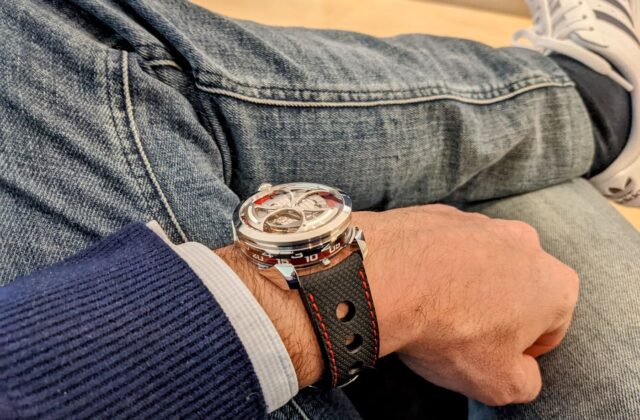
Slim wrist, sharp style: proportion before size
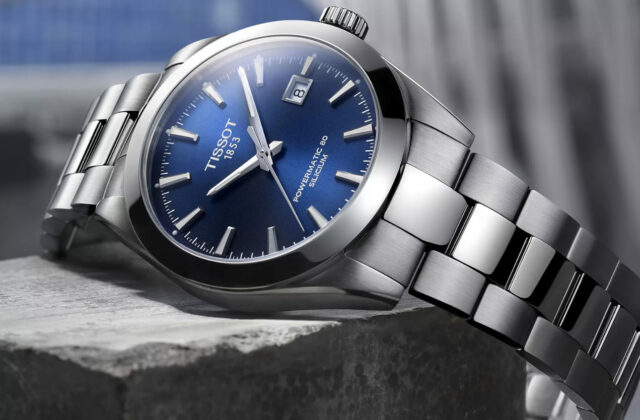
Choosing a watch for a slim wrist isn’t a limitation—it’s a lesson in style. In watchmaking, the golden rule isn’t size, but proportion. The icons that have carried through the decades, from the Tank to the field-watch mythos, never needed excess to assert their presence. It’s all about morphology, curvature, comfort. A harmonious watch hugs the wrist, lets the line breathe, and tells a story without raising its voice. If you’re hesitating over your first watch: check out my buying guide for a first watch.
Measure your wrist, understand its shape
Before talking millimetres, grab a tape measure. Measure the circumference where you wear your watch, then look at the wrist’s shape: flat, rounded, prominent bones? That morphology influences how volume is perceived—often more than case size alone.
- Very slim wrist: 14 to 15.5 cm
- Slim wrist: 15.5 to 16.5 cm
- Average wrist: 16.5 to 18 cm
For a slim wrist, you’ll often be aiming for 34 to 38 mm in diameter. But don’t stop there: lug-to-lug length (from lug tip to lug tip) and thickness are the real arbiters of comfort and presence.
The criteria that really matter
Lug-to-lug: the true measure of elegance
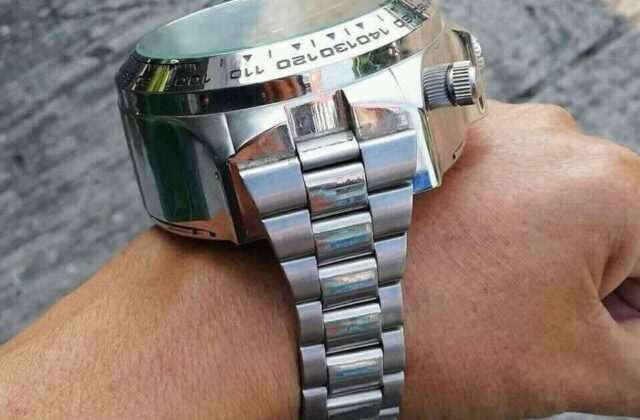
If the lugs extend beyond the edges of the wrist, the eye reads the watch as too large—even at 36 mm. On a slim wrist, a lug-to-lug under 46 mm is an excellent benchmark, up to 47 mm if the lugs are nicely curved. Cases with short, downward-sloping lugs sit better and look more contained.
Thickness and visual balance
A thin watch slips under a cuff and elongates the silhouette. On a slim wrist, target 8 to 12 mm in thickness depending on the style: around 8–10 mm for dressier pieces, 10–12 mm for sporty-chic. Polished case sides, bevels, and slim bezels visually lighten a more substantial profile.
Lug width and strap: a continuous line
Lug width (often 18 or 19 mm on smaller diameters) dictates the strap’s line. A strap that tapers—say from 19 to 16 mm—lightens the wrist and reinforces proportion. Short end links (on steel) and finely articulated bracelets improve comfort.
Styles that flatter slim wrists
Clean dials, slim bezels
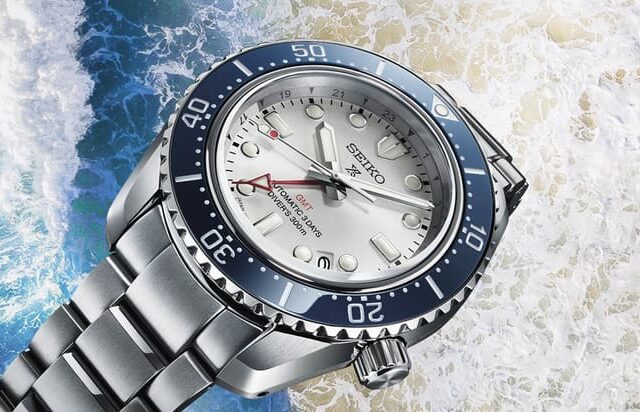
A pared-back dial makes a watch feel larger without weighing it down. Slim applied indices, svelte hands, and narrow bezels create an elegant balance. On a diver, a thin, legible bezel in 36–39 mm keeps the character without dominating the wrist.
Square, rectangular and tonneau cases
Non-round shapes create a graphic presence that often suits more delicate wrists. A well-proportioned rectangular watch (Tank or Reverso style) stretches across the wrist without overhanging it, while offering a strong personality. The tonneau softens angles and refines the silhouette.
Vintage and neo-vintage: the right genes for size
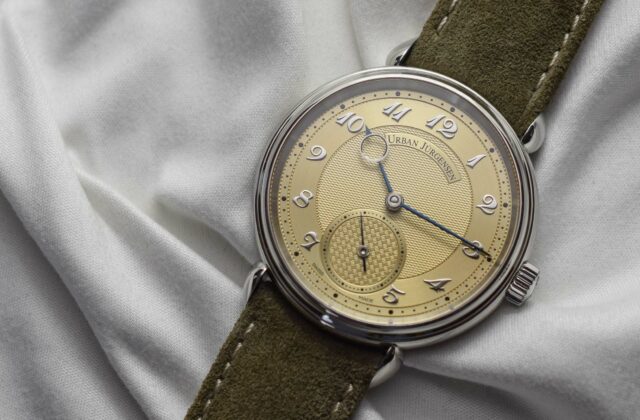
Watches from the 1950s to the 1970s were naturally more modest: 34 to 36 mm was the norm. They have a knack for looking just right on a slim wrist, with restrained thickness and airy dials. Do watch out for the very straight lugs found on some period models: always check the lug-to-lug.
Comfort: where everything is decided day to day
Comfort comes from a case that follows the wrist’s curve and a strap that can breathe. Supple leather, nubuck, or grained calfskin become softer after a few days. A well-woven textile (perlon, fine nylon) adds a casual note and adjusts to the millimetre. Modern rubber—thin and ribbed—works well on smaller sports watches. On steel, prioritise short links, a compact clasp, and precise micro-adjustment.
- Prioritise a strap that tapers towards the buckle (18/19 mm to 16/14 mm)
- Choose closely spaced holes or a micro-ratchet system
- Prefer a short folding clasp to avoid pressure points
- Opt for curved or flexible end links on a very slim wrist
Try it on properly: a simple, reliable method
Try watches on at the end of the day, when the wrist is slightly more swollen. Wear the watch at your usual tension—neither too tight nor loose. Look for harmony, not a statement cuff effect.
- Thumb test: the lugs should not extend beyond the width of the wrist
- Visual centre: the watch should stay centred without tipping
- Eye-level photo: check how it wears on the wrist, not on a table
- Paper template: cut out a circle and draw the lug-to-lug to simulate the size
Common mistakes to avoid
- Looking only at diameter: a 38 mm with long lugs can wear larger than a compact 40 mm
- Ignoring thickness: beyond 13–14 mm on a slim wrist, the “brick” effect is never far away
- Choosing a straight, chunky strap: it visually widens the wrist
- Overloading the dial: too many complications on a small diameter tire the eye
- Giving in to the oversize trend: trends date, proportion endures
Size benchmarks by use
- Dress watch: 34–37 mm, lug-to-lug 43–46 mm, thickness 7–10 mm
- Sport-chic: 36–38 mm, lug-to-lug 45–47 mm, thickness 9–12 mm
- Diver: 36–39 mm (slim bezel), lug-to-lug 46–48 mm, thickness 11–13 mm
The essentials
On a slim wrist, getting it right comes down to balance: a contained lug-to-lug, controlled thickness, and a well-chosen strap. The right watch doesn’t overwhelm; it follows the line of the arm, slips under a cuff, and disappears—until the moment it catches the light. That’s when watchmaking becomes style: when morphology guides size, and comfort elevates presence. Choose with your eye, try with method, and let proportion sign your elegance.