These Vintage Military Watches Are Winning Over a New Generation
From wartime tool to style icon
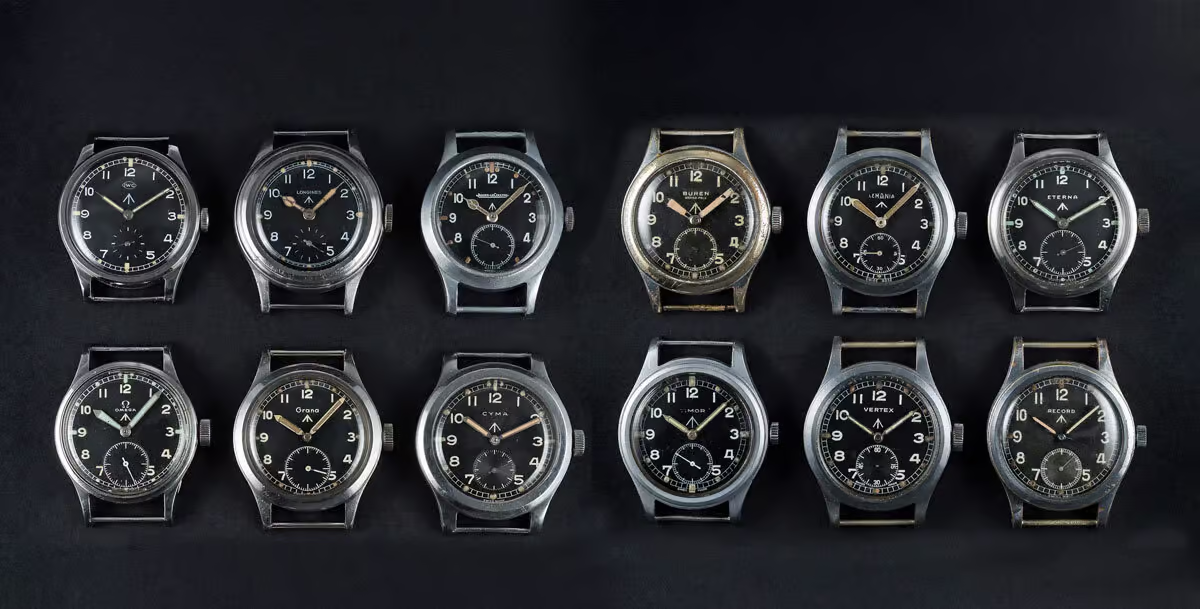
In recent years, vintage military watches have stepped out of collectors’ dusty display cases and onto the wrists of a new generation. They appeal because they tell something real. Born from an unforgiving set of specifications, designed to accompany men in the field, in the cockpit or below the waterline, they are the antithesis of a gadget. Their beauty isn’t decorative; it’s functional. From the battlefield to the street, they’ve made the transition with disarming ease. Britain’s 1945 “Dirty Dozen”, America’s A-11s, France’s Type 20s, right through to issued dive watches—all share a common language: legibility, toughness, modesty. At a time when tired ostentation has lost its shine, that restraint is winning eyes—and wrists—among today’s aesthetes, illustrating how these watches have influenced modern design through timeless simplicity and efficiency.
The return of sensible proportions
The charm of these vintage military watches also lies in their size. Cases measuring 34 to 38 mm for land pieces, 39 to 41 mm for vintage dive watches and aviation chronographs: human, elegant proportions that deliver presence without heaviness. We’re rediscovering the silhouette of a timepiece that doesn’t crush a cuff, that slips under a jacket, that embraces “less is more” with confidence. The dial can breathe; the typography doesn’t beg for attention; function leads form. This sense of right measure resonates with a generation that values style and comfort over spectacle.
Decoding military design codes
Legibility and silence
On a military dial, nothing is there for free. The background is matte to avoid reflections, the Arabic numerals are bold and unambiguous, the minute track is precise. Syringe hands, cathedral hands or sword hands—whatever the style, the goal remains instant readability. Hacking seconds allow synchronisation, essential in the field. Radium or tritium markers, now aged to a honeyed patina, speak of time passed. That patina has become an aesthetic signature—but it also recalls an era when luminous material served efficiency first, not nostalgia.
Ruggedness and the detail that saves you
Cases are built to last: steel, sometimes monobloc, with screw-down casebacks and protected crowns. Fixed bars prevent you from losing the watch if a strap spring fails; drilled lugs speed up servicing. Knurled dive bezels, shock protection, controlled magnetism—each a pragmatic answer to very real constraints. Even sound can matter: on certain issued pieces, the seconds hand was required to tick more discreetly. You begin to see just how fluently these watches speak the language of efficiency—and why that language resonates in an era hungry for honest design.
Standards and markings
Markings are the DNA of these watches. Issue numbers, the British broad arrow, NSN (NATO Stock Number), unit initials: the caseback—and sometimes the dial—records the object’s life. A British “W10”, an “MN” for the Marine nationale on a diver, a “Type 20” defined by a French specification sheet: these codes anchor the watch in a shared narrative. For collectors, they are clues to provenance and authenticity—the opening lines of a novel you read on the back of the case.
Why the new generation relates to them
The appeal is cultural, almost philosophical. In an age that embraces second-hand, a vintage military watch embodies tangible durability: it has already lived, and it will live again. The object reconnects us with gesture, mechanics, and a functional restraint that has become chic. The unisex sizes appeal; nylon or canvas straps—ancestors of today’s NATOs—make them easy to own, and you can change colours as you change moods. And on Instagram or in cafés, sharing the patina of an index, an issue marking or a regimental story is worth far more than a simple logo. The watch becomes a fragment of culture, a discreet sign of style and knowledge.
How to start a collection the right way
- Choose your theatre of operations: land (field watch), air (Type 20/XX chronograph), sea (issued diver). Coherence gives meaning.
- Learn the right signs: fixed bars, consistent markings, hands and indices appropriate to the era, tritium vs radium, correct fonts. Beware Super-LumiNova that looks too perfect.
- Prioritise mechanical condition: a proper service is better than an over-polished case. And don’t have a radium dial opened unnecessarily: look, respect.
- Document provenance: archives, numbers, period photos when possible. A well-supported story amplifies cultural value as much as collectability.
- Set a realistic budget: from the affordable CWC G10 to untouchable myths like the “MilSub”, there are alternatives and faithful reissues that preserve the military spirit.
- Play with straps: woven NATO, raw leather, waxed canvas. A simple change transforms the look without betraying the utilitarian DNA.
Finally, choose a watchmaker who’s used to vintage pieces and will respect the watch’s integrity: no aggressive polishing, no fresh lume on an old dial. Vintage beauty is a matter of balance and restraint.
A few iconic references
- Britain’s “Dirty Dozen” (IWC, Omega, Longines, and others): the manifesto of the 1940s field watch.
- America’s A-11 and A-17: the very essence of WWII and post-war legibility.
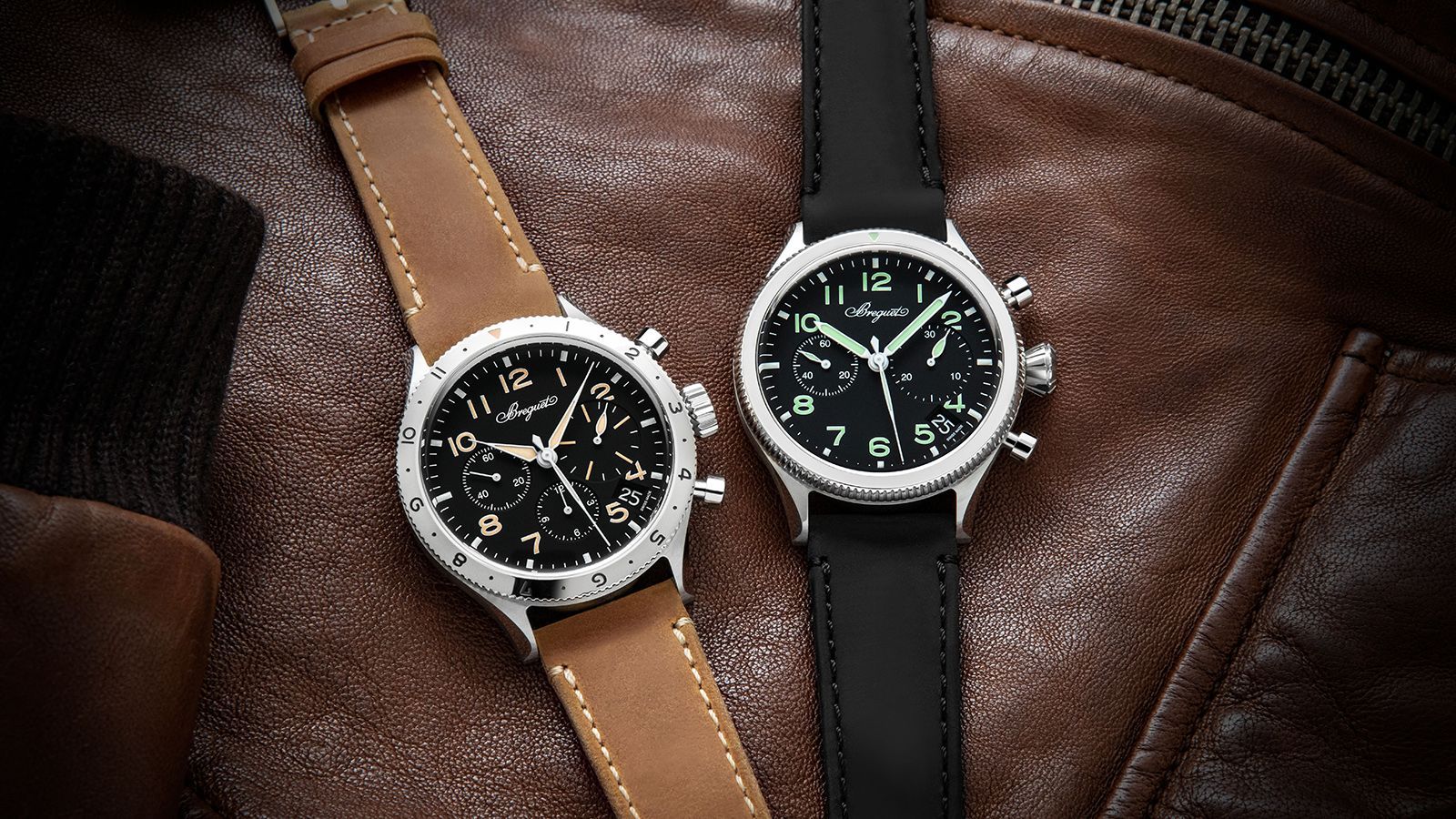
- Type 20/Type XX for the Armée de l’Air: flyback chronographs, the nerve centre of the French skies.
- Blancpain Fifty Fathoms MIL-SPEC and Tornek-Rayville TR-900: the school of operational diving.
- Rolex Submariner “MilSub” and Tudor MN: naval myths, steel restraint and pure utility.
- CWC G10, Hamilton W10: honest, accessible issue watches—excellent, educational starting points for a collection.
Many of these icons have inspired successful contemporary reissues: the same dimensions, faithful typography, appropriate straps. They offer a relevant entry point to enjoy the military aesthetic without facing stratospheric prices or the uncertainties of the period.
A durable future for vintage military watches
As tastes shift towards restraint and authenticity, military style is settling in for the long term. Its strength? Elegance without emphasis, a story you can wear, a design that never chased trends and, by a fair turn of fate, now feels strikingly current. In a world saturated with temporary objects, a well-chosen issued watch becomes a lasting companion, a discreet talisman, a chapter of history on the wrist. And that is likely the secret of its allure: beyond the look, these watches remind us that time—when well designed—travels across generations.
Interested in this watch?
Price, availability, contact: we can activate our watch-industry network to help you.
I’m interested in this watch