These Micro-Brands Are Shaking Up Luxury Watchmaking
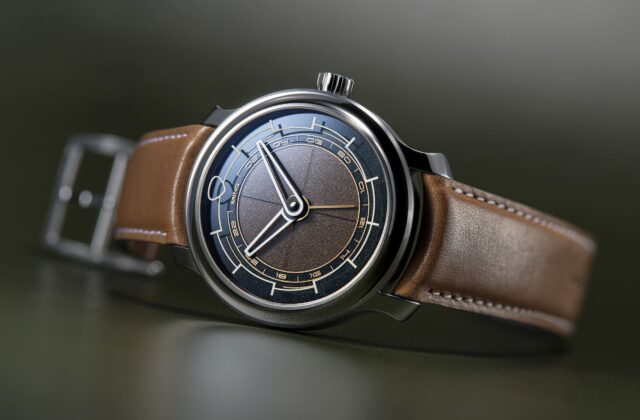
The quiet wave that changes everything
In the hushed display cases of high watchmaking, a new vibration is being felt. It isn’t the tick-tock of the great century-old maisons, but the confident murmur of micro-brands and independents—nimble workshops that, without fanfare, are rewriting the codes of luxury. Sharper design, radical transparency, a direct relationship with collectors: the revolution is cultural as much as it is technical. Within this movement, dials with minimalist charm are taking hold, foregrounding a pared-back aesthetic that is winning over more and more enthusiasts. And season after season, it is asserting itself as one of the major trends to watch.
Why now? The fertile ground for a (r)evolution
The rise of micro-brands is no accident. It rests on a rare alignment between new expectations among enthusiasts and industrial shifts. In just a few years, the value chain has cracked open, letting light—and audacity—through.
- Access to know-how: Swiss and Asian suppliers are opening their order books to small runs, from cases to ceramic bezels.
- Digital tools: crowdfunding, pre-orders, Instagram drops and newsletters are building active communities.
- Design culture: a connected generation knows how to read a sector dial, a rehaut, the curve of a lug. Detail matters—and it gets shared.
- Transparency: impeccable spec sheets, owned sourcing, rational pricing—the luxury equation becomes legible.
Enlightened aesthetics: neo-vintage as a language
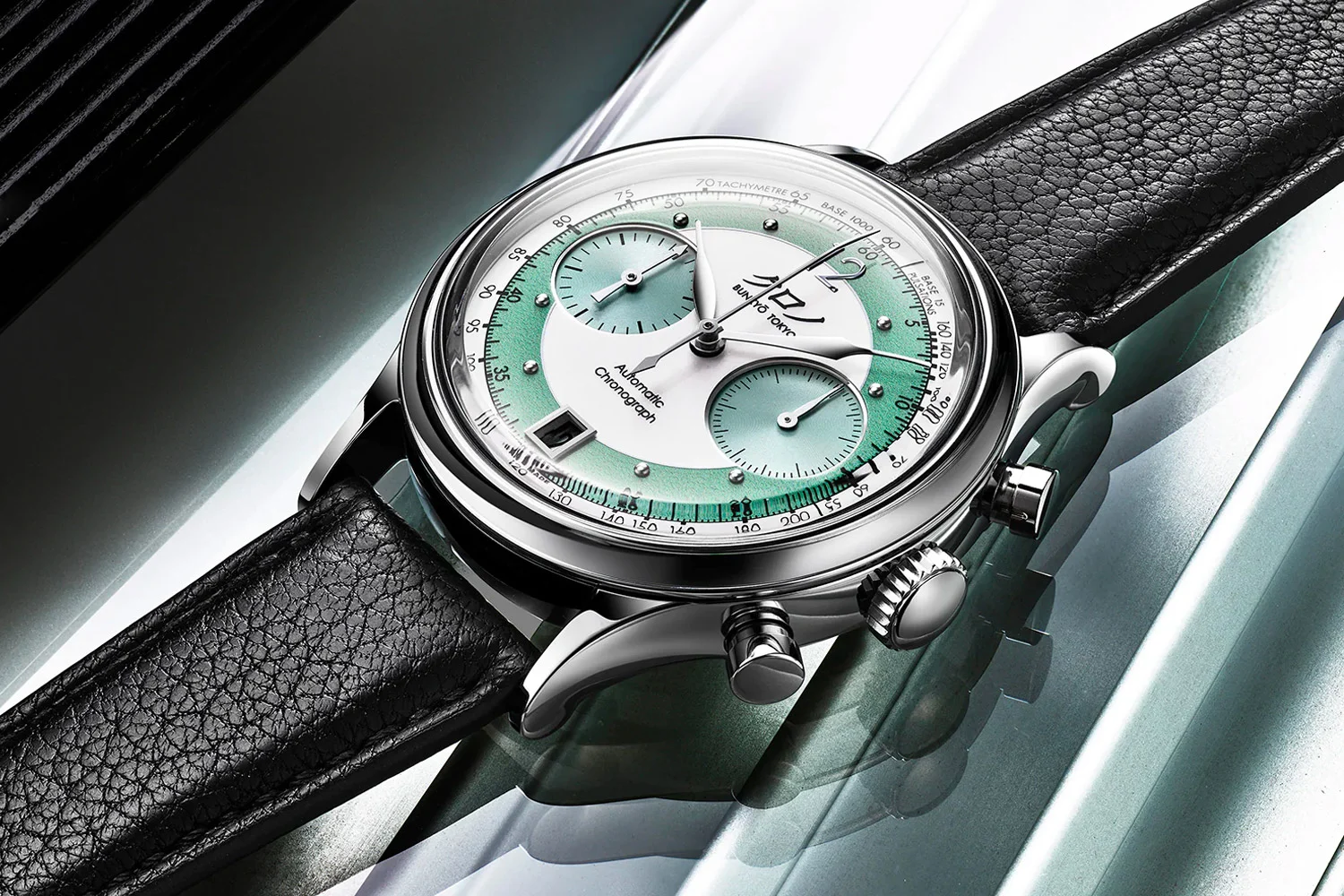
This movement is not pastiche. It is a critical homage. Micro-brands revisit ’60s pump-pusher chronographs, slim divers with minimalist charm, sector dials with sensitive typography. They dare to go for restrained diameters—36 to 39 mm—true wrist finesse, double-domed sapphire crystals that play with the light. The result? Watches that tell a story without dressing up, and that slip naturally under a shirt cuff.
The strength of these independents lies in daring nuance: a hint of lacquer grain, discreet guilloché, a warm “fumé” shade, modernised beads-of-rice bracelets. The watch becomes a cultural object again, designed for the hand as much as for the eye.
Pragmatic innovation: beyond the spec sheet
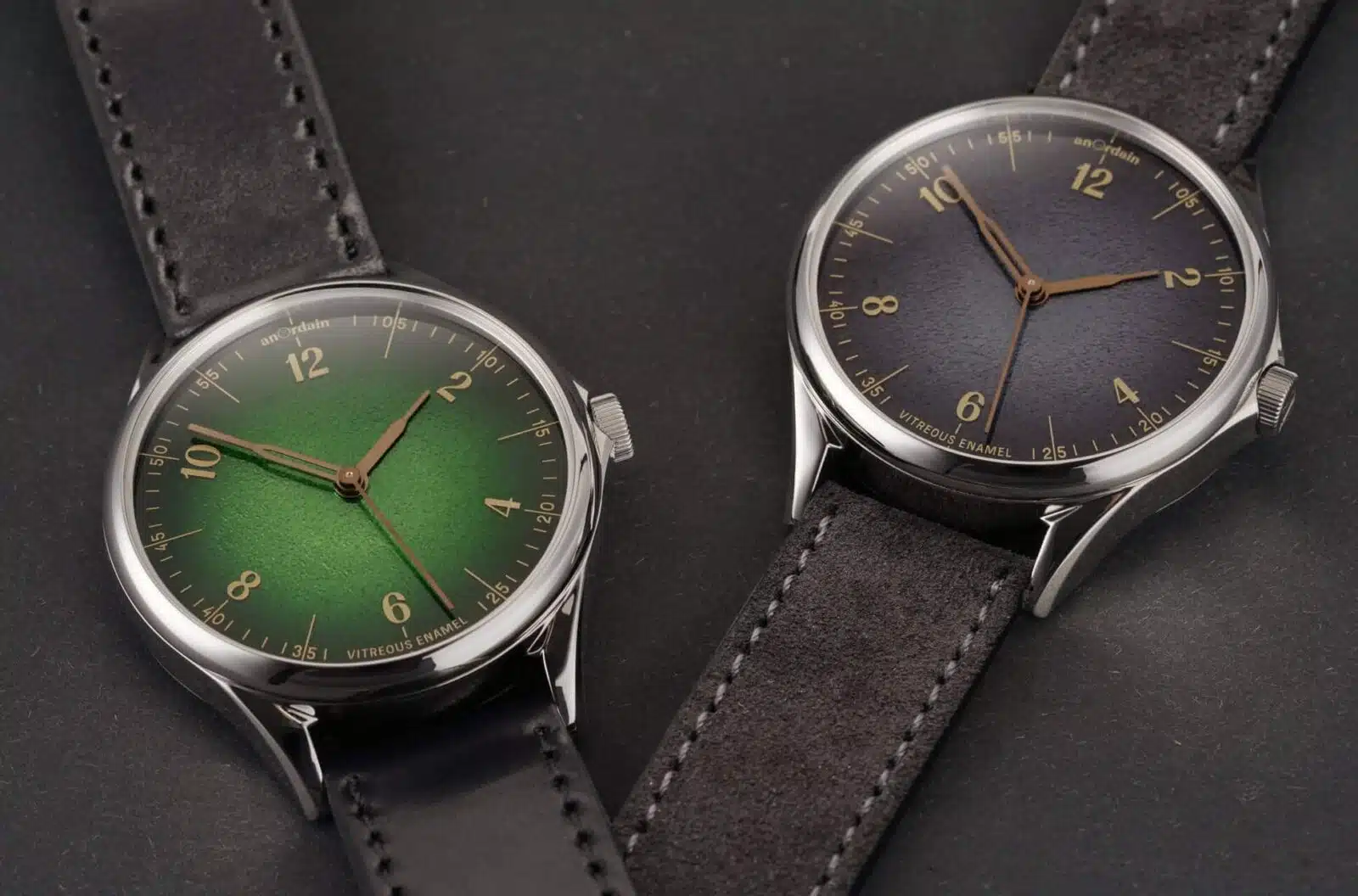
To the aesthetic promise is added a demand for real-world usability. Micro-brands have put everyday intelligence back at the centre: sensible water resistance, drilled lugs, quick-release spring bars, well-judged anti-reflective coating. Beneath the dial, proven calibres—Sellita SW200/300, La Joux-Perret G100, Miyota 9039—sit alongside Seiko VK meca-quartz for ultra-thin, reliable chronographs. Accuracy can be certified (COSC as an option with some), but the approach prioritises repairability and parts availability.
This innovation is less spectacular than a tourbillon: it aims for the right gesture, the right price, the right service. And it appeals to an audience tired of waiting lists and artificial inflation.
Six micro-brands to watch
- Baltic (France) : scholarly neo-vintage, millimetre-perfect proportions, a keen sense of colour and texture.
- Furlan Marri (Geneva): the art of the chronograph, refined finishing and carefully crafted storytelling; recognition already endorsed by awards.
- MING : sculptural minimalism, plays on depth and light, a conceptual approach to the dial.
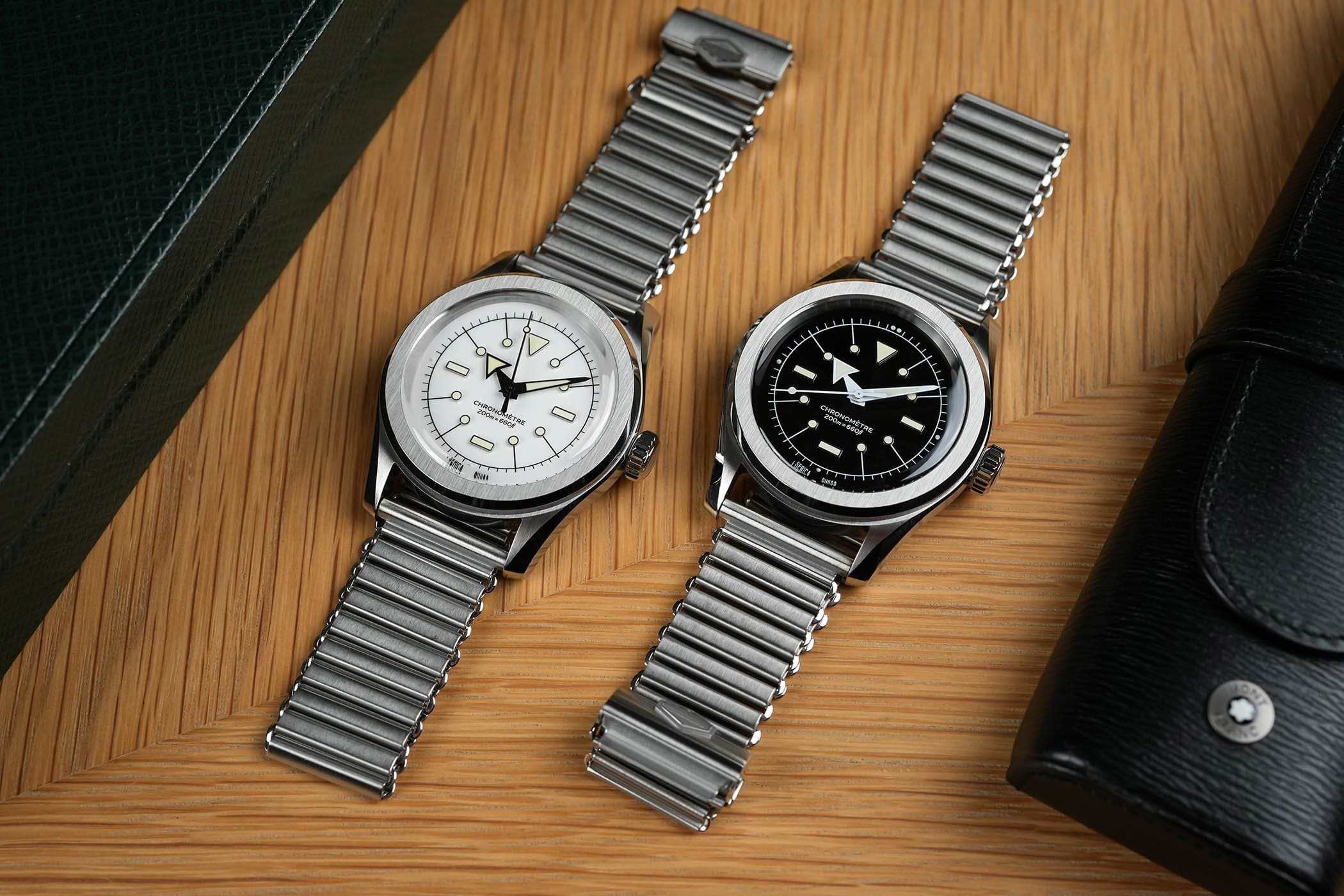
- Serica (Paris) : tool watches with French elegance, signature bracelets and exemplary ergonomics.
- anOrdain (Glasgow) : in-house grand feu enamel dials, chromatic poetry and workshop craftsmanship.
- Kurono Tokyo (by Hajime Asaoka) : reinterpreted Japanese classicism, spot-on volumes and lacquered tones.
What do they have in common? A strong identity, controlled production runs, and an ongoing conversation with their community.
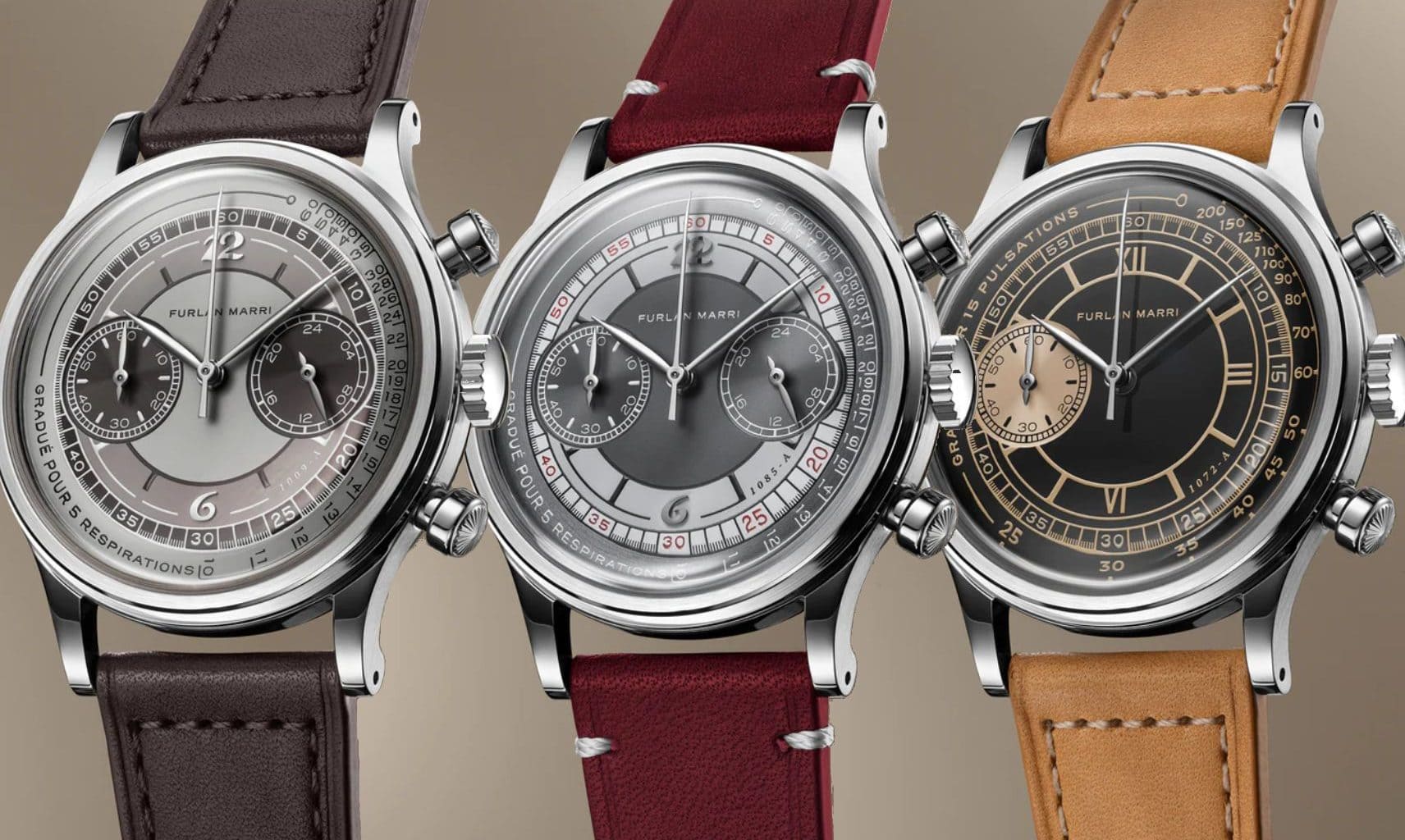
Independents: the other face of luxury
Alongside micro-brands, more established independents are charting a parallel course—sometimes in high watchmaking, often via short supply chains. Their success shows that luxury’s aura is no longer limited to a crest: it is built through singularity, coherence and sincerity. The recent GPHG roll of honour has, moreover, crowned several of these agile signatures, proof that innovation can convince even the most demanding circles.
The shadows of a luminous movement
Not everything is idyllic. Micro-editions sustain frustration and sometimes fuel speculation. After-sales service can feel fragile in the face of growth. Resale, meanwhile, remains uneven: some references take off, others stay at their price—and that’s perfectly fine. This is where the phenomenon’s maturity will be decided: structuring after-sales (partner centres, extended warranties), documenting references, publishing realistic lead times. More and more brands are tackling it, professionalising an ecosystem born of enthusiasm.
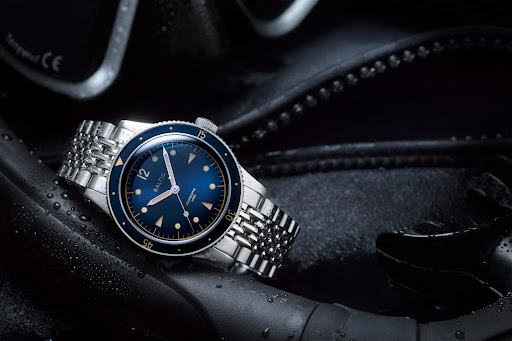
Buying guide: choose with your head and your heart
- Movement and maintenance: favour calibres that can be serviced locally; ask about parts availability.
- Real-world proportions: check lug width, lug-to-lug length, curvature; try on if possible via pop-ups or community loan programmes.
- Useful finishing: sapphire, credible water resistance, internal anti-reflective treatment, a quality bracelet with micro-adjustment.
- After-sales and warranties: clarity on lead times, a network of partner watchmakers, overhaul policy.
- Community: forums, social channels, team transparency—a good sign of longevity.
- Design longevity: beyond the “buzz”, does the watch fit a style you’ll want to wear for years?
What next? Towards a more open watchmaking world
What micro-brands are telling us goes beyond novelty. They reintroduce a lost proximity: an identifiable creator, a workshop that answers, a watch designed to be worn, repaired, passed on. On the horizon, we can see collaborations with dial artisans and cases in recycled steels, modernised enamels, short but sustained series, and a clearer second life via openly embraced pre-owned channels.
Luxury watchmaking is not being overturned: it is opening up. Between the historic manufacture and the independent workshop, a continuum is taking shape. Micro-brands act as the fast hands, indicating the trend with precision. It’s up to the big houses to listen to that tempo—and perhaps, why not, to take its measure. For the enthusiast, it’s the best possible news: more choice, more culture, more pleasure on the wrist.