How to Maintain a Mechanical Watch Day to Day
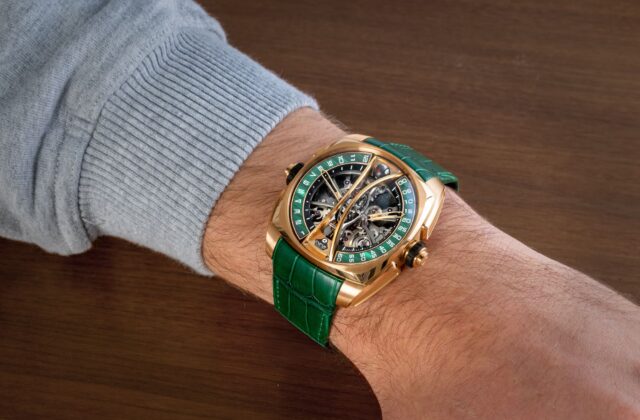
A ritual, more than a routine
Caring for a mechanical watch day to day is a way of cultivating an art of living. Behind every tick-tock are polished bridges, microscopic oils, and a balance wheel beating like a discreet heart. Seasoned travellers keep their watches tucked under a cuff when rain sets in; racing enthusiasts set their chronographs with due reverence; aesthetes rub down the case as one would polish a fine object. This guide distils the gestures that preserve the beauty and precision of a well-born mechanism—simple advice, handed down from workshops and from wrists that know how to make things last.
Winding: the precise gesture that makes all the difference
A mechanical watch, manual or automatic, thrives on regularity. In the morning, set aside a quiet moment for it.
- Manual-wind watch: 20 to 40 turns of the crown, slowly, up to the point of resistance. There’s no need to force beyond that. Ideally at a set time, to establish a disciplined rate.
- Automatic: if it has stopped, give it 20 to 30 turns of the crown before putting it on your wrist. Avoid “shaking” the watch: gentle winding protects the transmission system and the rotor.
- Power reserve: don’t walk a tightrope. A partially wound movement can lose amplitude; keeping it well wound ensures a steadier rate.
This setting ritual is far from trivial: it feeds the barrels, stabilises the rate, and puts the watch in the best possible shape for the day ahead.
Setting the time and date: the forbidden hours
Watchmakers have a maxim: respect the date mechanism. Between roughly 8 p.m. and 3 a.m., the date-change complication is engaged. Absolutely avoid correcting the date during this window, or you risk stressing the mechanism.
- First set the time by moving the hands forward—never force them backwards if the brand advises against it.
- Advance the date to the next day by cycling the time if necessary, then use the quick-set date outside the risk window.
- Hacking seconds: on watches that offer it, pull the crown to the time-setting position to stop the seconds hand and synchronise with a time signal.
Daily cleaning: cleanliness, legibility, longevity
External care isn’t merely cosmetic—it has mechanical consequences: dust and sand get everywhere. At the end of the day, a microfibre cloth is enough for the case, caseback, and crystal.
- Case and steel/rubber bracelet: lukewarm water and mild soap, a soft brush (like a soft toothbrush), careful rinsing, thorough drying. Only immerse if water resistance has been confirmed.
- Leather strap: no water. Wipe dry, let it breathe away from any heat source. Avoid perfume or cream directly on the leather, and rotate straps to extend their life.
- Products to avoid: solvents, abrasive polishes, overly powerful air blowers. Leave ultrasonic cleaning to a professional.
Water and water resistance: understanding the limits
Water resistance isn’t eternal; it depends on gaskets that age. Know what your watch is rated for:
- 30 m: everyday life, splashes only. No showering or swimming.
- 50 m: sink use, heavy rain. Swimming is still not recommended.
- 100 m and above: swimming is possible, depending on the brand’s recommendations. Never operate the crown or pushers underwater (except on models specifically designed for it).
Make sure the crown is fully pushed in or screwed down before any exposure to water. After the sea, rinse with fresh water. Avoid saunas and steam rooms: heat and material expansion compromise water resistance. An annual water-resistance test is the discreet ally of proper care.
Magnetisation, shocks and temperature: the invisible enemies
Magnetisation is the scourge of our times: magnetic smartphone cases, bags with magnetic clasps, speakers, tablets. A watch that suddenly gains 1 to 3 minutes a day has often brushed up against a magnet.
- Keep the watch away from these sources. Store it away from loudspeakers and magnetic cases.
- A demagnetiser fixes the issue in seconds at a watchmaker; some consumer tools exist, but a workshop visit remains the safer option.
- Shocks: most movements are shock-protected, not drop-proof. Avoid impact sports with a watch not designed for them (boxing, aggressive mountain biking). A hard knock can knock the balance staff off-centre or shift a hand.
- Temperature: below 0°C or above 50°C, oils and materials suffer. Don’t leave your watch in a car under full sun.
Lubrication and servicing: the right tempo
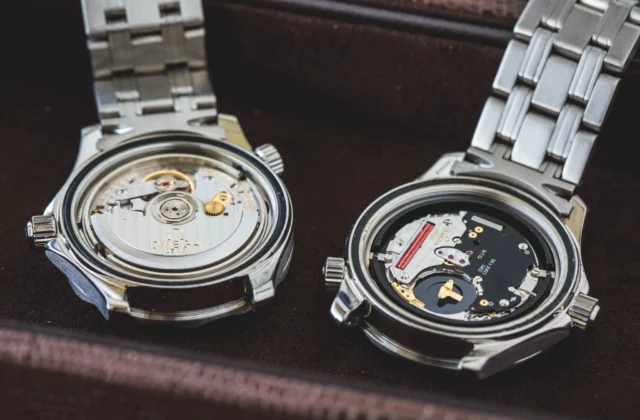
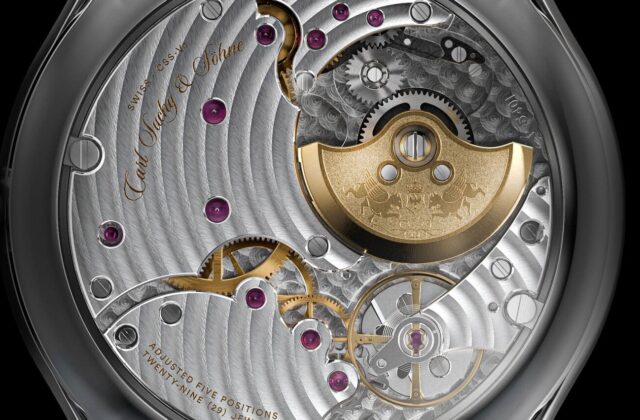
Lubrication is the silent soul of a calibre. Oils degrade over time, even if the watch keeps running. An interval of 3 to 7 years is generally recommended depending on the brand, usage, and water resistance.
- Warning signs: reduced power reserve, unusual rate variation, an abnormally noisy rotor, a “gritty” feel at the crown.
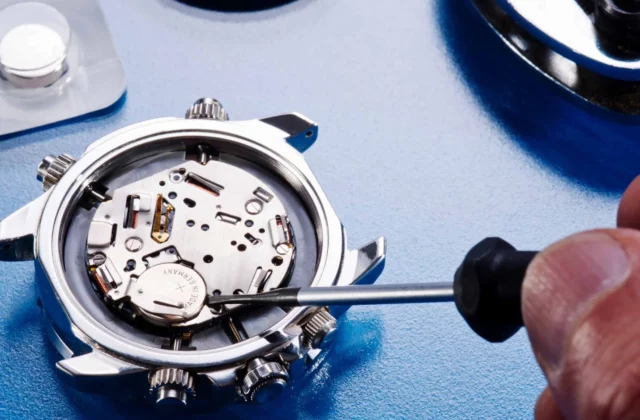
- Don’t: open it yourself. One speck of dust in an escapement is enough to send precision off the rails.
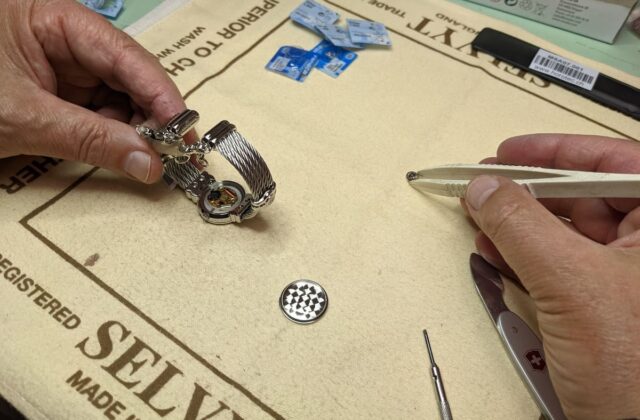
- Do: entrust the watch to a qualified watchmaker. A proper service includes disassembly, cleaning, lubrication at the specified points, gasket replacement, regulation, and water-resistance tests.
A well-lubricated mechanism ages gracefully; poorly lubricated, it wears in silence. Planned maintenance is your best insurance.
Storage and rotation: the pause that does it good
How you let a watch rest influences its rate. In the evening, place it somewhere protected, away from magnetic fields, in a pouch or a case. Silica gel packets help control humidity.
- Resting positions: dial up, crown up, or crown down. Experiment: depending on the position, you may gain or lose a few seconds per day; learn the “night position” that offsets your watch’s drift.
- Watch winder: useful for complex calendars and to avoid stoppages if you rotate several watches. Set turns per day and direction according to the calibre; don’t overdo it if the watch can simply rest.
- Travel: use a roll or a rigid pouch. Avoid a jacket pocket where the watch rubs against keys or magnetised cards.
The express checklist for mechanical-watch care
- Wind gently, at a set time, without forcing.
- Set the date outside the 8 p.m.–3 a.m. window; move the time forward rather than back.
- Wipe with a microfibre cloth; soapy water for steel/rubber, never for leather.
- Check the crown; rinse after the sea; no showering or sauna with the watch.
- Keep it away from magnets; seek demagnetising if it suddenly starts running fast.
- Protect it from shocks and extreme temperatures.
- Plan a service and lubrication every 3 to 7 years depending on use.
- Store it dry; test the resting position that fine-tunes its rate.
Ultimately, daily care is simply a conversation with your watch. A few attentions, a few sure gestures, and this mechanism—heir to Breguet’s workshops as much as to rally chronographs—will repay you with faithful presence on the wrist, day after day.