Titanium Grades in Watchmaking: Differences, Uses and Advice
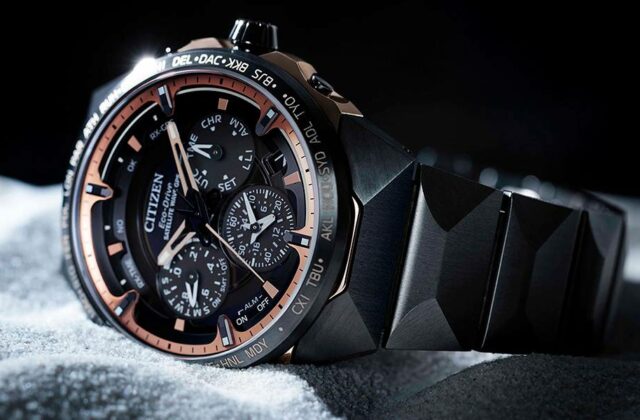
Titanium is a highly sought-after material in watchmaking, but not all titanium is created equal. The various titanium grades have a direct impact on strength, weight, price and the look of your watch. Here is a clear guide to understanding the most common grades and making an informed choice.
What is a titanium grade?
A titanium grade refers to the metal’s chemical composition and mechanical properties. Some are pure, while others are alloyed with aluminium, vanadium or palladium to enhance specific characteristics. In watchmaking, grades 2, 5, 9 and 23 are the most commonly used.
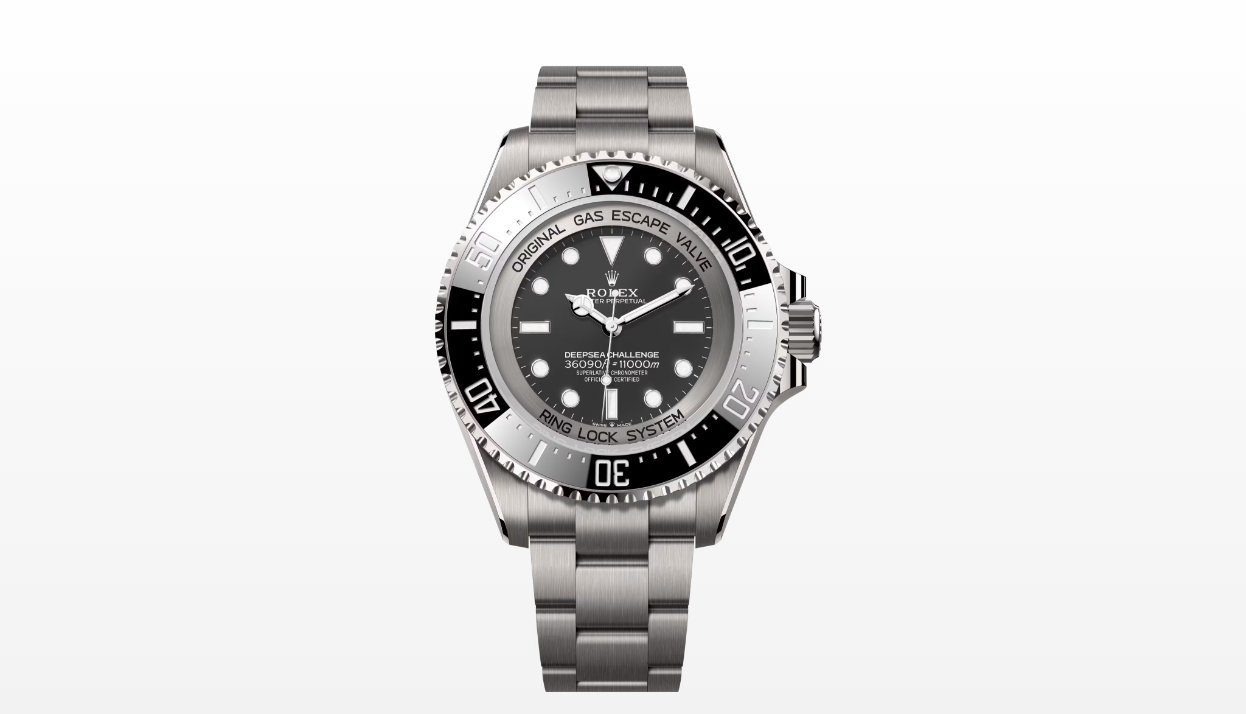
For an overview of titanium’s role in the watch industry, read our cornerstone article: Why titanium has become essential in watchmaking.
Grade 2: the most common
- Composition: 99.2% pure titanium
- Properties: very light, easy to machine, excellent corrosion resistance
- Downside: less scratch-resistant than alloys
- Use: dive watches, sports watches, affordable everyday wear
It is often found in watches from accessible or outdoor-focused brands.
Grade 5: the high-end benchmark
- Composition: titanium + 6% aluminium + 4% vanadium
- Properties: very strong, resistant to heat and scratches, allows for brushed or polished finishes
- Downside: more expensive and more difficult to work with
- Use: luxury watches, dress or high-end sports models (Rolex RLX, IWC, Omega…)
Grade 5 is ideal for a highly premium, long-lasting result.
Grade 9: the performance/price sweet spot
- Composition: titanium + 3% aluminium + 2.5% vanadium
- Properties: good corrosion resistance, easier to work with than grade 5
- Use: some brands choose it for technical reasons, but it remains rare
Grade 23: for biocompatibility
- Composition: a purified variant of grade 5, with fewer impurities
- Properties: ideal for medical implants, biocompatible, very strong
- Use: very uncommon in watchmaking, but it could grow in popularity
How to choose the right grade?
- For sporty use: Grade 2 with a surface treatment, or Grade 5 if the budget allows
- For a dress watch that will last: Grade 5 is recommended for its aesthetic potential
- For affordable everyday wear: Grade 2, with an excellent weight-to-strength ratio
Understanding titanium grades helps you make an informed choice. Titanium in watchmaking is not just a passing trend: it is a technical material suited to many uses. The grade you choose will directly influence your watch’s longevity, comfort and aesthetics.
FAQ
- Is grade 5 better than grade 2?
It is stronger and more attractive, but also more expensive to produce. - Can a titanium watch be polished?
Yes—especially in grade 5, which takes glossy or satin finishes more readily. - Is treated grade 2 a good alternative?
Yes. Treatments such as Duratect can improve its scratch resistance.