Titanium Watches: Advantages, Disadvantages, and Selection Criteria
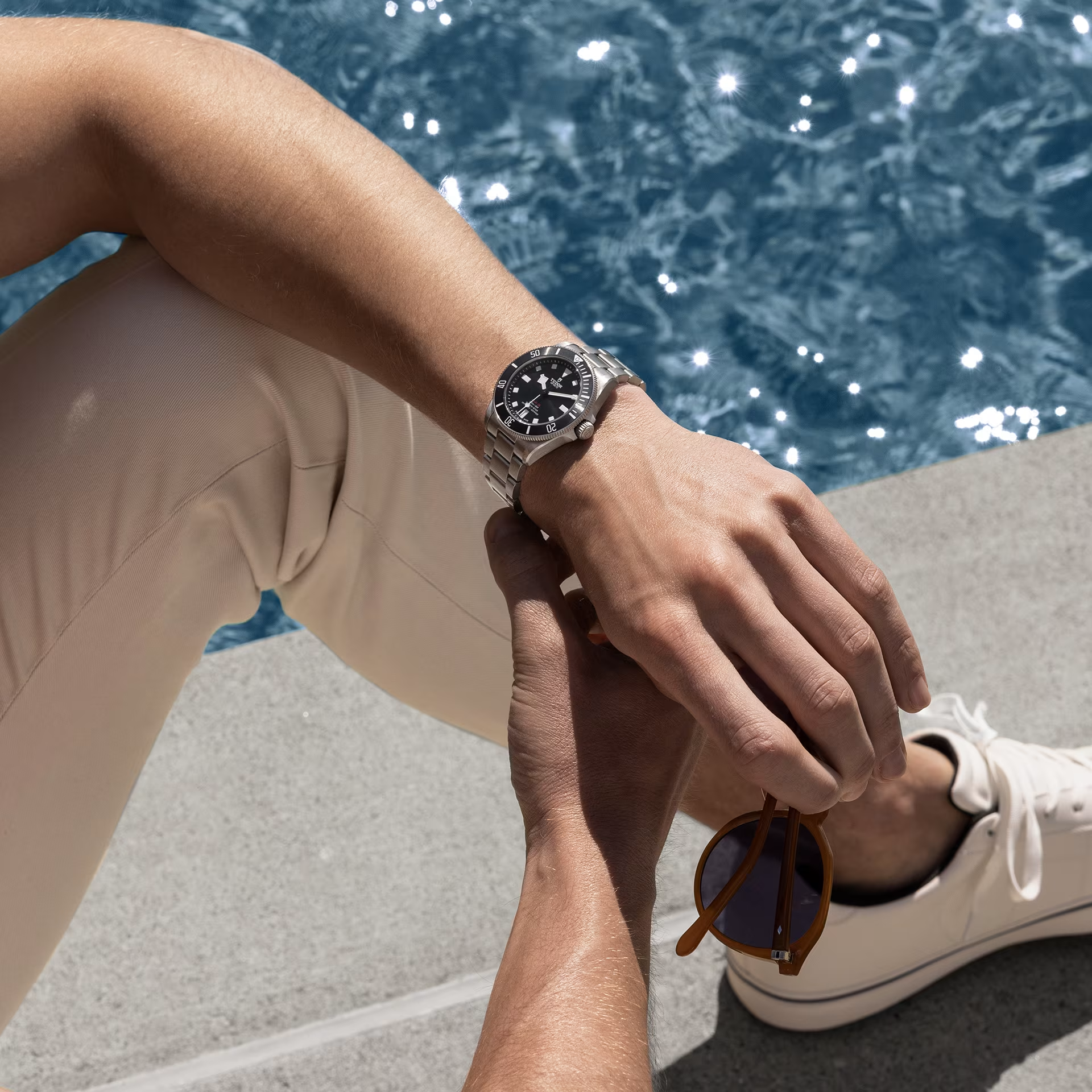
Titanium watches are enjoying a spectacular surge in popularity. But what explains this success? Is it really better than steel? What drawbacks should you know about before buying? This guide lays out everything you need to know to make the right choice. Want to understand why titanium has become such a sought-after material in watchmaking?
Contenus
afficher
Why choose a titanium watch?
- Unmatched lightness: Around 40% lighter than steel. A major advantage for large watches or everyday wear.
- Corrosion resistance: Ideal for dive watches or humid environments.
- Hypoallergenic: Perfect for sensitive skin, with no risk of irritation.
- Technical aesthetic: A matte grey finish, modern and understated.
The drawbacks to be aware of
- A more muted look: Less shiny than steel or gold, which may not appeal to some fans of classic watches.
- Too light for some: The low weight can be perceived as a lack of “presence” on the wrist.
- Prone to micro-scratches: Although very hard, titanium can sometimes show marks more visibly. Treatments exist (e.g. Citizen’s Duratect).
- Difficult to machine: Higher production costs, and therefore a higher purchase price.
Key criteria to consider when choosing
- Use case: Sport, everyday, dressy? Titanium is perfect for tool watches or outdoor pieces.
- Budget: Expect a price 10–20% higher than an equivalent steel model.
- Titanium grade: Grade 5 offers greater strength and more finishing options. See our guide to grades.
- Surface treatments: Opt for a treated model (PVD, sandblasting, Duratect) for greater durability.
Titanium vs steel watches: the comparison
| Criterion | Titanium | Steel |
|---|---|---|
| Weight | Much lighter | Heavier |
| Corrosion resistance | Excellent | Good |
| Appearance | Matte, technical | Shiny, classic |
| Price | Higher | More affordable |
| Comfort | Ideal for extended wear | Can feel tiring with larger pieces |
Titanium isn’t simply an alternative to steel: it’s a modern, technical choice, often more comfortable. Ideal for athletes, tool-watch enthusiasts, or those who want a more discreet design. But be sure you understand the limitations to make a durable, informed purchase. Also discover our full article on the success of titanium in watchmaking.
FAQ
- Is titanium really more resistant than steel?
It is more resistant to corrosion and deformation, but can be more prone to scratches without a surface treatment. - What’s the point of Grade 5?
It is stronger, more attractive, and allows for polished or satin finishes. - Are titanium watches suitable for women?
Yes—more and more lightweight, unisex models are designed for every wrist.