Titanium in Watchmaking: Why Has This Alloy Become Essential?
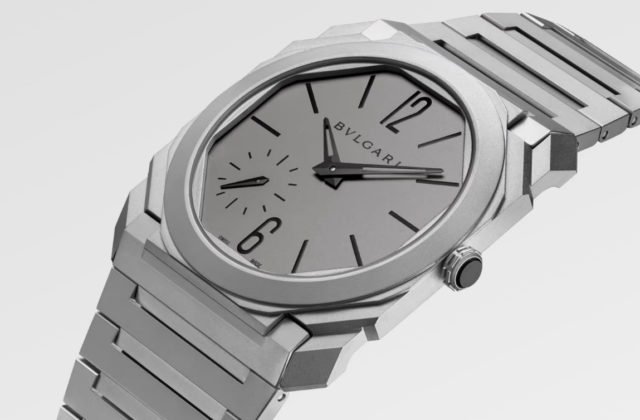
Once confined to aerospace and medical applications, titanium has established itself in watchmaking as a material of choice. Lighter than steel, more corrosion-resistant, hypoallergenic and decidedly modern, it embodies a new vision of luxury: technical, understated and comfortable. But what explains this enthusiasm? Which brands are betting on it—and why? This article breaks down the reasons behind its success.
What is titanium?
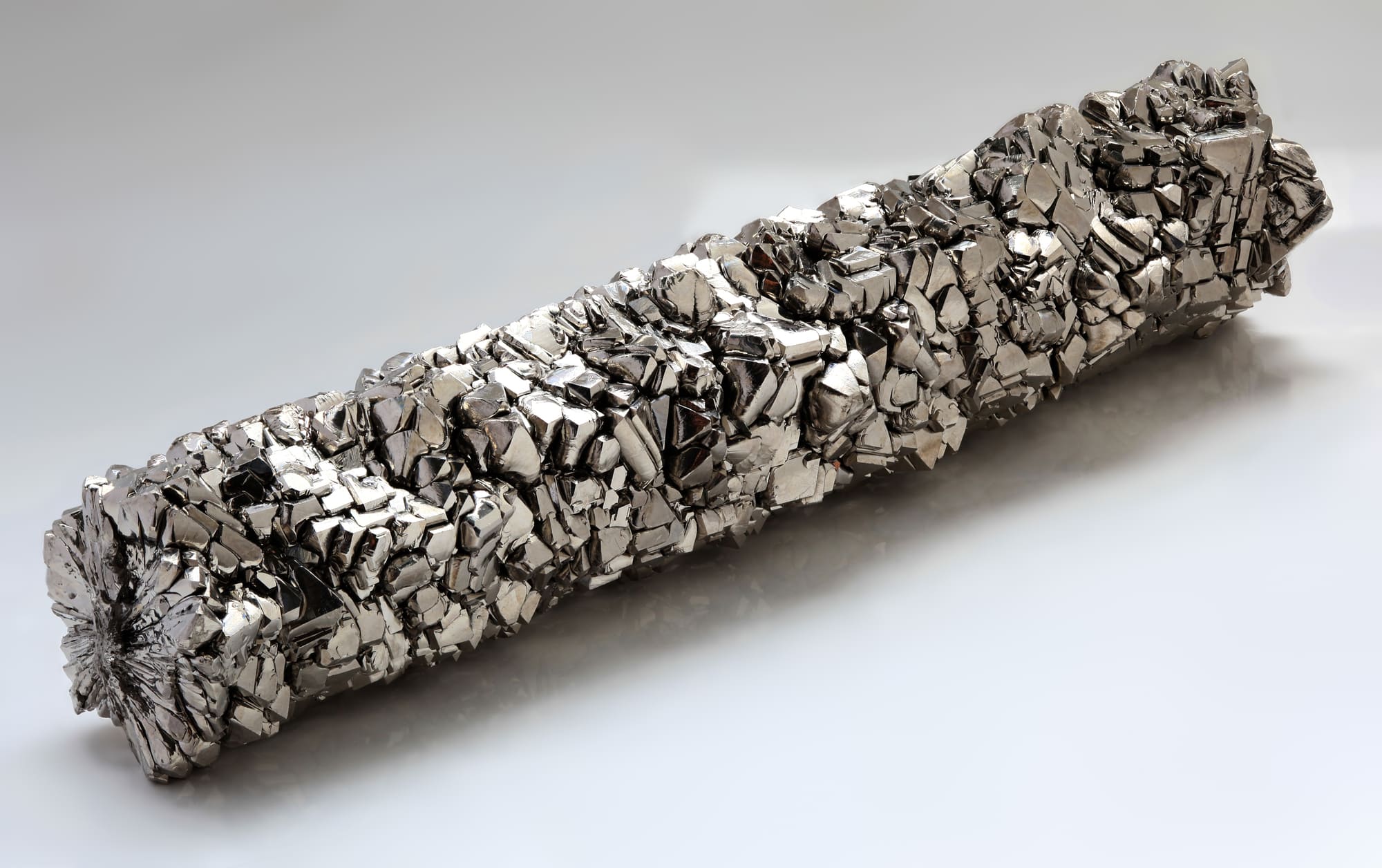
Titanium is a silvery-grey metal, discovered in 1791, known for its unique combination of lightness, strength and chemical inertness. It weighs around 40% less than steel while being just as robust. What’s more, it doesn’t rust—even in salty environments—making it ideal for dive watches.
Why do watchmakers use it?
Titanium offers several major advantages:
- Lightness: Ideal for larger watches or for comfortable everyday wear.
- Corrosion resistance: Perfect for humid or marine environments.
- Hypoallergenic: Suitable for sensitive skin.
- Modern look: Its matte, technical appearance is highly appreciated.
Titanium is also a driver of innovation: some maisons combine it with other materials (carbon, ceramic, rubber) or apply special treatments (Duratect, sandblasting, micro-bead blasting).
Titanium grades used in watchmaking
The main ones are:
- Grade 2: pure, easy to work with, lightweight, but less scratch-resistant.
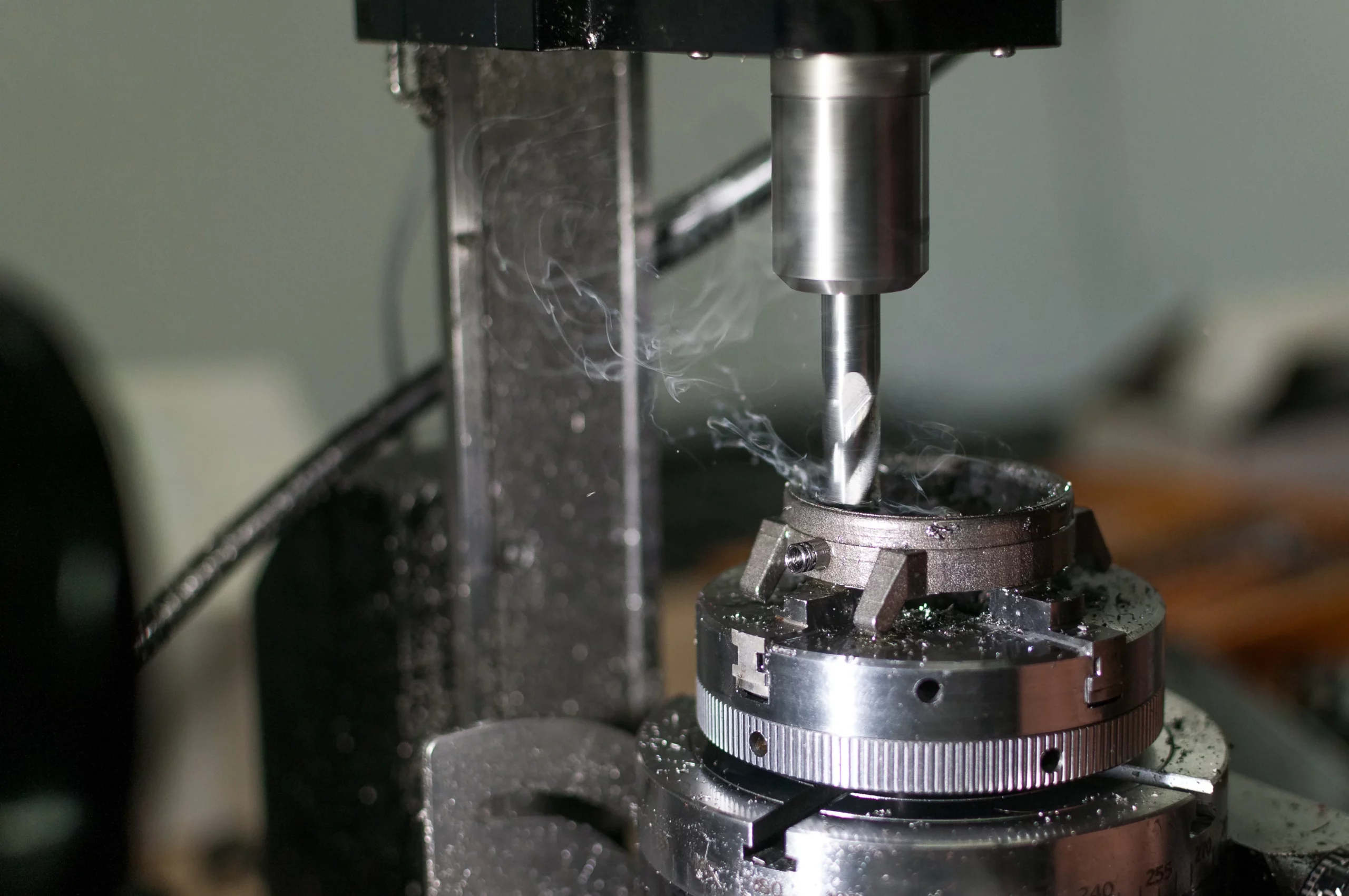
- Grade 5: a titanium-aluminium-vanadium alloy, stronger, more resistant, and more complex to machine.
- Grades 9 and 23: rarer, but used for medical or highly technical applications.
These grades influence price, durability and finishing possibilities. Learn more in our guide to titanium grades.
Titanium: a luxury material or a technical revolution?
Some enthusiasts miss the “weight of luxury” that steel or gold provides, but for others, titanium’s lightness is a major advantage. More discreet, more comfortable and more technical, titanium reinforces the image of innovative watchmaking in step with its time.
Brands betting on titanium
- Citizen: a pioneer with the X8 Chronometer (1970), inventor of Super Titanium.
- IWC: the first Swiss brand to commercialise titanium with the Porsche Design Titan Chronograph.
- Rolex: Deepsea Challenge and Yacht-Master 42 in RLX titanium (grade 5).
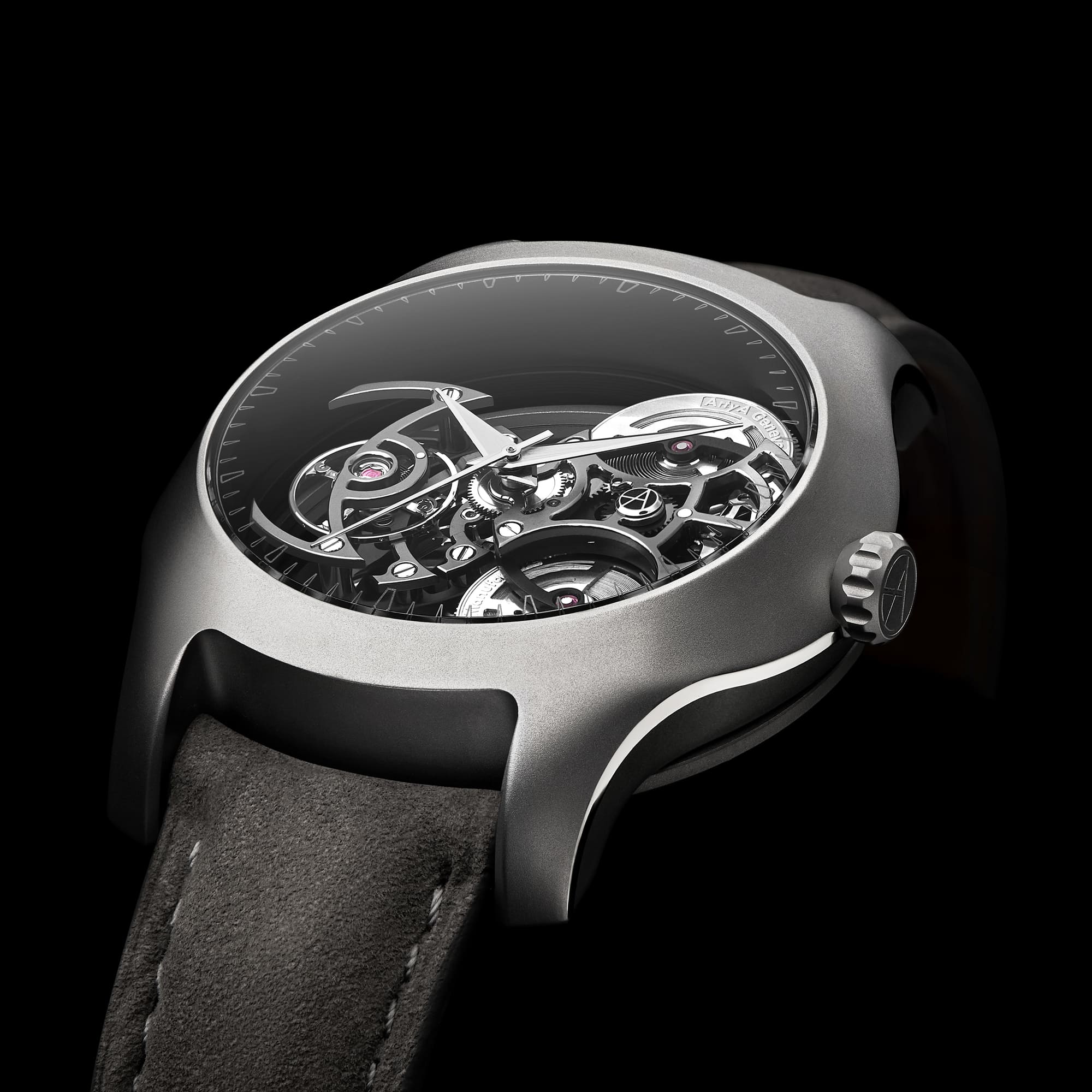
- Bulgari, Tudor, Omega, Mido, Longines, Bell & Ross, Pequignet, ArtyA … All now offer titanium collections.
Which uses for which watches?
Titanium is frequently used for:
- Dive watches: lightness, corrosion resistance.
- Sports or connected watches: wearing comfort.
- Contemporary dress watches: a modern, refined aesthetic.
Some models combine titanium with other materials for even greater performance (Hublot, Herbelin, Tag Heuer).
Titanium has won over watchmaking for good reason: a technical, modern, durable material, it fits squarely within a broader drive for innovation. Increasingly accessible, it is set to become a standard well beyond niche watches. A smart choice for the future? Without a doubt.
FAQ
- Why choose a titanium watch rather than steel?
For its lightness, comfort and corrosion resistance. - Is titanium more expensive?
Yes, due to the difficulty of machining it, but prices are becoming more mainstream. - Is it a durable material?
Yes, titanium is highly resistant and offers excellent longevity.
Interested in this watch?
Price, availability, contact: we can activate our watch-industry network to help you.
I’m interested in this watch