Watch Calibre or Movement: What’s the Real Difference?
Watch enthusiasts often come across the terms “calibre” and “movement“. But are they the same thing, or is there a nuance? This article sheds light on that difference, with concrete examples and clear explanations. We’ll see that while these terms are often used as synonyms, their usage reveals an important technical and historical distinction.
What is a watch movement?
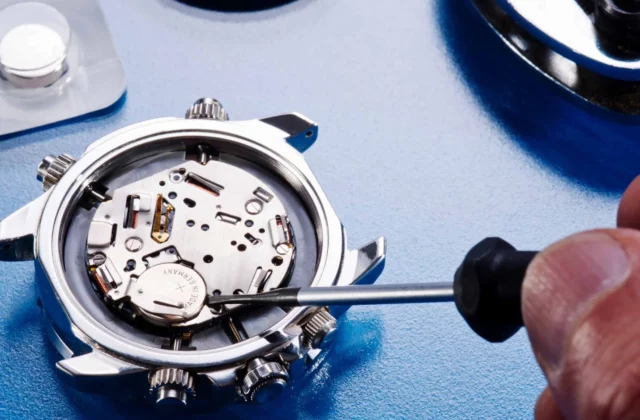
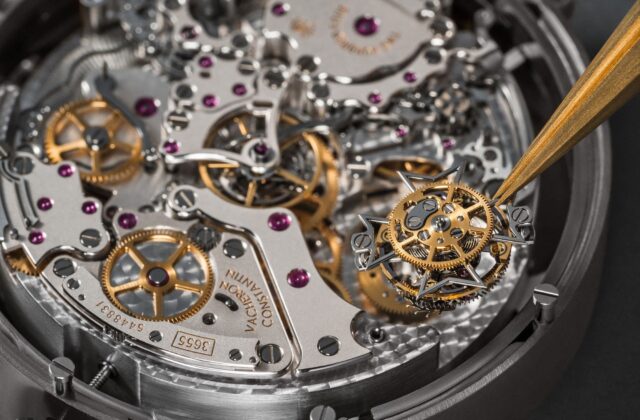
In watchmaking, a movement is the set of internal components that allow a watch to tell the time and operate. It is made up of dozens—sometimes hundreds—of moving parts packed into a very small space. These components include:
- An energy source (mainspring, battery, or weight).
- A gear train that transmits that energy.
- An escapement that regulates the energy released.
- An oscillator (balance wheel or quartz) that measures time.
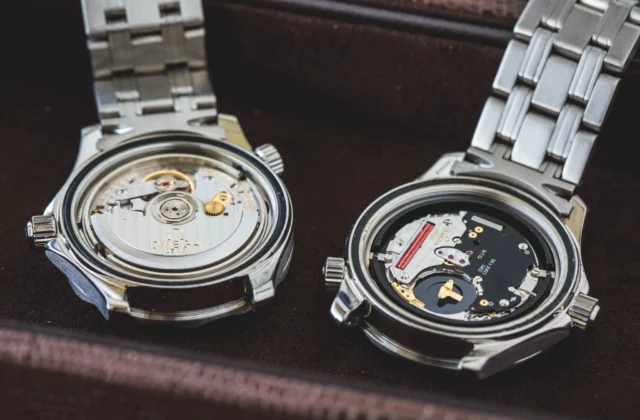
There are different types of movements:
- Hand-wound mechanical
- Automatic mechanical
- Electronic or quartz
The movement is therefore the technical soul of the watch. It’s what drives the hands, the complications, and ensures the accuracy of timekeeping.
The definition of calibre: from dimensions to technical identity
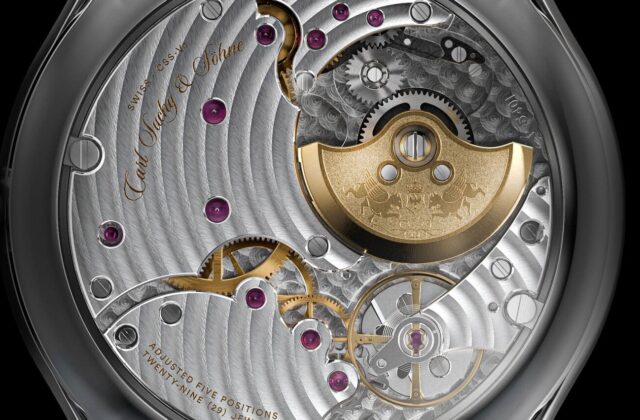
Originally, the word “calibre” simply referred to the dimensions of a movement (often expressed in lignes). But today, the term has evolved to designate a specific movement model, identifiable by an alphanumeric reference given by the manufacturer. For example: ETA 2824-2, Rolex 3135, Seiko 6R35.
Each calibre is a kind of “technical ID card” for the movement. It indicates its technical characteristics, its origin, its internal design, and sometimes its level of finishing. The same calibre can be used in several models—or even by several brands.
It can be in-house (designed internally by a brand such as Rolex, Omega, Patek Philippe, ArtyA) or produced by specialists such as ETA, Sellita, or Miyota, widely used in Swiss and Japanese watchmaking.
Calibre vs. movement: what are the concrete differences?
- Movement: refers to the entire internal watchmaking mechanism.
- Calibre: identifies a specific model of that mechanism.
In other words, the movement is the general concept (mechanical, quartz, hybrid), while the calibre is the specific version of that movement. To illustrate: a Tissot PRX Powermatic 80 houses a Powermatic 80.111 calibre, which is an automatic-winding movement derived from an ETA.
Why is this distinction important?
Understanding this nuance has several benefits:
- Maintenance: a watchmaker needs to know the exact calibre to carry out a service or replace a part.
- Authenticity: some counterfeiters replace the original calibre with a lower-quality model.
- Collecting: the rarity and complexity of a calibre strongly influence a watch’s value.
Examples of famous calibres
- Valjoux 7750: a robust automatic chronograph, widely used in the 1980s and still today.
- Rolex Calibre 3235: an in-house movement with high precision and a 70-hour power reserve.
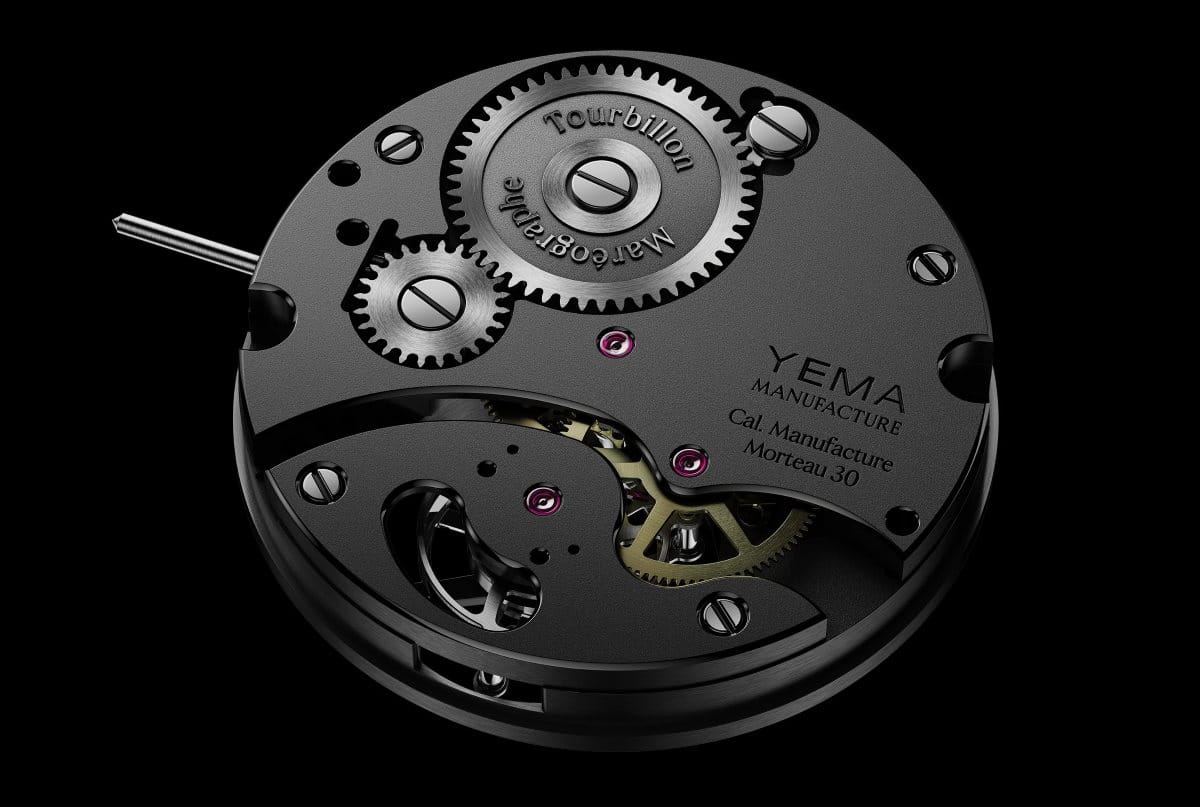
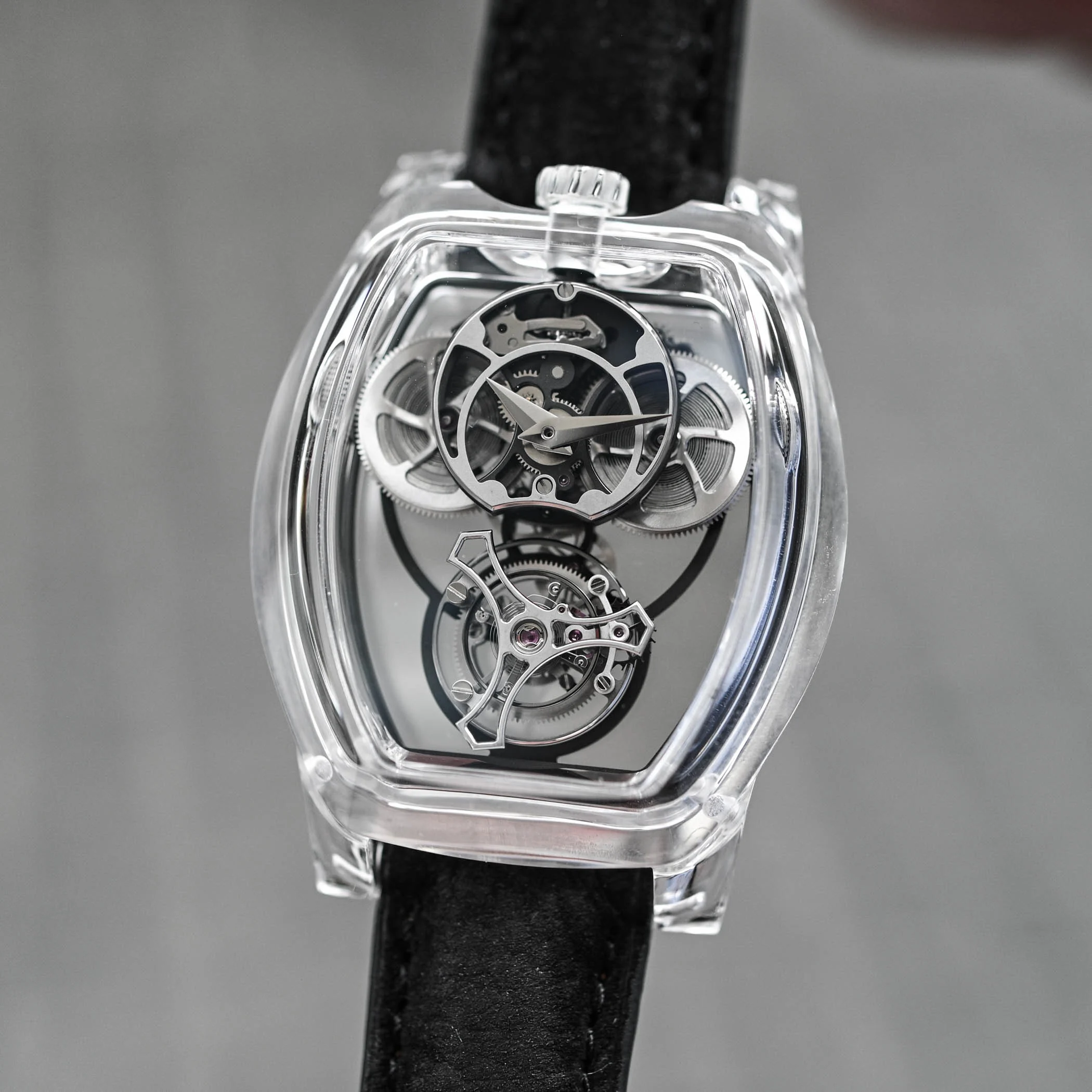
- Yema CMM.30: a French in-house calibre, a highly technical and rare mechanical tourbillon.
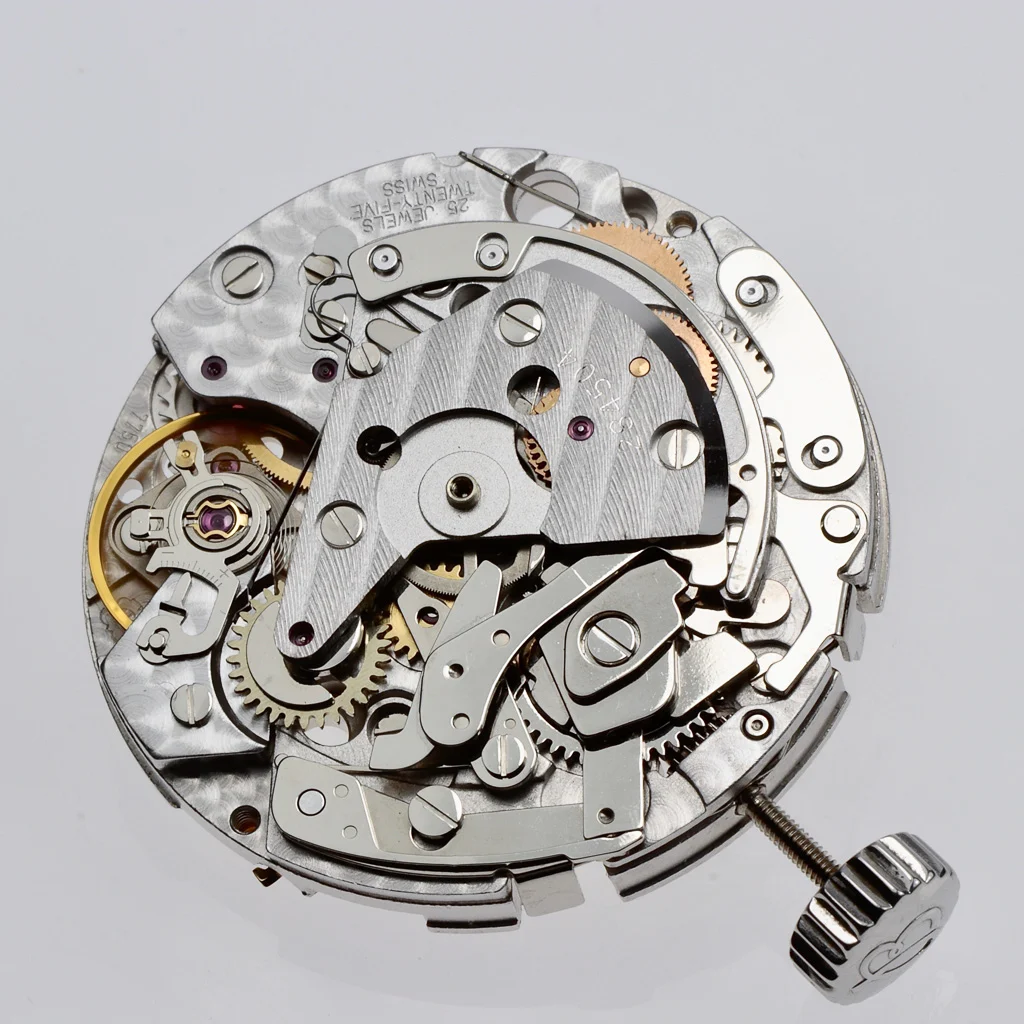
These examples show how brands use the concept of calibre as a genuine marketing and technical argument.
How can you identify a watch’s calibre?
- On the caseback: it is sometimes engraved or indicated.
- In the documentation: user manual, technical sheet, manufacturer’s website.
- Through a watchmaker: to open the case and inspect the movement.
In collecting circles, each calibre is often properly catalogued, making it possible to trace it through the brand’s archives.
Conclusion
The movement is a watch’s engine, and the calibre is its precise designation. The distinction, while subtle, is essential for appreciating the technical richness of watchmaking, understanding the specifics of a given model, and making informed choices as a buyer or enthusiast. Feel free to comment or share your own experiences with calibres!
FAQ
- Does the calibre change depending on the model within the same brand?
Yes, a brand can use different calibres across various models depending on complications, case size, or price segment. - Can a calibre be used by several brands?
Yes—ETA, Sellita, or Miyota calibres in particular are widely reused across many different brands. - Can you change a watch’s calibre?
Technically yes, but it requires perfect dimensional compatibility and can compromise the watch’s authenticity.