Take Flight with Vacheron Constantin: Métiers d’Art Les Aérostiers
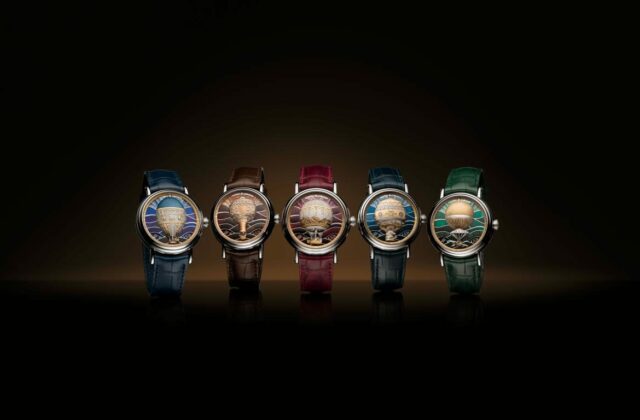
Here is a collection seen at SIHH (Salon International de la Haute Horlogerie) that certainly didn’t leave me indifferent.
I am particularly fond of in-house calibres—often very specific complications (such as tourbillon watch models)—but the métiers d’art remain disciplines that marry wonderfully well with watchmaking.
We know the brand produces more “classic” complication watches, notably chronograph watch creations, but it also knows how to craft far more complex pieces.
By definition, the métiers d’art bring together three criteria:
1/ The implementation of complex know-how to transform material.
2/ The production of unique objects or small series that display an artistic character.
3/ Mastery of the craft in its entirety.
The house of Vacheron Constantin found inspiration in aeronauts—pilots of aerostats, also known as aircraft (lighter than air), hot-air balloons or airships.
There must undoubtedly have been a certain touch of madness in these aeronauts to open such an important chapter in aviation history. Vacheron Constantin therefore wished to pay tribute to them.
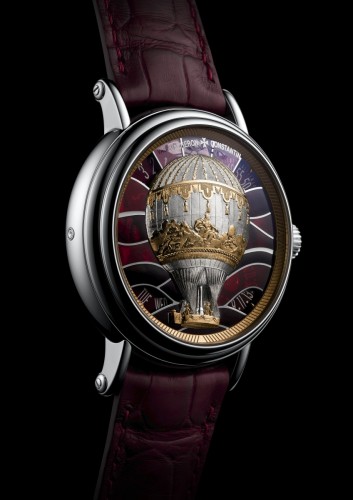
The engravers set about reproducing, on watch dials, historical drawings of five flights carried out in France between 1783 and 1785.
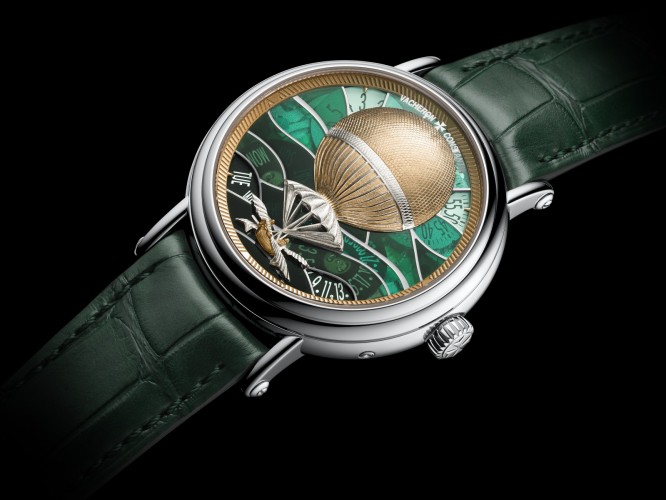
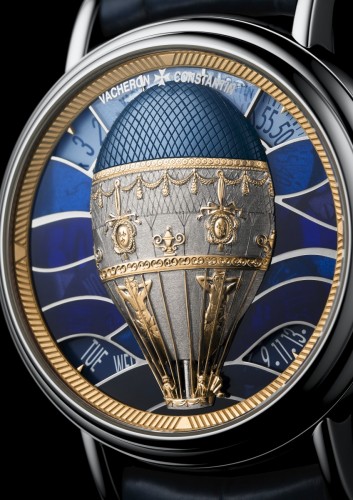
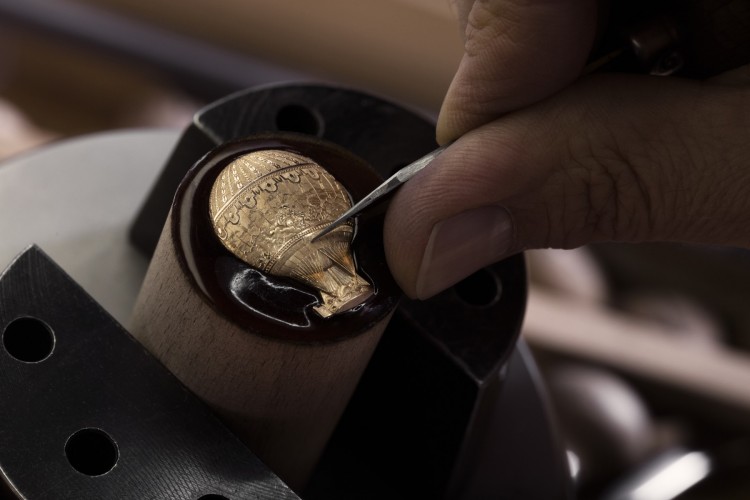
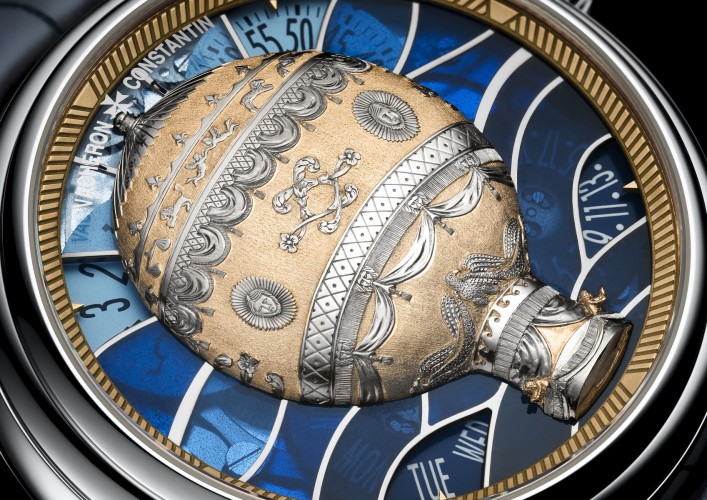
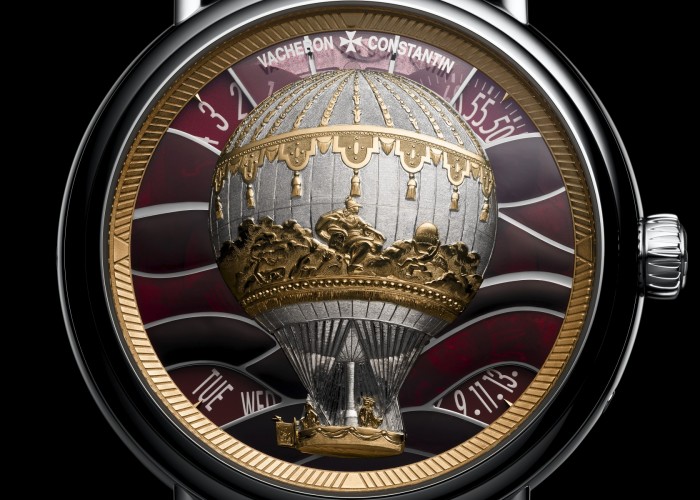
Hand-micro-sculpted gold hot-air balloons thus take their place against a translucent plique-à-jour enamel background.
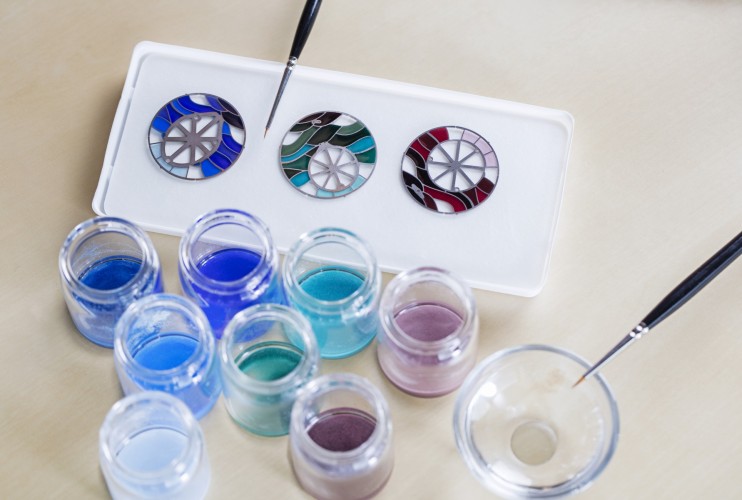
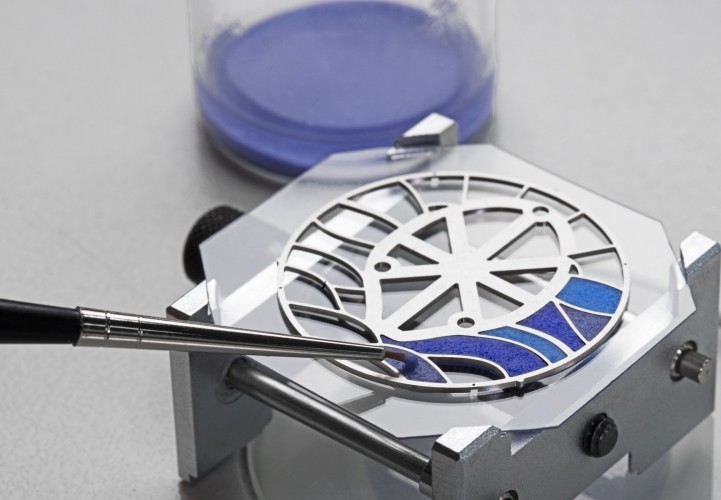
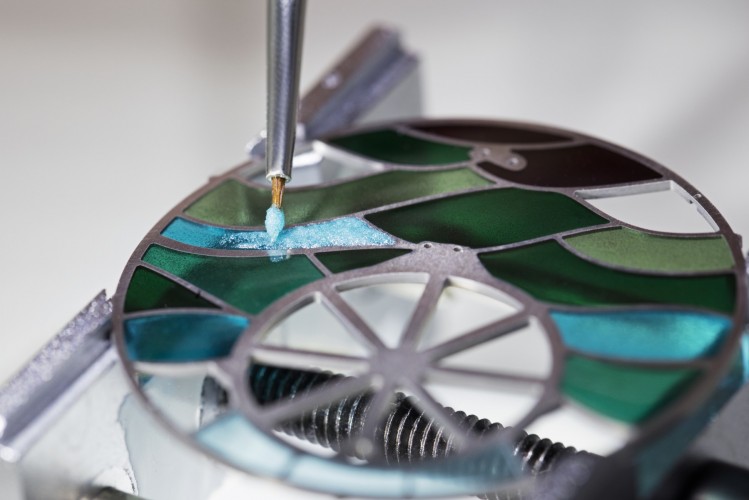
Plique-à-jour is a technique that allows light to pass through transparent or translucent enamel.
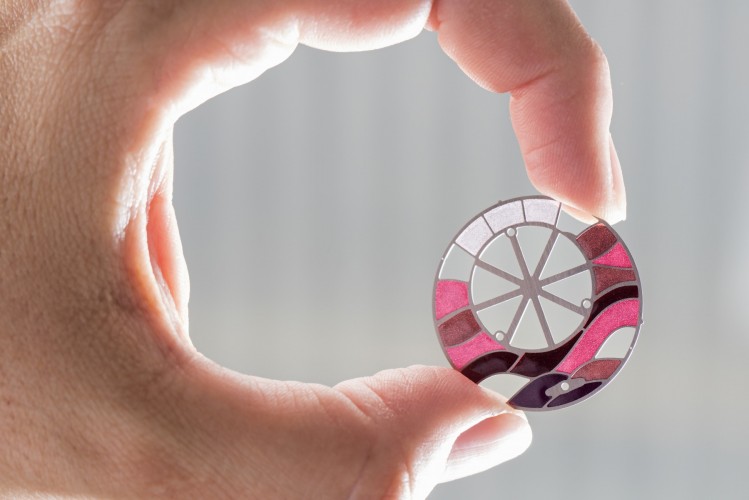
Two métiers d’art that Vacheron Constantin pairs with its manufacture calibre 2460 G4/1, perfectly suited to the aesthetics of this very distinctive dial.
The ramolayage technique
Let’s come back to the balloons that occupy a large part of the dial. They were designed using the ramolayage engraving technique (removing material to create relief) to give the balloons volume. No fewer than 3 weeks were required to produce each hot-air balloon.
Plique-à-jour enamel
The translucent background, for its part, is the result of the plique-à-jour enamel technique. It resembles a small stained-glass window.
Several colours were chosen: azure, dark blue, turquoise, brown and garnet. These shades are echoed on the matching straps.
The in-house calibre 2460 G4/1
It is obvious that the best way to sabotage this collection would have been to use some generic movement unsuited to the properties of the dial.
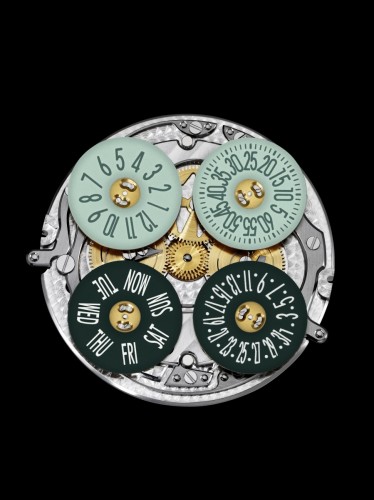
The calibre displays the time via discs housed in apertures, thus avoiding the use of hands, while still showing the day and date. In total, four discs: two dragging and two jumping.
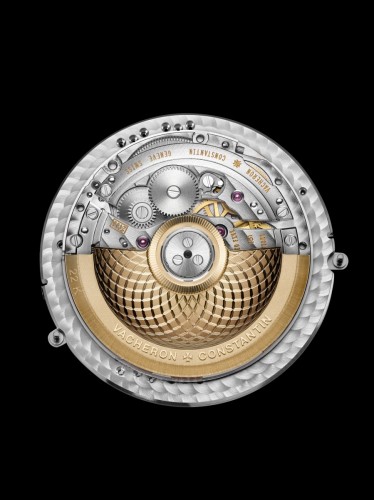
The caseback reveals a gold rotor.
Each model tells the story of a flight.
Versailles 1783 evokes a flight in a balloon designed by Étienne de Montgolfier, carrying animals on board. This flight confirmed that it was possible to breathe at altitude.
Paris 1783 – The pink-gold and grey balloon reproduces the first flight with men on board.
Paris 1784 – The aeronaut Blanchard equips the balloon with a tool enabling it to steer its trajectory. A new step is taken.
Bordeaux 1784 – Three travellers departing from Bordeaux are depicted.
Bagnols 1785 – A crowd of 10,000 people salute this memorable flight.
This superb collection was produced in 25 numbered pieces.
Interested in this watch?
Price, availability, contact: we can activate our watch-industry network to help you.
I’m interested in this watch